As a dedicated foreign student of Tai Chi with over 30 years of immersion in this ancient Chinese martial art, I’ve explored styles from Yang to Chen, drawing from global Tai Chi resources, including books, videos, online courses, and in-person instruction.
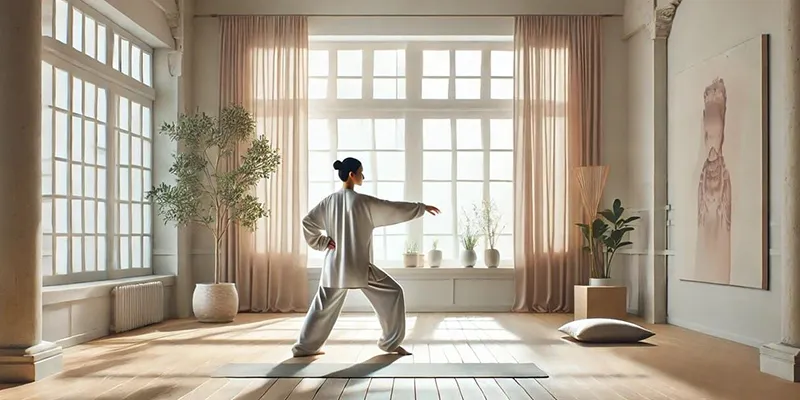
In this blog, I will recommend the most suitable Tai Chi resource for the public.
A Qualified Tai Chi Teacher
In-person classes are the best tai chi resource for learners of all levels.
A good teacher can see and correct subtle postural misalignments that no book or video can identify for you. They can answer your specific questions and adapt explanations. Tai Chi is more than shapes; it is about specific internal focus and intent. This is best transmitted personally.
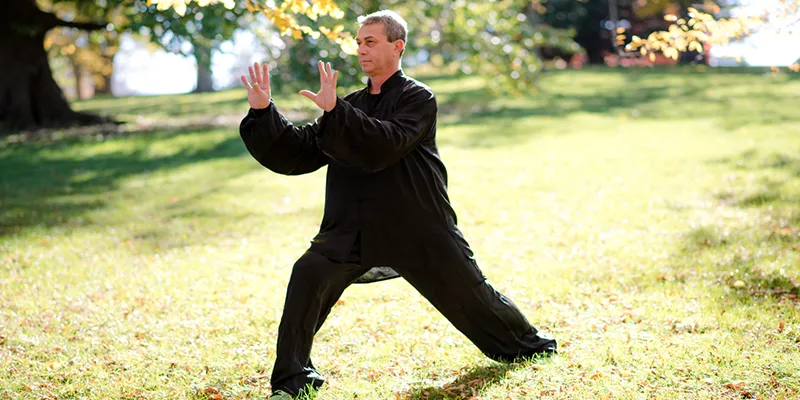
How to Find One:
Lineage and Credentials: Look for instructors with clear lineage and recognized certifications from major associations. However, a long teaching history and positive student testimonials often speak louder than paper.
Observe a Class: Is the teaching method clear? Is the environment safe and respectful? Does their focus align with your goal?
Compatibility: Your personality should mesh with the teacher’s style. Some are strict, some are gentle; find one that motivates you.
Contact the best Tai Chi teacher!
Top Online Video Tai Chi Resource
These tai chi resources are particularly suitable for beginners and busy individuals.
Free or low-cost videos offer an excellent beginning entry, allowing self-paced practice without commitment. Platforms like YouTube host high-quality tai chi videos from certified instructors.
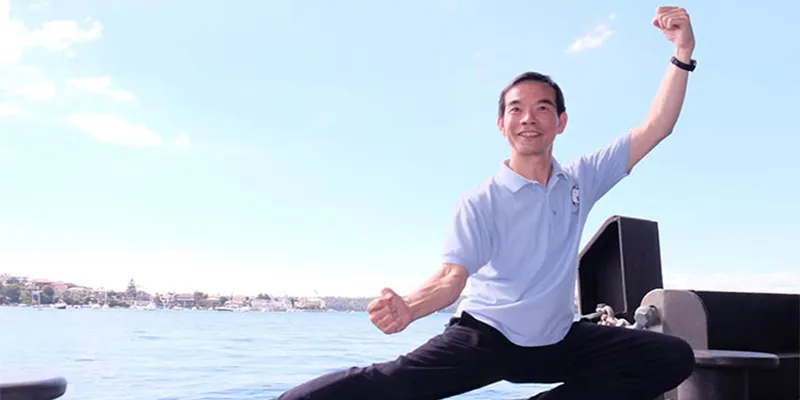
One standout is Dr. Paul Lam’s “Tai Chi for Beginners—6 Easy Steps,” which breaks down warm-ups and progressive movements, ideal for those new to the art. This series is gentle, focusing on harmony and health, and has been praised for its accessibility in community forums.
Another reliable option is the Tai Chi Foundation’s free demonstration videos, which serve as teaching aids and cover principles like the 108-move set. For visual learners, Master Amin Wu’s 24-form demonstrations on YouTube provide front and back views, ensuring proper alignment.
These videos are scientifically aligned with Tai Chi’s benefits, such as improved coordination, and are suitable for daily 5-10 minute practices to build consistency.
Recommended Books for Tai Chi Resource
These tai chi resources are ideal for theoretical learners, including intermediate learners.
For tai chi beginners, select texts with illustrations and step-by-step guides.
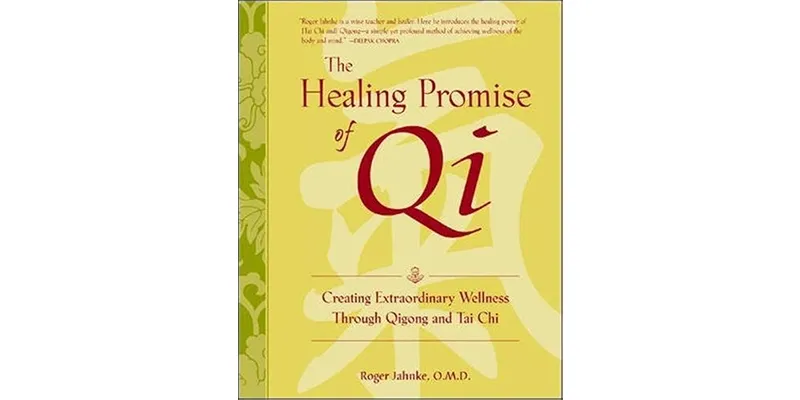
“The Healing Promise of Qi” by Roger Jahnke explores Qi Gong integration with Tai Chi, emphasizing evidence-based health outcomes like enhanced energy and mind-body connection.
Dr. Yang Jwing-Ming’s works, such as “Tai Chi Theory and Martial Power,” offer detailed breakdowns of styles rooted in classical principles and internal energy work. These are rigorous, with diagrams for self-study, making them ideal for those seeking authenticity.
Other classics like “Cheng Tzu’s Thirteen Treatises” by Cheng Man-ch’ing provide philosophical rigor, but pair them with videos for practical application.
Best Online Tai Chi Courses and Apps
These tai chi resources are ideal for beginner to intermediate learners.
Structured online courses ensure progression and feedback, often at affordable prices. Udemy’s top-rated Tai Chi courses for beginners cover meditative and martial aspects, taught by professionals with high user ratings.
Dr. Paul Lam’s Online Tai Chi Lessons simulate in-class experiences, including community access for motivation. Taoist Wellness Online offers over 100 hours of content with live sessions, focusing on Tai Chi, Qi Gong, and meditation for comprehensive training.
For apps, the “Yang Tai Chi for Beginners 1” on the App Store features one-hour videos with multi-angle views, promoting step-by-step mastery.
In conclusion, whether through Dr. Lam’s videos, Dr. Yang’s books, or online platforms like Udemy, these tai chi resources are the best for the public. With dedication, anyone can harness its transformative power.