When you hear “kung fu,” you often picture a single art. In reality, the term includes different styles of kung fu, each a complete system of movement and combat. These forms of kung fu number in the hundreds, originating from various regions, religions, and philosophies across China.
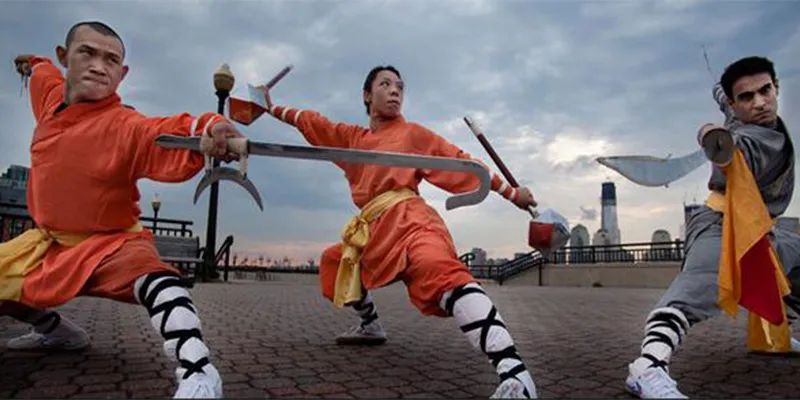
Traditionally, kung fu styles can be grouped into families, schools, or classified by their origin—most commonly as either Northern or Southern styles. Some kung fu styles are external, emphasizing physical strength, speed, and techniques, while others are internal, focusing on the cultivation of breath, mind, and energy.
Exploring the different styles in kung fu helps your practitioner to find a system that aligns with their specific needs.
ASIAN Fighting Styles Influence
Asian martial arts are highly rSIANespected around the world, not just for their fighting skills but also for their deep philosophical ideas. Chinese styles, in particular, have had a big impact on martial arts everywhere.
Many Asian fighting styles feature smooth, powerful movements—like the circling steps in Baguazhang or the flowing sequences in Tai Chi—that have won over fans globally. Movies helped make them famous, thanks to stars like Bruce Lee and Jackie Chan, who showed off their exciting energy.
Japanese vs. Chinese Martial Arts
When discussing Japanese vs. Chinese martial arts, the primary distinction is the philosophy of motion and the “hardness” of the technique.
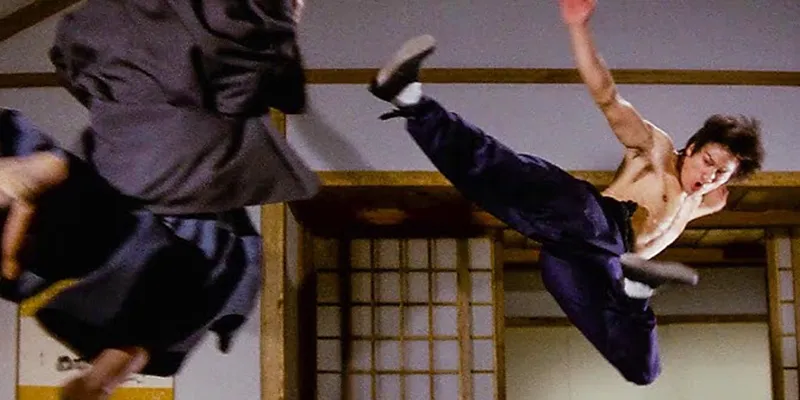
Chinese martial arts prioritize circularity and internal energy. Most Chinese styles utilize circular paths to deflect incoming force rather than meeting it head-on. This “soft” approach focuses on redirecting an opponent’s momentum through continuous, rhythmic movement.
Japanese martial arts often emphasize directness and linear explosive power. Styles like Shotokan Karate or Kendo frequently utilize direct strikes and rigid blocks. The philosophy is often one of “one strike, one kill,” focusing on maximum efficiency and structural integrity to end a confrontation quickly.
Deadliest Style of Kung Fu
Determining the deadliest form of kung fu is a common point of debate, but many masters point toward Bajiquan (Eight Extremities Fist).
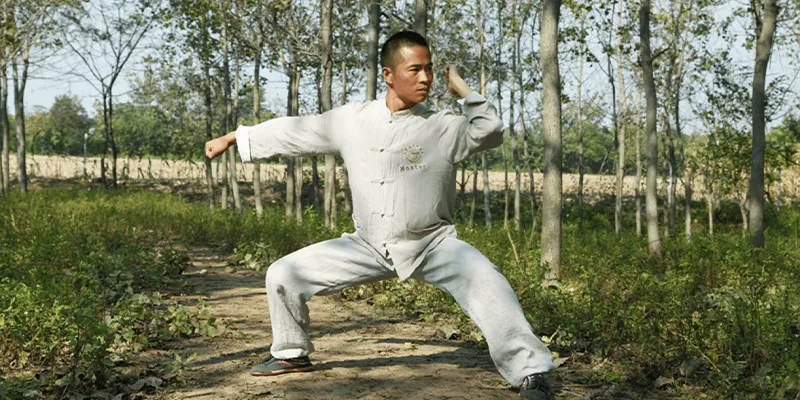
Unlike other arts, deadly kung fu styles like Bajiquan focus on explosive, short-range power known as Fajin. It utilizes elbows, knees, and shoulder strikes designed to collapse an opponent’s structure instantly. Its lethality comes from its uncompromising directness; it is a system designed for the battlefield, where efficiency is the only metric of success.
12 Kung Fu Animal Styles
Animal styles in Chinese martial arts are based on the observations of nature to mimic the survival instincts and mechanics of various creatures.
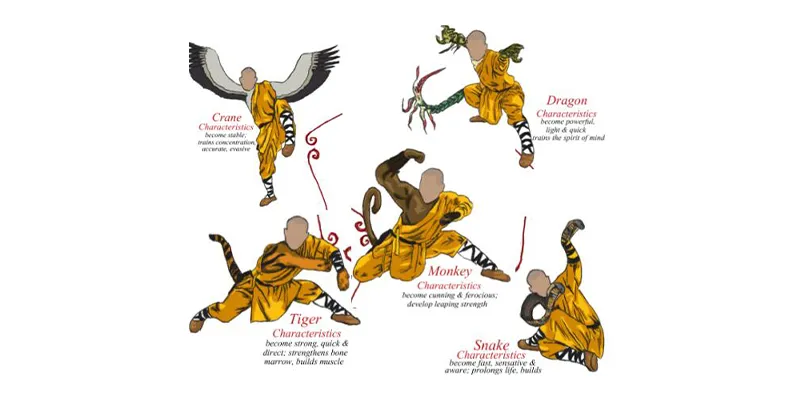
Five Animal Kung Fu: This is the core foundation, featuring the 5 animal kung fu archetypes: Tiger (bone strength), Crane (balance), Leopard (speed), Snake (internal breath), and Dragon (spirit).
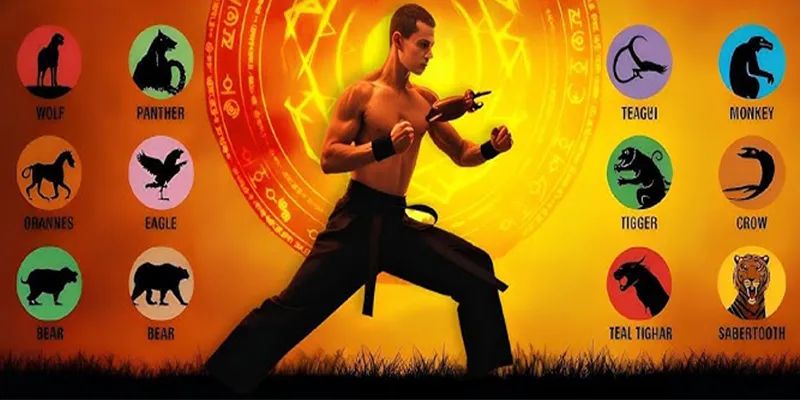
Tiger Style: Within kung fu animal fighting styles, the tiger represents raw power and tearing strikes, focusing on strengthening the tendons and bones.
Crane Style: This focuses on grace and evasion, using long-range “beak” strikes to target vital points.
Leopard Style: A middle ground in 5 animal style kung fu, it uses the “leopard paw” for rapid-fire, penetrating strikes.
Snake Style: Emphasizes rhythmic flexibility and finger strikes to the eyes and throat, focusing on the flow of Qi.
Dragon Style: The most “internal” of the types of kung fu animals, using zigzagging footwork and powerful waist rotations.
Monkey Style: One of the most acrobatic kung fu animal styles, using unpredictability and low-level movements to confuse opponents.
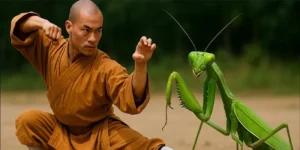
Praying Mantis: Famous for its “hook” hand techniques and lightning-fast combinations targeting the upper body.
Eagle Claw: Specialized in joint locks and pressure point gripping, mimicking the predatory snatch of an eagle.
Snake (Southern): Often distinct from Northern versions, focusing more on close-quarters precision.
Horse: Found in systems like Xingyiquan, representing the powerful, steady charge of the animal.
Rooster/Chicken: Utilizes aggressive, pecking-style strikes and erratic, fast-paced footwork.
Chinese Styles in Kung Fu Lists
Chinese martial arts are incredibly diverse. The table below summarizes some of the most popular styles, categorized by their characteristics.
| Style Name | Brief Description |
|---|---|
| Shaolin Kung Fu | Temple-based external style with powerful strikes, animal forms, and weapon training for combat and health. |
| Wing Chun | Close-range southern style emphasizing efficiency, centerline attacks, and wooden dummy practice. |
| Tai Chi (Taijiquan) | Internal style focused on slow, flowing movements for energy cultivation, balance, and self-defense. |
| Baguazhang | Circular walking style with palm changes, evasive footwork, and internal power development. |
| Xingyiquan | Direct, explosive style based on five elements and 12 animals for linear attacks and mental focus. |
| Bajiquan | “Eight extremities” style with short-range bursts, elbow strikes, and body slamming techniques. |
| White Crane (Bai He Quan) | Southern style mimicking crane movements with whipping strikes and evasive stances. |
| Hung Gar | Tiger-crane system combining hard power and soft flow, with low stances and claw hands. |
| Choy Li Fut | Hybrid style blending northern kicks with southern punches for versatile fighting. |
| Praying Mantis (Tang Lang Quan) | Northern style imitating mantis with hooking hands, fast strikes, and trapping. |
| Eagle Claw (Ying Zhao Quan) | Grappling-focused style with finger locks, joint manipulations, and clawing grips. |
| Drunken Fist (Zui Quan) | Deceptive style using wobbly movements to disguise powerful, unpredictable attacks. |
| Wushu | Modern performance art incorporating acrobatics, forms, and weapons for sport. |
| Sanda (Sanshou) | Full-contact fighting style blending kicks, punches, throws, and wrestling. |
| Chen Style Tai Chi | Original vigorous Tai Chi with silk-reeling energy and explosive fajin releases. |
Shaolin Kung Fu Styles
Shaolin martial arts styles are considered the “cradle” of Chinese combat. These Shaolin styles are characterized by their “external” approach, which seeks to build a body as hard as iron through intense conditioning.
Shaolin kung fu is not a single style but a collection. It is famous for its deep stances, high kicks, acrobatic leaps, and formidable hand techniques like the famous “One Finger Zen” or “Iron Palm.” Training traditionally includes mastery of various weapons, particularly the staff, and the 72 foundational skills.
While known as an external art, true Shaolin kung fu styles also encompass profound internal training, including meditation, qigong, and the cultivation of internal energy.
A mark of Shaolin is the integration of Chan Buddhism with physical training, meaning every movement is a form of active meditation. From the “Seven-Star Step” to the various staff forms, the style is designed to improve explosive power, flexibility, and the ability to fight from any angle.
Best Kung Fu Style: Tai Chi
Tai Chi is often called the “supreme ultimate fist” for harmonizing body, mind, and spirit. It is the ultimate system because it offers longevity; whereas “hard” styles can wear down the joints over decades, Tai Chi heals the body while teaching the most advanced principle of combat: using the opponent’s strength against them. It is a masterpiece of physics and mindfulness.
Would you like me to draft a beginner’s syllabus for the first month of Tai Chi practice?