Chinese martial arts, known globally as kung fu, represent one of humanity’s most sophisticated fighting systems. But beyond the famous styles like Shaolin Kung Fu and Tai Chi, hundreds of almost lost kung fu styles have quietly faded from practice.
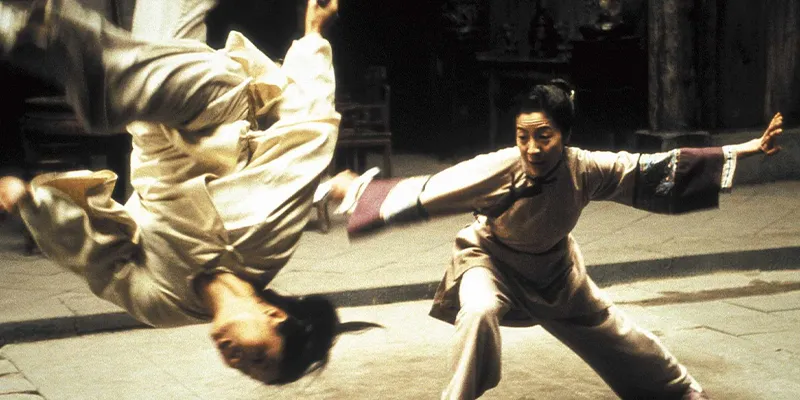
Today, I want to share ten almost lost kung fu styles that deserve our attention and preservation efforts.
Meihua Quan (Plum Blossom Fist)
Developed during the Ming Dynasty, Meihua Quan is named for its distinctive footwork that traces the pattern of plum blossom petals.
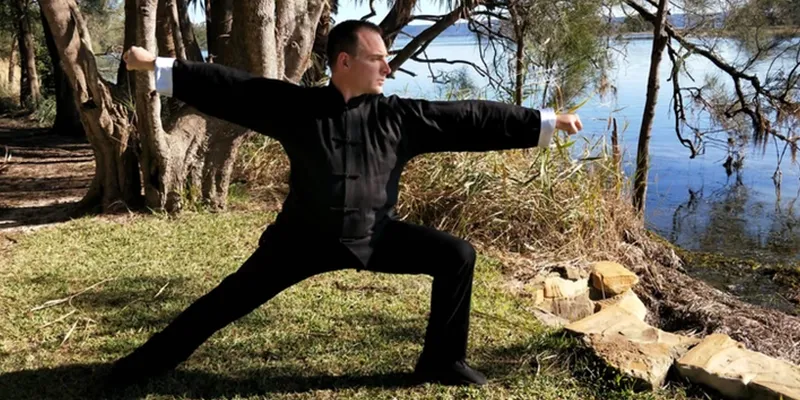
Practitioners move in circular patterns while executing precise hand techniques and qigong breathing methods. This style is nearly extinct because it was systematically suppressed during China’s Cultural Revolution, when traditional martial arts were banned.
Today, fewer than fifty authentic practitioners remain worldwide, mostly elderly masters in rural Hebei province who struggle to find students willing to commit to the fifteen-year training cycle required for mastery.
Bafanmen (Eight Flashing Door)
Bafanmen specializes in close-quarters combat with lightning-fast hand strikes, joint locks, and throws. Its name refers to the “eight doors” of attack and defense angles.
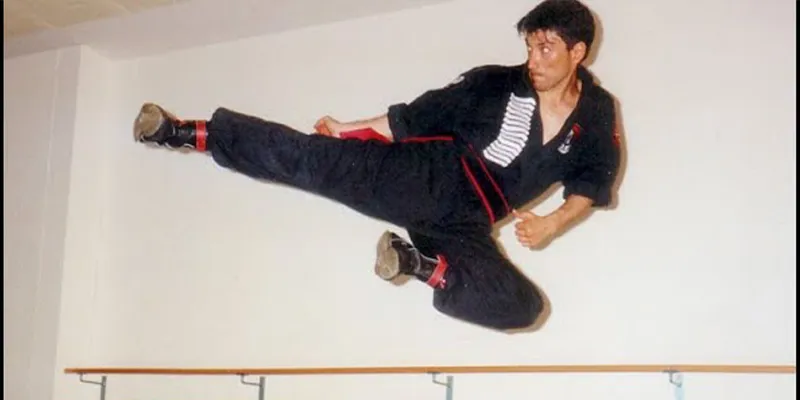
This almost lost kung fu style became rare due to its historical association with secret societies during the Qing Dynasty. Practitioners were often persecuted, forcing them to teach only within trusted family lines. Modern Bafanmen survives in just three known lineages, with approximately twenty advanced practitioners total.
The complexity of its techniques—which require perfect timing and sensitivity—makes transmission to new generations exceptionally challenging.
Ziranmen (Natural Door)
Founded in the 19th century, Ziranmen emphasizes natural body mechanics and spontaneous movement rather than fixed forms. Its training develops extraordinary sensitivity and adaptability through unique standing postures and partner exercises.
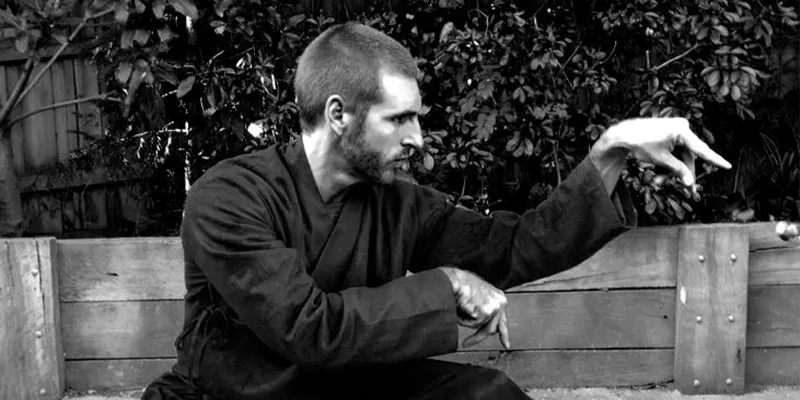
This almost lost kung fu style is endangered because it was traditionally taught only to one successor per generation, following strict oral transmission protocols. Urbanization and the migration of young people to cities have broken these teaching chains.
Today, only two verified Ziranmen masters remain, both in their seventies, with no designated successors who have completed the full curriculum.
Wudang Sanyi Quan (Wudang Three Harmonies Fist)
Unlike the more famous Wudang Tai Chi, Sanyi Quan represents the authentic internal fighting methods of Wudang Mountain’s Daoist monks. It integrates three levels of practice: physical techniques, energy cultivation, and spiritual development.
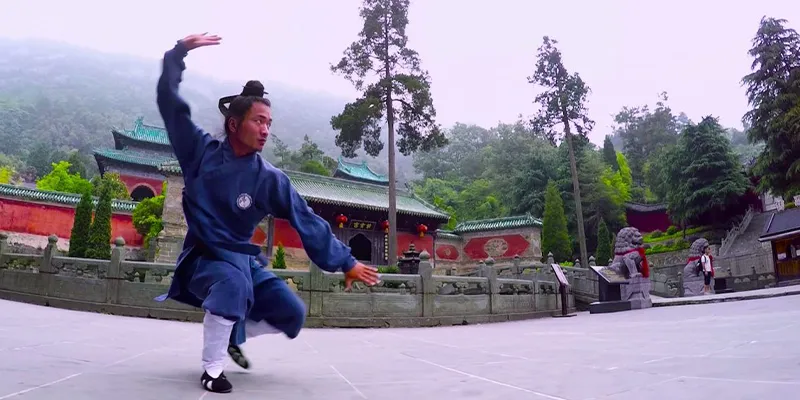
This almost lost kung fu style is nearly lost because during the 1950s land reforms, monasteries were destroyed and monks were dispersed. The remaining practitioners faced pressure to adapt their teachings to modern sports wushu.
Only seven authentic practitioners are documented today, all over sixty years old, preserving knowledge that was never meant to be written down but passed through direct experience.
Fanzi Quan (Tumbling Boxing)
Fanzi Quan is characterized by explosive hand techniques delivered with incredible speed and power, often described as “a hundred strikes in a single breath.” Its rarity stems from its physically demanding nature—practitioners typically peak in their thirties and struggle to continue teaching into old age.
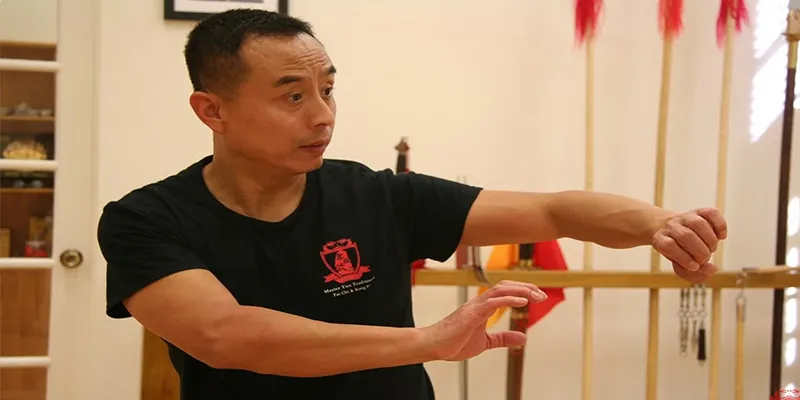
During the 20th century political campaigns, its aggressive combat focus made it a target for suppression. Modern martial artists often prefer flashier styles, leaving Fanzi Quan with fewer than thirty dedicated practitioners worldwide.
The almost lost kung fu style’s emphasis on practical fighting over performance makes it less attractive in today’s competition-focused martial arts environment.
Ditan Quan (Earth Tumbling Fist)
Ditan Quan specializes in ground fighting, rolling techniques, and low stances that use the earth’s surface as both protection and a weapon. This style was historically practiced by northern Chinese farmers who needed effective self-defense while working in fields.
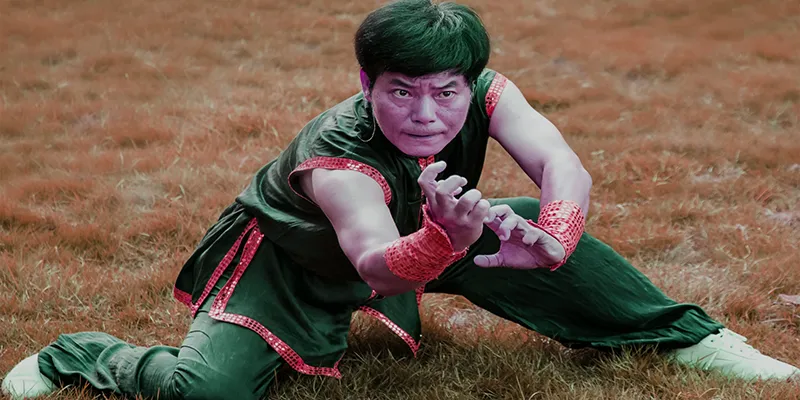
Its decline began with mechanized agriculture in the 1950s-60s, which eliminated the farming communities that sustained it. Urbanization further eroded its base, as city dwellers found little use for ground-fighting techniques.
Today, only one verified lineage survives with twelve practitioners, mostly teaching in a single village in Shandong province where the style originated three centuries ago.
Liujia Quan (Six Harmonies Fist)
Liujia Quan focuses on internal energy development through six harmonies of body and mind working together. Its training includes unique silk-reeling exercises and combat applications that appear gentle but contain devastating power.
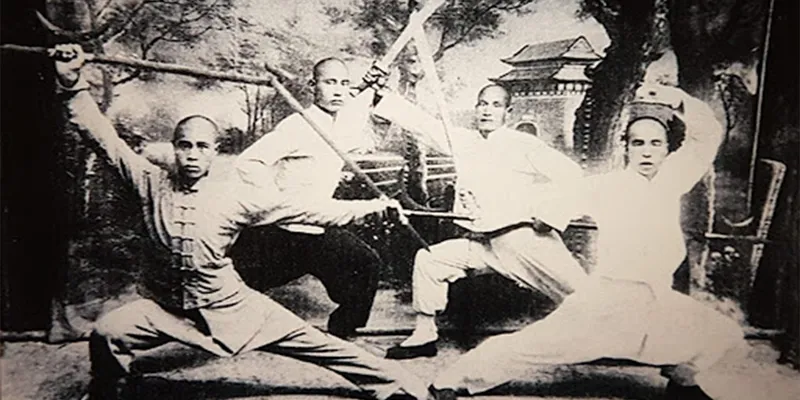
This almost lost kung fu style is nearly extinct due to its requirement for deep philosophical understanding alongside physical training. During China’s modernization, the Daoist principles underlying Liujia Quan were dismissed as superstition.
Only three masters remain who understand the complete system, with no students who have progressed beyond intermediate levels. The style’s emphasis on internal development over external performance makes it difficult to demonstrate and attract new practitioners.
Yuejia Quan (Yue Family Fist)
Attributed to the legendary Song Dynasty general Yue Fei, this military combat system emphasizes direct, efficient techniques for battlefield survival. Its rarity comes from its historical connection to anti-government resistance movements.
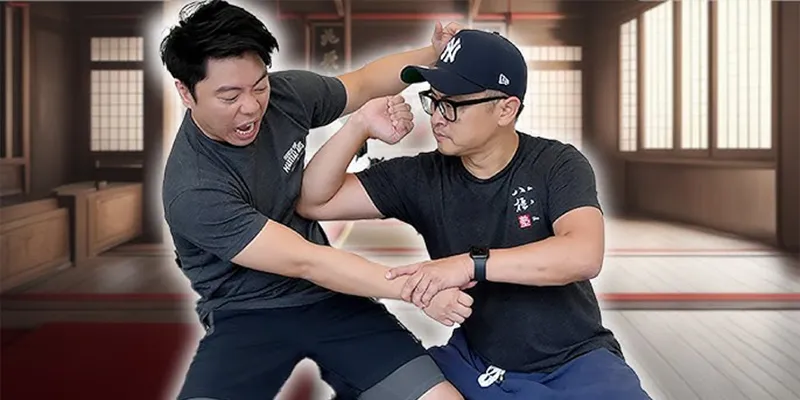
During various dynasties, practicing Yuejia Quan was punishable by death, forcing it underground. The almost lost kung fu style survived through family lineages, but China’s one-child policy and family dispersal have broken many transmission lines. Today, fewer than fifteen authentic practitioners exist, concentrated in three families who still teach in secret.
Modern sports wushu’s preference for flowing movements over combat efficiency has further marginalized this practical fighting system.
Hongmen Quan (Red Gate Fist)
Hongmen Quan combines Shaolin temple boxing with unique internal methods developed by Ming Dynasty loyalists. Its name refers to the “red gate” of opportunity that practitioners seek in combat.
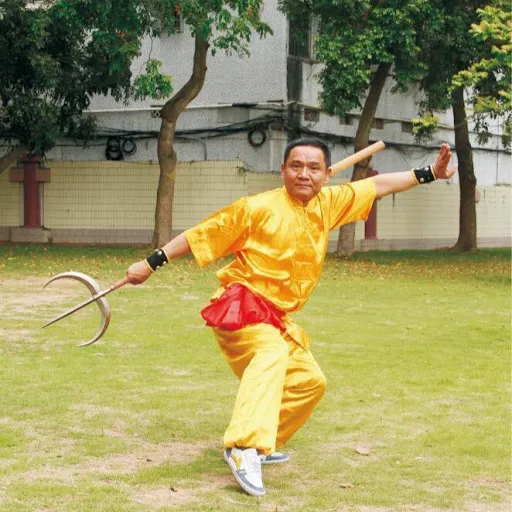
This almost lost kung fu style became nearly extinct when its practitioners were targeted during political purges in the 1950s-60s for their historical association with nationalist movements. The remaining practitioners were elderly monks who died without finding worthy students.
Current research indicates only five practitioners remain worldwide, all over seventy years old, preserving techniques that require decades to master and cannot be learned from books or videos.
Emei Sanshou (Emei Mountain Free Fighting)
Unlike the Wushu Sanshou seen in competitions today, authentic Emei Sanshou represents the practical fighting methods developed by Buddhist and Daoist monks on Emei Mountain. It integrates strikes, throws, joint locks, and pressure point techniques with meditation practices.
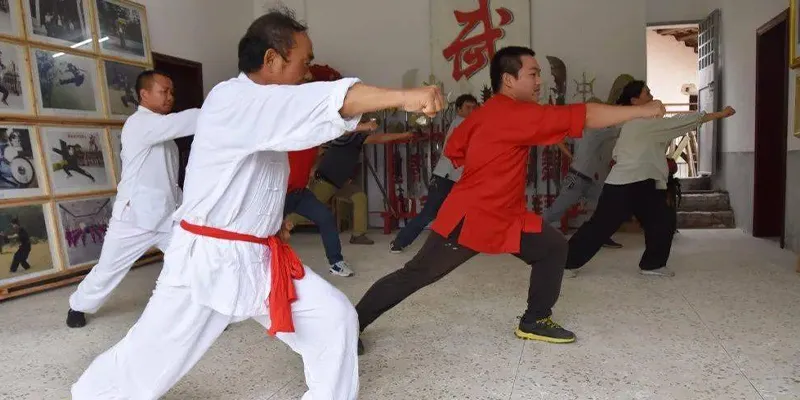
This almost lost kung fu style is vanishing because Emei’s monasteries were secularized during China’s religious reforms, dispersing the monastic communities that preserved it. The remaining elderly masters face significant challenges transmitting knowledge that was traditionally taught through years of daily practice and spiritual guidance.
Fewer than twenty practitioners remain who understand the complete system beyond its simplified modern adaptations.
Conclusion
These ten almost lost kung fu styles represent just a fraction of China’s nearly lost fighting traditions.
The greatest tragedy would be for these arts to disappear not with a bang, but with silence, while the world remains unaware of what has been lost. By learning about these lesser-known Chinese kung fu styles, we honor their legacy and perhaps inspire new guardians to carry their light forward.
Would you like to learn more about Chinese Kung Fu?