“If I’m over 40, can I practice Tai Chi?” This question reflects a common concern I hear regularly as a Tai Chi instructor. The short answer is an emphatic yes. Not only is it possible, but starting Tai Chi after your 40s, 50s, or beyond might actually be the best time to begin this practice.
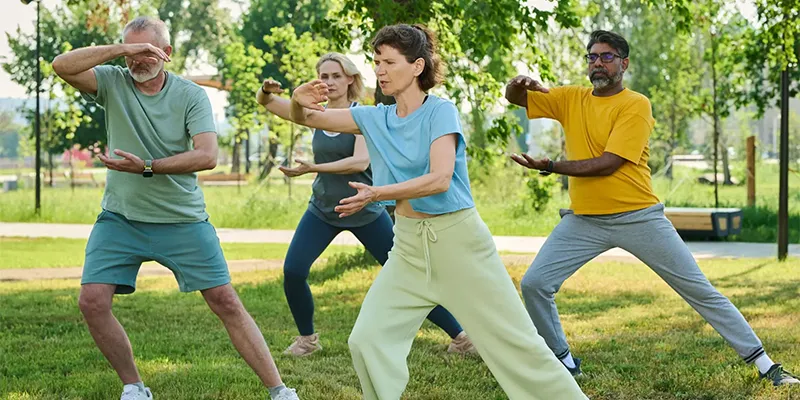
Let’s explore why this martial art is exceptionally well-suited for people in their second half of life and address the misconceptions that sometimes surround it.
Why Tai Chi Is Particularly Suited for People Over 40?
Many people think that Tai Chi is only for the elderly, which is perhaps the most persistent misconception about this practice. While it’s true that Tai Chi is beneficial for seniors, its advantages are profound for anyone entering midlife and beyond.
The physical changes that often begin in our 40s—gradual muscle loss, stiffer joints, and changes in balance—are actually areas where Tai Chi shines.
According to research, muscle strength peaks in our 30s and then begins a gradual decline. This natural progression makes high-impact exercises increasingly challenging, but Tai Chi after 40 offers a gentle yet effective alternative that works with your body’s changes.
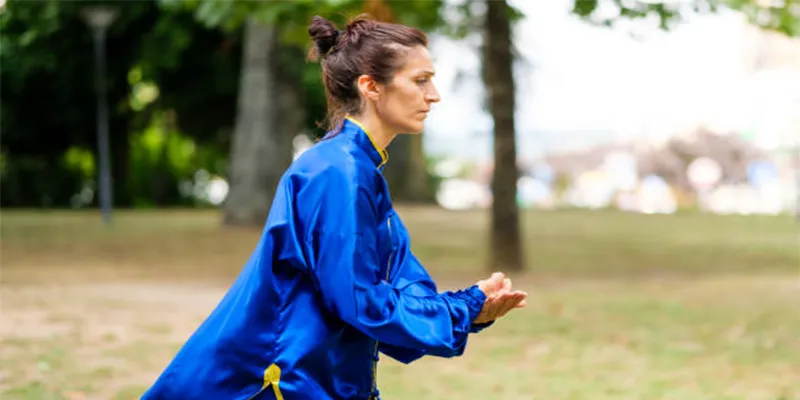
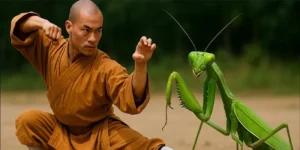
What many people don’t realize is that Tai Chi originated as a martial art. The deliberate, controlled movements were designed to develop internal power, balance, and resilience. The slow pace isn’t about limitation; it’s about precision, awareness, and cultivating what practitioners call “song” (relaxation) and “rou” (softness).
For those in their 40s and beyond, Tai Chi aligns perfectly with the needs of this life stage.
Benefits of Tai Chi After 40
Physical Health
One of the most immediate benefits for practitioners is improved balance and stability. Regular Tai Chi practice can significantly reduce the risk of falls. Studies conducted in Australia revealed that men aged 70 and older who practiced swimming had a 33% lower chance of falling, and Tai Chi offers similar if not greater benefits for balance.
Unlike weightlifting, Tai Chi engages multiple muscle groups simultaneously in integrated, functional patterns. This helps combat sarcopenia while improving joint mobility and flexibility. The practice gently exercises the muscles and joints throughout your body, leading to better overall mobility and reduced stiffness.
Cardiovascular health also receives a boost from Tai Chi. Research from Harvard University has found that Tai Chi can have a significant effect on lowering blood pressure, blood sugar levels, and cholesterol. This makes it particularly valuable for addressing common health concerns that often emerge in midlife.
Mental and Emotional Benefits
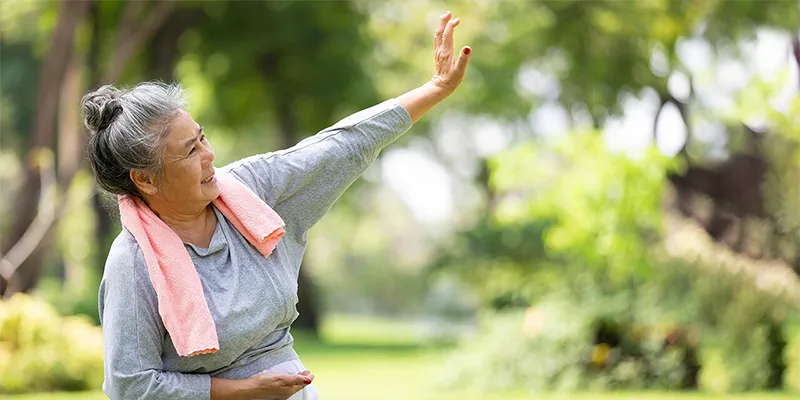
Tai Chi is often described as “meditation in motion,” and this aspect becomes increasingly valuable as we navigate the stresses. The practice requires focused attention on the present moment and the flow of movements, which creates a natural stress-reduction effect. Studies indicate that Tai Chi can help decrease stress and improve mood.
According to Dr. Ming-Fai Shaw of the University of Hong Kong, who has studied Tai Chi for over a decade, practicing Tai Chi for just three hours per week can improve cognitive function in older adults with mild cognitive impairment more than regular aerobic exercise.
For professionals in their 40s, 50s, and beyond who may be concerned about maintaining mental sharpness, Tai Chi represents a significant advantage.
Tips for Practicing Tai Chi After 40
If you’re considering beginning Tai Chi in your 40s or beyond, here are some tips to ensure a safe and effective practice:
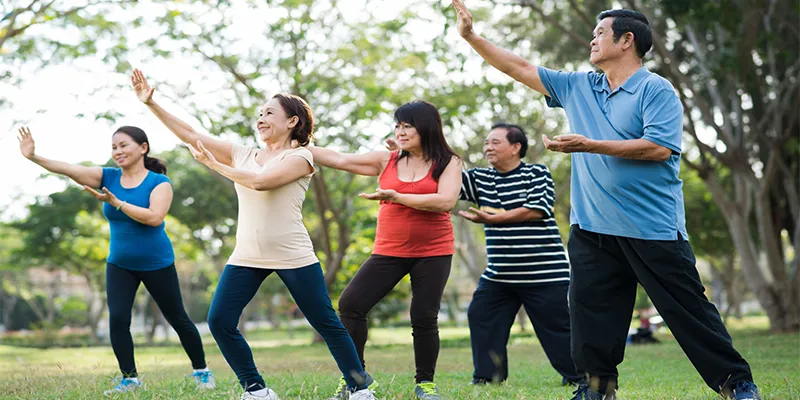
Find the right instructor: Look for an experienced teacher who understands the needs of adult learners and can provide appropriate modifications. A good tai chi instructor will teach proper alignment and gradual progression.
Embrace the 70% rule: This important principle suggests that you should only do about 70% of what you’re capable of during practice. This approach prevents overexertion and allows your body to adapt gradually—particularly important for those with existing physical limitations.
Focus on fundamentals: Begin with basic stance work and simple movements rather than complex forms. Building a strong foundation is more important than rushing to learn sequences.
Listen to your body: Tai Chi should never cause pain. If you feel dizzy or unsteady, take a break or modify your position. Many movements can even be practiced seated if needed
.
Be consistent rather than ambitious: Short, regular practice sessions (even 10-15 minutes daily) are more beneficial than occasional marathon sessions. Consistency helps your nervous system integrate the movements more effectively.
Patience is paramount: Tai Chi’s benefits often reveal themselves gradually. Give yourself permission to be a beginner and progress at your own pace.
Transforming Perspectives on Tai Chi and Age
Tai Chi is generally considered to be primarily suitable for the elderly, due to its low-impact nature and the fact that elderly practitioners are frequently seen in public places. While it’s true that Tai Chi is accessible for people with mobility limitations, this accessibility shouldn’t be mistaken as evidence that it’s only suitable for the frail.
In reality, Tai Chi is a comprehensive mind-body practice in which the same movements that help an 80-year-old maintain balance can help a 40-year-old manage stress and build resilience.
The large number of older practitioners actually speaks to Tai Chi’s effectiveness as a sustainable practice. In fact, over half of all Tai Chi practitioners begin after age 50, proving that it’s never too late to start.
Conclusion
The question isn’t whether you can practice Tai Chi after 40, but rather what benefits this practice might offer you. Whether you’re seeking improved physical condition, stress reduction, better balance, or a moving meditation practice, Tai Chi is a comprehensive approach to well-being that aligns perfectly with the needs of midlife and beyond.
Tai Chi meets you exactly whether you’re 40, 60, or 80—and offers greater benefits between body and mind.
As the saying goes in Tai Chi groups, “The best time to plant a tree was 20 years ago. The second best time is now.” Your Tai Chi journey awaits, regardless of your ages.