Adult Kung Fu Training Questions Before Joining
Before committing to a martial arts school, many adults worry about choosing the wrong setting, arriving unprepared, or being pushed beyond their present ability. These are sensible concerns. Adult Kung Fu Training is not merely a fitness activity; it asks for attention, patience, respectful conduct, and a willingness to learn through repeated practice.
At SJF Kung Fu School, training is grounded in traditional Chinese martial arts, practical body mechanics, meditation, and Wu De, the martial virtue that guides how strength should be used. A school should give you clear answers before you travel or enroll. Ask about teaching lineage, class structure, physical expectations, accommodation arrangements, and the kind of practice you will actually do each day.
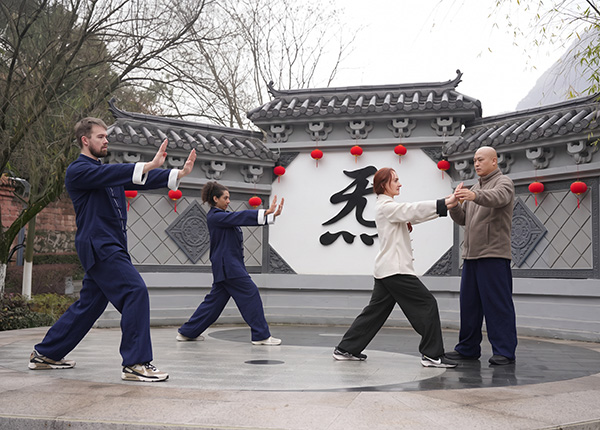
Master Shen Jiangfei, founder and head instructor of SJF Kung Fu School, is a descendant of Liuhe Quan and the 11th generation inheritor of Chen style Tai Chi. Chen style Tai Chi is recognized as the original and oldest of the five primary family styles of Tai Chi. This lineage matters because traditional practice is more than copying a movement. It involves learning where power begins in the feet, how the waist directs force, when the breath should settle, and why a calm mind improves every technique.
Ask whether the school teaches a complete traditional practice
The first question is simple: what will you actually study? Some adults arrive hoping for forms, while others seek practical self defense, standing practice, weapons, meditation, or Tai Chi. A clear school should explain its curriculum rather than give vague promises.
SJF Kung Fu School teaches nine distinct areas of martial arts practice: Shaolin Quan, San Da, Qin Na, Tai Chi, Qi Gong, Zhan Zhuang, Ge Dou, Chinese Weapon, and Meditation. This range gives students room to build a balanced practice, but it does not mean every student should attempt everything immediately. A beginner may benefit more from stance work, basic strikes, coordination drills, and simple forms before handling a weapon or practicing more demanding partner drills.
| Training area | What to ask before enrolling | Best suited to | Limit to understand |
|---|
| Shaolin Quan | How are forms, stances, and flexibility introduced? | Adults seeking traditional movement and disciplined physical practice | Deep stances may need gradual adaptation for stiff joints or limited mobility |
| Tai Chi | Will posture, silk reeling, and applications be taught? | Students seeking balance, body awareness, and internal method | Slow movement still requires regular correction and focused repetition |
| San Da | What contact level and protective practice are expected? | Adults interested in striking, timing, and practical distance | It is not suitable for someone who wants only solo forms |
| Qin Na | How are joint controls practiced safely with partners? | Students interested in control methods and close range technique | Requires communication and careful partner conduct |
| Qi Gong | How are breath, alignment, and relaxation explained? | Adults building calm attention and foundational body awareness | It is not a substitute for medical care or a promise of treatment |
| Chinese Weapon | When may a student begin weapon work? | Students with sound basics who enjoy traditional forms | Weapon study needs space, supervision, and consistent safety awareness |
If you are interested in standing practice, ask how teachers correct posture rather than simply asking how long students stand. Zhan Zhuang develops awareness of alignment, relaxation, and structure. It can appear quiet from the outside, yet it asks for real concentration. It fits adults who want to understand how the body supports movement, but it should be adjusted if pain becomes sharp or persistent.
For those drawn to the soft strength of internal arts, Learn Tai Chi through careful foundations rather than rushing toward a long sequence. Traditional Tai Chi is not only slow exercise. It studies rootedness, spiraling movement, timing, intention, and the relationship between yielding and issuing force.
Decision stage answers before you book a place
Adults nearing enrollment deserve direct answers. The following points separate confirmed information from questions that should be settled in writing before travel. Honest preparation brings peace of mind and allows training to begin with proper focus.
| Question | Direct answer | What you should confirm |
|---|
| Is an adult kung fu trial class available? | A trial lesson is not stated as a guaranteed offering. | Ask SJF Kung Fu School whether a trial can be arranged for your intended dates. Do not assume availability before receiving confirmation. |
| Are there age requirements? | No published minimum or maximum age is provided in the available school information. | Share your age, relevant health concerns, and training history before booking so the school can advise on a suitable course. |
| Do I need to be fit? | You do not need to arrive as an athlete, but you should be ready for active daily practice within your own ability. | Ask how instruction can be paced if you are returning to exercise, managing old injuries, or seeking a lower impact focus such as Tai Chi or Qi Gong. |
| Will I have to spar? | Sparring expectations depend on the selected subject, especially San Da and Ge Dou. | Ask about contact level, protective equipment, partner drills, and whether sparring is part of your chosen program before enrolling. |
| How large are classes? | No fixed class size is published. Regular classes have no minimum enrollment, while group bookings require at least two students. | Ask about expected attendance during your dates and how corrections are provided in a mixed level group. |
| Is there a contract? | Specific contract, cancellation, refund, and payment terms are not stated here. | Request the current written booking terms before paying. Read dates, inclusions, changes, and cancellation conditions carefully. |
This is not unnecessary formality. Martial training begins with clarity. A respectful student explains their goals honestly; a responsible school explains its boundaries honestly. If you are considering a short stay, ask whether the One Week Kung Fu Course matches your available time and present condition. One week can offer meaningful exposure to daily practice, but it cannot replace the deeper refinements developed through months of repetition.
Check whether the program matches your body and purpose
A common question is, can adults learn kung fu after years away from sport or with no martial arts background? Yes, adults can begin, provided expectations are realistic. Progress may first appear as better balance, clearer coordination, more relaxed shoulders, improved attention, or greater confidence in basic movement. Advanced flexibility, powerful kicking, and refined combat timing take longer.
Kung fu classes for beginners should not treat every adult body as identical. A person who works at a desk may need more gradual hip and ankle preparation. A former athlete may have strength but need to soften unnecessary tension. Someone with experience in boxing, karate, or wrestling may understand distance and discipline, yet still need time to absorb Chinese forms, stance methods, and the rhythm of traditional practice.
Choose Shaolin forms if you want athletic movement, traditional hand techniques, stances, and coordinated full body practice. This suits adults ready for active training, but may not be the first choice for someone seeking low impact movement only.
Choose Tai Chi and Qi Gong if you value posture, breathing, balance, relaxation, and internal awareness. These practices still demand patience and regular correction; they are not passive activities.
Choose San Da training if you want striking drills, footwork, timing, and partner practice. Confirm the expected level of contact before booking, especially if you have not trained in combat sports.
Choose Qin Na training if you are interested in grips, controls, and close range martial principles. It works best when both partners communicate clearly and practice with restraint.
Choose a longer program if you want time for correction, conditioning, cultural study, and gradual development. A short course is better for exploration when your schedule is limited.
At SJF Kung Fu School, programs range from one week of intensive study to longer term training. This flexibility is useful for international adults who need to match study with work, family, and travel commitments. It does not remove the need for personal responsibility. If you have a diagnosed condition, recent surgery, dizziness, or pain that affects movement, seek appropriate medical advice and inform the school before physical practice begins.
Prepare for the first class with respect and simplicity
Many first time students spend too much time worrying about appearance. The more useful question is what to wear to kung fu class so you can move freely and safely. Start with clean, modest clothing that allows comfortable bending, stepping, and raising the arms. Avoid restrictive jeans, loose jewelry, watches, or clothing that catches on hands and feet.
Wear a simple training shirt and flexible trousers or shorts appropriate for movement.
Bring water and a small towel for active sessions.
Keep fingernails short before partner drills, especially for Qin Na practice.
Ask whether shoes are used in the training space or whether practice is barefoot.
Tell the instructor about injuries before warm up, not after discomfort begins.
Arrive early enough to listen, observe, and greet the teacher properly.
Traditional etiquette has a practical purpose. When students bow, listen during instruction, care for training equipment, and control their actions with partners, they help create a safe environment. Wu De includes humility, patience, discipline, and respect. These qualities are not decorations around martial arts. They shape whether skill becomes useful or careless.
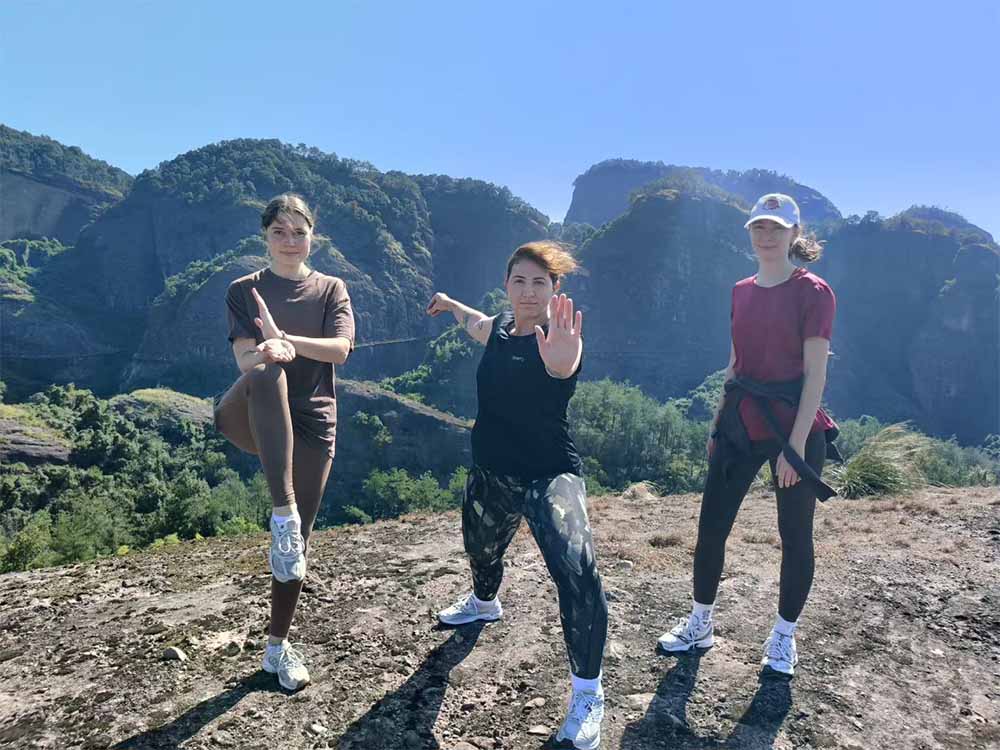
The school provides a 200 square meter indoor training center, allowing year round practice regardless of weather. The facility includes indoor training mats, wooden dummies, traditional weapons, and a meditation hall. Such surroundings support consistent practice, but the student still brings the most necessary equipment: attention, restraint, and the willingness to repeat basic work without impatience.
Look for lineage, teaching care, and cultural immersion
Adult Shaolin training has greater meaning when physical work is connected to culture and principle. Ask who teaches, what traditions guide the school, and how correction is given. A good instructor does not merely demonstrate a technique once. They observe posture, explain purpose, and help the student understand the relationship between structure, breath, intent, and partner safety.
Master Shen Jiangfei has trained more than 3,000 students worldwide. This teaching history does not promise identical results for every visitor, because each student arrives with different health, goals, and available training time. It does show that the school has welcomed international students across short and extended courses.
Past student experiences also offer useful context. Andrew Williams from the United States trained Tai Chi, Zhan Zhuang, and Dao Fa with his son for 30 days. He described the experience as life changing in physical, mental, and spiritual terms and planned to return. His experience reflects one family’s response to a 30 day course; it should be viewed as an individual account, not a guaranteed outcome.
Klaes Risbjerg Simonsen from Denmark completed 30 days of Tai Chi, Zhan Zhuang, and Broadsword training. He valued an authentic, focused environment and said Master Shen adapted training to his specific needs. This is a helpful example for adults who want attentive instruction, while recognizing that the available schedule and training arrangement should always be confirmed before booking.
The school is located near the Shaolin Temple, with more than 30 cultural and historical attractions nearby. Cultural visits can add depth to a training stay, especially for students interested in the roots of Chinese martial arts, Taoist thought, Buddhist practice, and local history. Yet sightseeing should support training rather than replace it. Leave enough quiet time for recovery, reflection, and regular attendance.
Use this final enrollment checklist before confirming dates
State your main aim: health, forms, practical martial skills, meditation, cultural immersion, or a combination.
Select a realistic duration, from a one week introduction to a longer period of focused study.
Ask which subjects are appropriate for your current experience and physical condition.
Confirm whether partner drills, San Da, weapon practice, or meditation are included in your intended course.
Request written clarification on dates, accommodation, payment, cancellation, and booking conditions.
Share injuries, mobility concerns, dietary needs, and relevant health information before arrival.
Ask what equipment and clothing you should bring for your selected practice.
Consider whether you want a focused course such as San Da training or a broader traditional schedule.
The first step into a training hall is not a test of perfection. It is an agreement to practice sincerely. With clear questions, steady expectations, and respect for traditional teaching, an adult student can meet Kung Fu as both a physical discipline and a quiet method of self cultivation.
Contact SJF Kung Fu School to discuss a suitable course and share your training goals with respect.




 WhatsApp