What is Shaolin Quan?
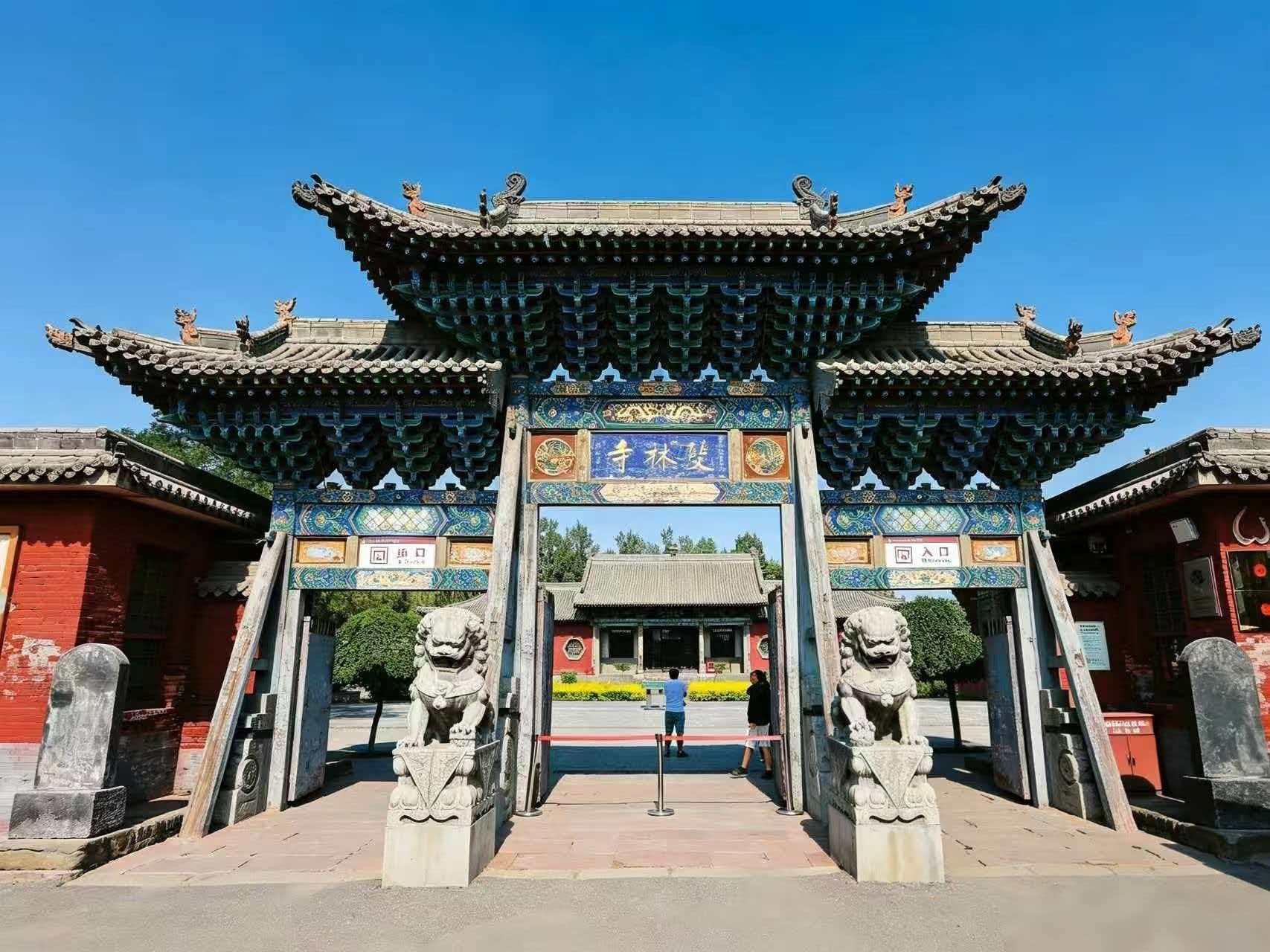
Shaolin Quan (少林拳), also known as Shaolin Kung Fu, is one of the oldest, most famous, and most comprehensive institutionalized styles of Chinese martial arts. Originating from the Shaolin Temple in Henan Province, China, it is far more than a collection of combat techniques. It is a profound cultural ecosystem that unifies Chan (Zen) Buddhism, physical conditioning, and advanced self-defense strategies. In the global health and fitness industry, it is recognized as a premium system for unlocking human physical potential while developing an unshakeable, disciplined mind.
Features of Shaolin Quan
Shaolin Quan is instantly recognizable due to its distinct technical principles and physical expressions.
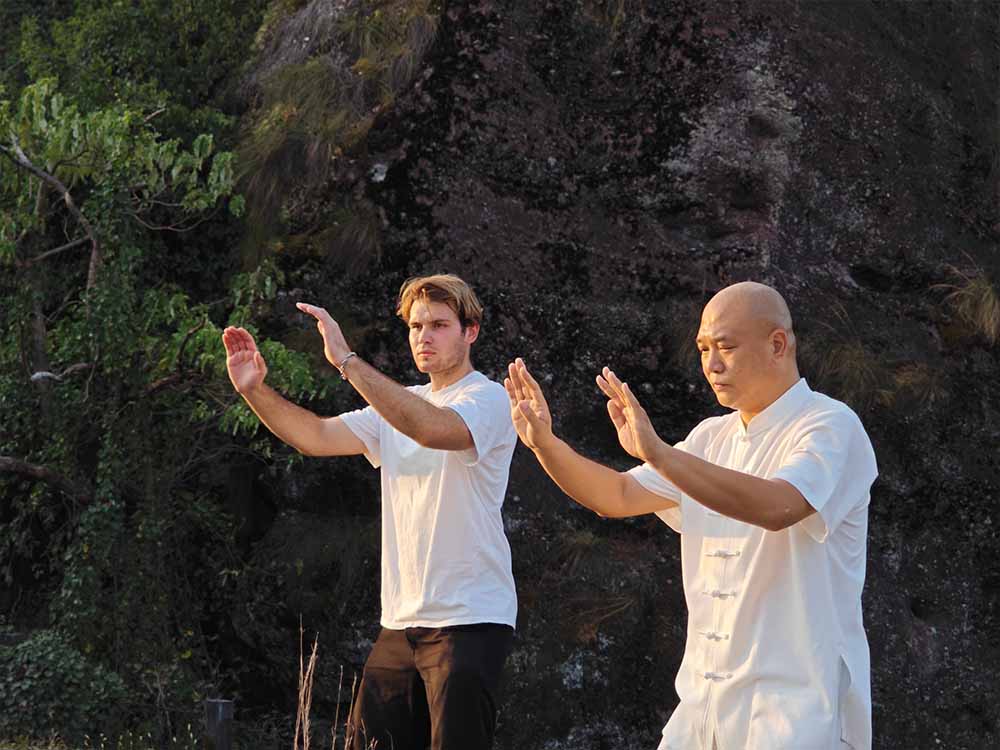
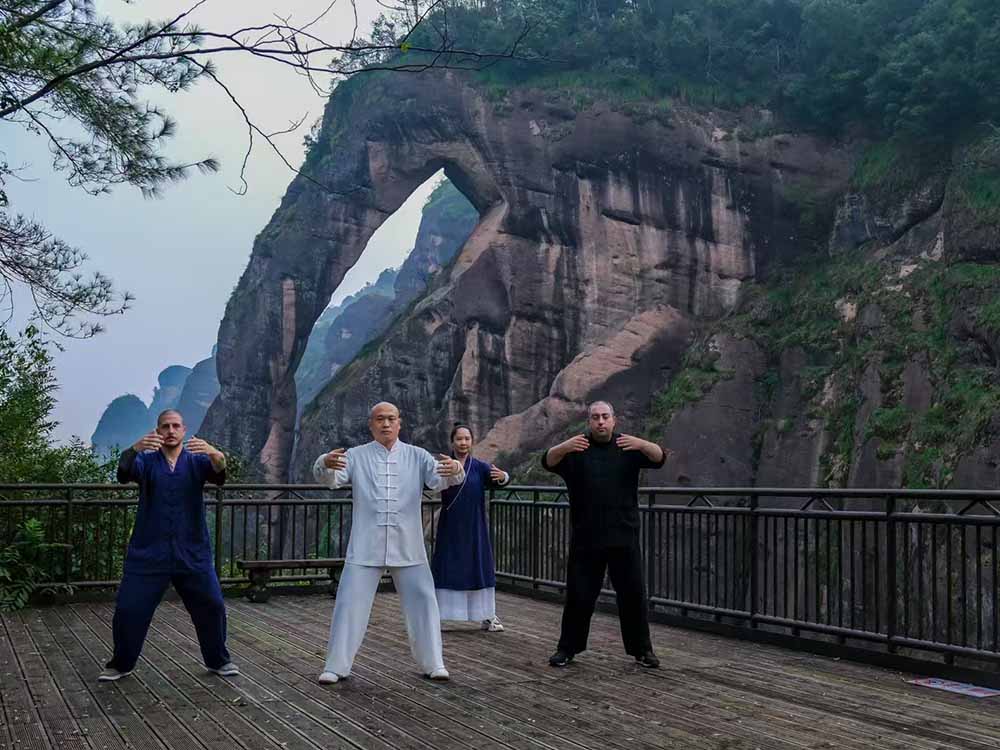
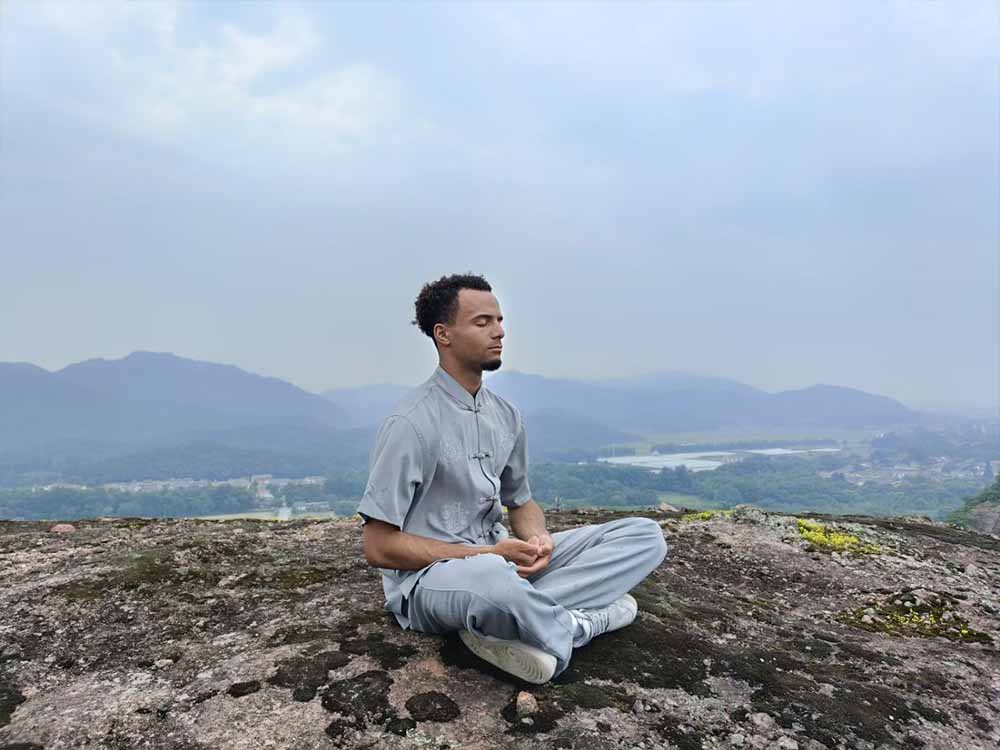
A primary feature is the unity of Chan and Quan, meaning that physical training is treated as a form of moving meditation, where martial practice serves to quiet the mind and realize spiritual clarity.
The physical movements are characterized by straight-line paths and compact structures, meaning that practitioners attack and defend along a central line, ensuring maximum efficiency with zero wasted energy.
Another defining feature is hard and soft coexisting, which blends explosive, rigid strikes with fluid, yielding defensive movements to redirect an opponent's force.
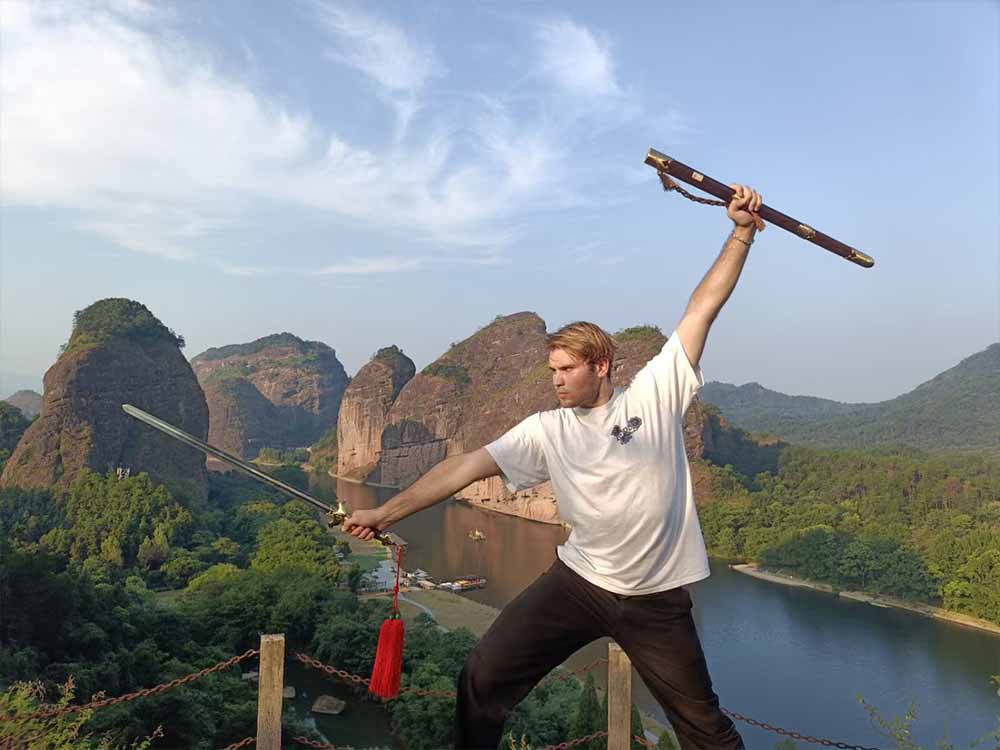
Finally, it features immense variety within a single system, containing hundreds of traditional forms that utilize the bare hands, classical weapons, and specialized animal mimicry styles.
History of Shaolin Quan
The history of Shaolin Quan spans over 1,500 years, beginning with the founding of the Shaolin Temple in 495 AD. The developmental trajectory can be viewed across distinct historical milestones.
In its foundational phase during the early 60th century, the Indian monk Bodhidharma arrived at the temple and introduced Chan meditation along with physical exercises to improve the health and stamina of the monks.
During its military evolution under the Tang Dynasty, Shaolin monks famously rescued the future Emperor Li Shimin, earning royal favor and official permission to maintain a standing monastic army.
In the Ming Dynasty, Shaolin Quan reached its peak organizational structure, with monks actively deployed by the imperial court to defend coastal regions against pirates.
In the modern global era, despite facing past destructions, the system has been fully revitalized, transitioning into a worldwide cultural phenomenon that promotes holistic development and global martial arts exchange.
How does Shaolin Quan Work?
Shaolin Quan functions by combining strict biomechanical alignments with advanced physiological conditioning to maximize human power.
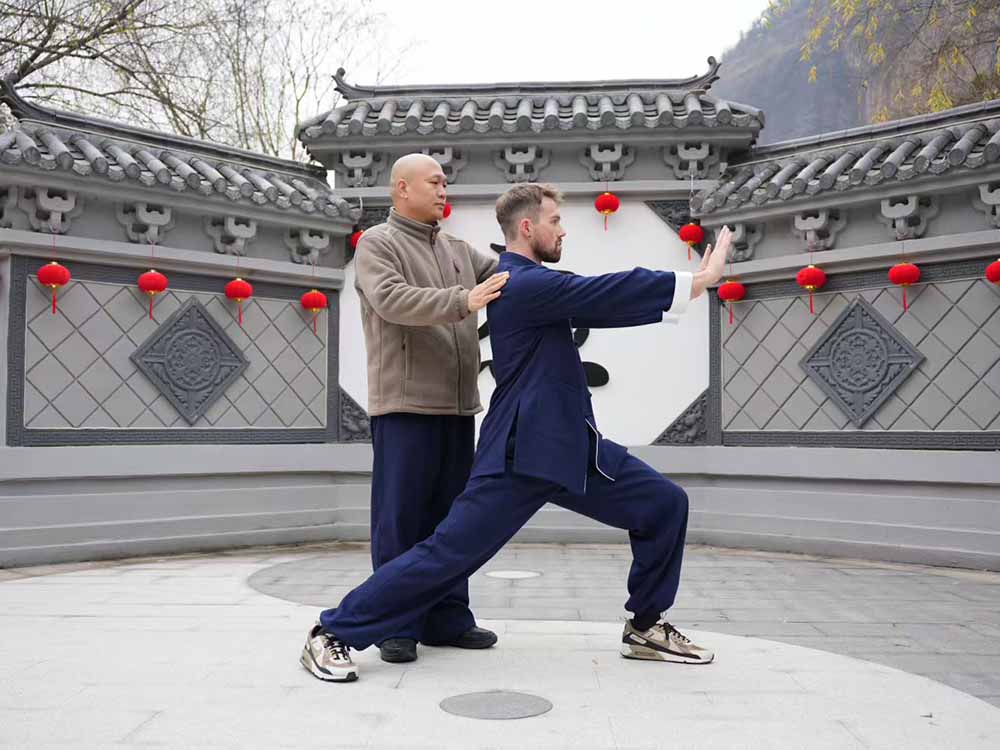
From a physics and body alignment perspective, movements rely heavily on rooting power from the ground through low, stable stances like the horse stance. Power is generated in the legs, directed by the waist, and expressed through the limbs, utilizing kinetic chaining to produce explosive force. The constant switching between tension and relaxation keeps the muscles responsive and prevents premature fatigue.
From a neurological and mental focus perspective, the repetitive drilling of complex forms builds deep muscle memory and neuroplastic adaptation. By pairing physical exertion with deep diaphragmatic breathing, the practice conditions the nervous system to remain calm, alert, and capable of high-level motor function under extreme physical stress.
Why Learning Shaolin Quan?
Studying Shaolin Quan provides an elite tier of physical and psychological benefits that standard modern fitness routines cannot replicate.
It builds comprehensive physical mastery, developing exceptional core strength, explosive power, cardiovascular endurance, and full-body flexibility simultaneously within a single discipline.
It cultivates absolute mental discipline and focus, demanding high levels of concentration that help practitioners eliminate mental clutter, master emotional triggers, and develop extreme resilience against daily life pressures.
The practice provides an authentic, highly functional system of practical self-defense, teaching situational awareness, spatial control, and efficient body alignment to protect oneself in real-world scenarios.
Furthermore, it offers a deeply engaging, lifelong path of personal growth that avoids the monotony of typical gym workouts by continually challenging the practitioner with new skills and deeper internal philosophies.
How to Master Shaolin Quan?
Mastering this comprehensive martial art requires a structured, multi-stage approach that builds from external conditioning to internal awareness.
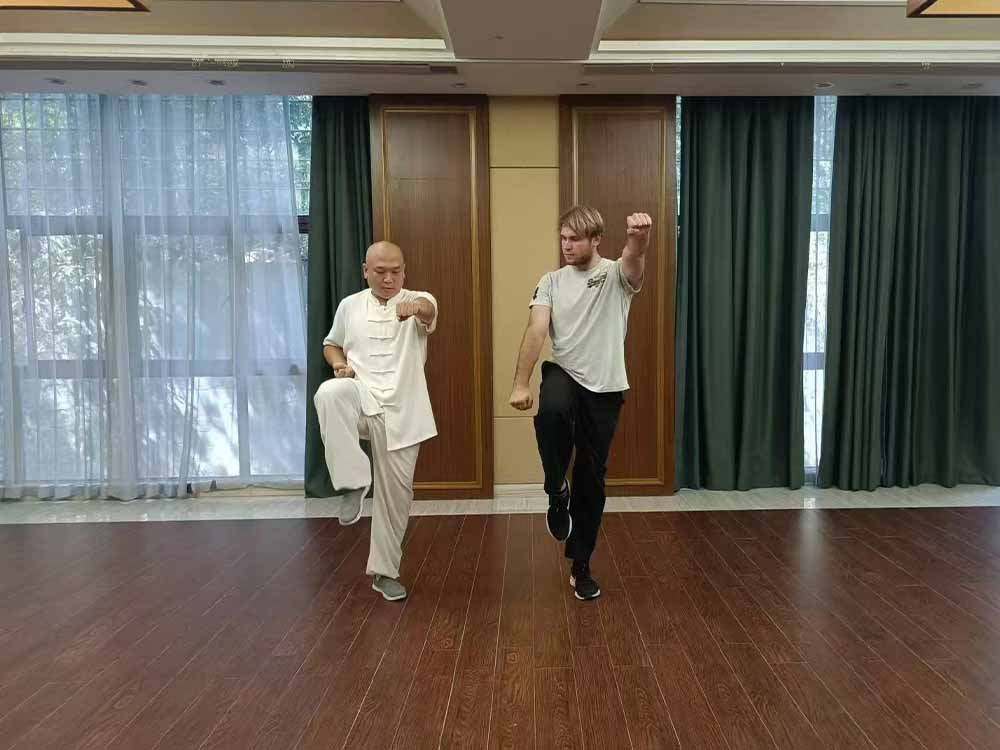
The first phase is to forge the physical foundation. Dedicate substantial time to basic stance work, core conditioning, and active flexibility training, as the advanced forms cannot be safely executed without physical rooting and open joints.
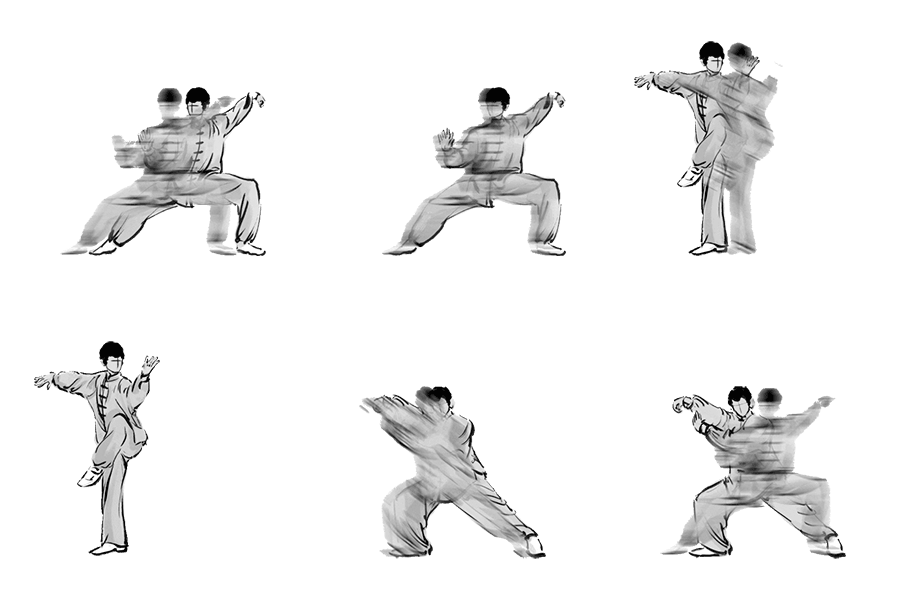
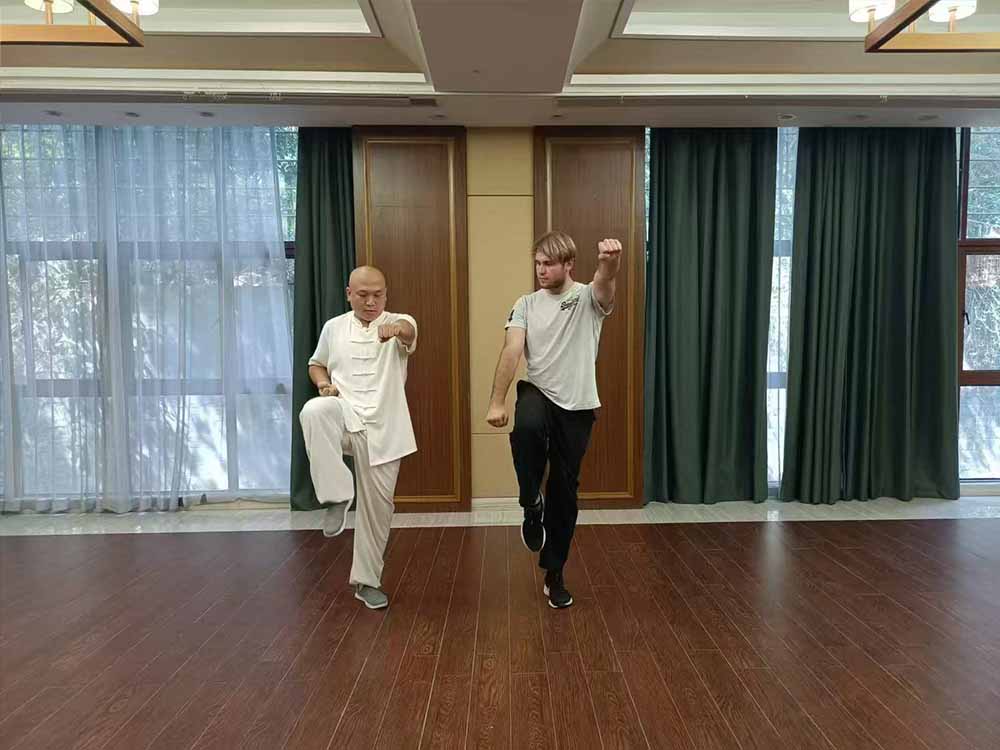
The second phase is to acquire traditional forms and sequences. Learn fundamental routines like Lianhuanquan to understand how individual strikes, blocks, and stances link together into fluid, continuous defensive and offensive combinations.
The third phase involves applying targeted intent and breath control. Integrate your breathing with your movements, exhaling sharply to express power during strikes and inhaling to store energy, ensuring your mind directs your physical action.
The final phase is to commit to rigorous, lifelong daily refinement. Practice consistently to move beyond external mimicry and embed the movements into your subconscious, allowing the physical skill and internal mental peace to become a natural extension of who you are.










 WhatsApp