Course Principles and Theoretical Benefits
Kinesiology Layer Structure Correction for Long-Term Postural Injury: While short-term training only relieves superficial muscle stiffness, thirty days of regular stance training and power training can reshape the alignment of the shoulders, neck, pelvis, and lower limbs. This permanently improves structural issues caused by prolonged sitting, such as rounded shoulders, hunchback, anterior pelvic tilt, and uneven leg length. Long-term morning training with abdominal breathing stabilizes heart rate and regulates basal metabolism, improving stubborn insomnia and chronic anxiety while supporting chronic disease management for individuals in stable phases of hypertension and hyperlipidemia.
Traditional Chinese Medicine Layer Internal Qi Circulation for Harmonizing Organs and Qi Blood: Following the traditional Chinese medicine concept of one hundred days of foundation building, this program utilizes breath regulation and meridian-oriented power delivery during fixed hours daily to continuously unblock the twelve regular meridians as well as the Ren and Du meridians. This improves deep sub health problems such as cold hands and feet, chronic shoulder and neck pain, and spleen and stomach weakness. Distinct from superficial short-term relaxation, it achieves autonomous internal qi regulation, enabling trainees to independently complete daily health preservation through stance training and breath regulation after graduation.
Traditional Culture Layer Deep Understanding of the Unity of Dao and Technique: Trainees systematically study martial arts etiquette, traditional mentor-disciple culture, and ancient weapon protocols, clarifying the intrinsic connections among martial arts, military strategy, and Confucian and Daoist philosophies.
Psychology Layer Repairing Long-Term Mental Fatigue and Enhancing Emotional Stability: The monthly regularized routine, physical training, and nature studies interrupt the mental fatigue caused by fragmented information. Long-term group collaborative training enhances cross-cultural communication and resilience under pressure, while continuous quiet reflection and review help trainees establish a stable self-emotion management system, improving issues such as impulsivity, irritability, and low focus.
Course Learning Content
Theoretical Learning
Kung Fu General Knowledge: The evolution of Chinese martial arts across dynasties, technical differences between Shaolin and Tai Chi schools, comparisons of Chinese and foreign self defense concepts, full standards of martial arts etiquette, and basic weapon protocols.
Martial Medicine Protection: Prevention of muscle compensatory injuries during long term training, deep fascial relaxation after exercise, seasonal breath adjustment, long term exercise risk management for elderly chronic diseases, and nutritional principles for martial arts training.
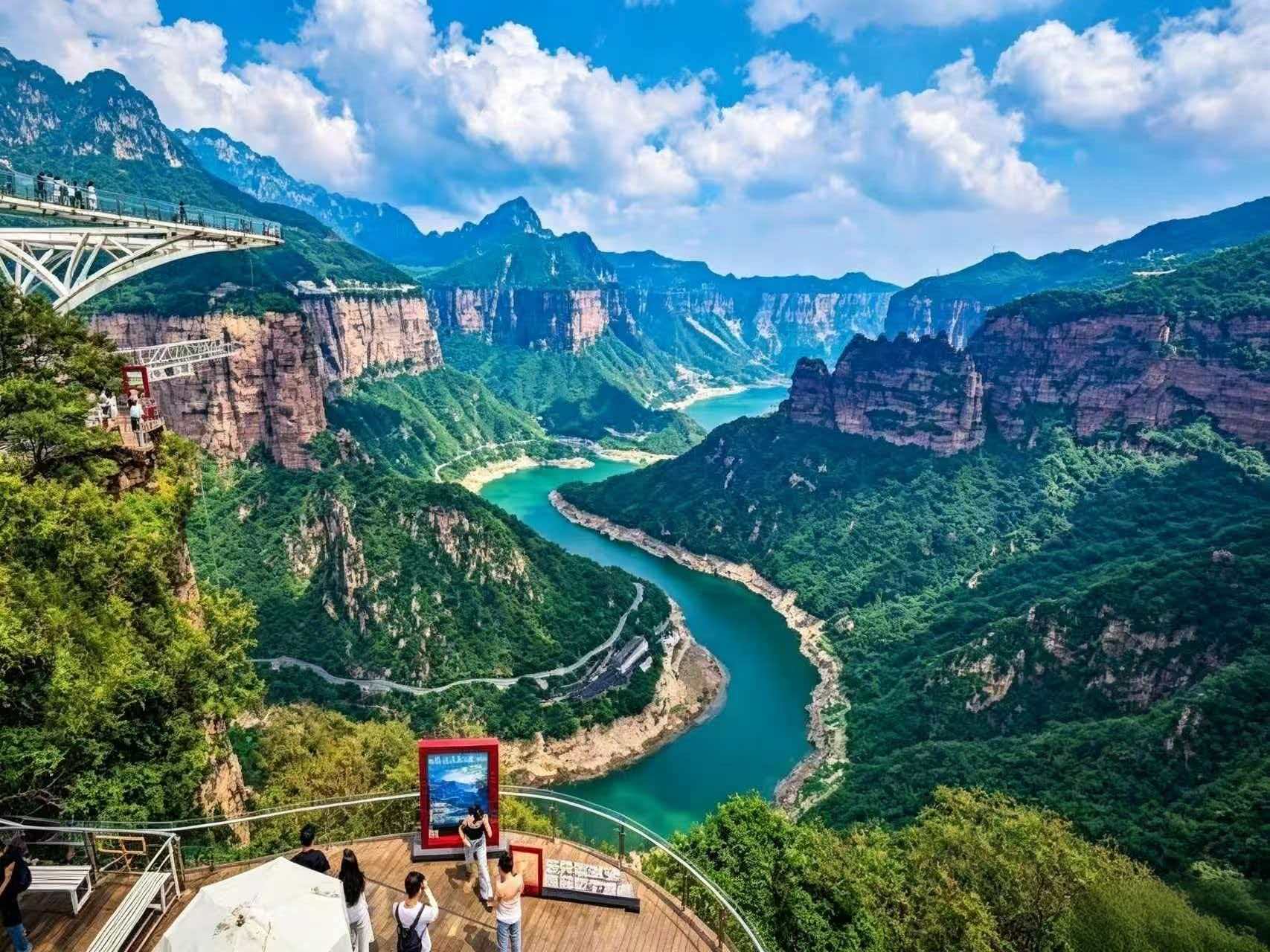
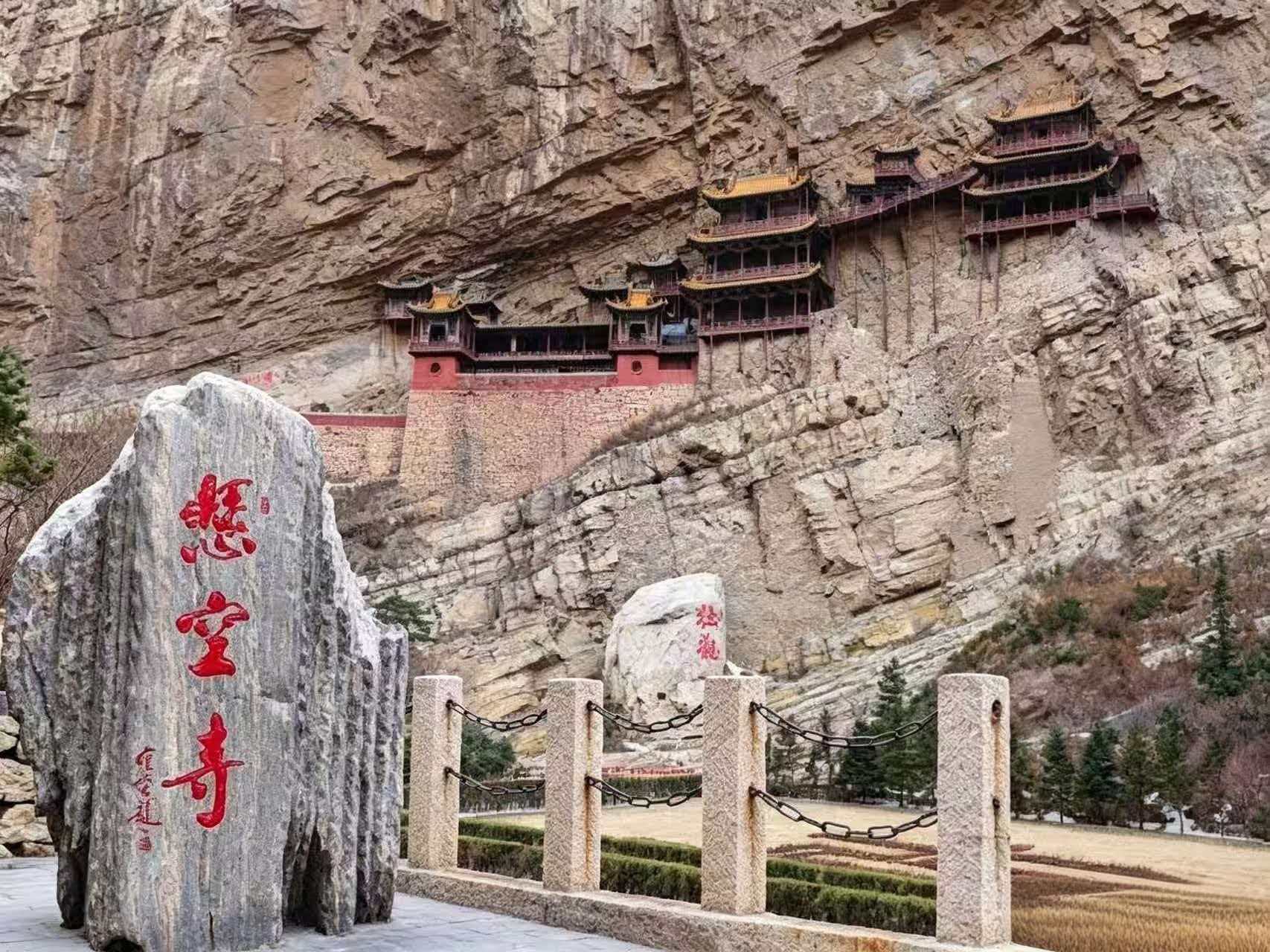
Humanities Study: Cultural lineage of martial arts relics across Shanxi, folk culture of local escort masters in Jincheng, history of integration between northern nomadic and central plains martial arts, and the symbiotic philosophy of Chinese tea ceremony and breath regulation.
Practical Skill Learning with One on One Error Correction
Basic Physical Fitness: Progressive stance training, differentiated stretching for flexibility and explosive power, and progressive cardiovascular endurance training.
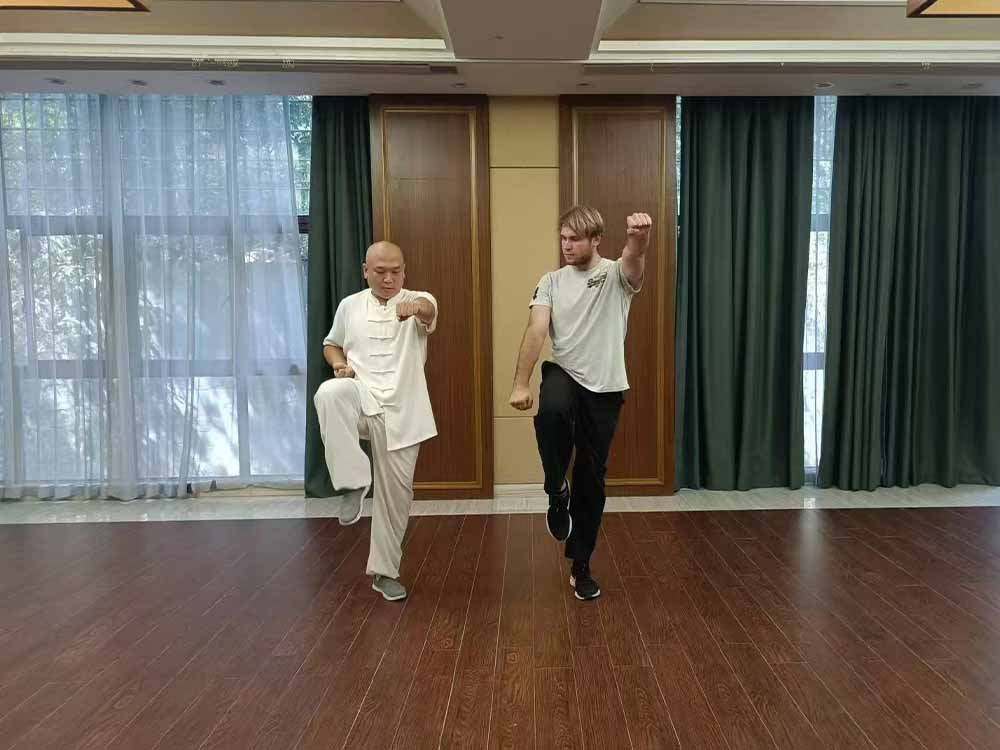
Basic Offense and Defense: Complete routines of fist and whip variations, basic usage of close range elbows and knees, combinations of punches, kicks, elbows, and knees, distance control, and footwork movement.
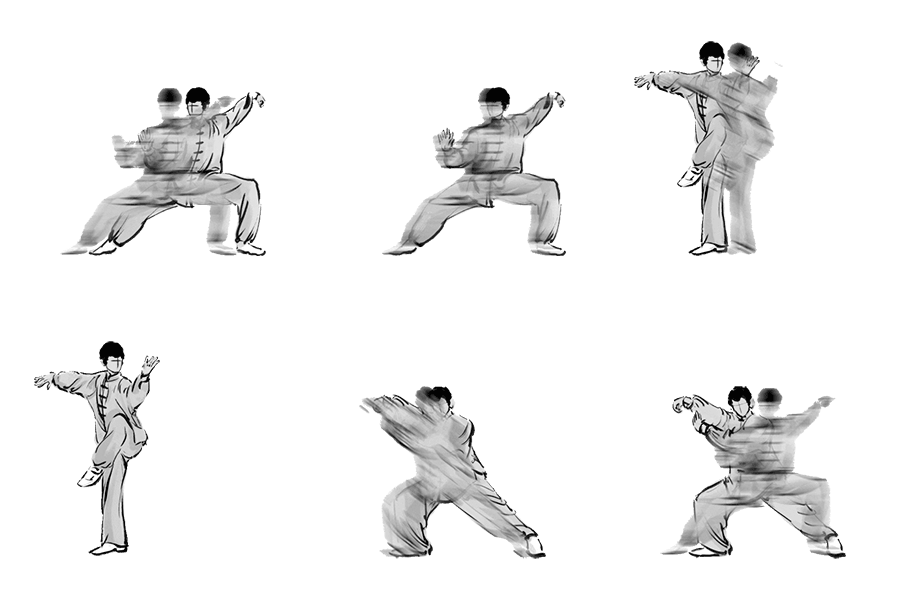
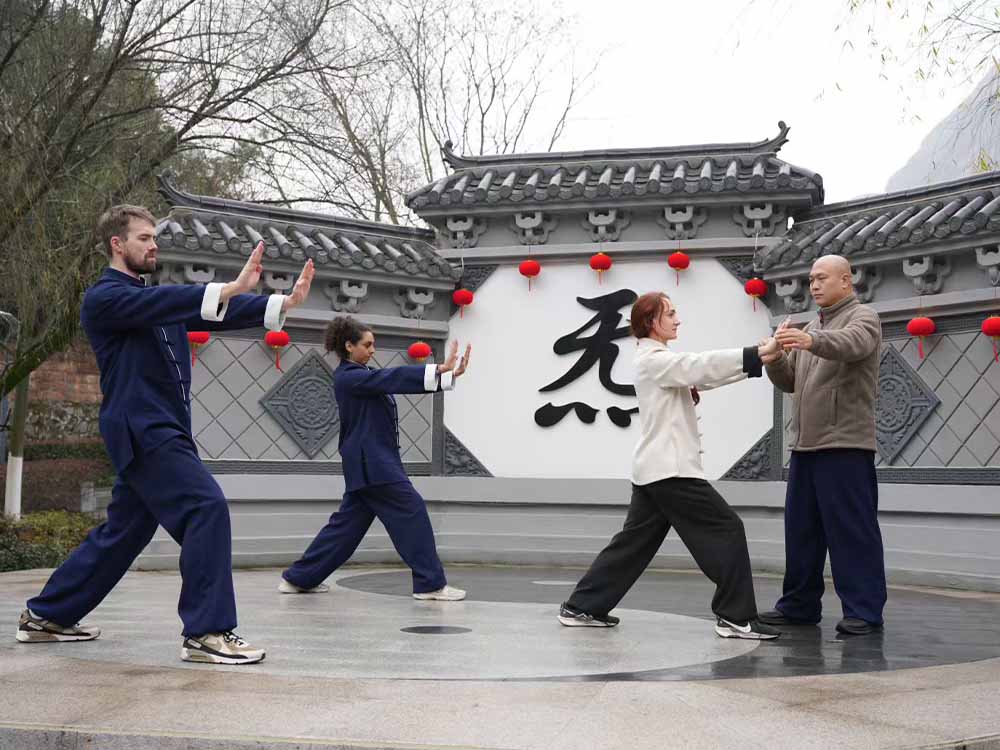
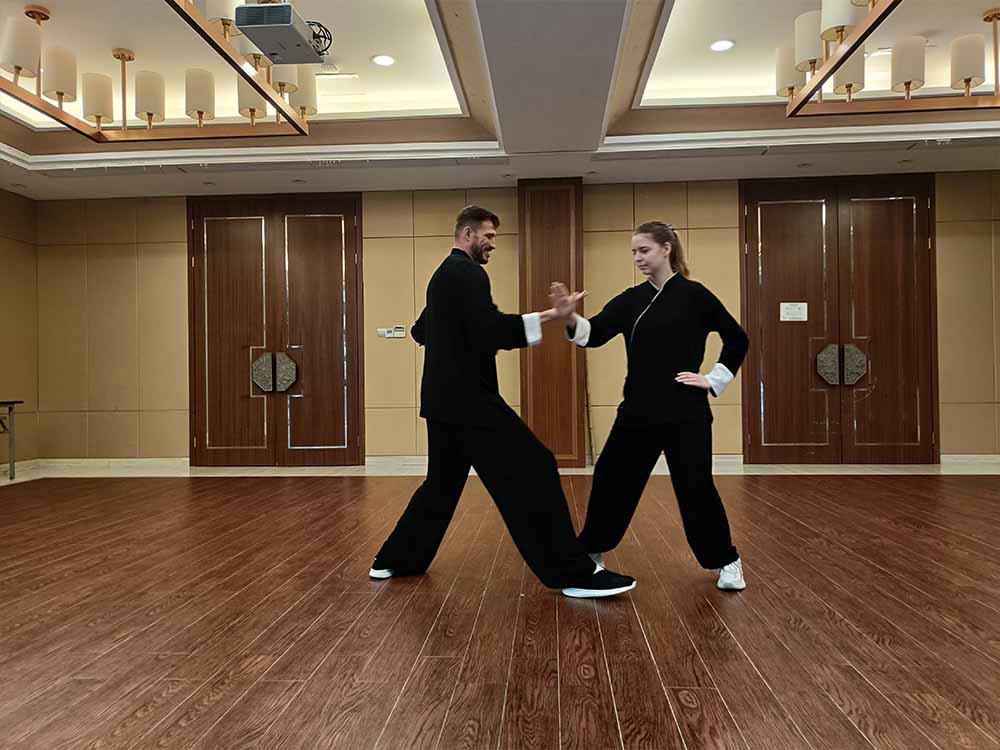
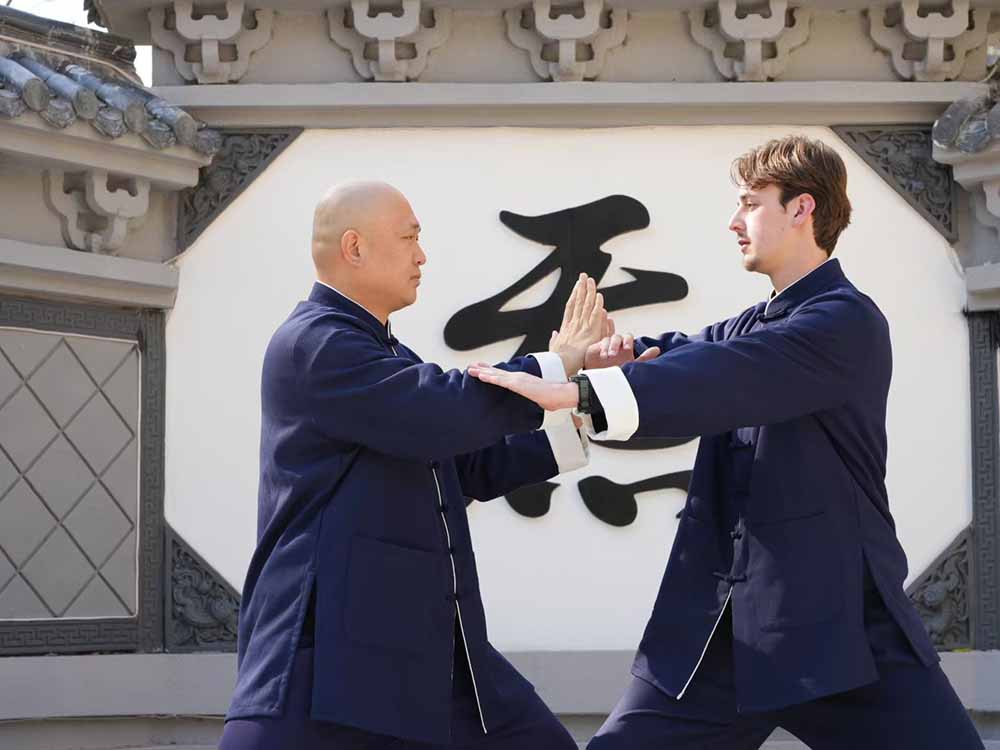
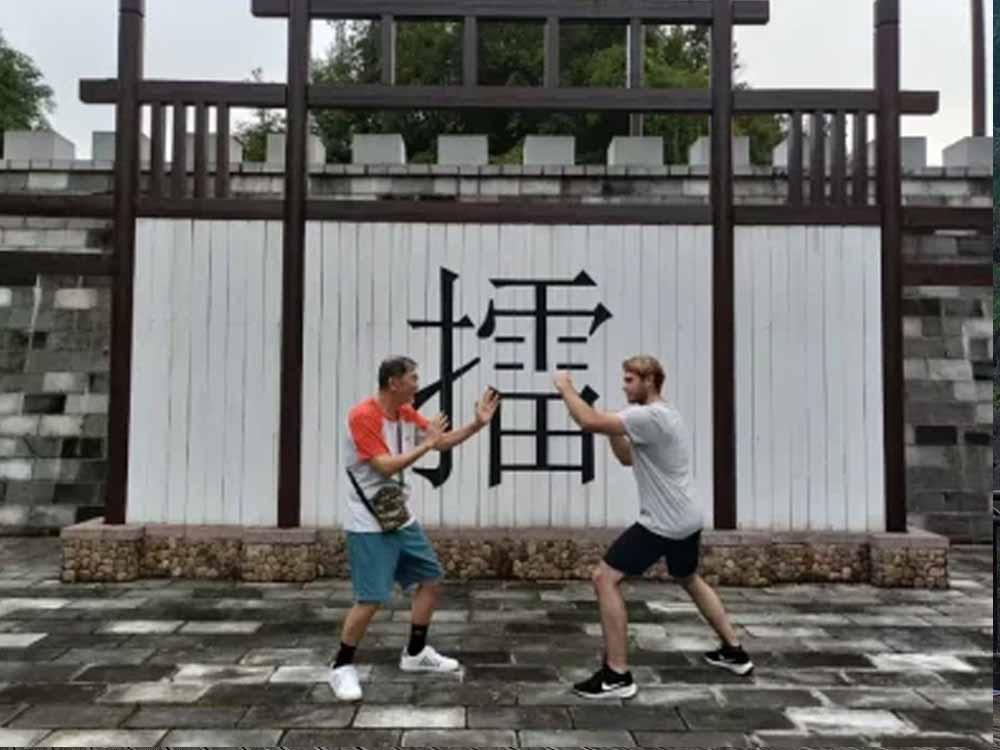
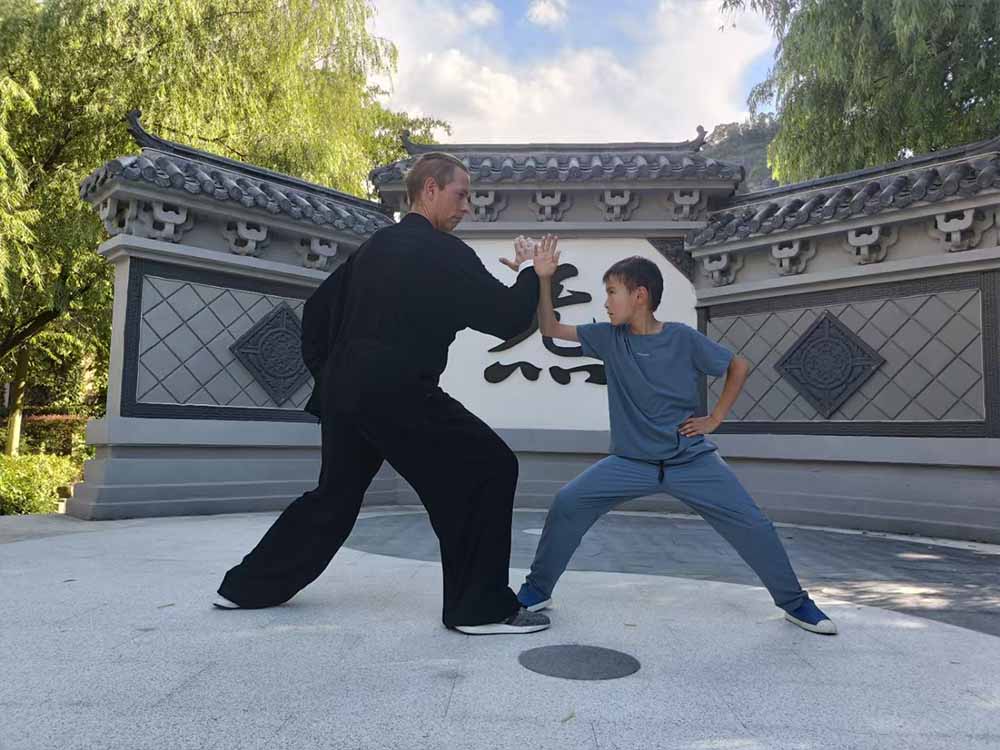
Tiered Routines: Complete seventy-two form Tai Chi and five step拳 routines for beginners; traditional Shaolin拳 and Tai Chi push hands two person confrontation for advanced groups.
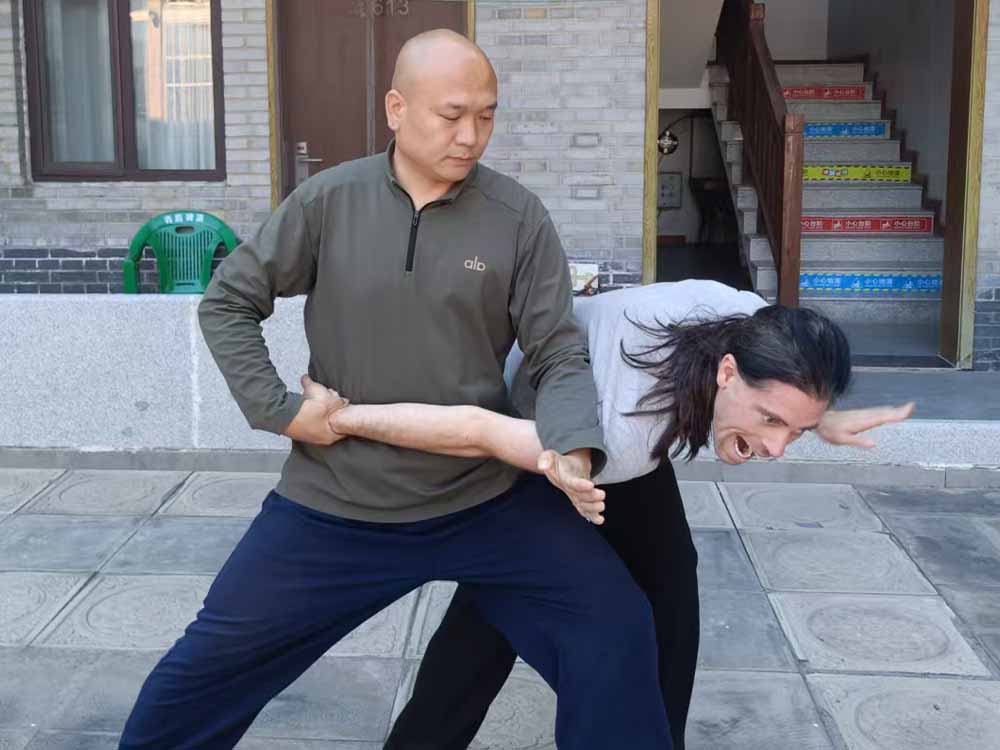
Emergency Self Defense: Escape, blocking, and detachment procedures for four high risk scenarios including crowded dragging, multi-person encirclement, and weapon threats.
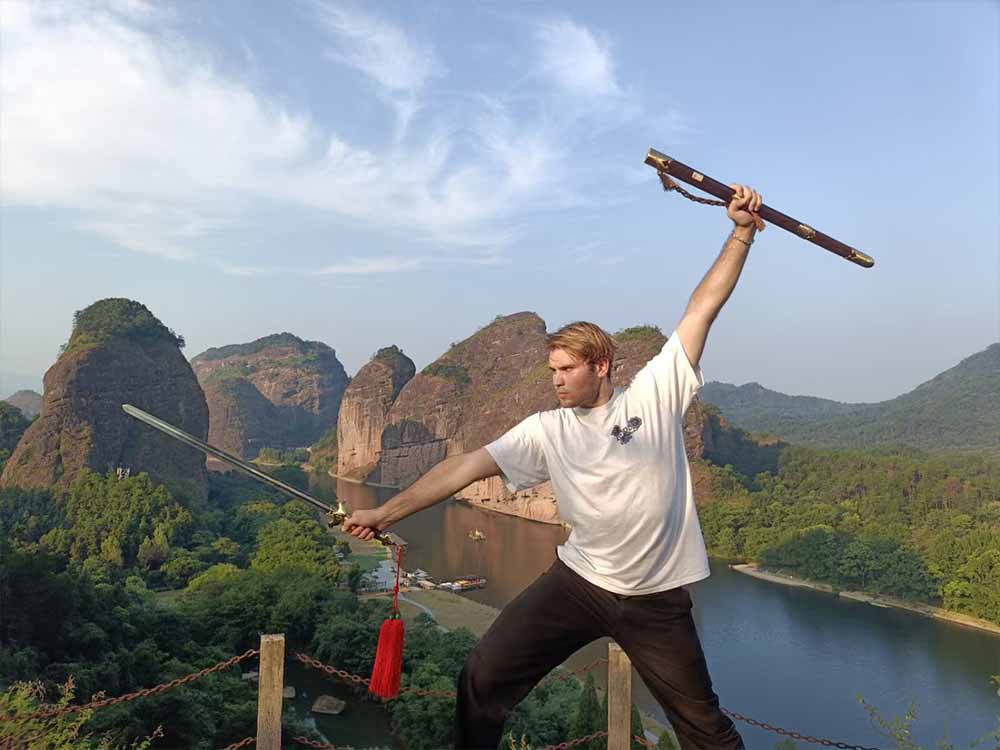
Introductory Weapons for All Participants: Basic blocking, long distance repelling, and foundational weapon disarming techniques.
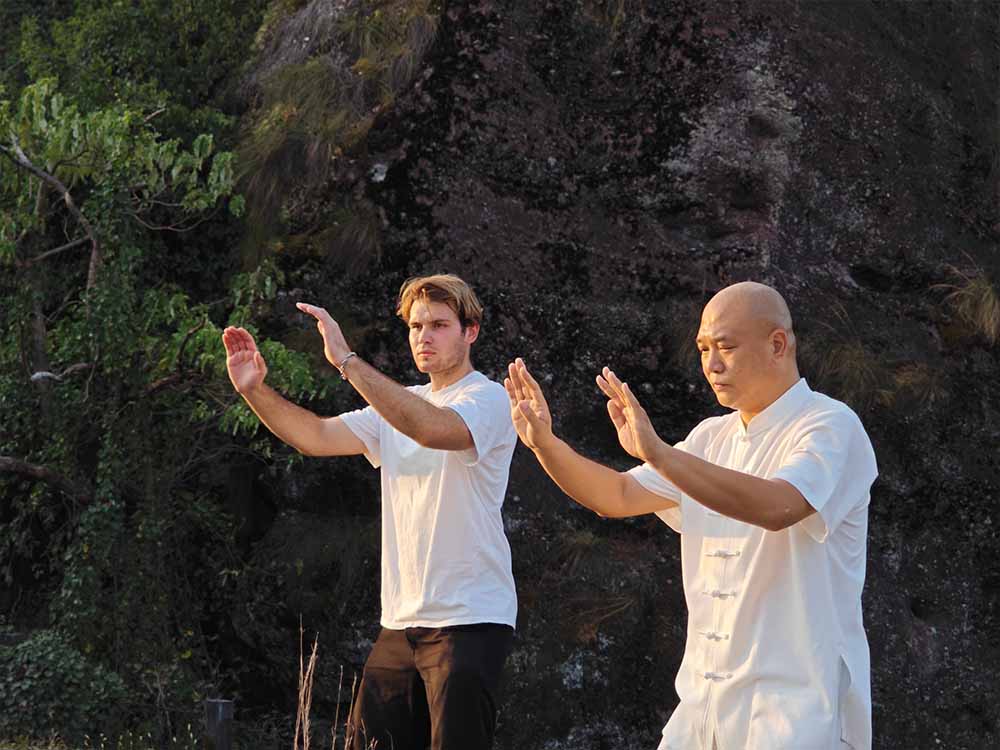
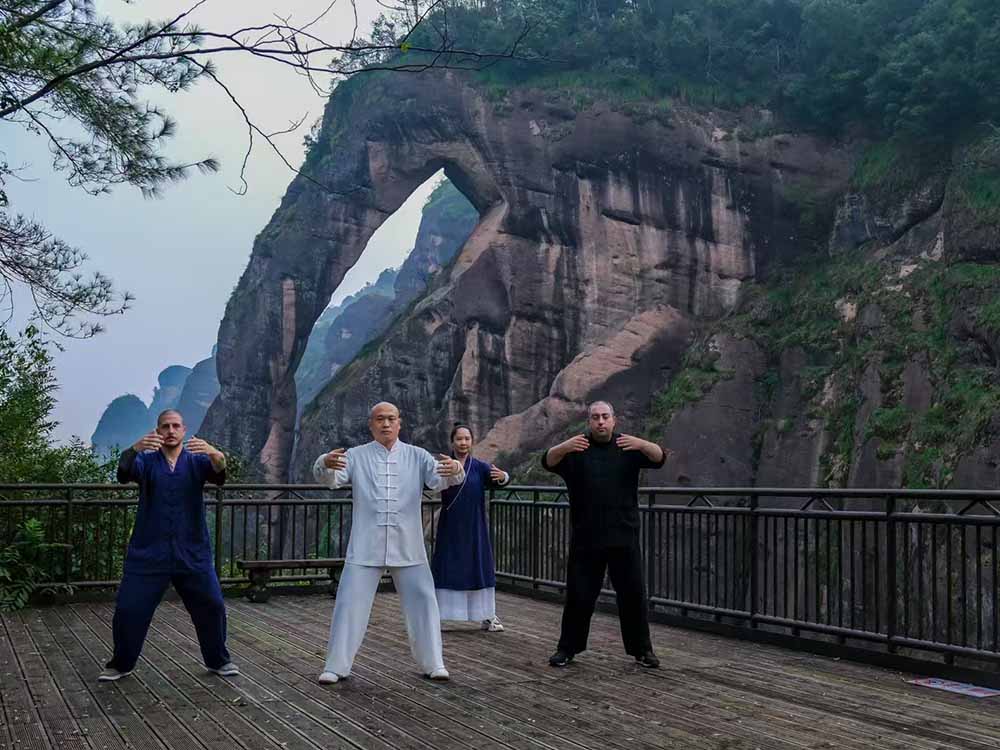
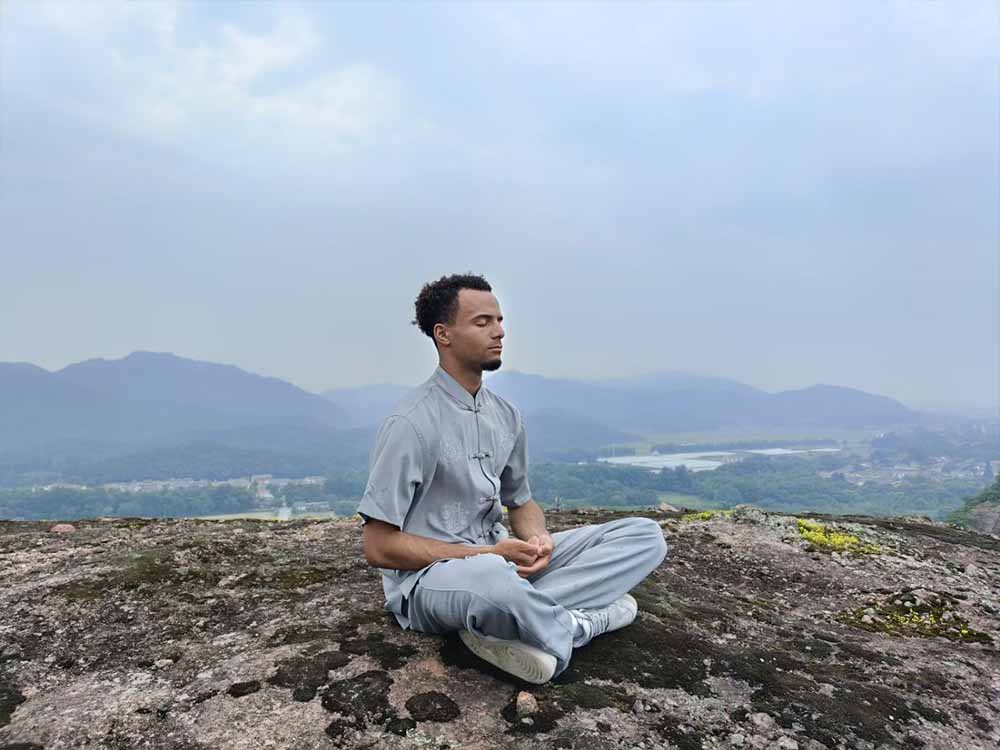
Health Preservation Skills: Breath regulation based on traditional Chinese time periods, dynamic meditation, and training relaxation guidance techniques.
Trainee Requirements
Age Requirement: Twelve to seventy-five years old. Seniors aged seventy to seventy-five must sign a long term exercise health informed consent form on the day of admission to ensure long term safety management.
Physical Requirement: Free from long term exercise contraindications such as severe lumbar disc herniation, third degree knee meniscus injury, active asthma, congenital heart disease, or severe anxiety and depression. Chronic illnesses such as mild arthritis, stable hypertension, and diabetes must be registered with medication frequency so coaches can regularly adjust training duration and intensity.
Language Foundation: No knowledge of Chinese is required. The course is taught in English, and basic English listening and speaking skills are sufficient.
Martial Arts Foundation: Enrollment is open to all levels including absolute beginners, intermediate, and advanced practitioners. No prior martial arts experience is required, and training content is customized one on one without uniform class grouping.
Behavioral Discipline: Strictly abide by martial virtues and camp interior management regulations. Private retention of weapons and practicing high risk combat moves are prohibited. All outdoor studies and drills must be conducted as a unified group. Alcohol abuse and staying up late are prohibited to ensure proper training routines.
Required Items to Bring
Wearable Gear Partitioned by Jincheng Four Seasons and Adapted for Jueshan and Jushoushan Mountain Training
Spring from March to May with windy dry weather and mountain diurnal temperature variations exceeding twelve degrees Celsius: Sportswear, thin windproof jackets, outerwear, and sports shoes.
Summer from June to August with high temperatures and heavy rain: Six sets of sportswear, lightweight sun protective clothing, and sports shoes. Thick jackets are unnecessary against mountain sun exposure.
Autumn from September to November with hot days, cold nights, and sharp temperature drops: Long and short sleeve shirts, windproof and rainproof double layer jackets. Lightweight warm vests are required for outdoor morning stance training when temperatures are low.
Winter from December to February with dry cold windy weather and large indoor outdoor temperature differences: Fleece lined warm sportswear, thick windproof and waterproof jackets, and fleece lined anti slip winter martial arts shoes. Trainees should use a three layer dressing method comprising a sweat wicking inner layer, a warm middle layer, and a windproof outer layer to avoid catching cold after sweating.
General Requirements: Wearing sharp accessories such as necklaces, bracelets, earrings, and decorative belts during training is strictly prohibited. Trainees with myopia must wear anti slip sports glasses to eliminate the risk of standard frames falling and shattering.
Personal Living Supplies Organized by Season
Spring items include moisturizing face cream and windproof lip balm. Summer items include high factor waterproof sunscreen, long lasting jungle mosquito repellent, and portable raincoats. Autumn items include neck thermal patches and hydrating facial mist. Winter items include anti freezing hand cream. Universal items for all seasons include toiletries, a vacuum flask, a high capacity power bank, standing medications for chronic conditions or joints, and personal laundry supplies.
Credentials Identification and Finances
Original passport or identity card, original visa, a small amount of foreign currency cash, bank cards, luggage locks, and portable organizer bags.
Tuition Includes
Instructional Services: Coach Shen Jiangfei leading full small group sessions with daily one on one English instruction, three stage assessment reviews, movement error correction, and public weapon usage fees.
Accommodation and Dining Services: Thirty days of accommodation in a single standard room with an independent bathroom and shower, daily low fat high protein periodic sports nutritional meals adjusted monthly based on physical changes, twenty-four hour free drinking water, and public laundry equipment usage rights.
Venues: Usage fees for indoor martial arts halls and outdoor training fields.
Tuition Excludes
Major Round Trip Transportation: Airfare, high speed rail, or self driving fuel and highway toll fees from the trainee's point of origin to the training camp.
Personal Spending: Snacks, local specialties, personal extra meals, self-paid laundry, additional physical therapy or massage, and personal cultural creative products.
Medical Compensation Fees: Medical expenses incurred from the recurrence of personal pre existing injuries or basic diseases, compensation fees for lost or damaged personal items, and self-paid medical items not covered by overseas medical insurance.
Expenses Outside the Itinerary: Personal short distance transportation, dining, and entrance tickets during weekend free activities, as well as transportation, accommodation, tickets, and safety risks incurred from leaving the group beyond the Jincheng area without authorization.
Visa: Visa processing, overseas insurance, and related entry exit processing fees.









 WhatsApp