TheYungang Grottoes are a UNESCO World Heritage site located at the southern foothills of the Wuzhou Mountains, about 16 kilometers west of Datong City, Shanxi Province, China. Excavated primarily between 460 and 524 A.D. during the Northern Wei Dynasty, this spectacular monument represents a monumental achievement of early Chinese Buddhist cave art.
Carved into the sandstone cliffs, the site spans roughly one kilometer and comprises 45 major caves, over 200 minor recesses, and more than 51,000 Buddhist statues. The grottoes beautifully document the evolution of Buddhist art as it traveled along the ancient Silk Road, showcasing a harmonious blend of traditional Chinese artistry with Gandharan, Persian, and Indian influences.
Tourism & Travel Highlights
A Vision of Monumental Imperial Caves
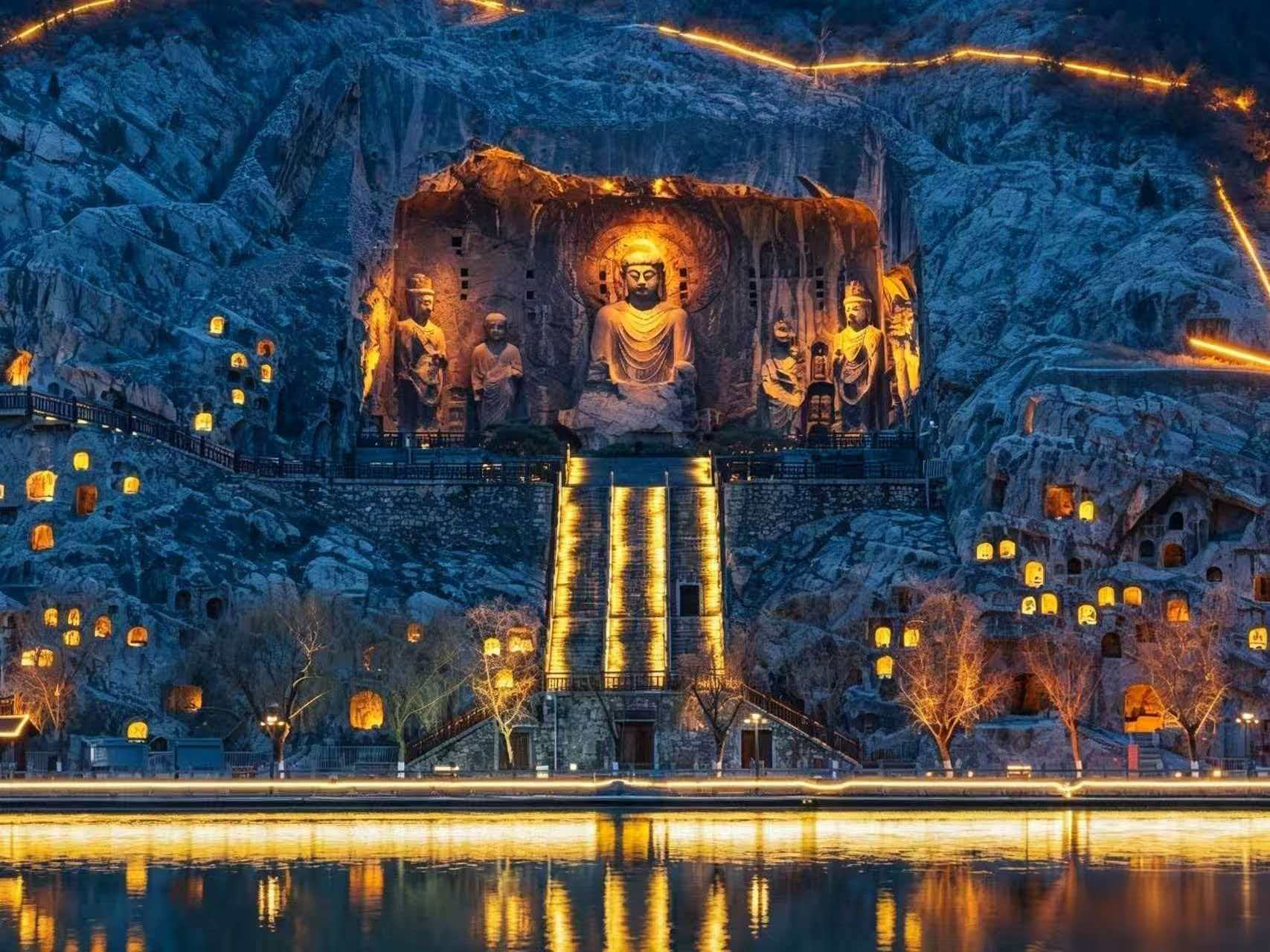
The absolute highlight of the Yungang Grottoes is exploring the colossal statues in Caves 16 through 20, widely known as the Tanyao Five Caves. Carved under the direction of the monk Tanyao, these giant Buddhas were modeled after the five emperors of the Northern Wei Dynasty. The open-air Seated Buddha of Cave 20, standing nearly 14 meters tall, is the iconic symbol of the site, showcasing intricate drapery and a serene, timeless smile that captivates every traveler.
The Brilliant Colors of the "Music Cave"
Beyond the giant statues, the intricate interior details of the grottoes offer a vibrant look into ancient life. Cave 12, often called the "Music Cave," features remarkably preserved carvings of heavenly musicians playing ancient instruments, offering insight into Northern Wei musical tradition. Other caves retain their vivid, centuries-old mineral pigments, housing intricate relief carvings of palaces, celestial beings, and Buddhist stories that feel like walking through a subterranean museum.
An Immersive Open-Air Historical Complex
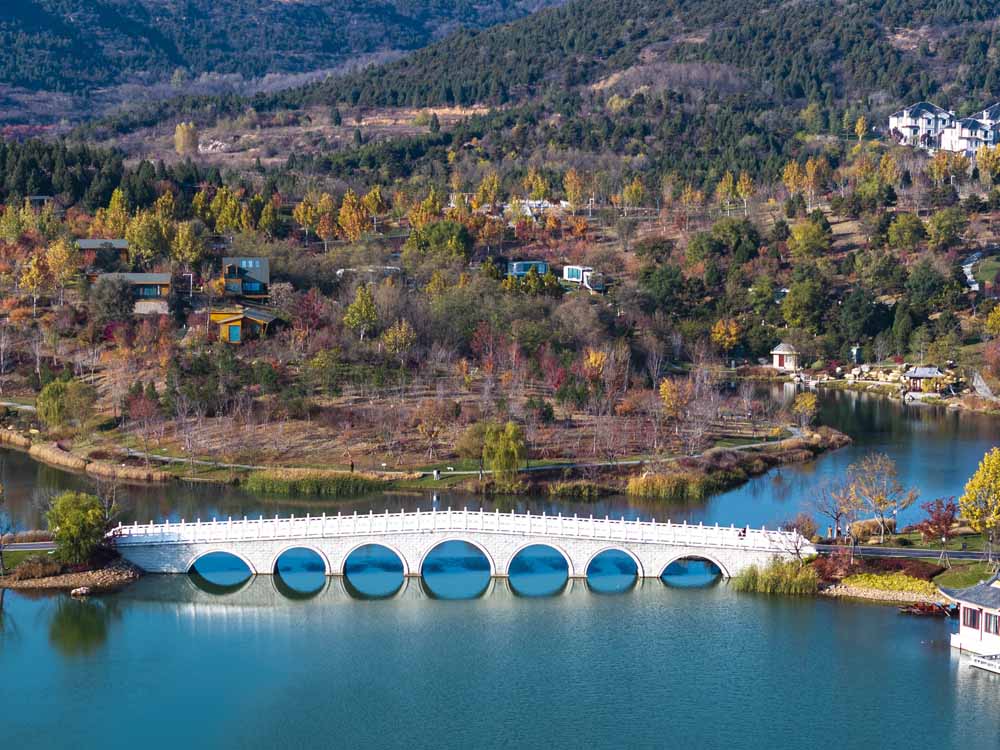
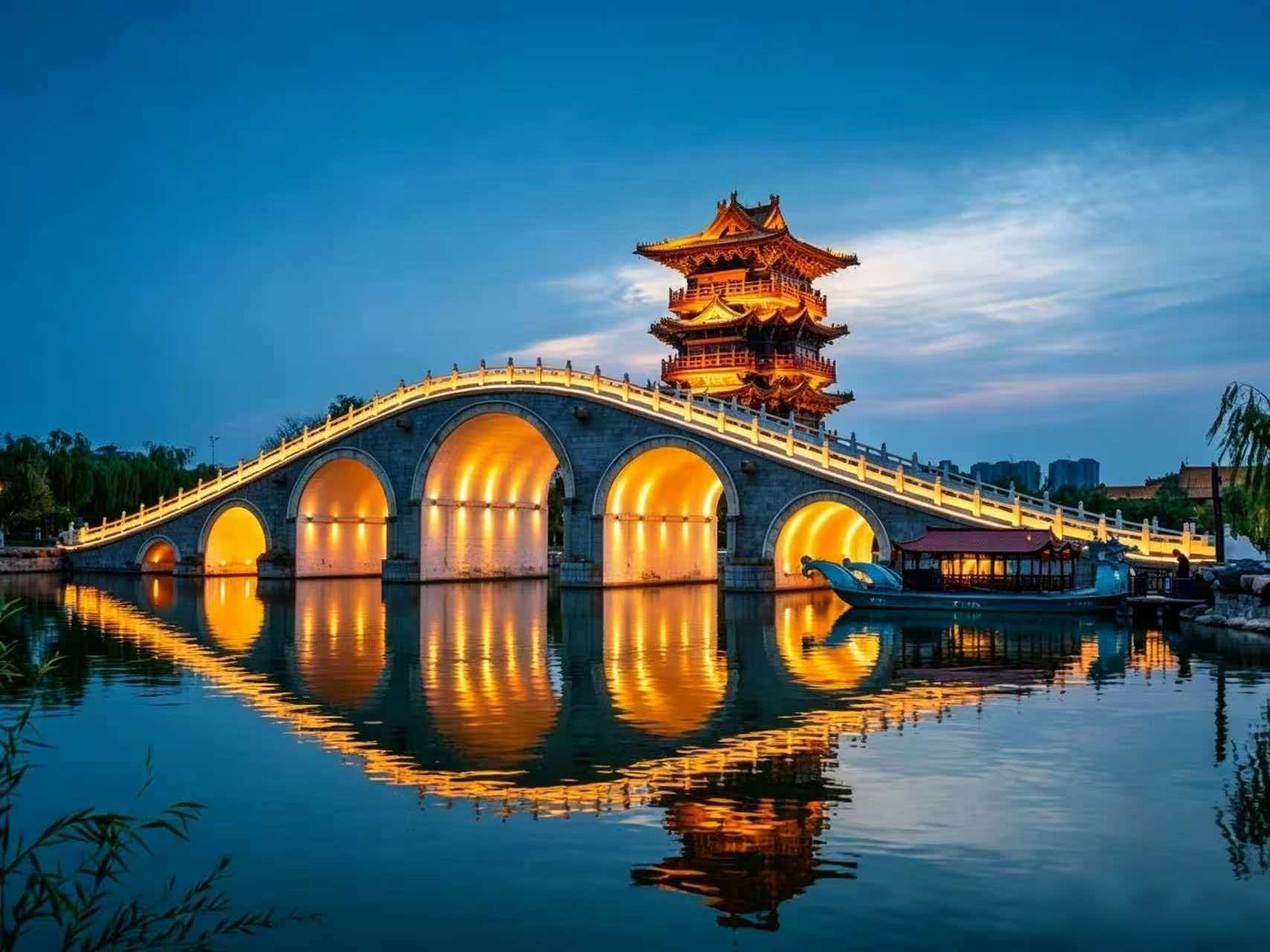
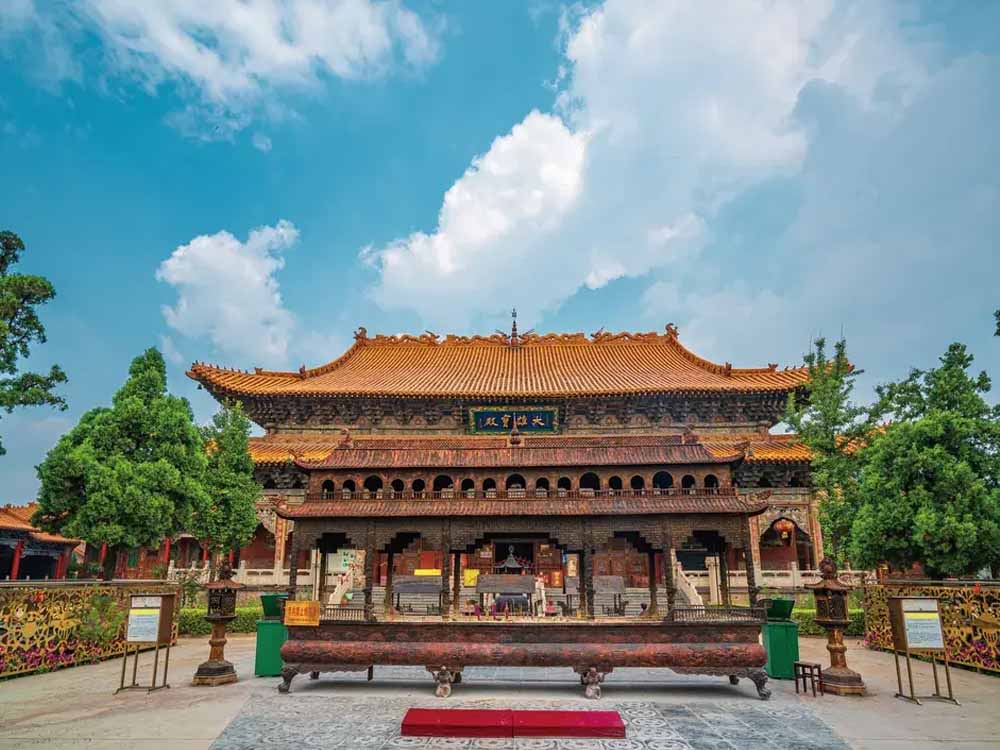
The travel experience extends well beyond the cave walls. The modern entrance of the complex features beautifully reconstructed Northern Wei-style wooden architecture, peaceful temple complexes built over the water, and an excellent on-site museum that provides vital historical context. It is a world-class cultural destination that allows visitors to step directly back into the golden age of northern China's ancient history.




 WhatsApp