History of Meditation in China
The evolution of Chinese meditation is a multi-millennial journey shaped by the interweaving of three major rivers of thought: Daoism, Confucianism, and Buddhism, collectively known as the Sanjiao or Three Teachings.
The earliest indigenous forms emerged from ancient shamanic roots and early Daoist philosophy, focusing on returning to a state of primal simplicity and natural alignment, as described in the writings of Laozi and Zhuangzi.
Confucian scholars developed their own quiet-sitting practices, known as Jingzuo, to cultivate moral integrity, emotional balance, and intellectual clarity.
In the first century, the arrival of Buddhism from India introduced highly structured analytical mindfulness and concentration techniques, which eventually merged with Daoist naturalism to birth Chan Buddhism, the direct ancestor of Zen.
In the modern era, these classical streams were synthesized with modern healthcare science, creating the accessible, non-religious health Qigong and secular mindfulness systems practiced across the globe today.
How does Chinese Meditation Work?
Chinese meditation functions by systematically rebalancing the body's internal homeostasis through a combination of classical energetic mapping and modern neurobiological mechanisms.
From the traditional perspective, the practice works by regulating the flow of Qi through the meridian network. Stress, poor posture, and emotional repression cause this vital energy to stagnate, leading to physical illness and mental distress. By aligning the physical frame and deepening the breath, meditation removes these blockages, allowing energy to circulate freely, which nourishes the internal organs and calms the emotional mind.
From the modern medical perspective, Western science validates this process through the lens of nervous system regulation. The deep, diaphragmatic breathing patterns utilized in Chinese meditation stimulate the vagus nerve, initiating an immediate shift from the sympathetic flight response to the parasympathetic rest response. This shifts brainwave activity from high-stress Beta waves into calm, creative Alpha and deep Theta waves, reducing blood pressure, lowering heart rate, and halting the secretion of chronic inflammatory hormones.
Why Learning Chinese Meditation?
Adopting Chinese meditation provides powerful, holistic advantages for navigating the fast-paced demands of modern professional and personal life.
It provides an all-in-one approach to wellness, addressing physical posture, respiratory health, and emotional regulation simultaneously rather than treating the mind in isolation from the body.
It builds exceptional emotional resilience, teaching practitioners how to cultivate an internal state of inner peace that remains undisturbed by external workplace chaos or chaotic environmental changes.
The practice actively improves physical vitality, using specific breath-retention and circulation techniques to maximize blood oxygenation, boost immune defense, and combat chronic occupational fatigue.
Additionally, its immense variety of styles offers extreme flexibility, meaning that whether an individual prefers silent seated stillness, active standing, or flowing movement, there is a specific Chinese meditative pathway that fits their personality and lifestyle.
How to Master Chinese Meditation?
Mastering this ancient internal art requires a patient, layered approach that moves from external physical refinement to internal mental quietude.
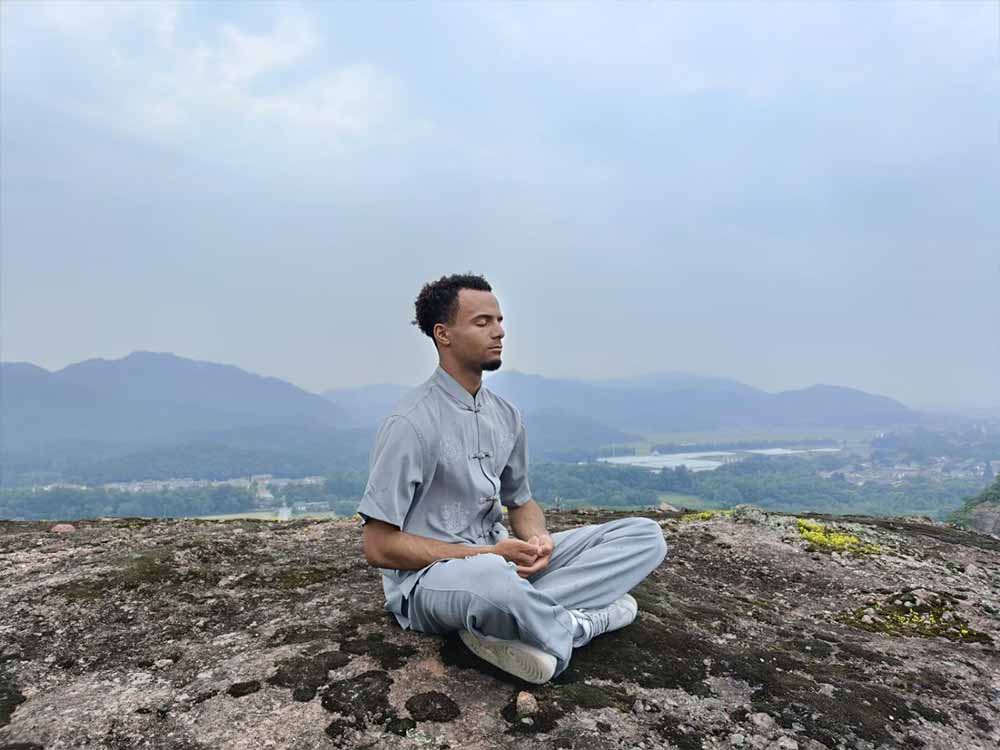
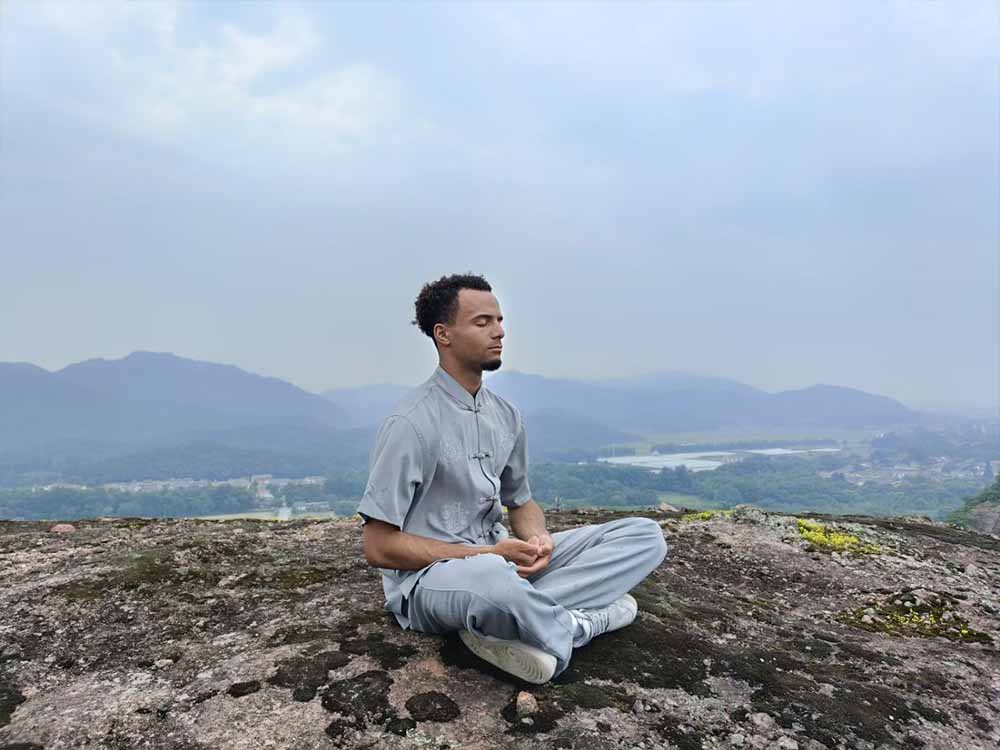
The first phase is to adjust the physical vehicle. Sit comfortably with a straight, upright spine, drop your shoulders completely, tuck your chin slightly to elongate the neck, and place your tongue lightly against the roof of your mouth to connect the body's primary energetic pathways.
The second phase is to regulate the breath to a natural rhythm. Allow your breath to become slow, long, deep, and silent, focusing on the natural rise and fall of the lower abdomen without using muscular force or creating chest tension.
The third phase involves anchoring the mind to the lower Dantian. Gently rest your attention in the space behind your navel, using this internal center as a gravity well to collect your scattered thoughts and pull your awareness away from external distractions.
The final phase is to cultivate effortless continuity. Avoid forcing your mind to be still or fighting with passing thoughts; instead, simply observe them like clouds passing in the sky, maintaining your daily practice for fifteen minutes to allow the natural state of internal clarity to reveal itself.
Where to Learn Chinese Meditation?
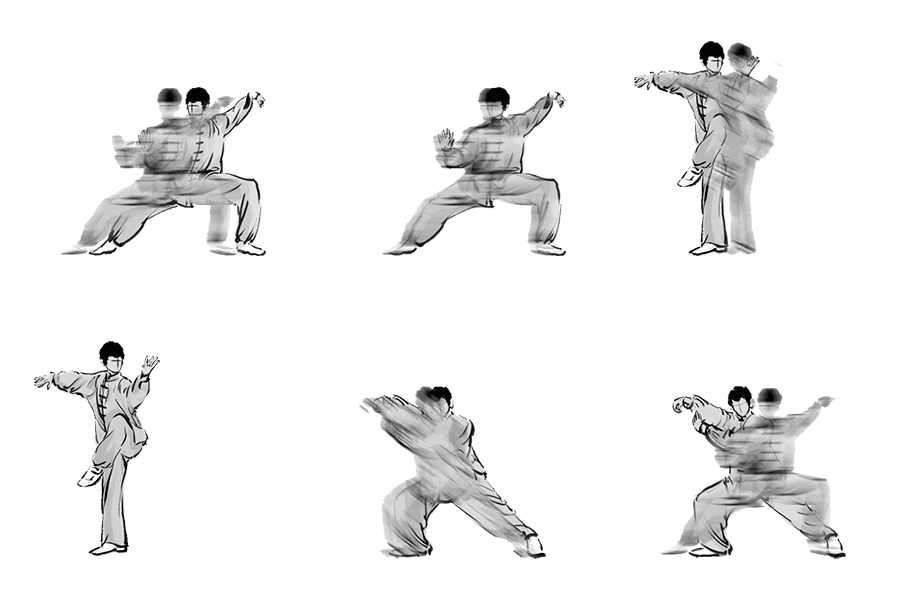
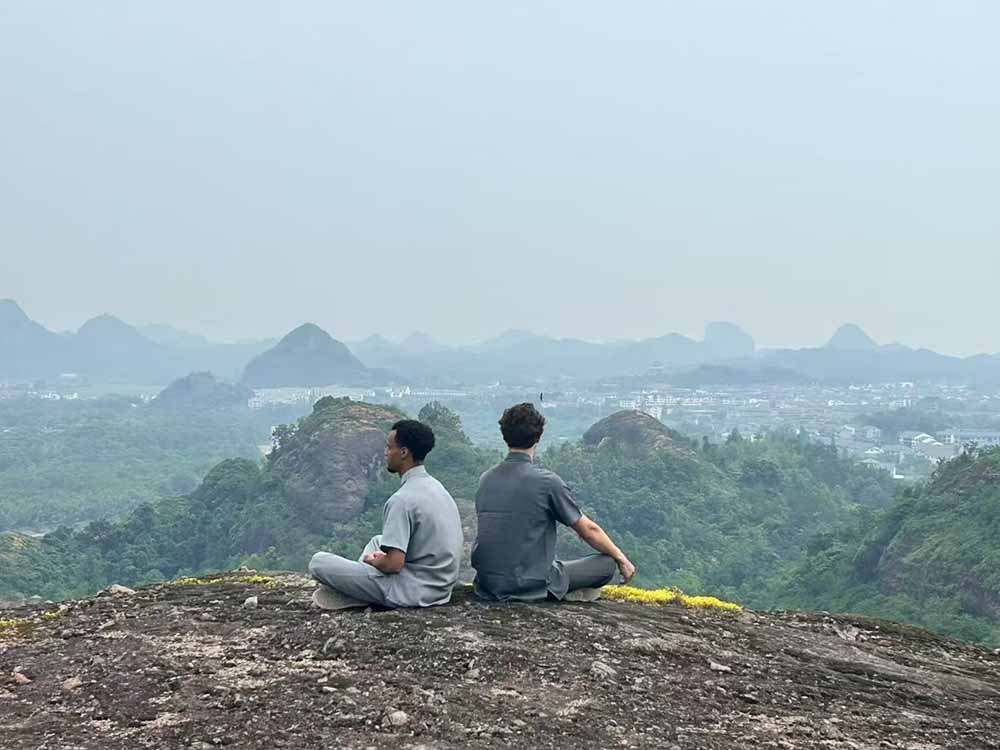
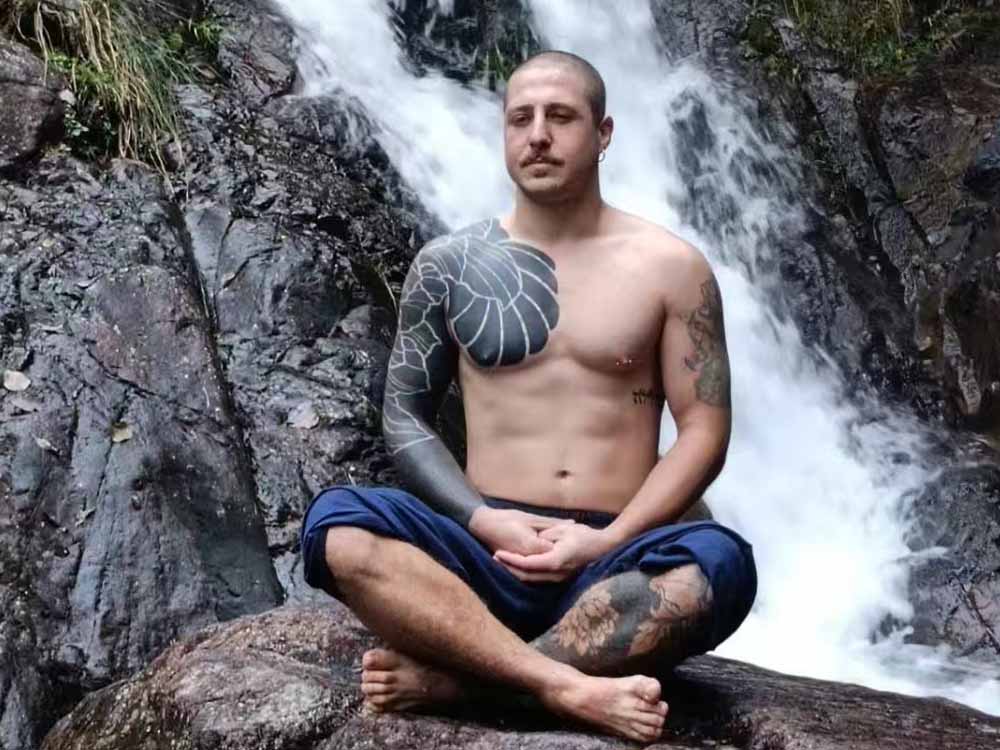
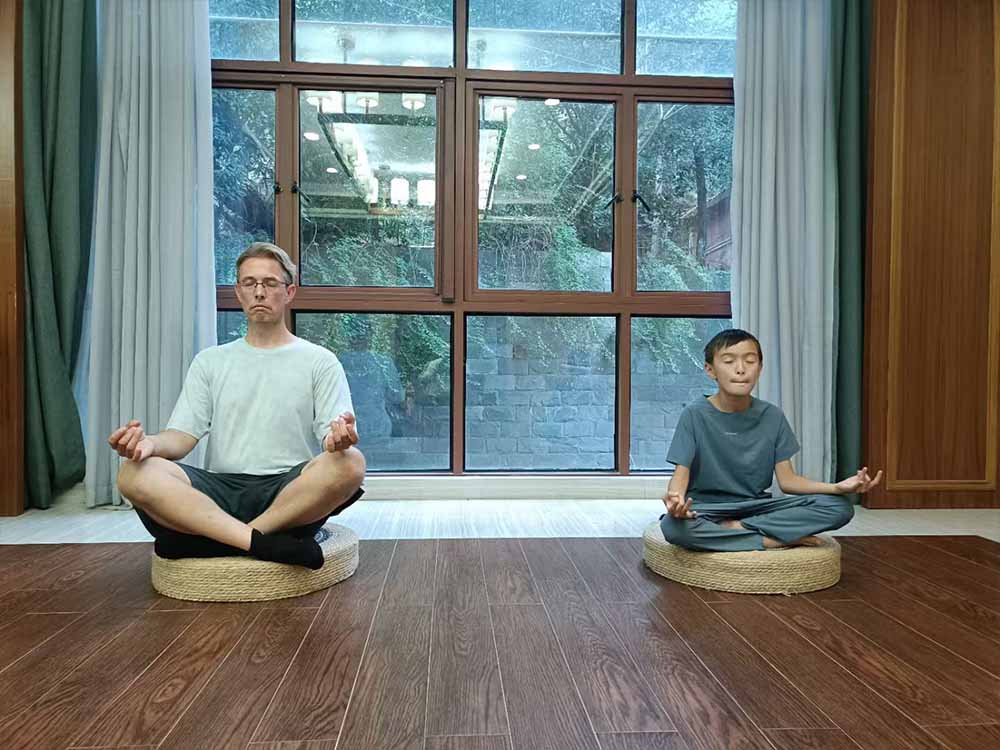
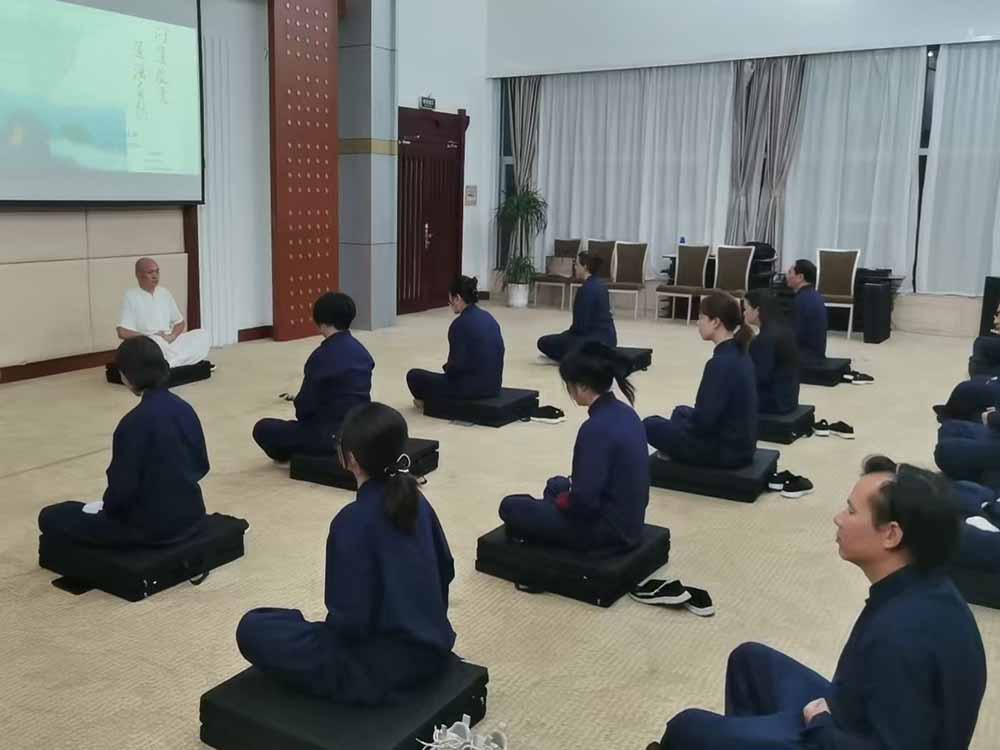
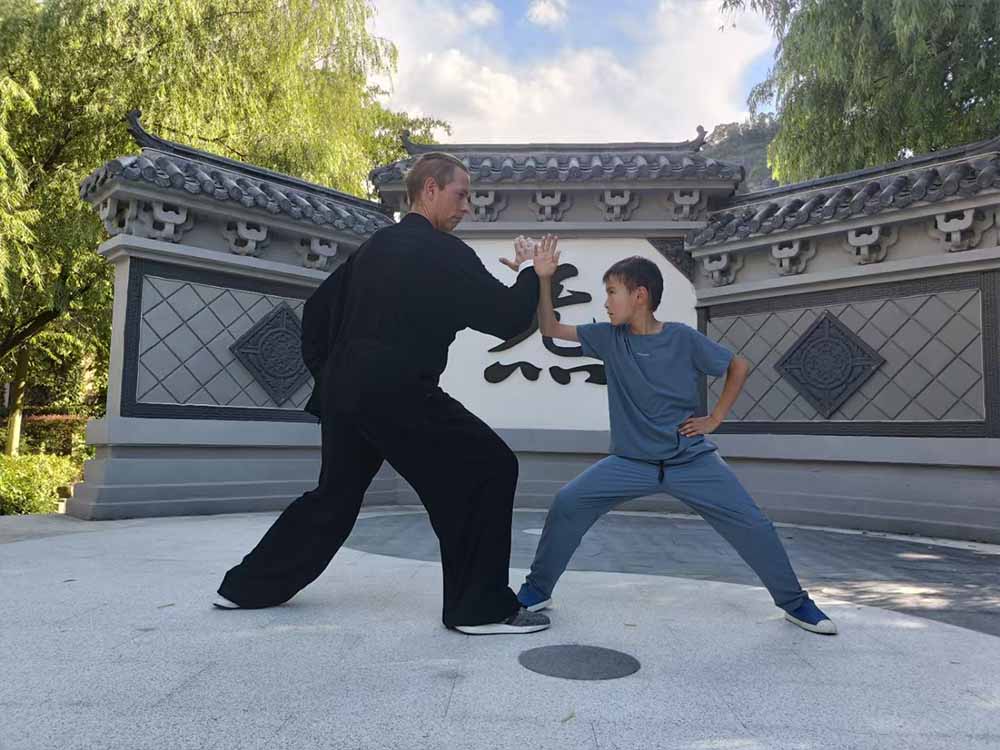
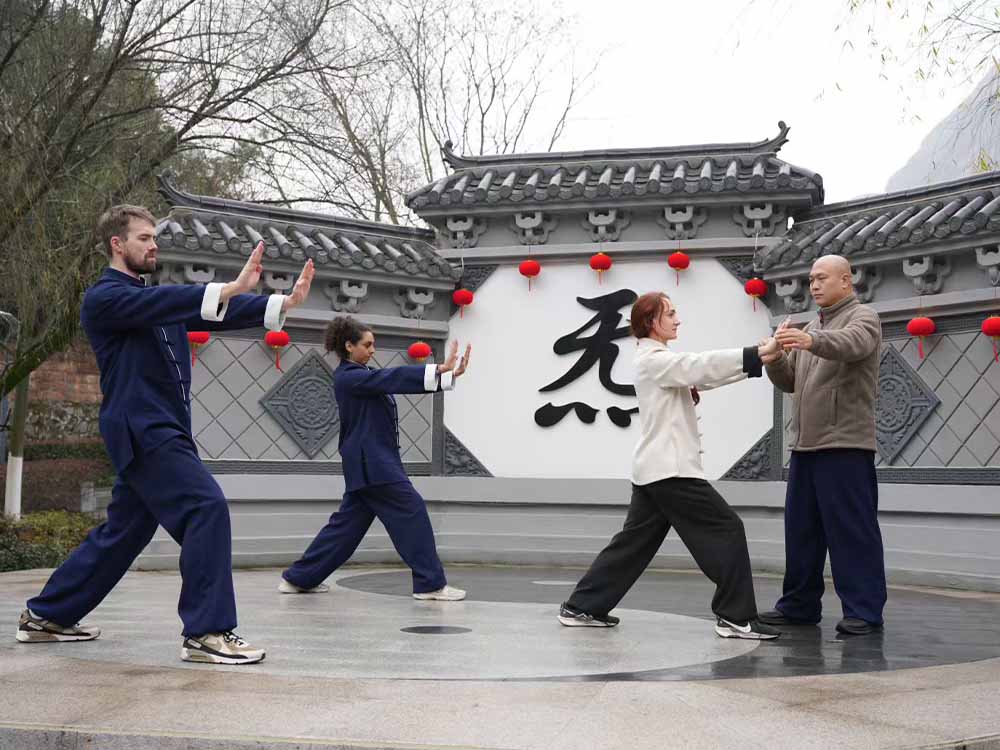
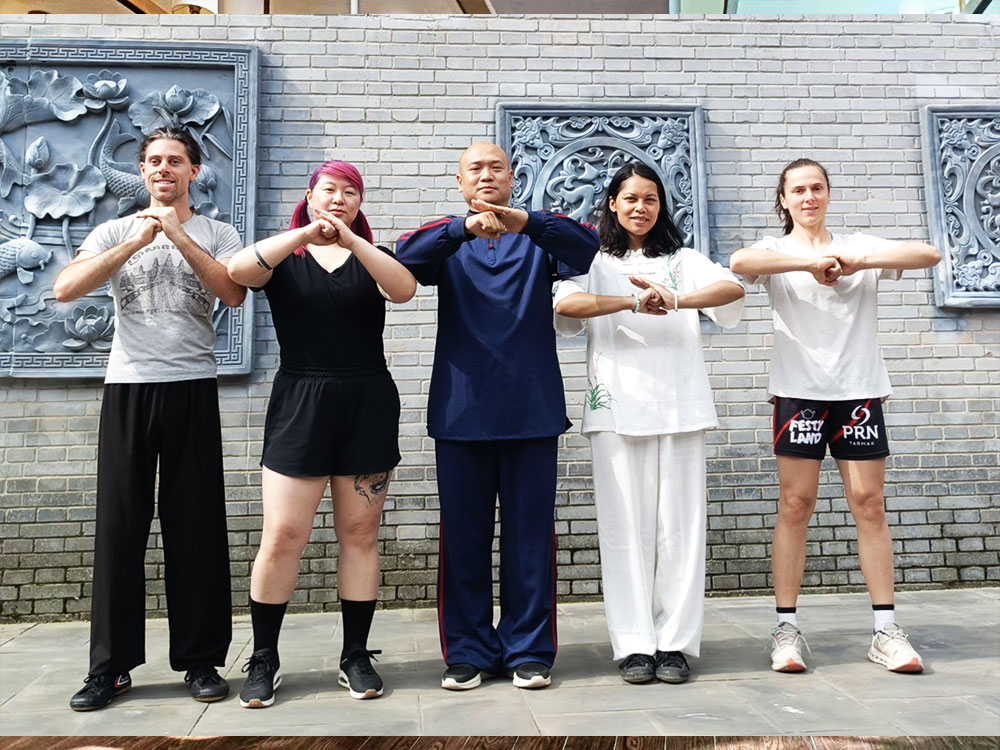
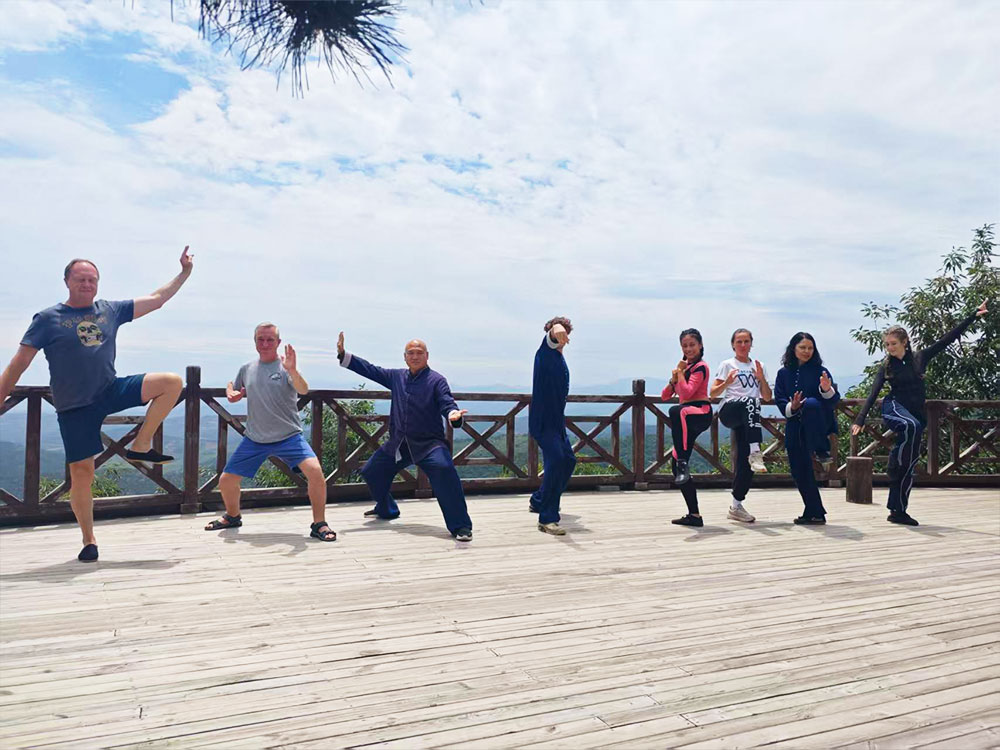
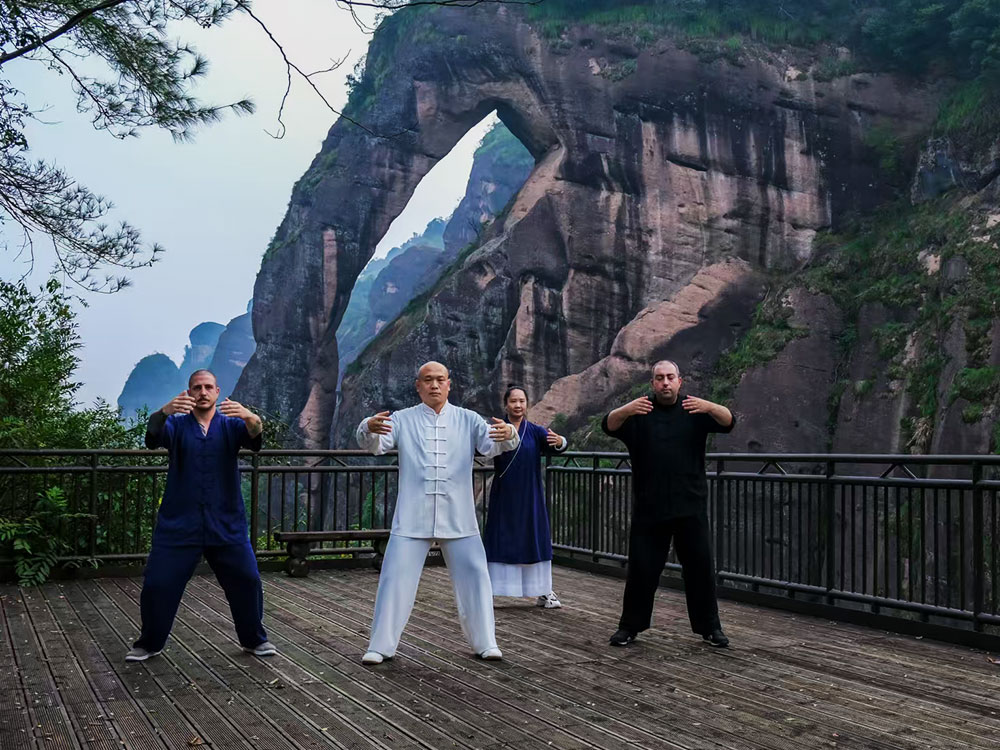
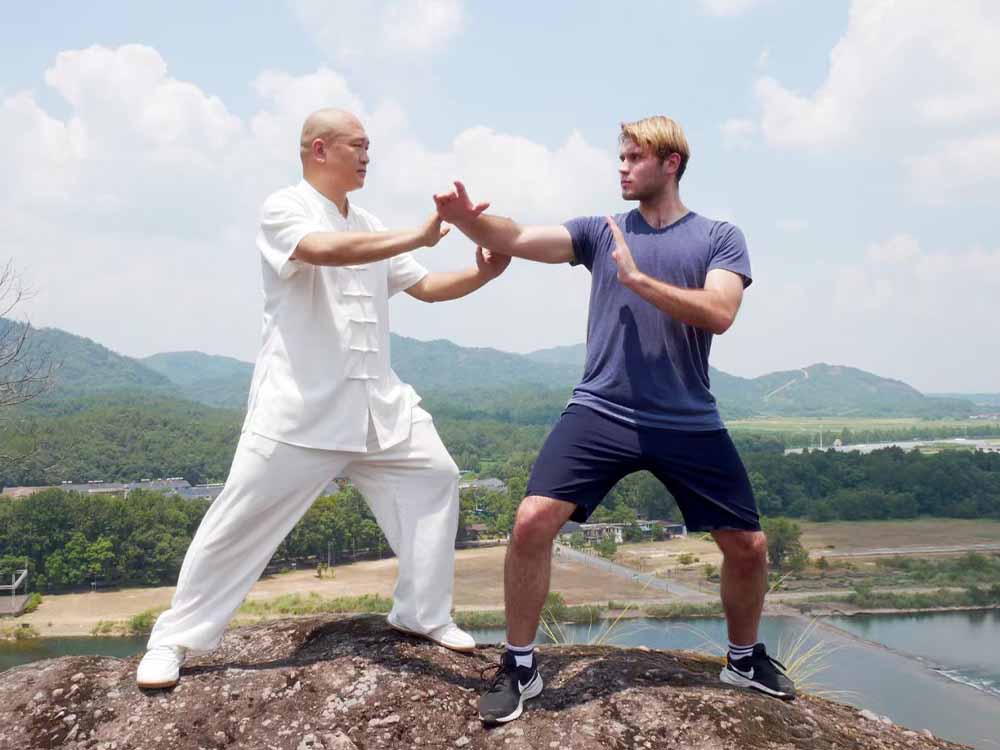
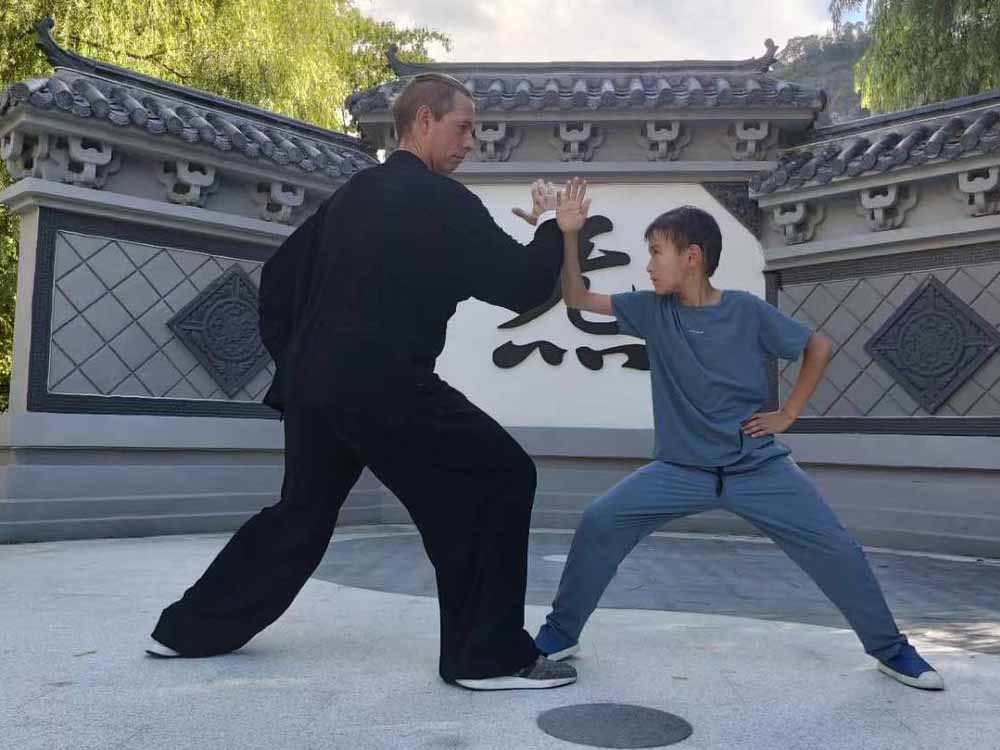
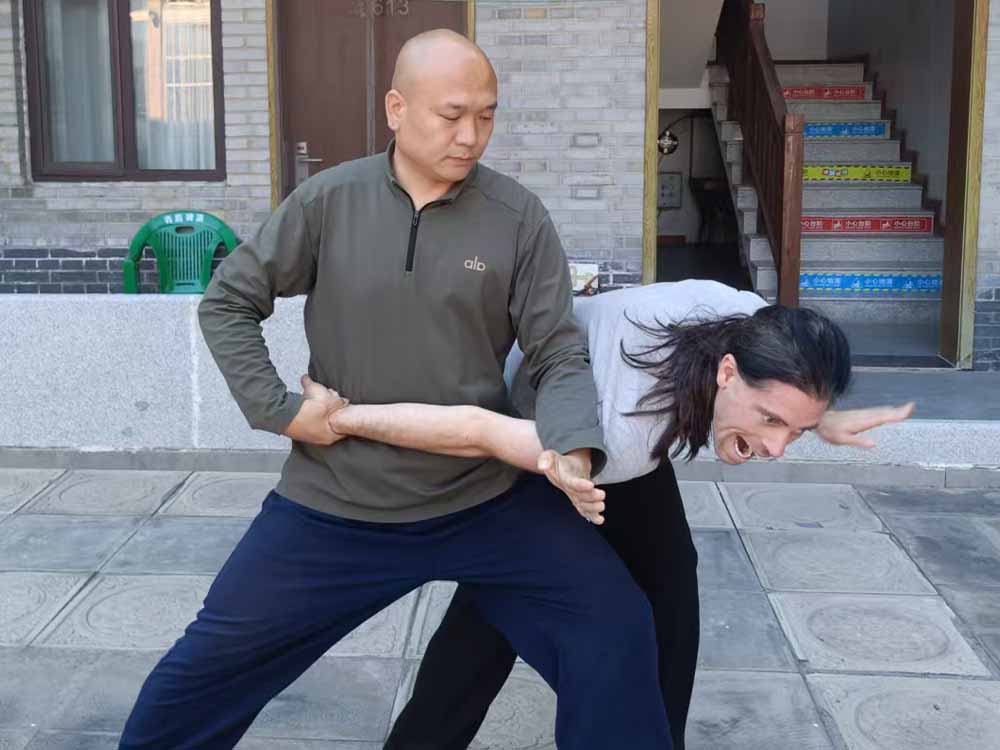
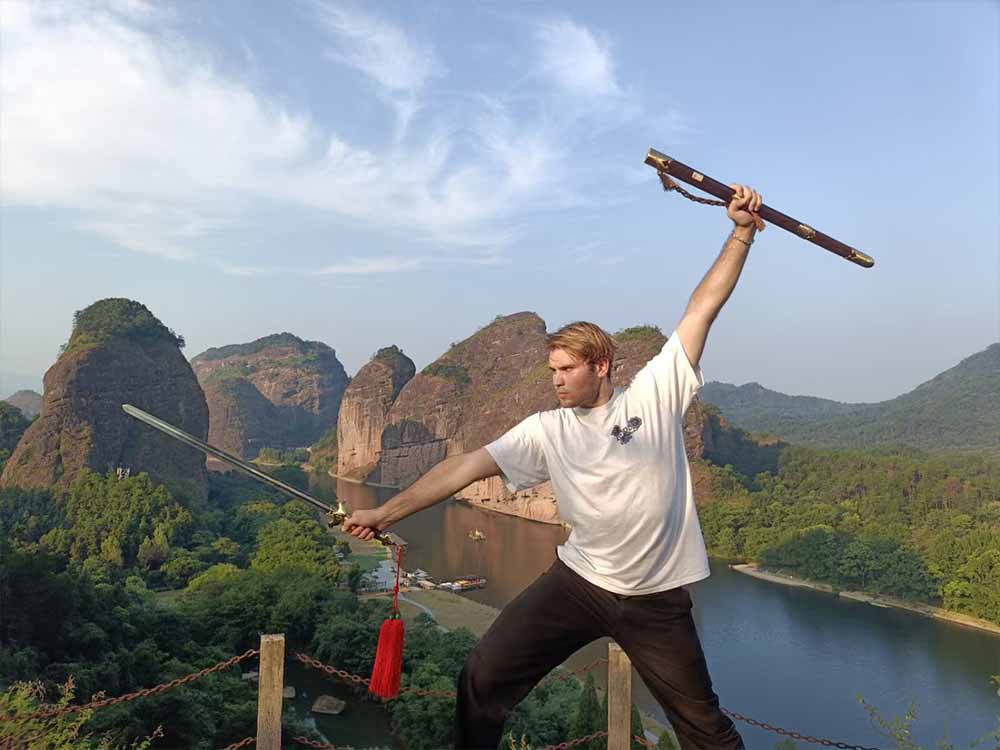
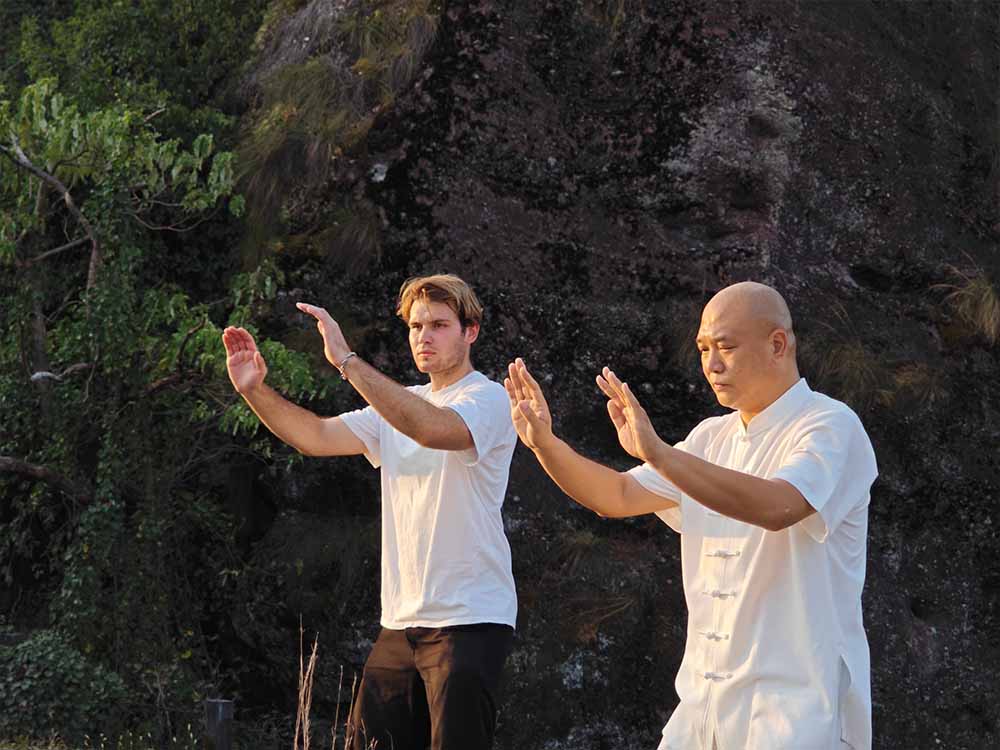
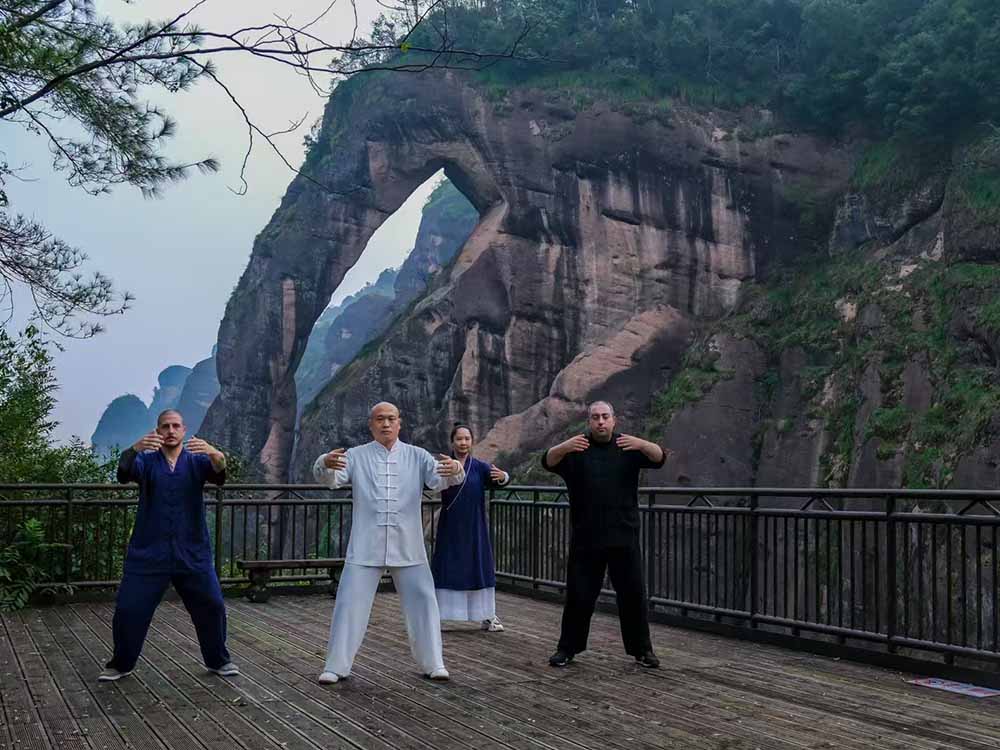
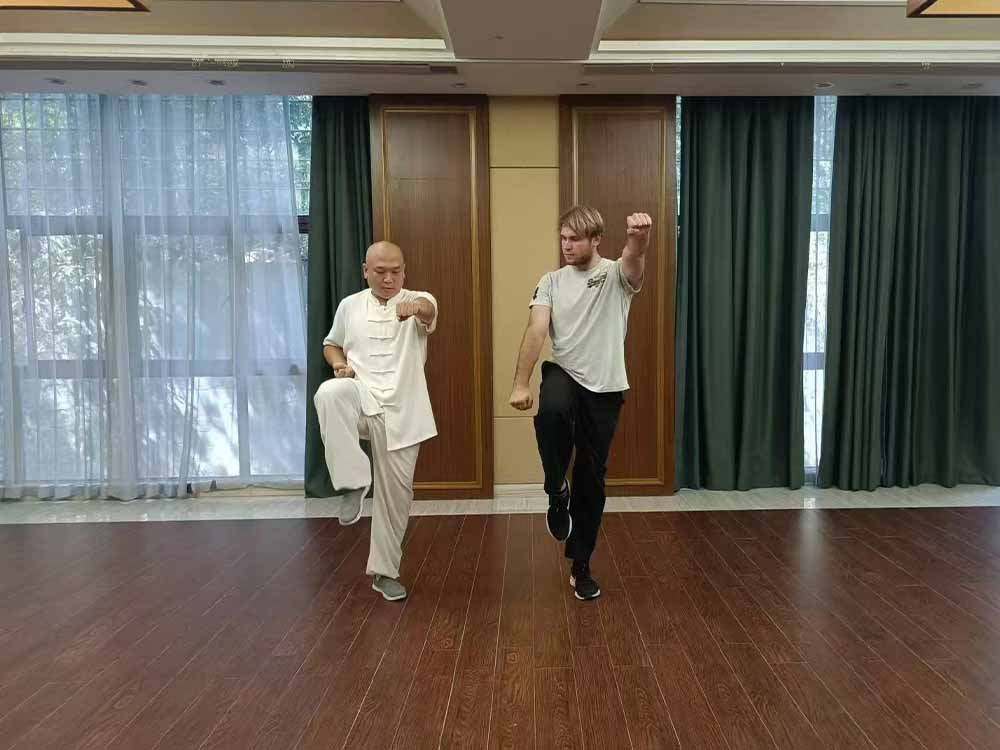
Chinese meditation encompasses several traditional practices like Qigong (energy cultivation), Ch'an (Zen) meditation, and Tai Chi (moving meditation). Shenjiangfei Martial Arts School is an authentic Kung Fu school teaching different kinds of Chinese KungFu, such as Taichi, Qigong, meditation, Shaolin Quan, and more. If you want to learn meditation in China, you can join our course.












 WhatsApp