Course Features
Four-Dimensional One-on-One Customized Teaching with Dynamic Seasonal Adjustments in Jincheng
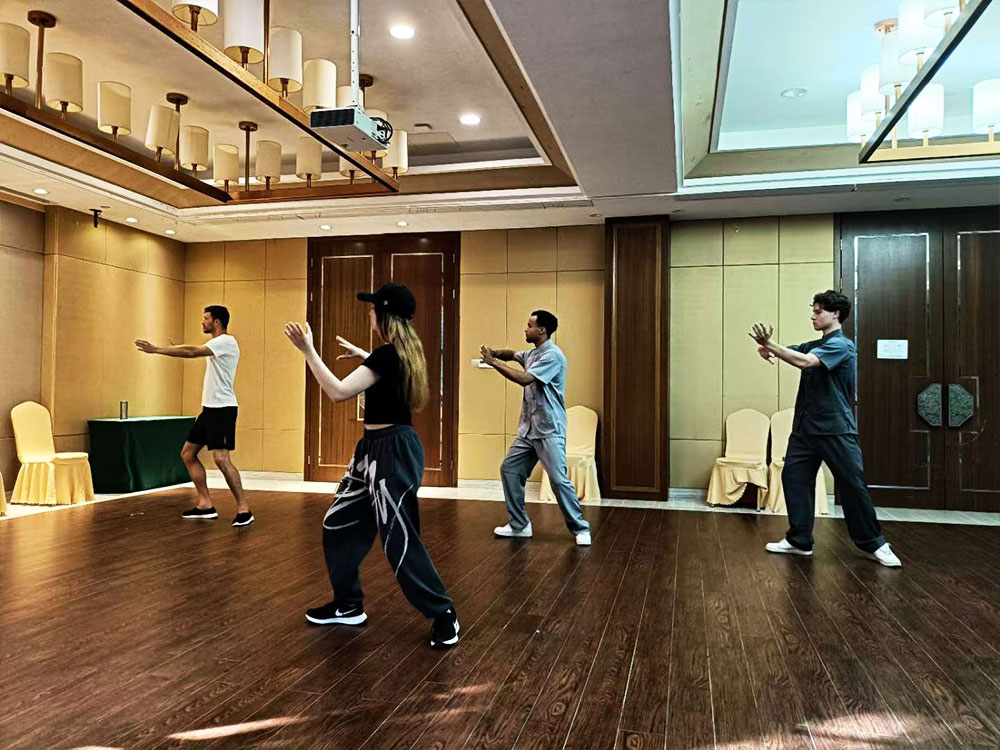
On the first day of the camp, a comprehensive four-dimensional profiling and screening process is conducted, assessing age stratification, previous physical injuries or chronic illnesses, existing martial arts foundation, and exercise tolerance. Concurrently, based on seasonal meteorological data in Jincheng, coaches customize a 90-day personal exclusive training blueprint. A comprehensive body re-test is conducted every 30 days, alongside minor progress reviews every 15 days.
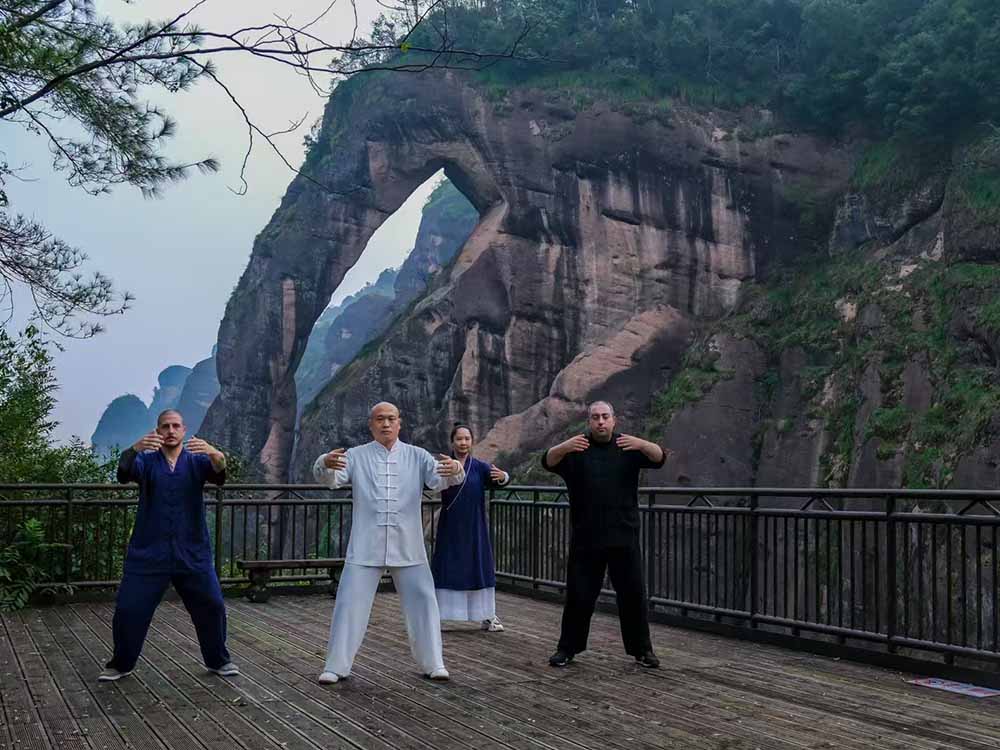
The training content is dynamically adjusted according to seasonal shifts. In spring, jumping movements are reduced due to windy weather, focusing instead on stance-holding (Zhuang Gong) to nourish vital energy. In summer, outdoor training under high temperatures in the afternoon is shortened, adding breath regulation in shaded areas. In autumn, large day-and-night temperature fluctuations prompt an increase in joint protection training. In winter, morning training times are adjusted to avoid low-temperature periods during the dry and cold season. Targeted approaches are applied across age groups: posture and spinal correction are reinforced for adolescents, street self-defense is emphasized for young and middle-aged adults, and zero-impact wellness martial arts practice is maintained throughout for senior demographics.
Dual-Line Integration of Martial Arts and Culture, Deepening Roots in Jincheng's Local Martial Arts Heritage
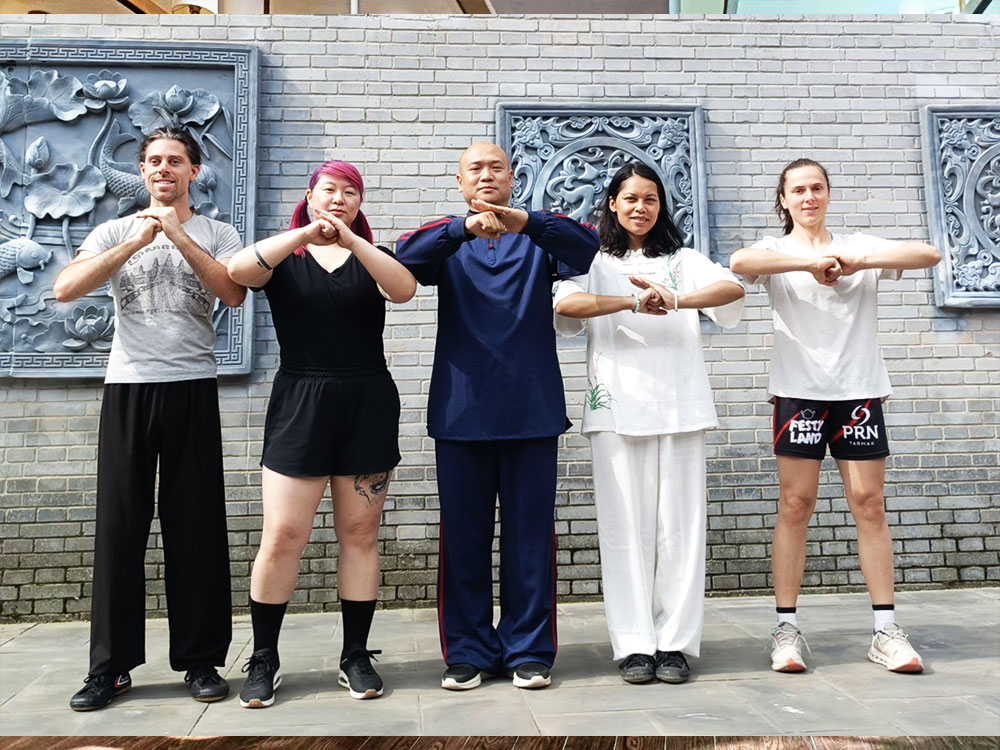
Focusing on the origins and technical variations of local martial arts in Jincheng, the course traces the transmission lineage of folk self-defense techniques from the Ming and Qing dynasties. Traditional etiquette, such as the fist-and-palm salute, master-disciple protocols, and martial arts daily routine standards, is integrated into daily daytime training without occupying after-class leisure time. This internalizes martial virtue (Wude) from behavior to mindset, breaking the stereotypes that overseas students may hold regarding martial arts.
Four-Stage Closed-Loop Assessment with One-on-One Lifelong Q&A to Prevent Post-Learning Forgetting
The program establishes a 30-day phase assessment, a 60-day cross-seasonal combat assessment, a 75-day specialized weapon assessment, and a 90-day comprehensive graduation assessment. A 30-minute one-on-one movement correction session is reserved at the end of each daytime training. Addressing lumbar muscle strain, knee joint wear, and shoulder-neck compensation issues that easily arise during long-term, cross-seasonal training, the program collaborates with certified acupuncturists to provide a dual approach of movement correction and acupuncture conditioning. Upon graduation, a personal four-season martial arts manual, a health preservation archive, and an emergency self-defense process guide are delivered, supported by 3 months of free online Q&A after graduation.
Saturdays and Sundays are fixed weekly rest days, with no unified training or collective study tasks scheduled for the entire day. Students can independently arrange their time choosing from three options. They can review and practice daytime martial arts learned during the week in the camp's indoor or outdoor venues. Alternatively, they can book specialized Traditional Chinese Medicine (TCM) acupuncture health preservation targeting exercise strain, insomnia, cold-dampness physical weakness, and seasonal allergic soreness. They may also report 1 hour in advance through the camp's online system to travel independently to nearby tourist attractions such as Jincheng Jue Mountain, Shitu Town, Wangmang Ridge, and the Liu Family Residence.
Course Principles (Theoretical Benefits)
This 90-day cross-seasonal course relies on four underlying theories: human kinetics, four-season TCM health preservation, regional traditional culture, and positive psychology. Combined with the characteristics of the Taihang mountain climate in Jincheng, it generates long-term benefits:
Human Kinetics Level: Reshaping the Body's Kinetic Chain and Improving Chronic Degenerative Injuries
While 30 days of training can only alleviate superficial muscle stiffness, 90 days of disciplined, low-compensation personalized training can thoroughly repair structural problems caused by prolonged sitting and long-term poor posture, such as scoliosis, pelvic anterior tilt, uneven shoulders, and lower limb kinetic chain misalignment. Combined with the high negative oxygen ion environment of the Jincheng mountains, it stabilizes cardiopulmonary function, regulates resting heart rate to a healthy range, and improves seasonal anxiety and seasonal insomnia.
Four-Season TCM Health Preservation Level: Harmonizing Qi and Blood According to the Taihang Climate
Following the four-season health preservation principles of the Huangdi Neijing (Yellow Emperor's Inner Canon) and considering the cold-damp mountain climate local to Jincheng, the curriculum features spring liver-soothing and Qi-regulating stance work, summer heart-clearing and breath-regulation, autumn lung-moistening and Qi-gathering, and winter root-strengthening and vitality-cultivating. Paired with weekend meridian acupuncture clearing, it targetedly addresses joint cold pain and cold hands and feet caused by mountain dampness, achieving the dual goals of strengthening external muscles and bones and regulating internal organs. This is well-suited for stable populations with mild hypertension, hyperlipidemia, and rheumatic joint issues.
Traditional Culture Level: Mastering the Localization Logic of Northern and Southern Folk Martial Arts
Stepping beyond generic martial arts theories, students will understand how the terrain of the Taihang mountains influenced the evolution of local self-defense movements in Jincheng. They will clarify the historical reasons behind the origins of Chen-style Tai Chi in Zezhou and the spread of Shaolin murals at Qinglian Temple within the Shanxi region, grasping the symbiotic relationship among martial arts, Taihang merchant caravan escort culture, and Confucian or Daoist health preservation.
Psychology Level: Establishing a Long-Term Stable Emotional Rhythm
The 90-day fixed daytime routine, outdoor training, and autonomous relaxation on weekends break the internal friction caused by fragmented urban information. Long-term, one-on-one refined teaching enhances students' self-worth, while two-person collaborative combat training improves adversity coping skills and cross-cultural communication abilities, perfectly matching the psychological adaptation needs of foreign students during long-term stays.
Course Content
Theoretical Learning
Kung Fu General Knowledge encompasses the origins of Chinese martial arts, technical differences between local folk Shaolin ancient boxing and Chen-style Tai Chi in Jincheng, comparative logic of Chinese and foreign street self-defense, comprehensive martial arts etiquette, weapon protocols for long and short weapons, and safety common sense for practicing martial arts in the Taihang mountains.
Martial Medicine Protection focuses on the prevention of sports injuries across Jincheng's four seasons, rehabilitation for mountain cold-damp strain, correction of long-term martial arts muscle compensation, indications and contraindications of acupuncture, and medication coordination guidelines for practicing martial arts with chronic illnesses across the seasons.
Cultural Studies includes research on Jincheng Ming and Qing dynasty Taihang escort caravan culture, analysis of Tang dynasty martial arts murals at Qinglian Temple, exploration of the origin of Chen-style Tai Chi in Dongtuhe, and the cultural integration of Taihang mountain folklore and martial arts etiquette.
Practical Skills Learning (with Full-Process One-on-One Correction)
Four-Season Foundation Fitness covers season-specific customized stance work, dynamic flexibility stretching, mountain cardiopulmonary endurance, and joint activation training for cold and wet weather. High-intensity fitness training is reduced during midday in summer, and morning warm-up duration is increased in winter.
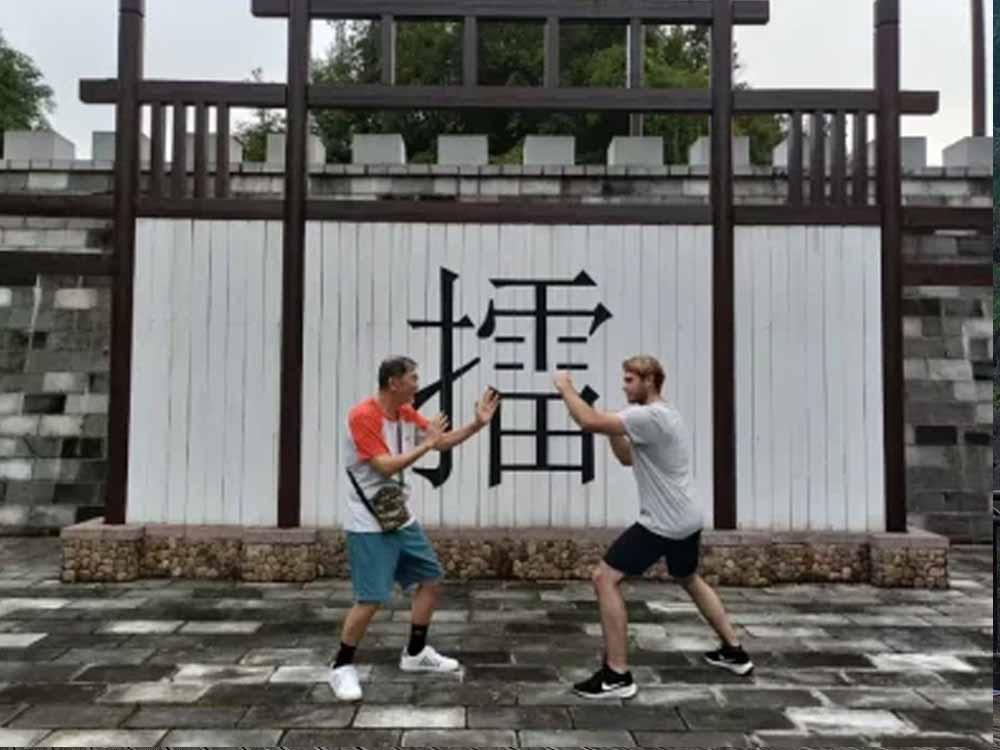
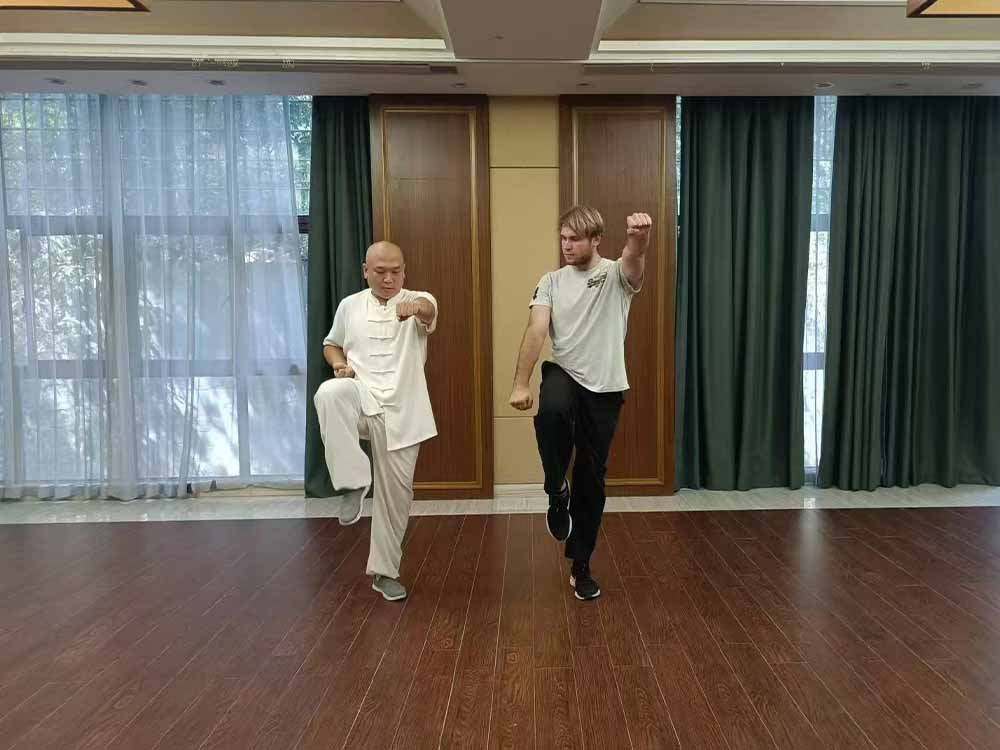
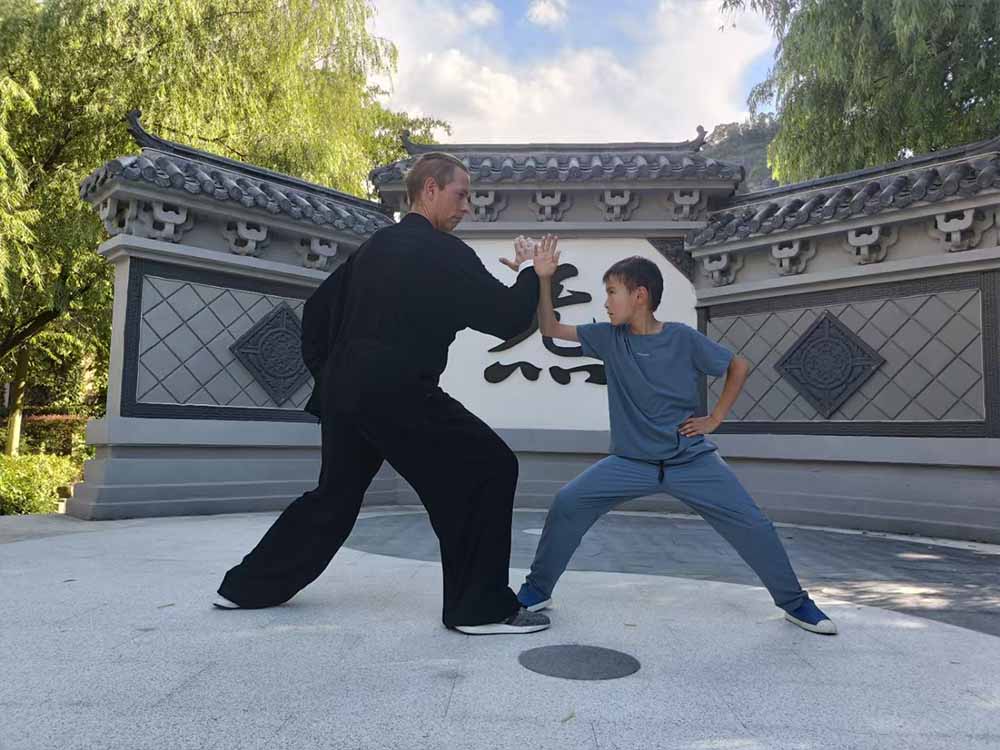
Basic Offensive and Defensive Tactics involves a comprehensive punch series including straight, hook, and swing punches, alongside high and low whip kicks, close-range elbow and knee restraints, close-quarter distance control, footwork evasion, and movement strategies to escape multi-person encirclements. These cover high-frequency scenarios like crowded streets, mountain paths, and parking lots.
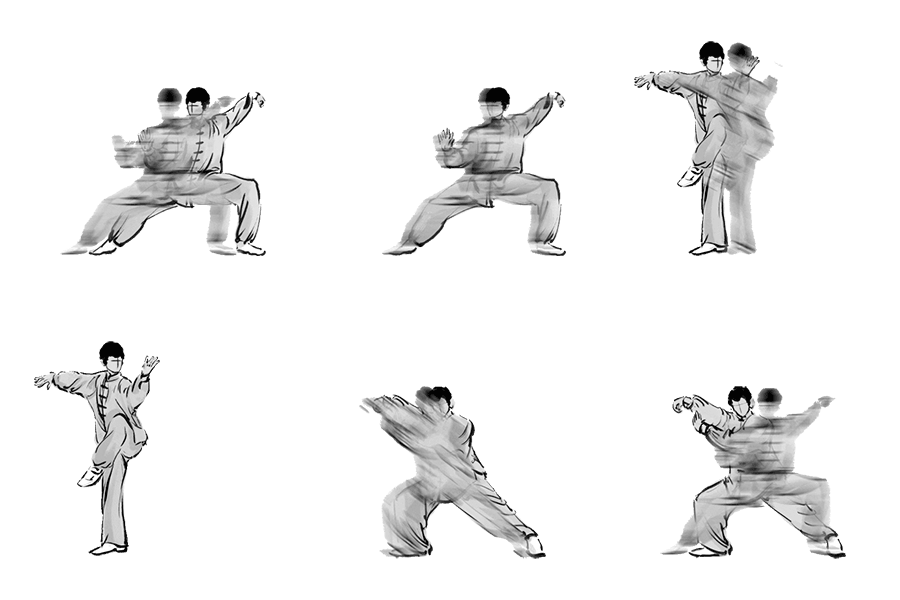
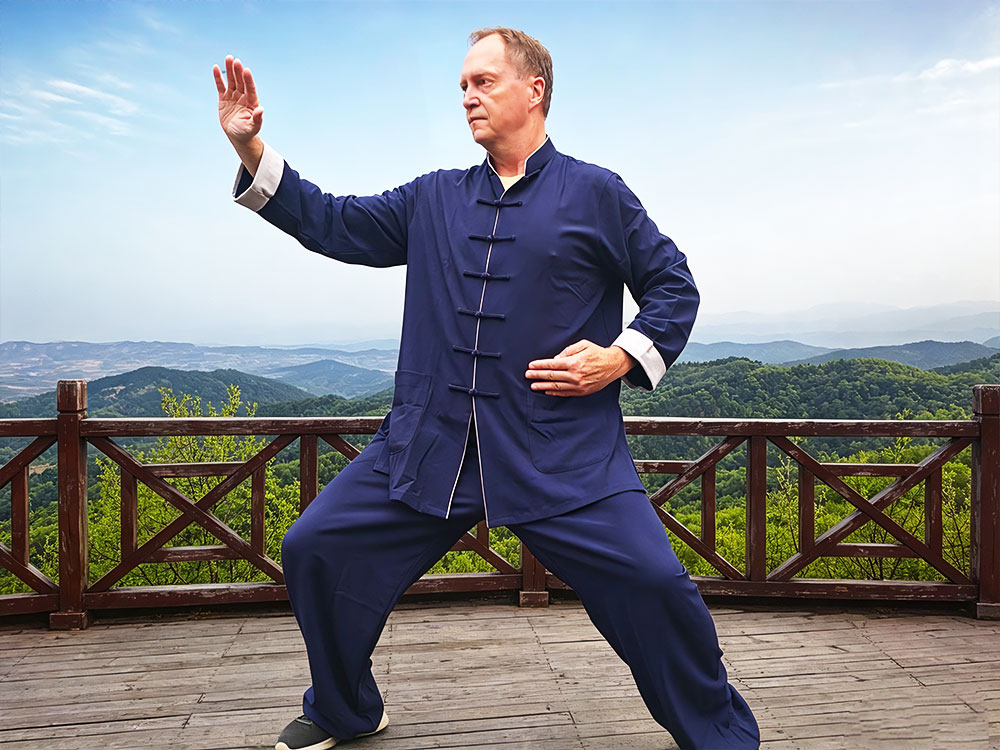
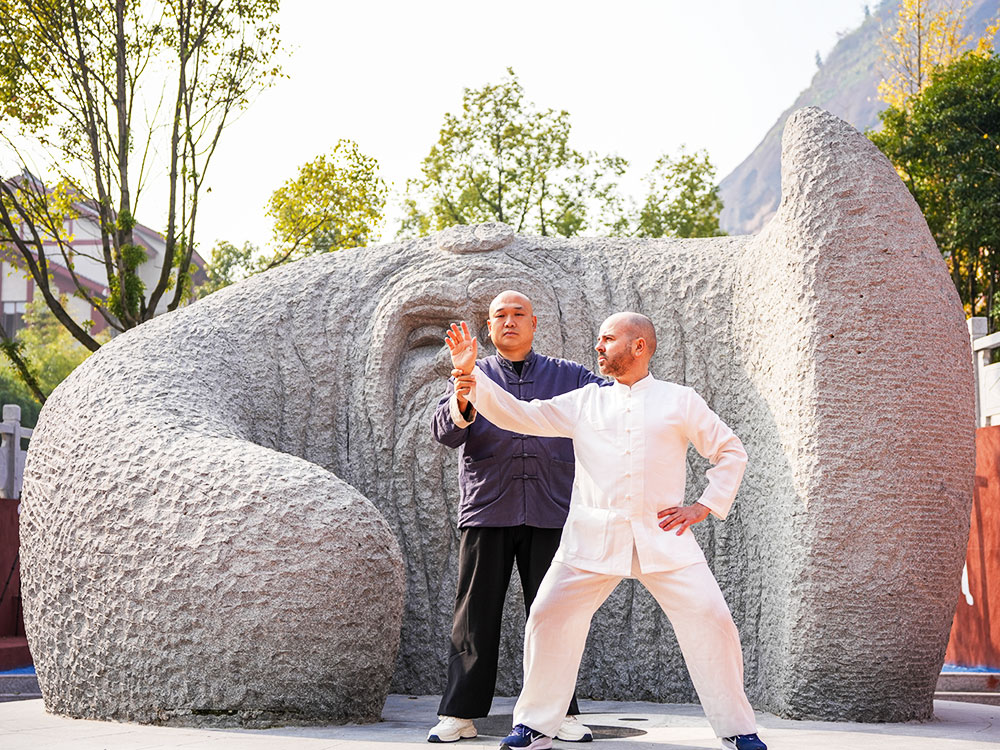
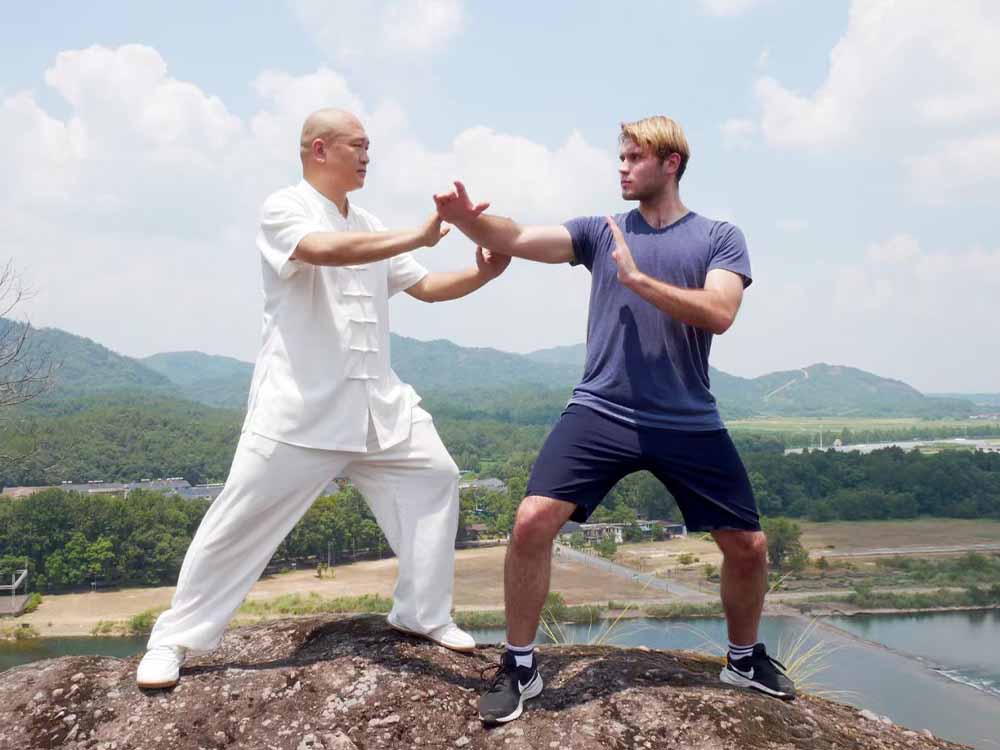
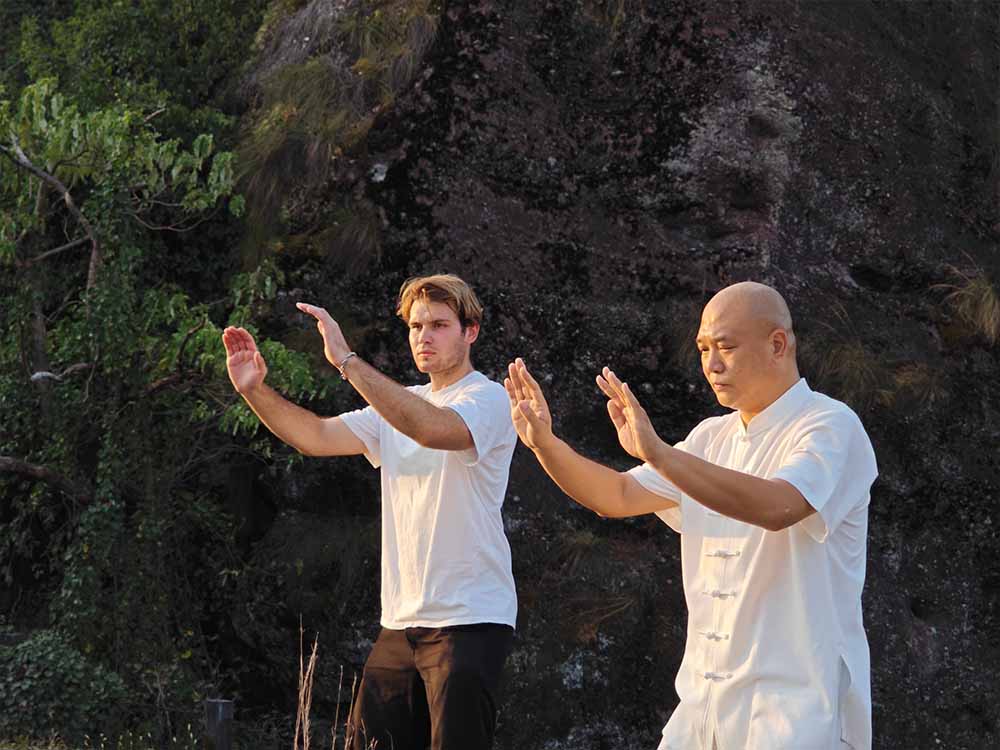
Layered Routines features full 72-form Chen-style Tai Chi for beginners, Five-Step Boxing, and Chen-style Tai Chi Second Routine. The advanced group focuses on replica Shaolin Short Boxing from Jincheng Qinglian Temple and two-person Tai Chi push hands confrontation. No Xingyi Boxing content is included in the syllabus.
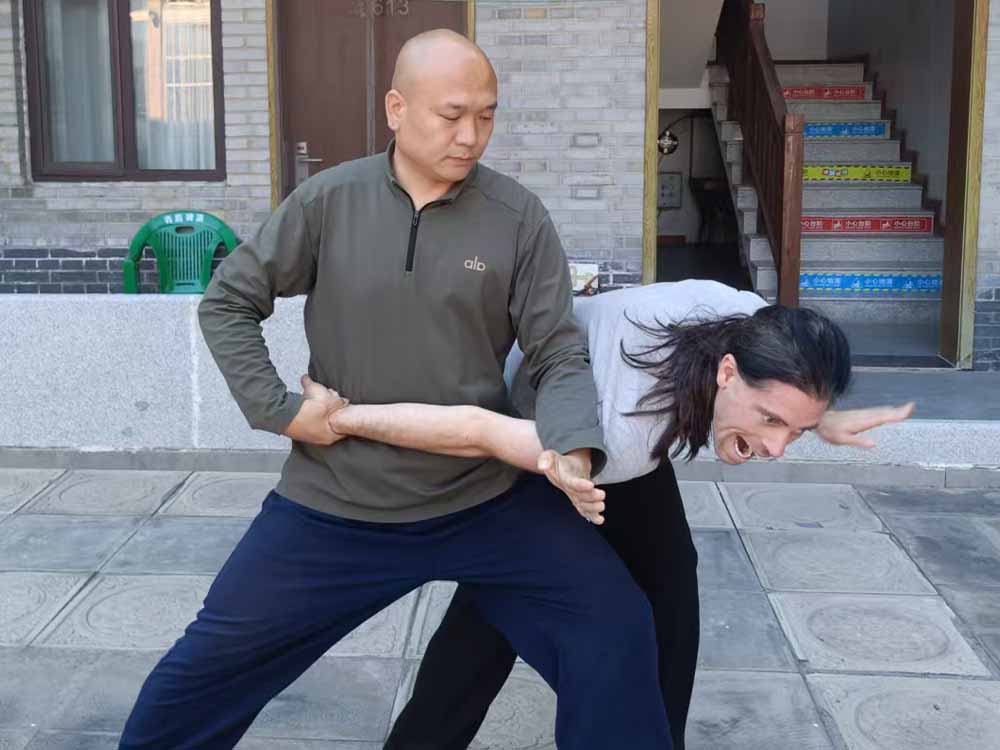
Emergency Self-Defense provides complete escape procedures for high-risk situations such as physical pulling, weapon threats, and multi-person encirclements. The syllabus features no offensive lethal moves, strictly adhering to the principle of stopping conflict for self-preservation.
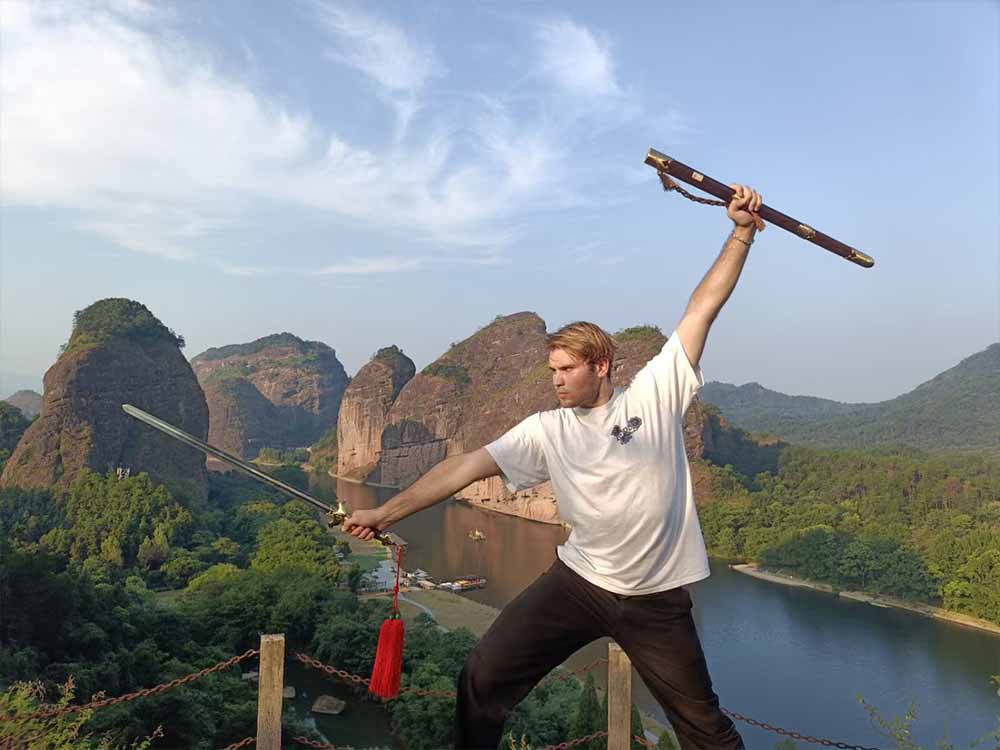
Introduction to Long and Short Weapons includes short stick routine clearing and disarming techniques, as well as basic sword parrying, piercing, and footwork coordination. Weapon training is restricted strictly to daytime enclosed venues, and private carrying outside is prohibited.
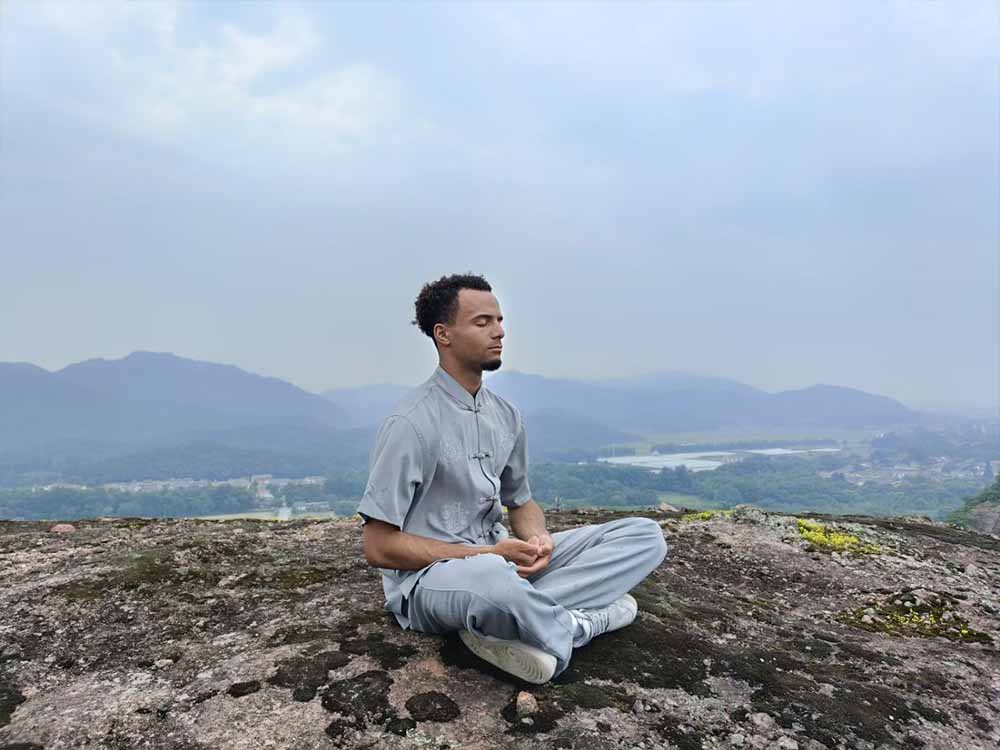
Four-Season Health Preservation Skills integrates season-specific Ziwu (noon and midnight) breath regulation, dynamic meditation, autonomous fascial relaxation, and self-guidance (Daoyin) techniques for cold-damp constitutions, paired with weekend acupuncture to consolidate conditioning effects.
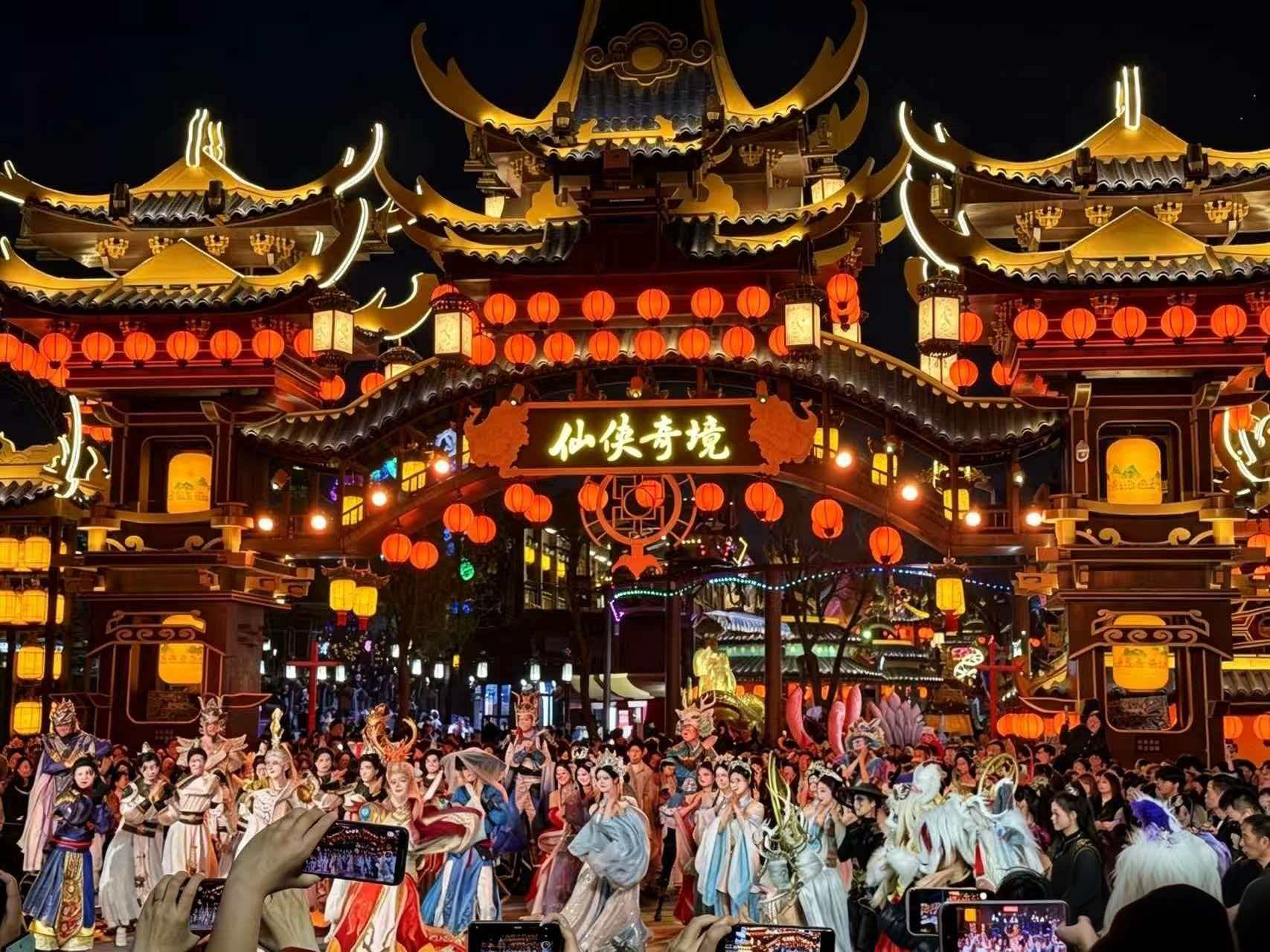
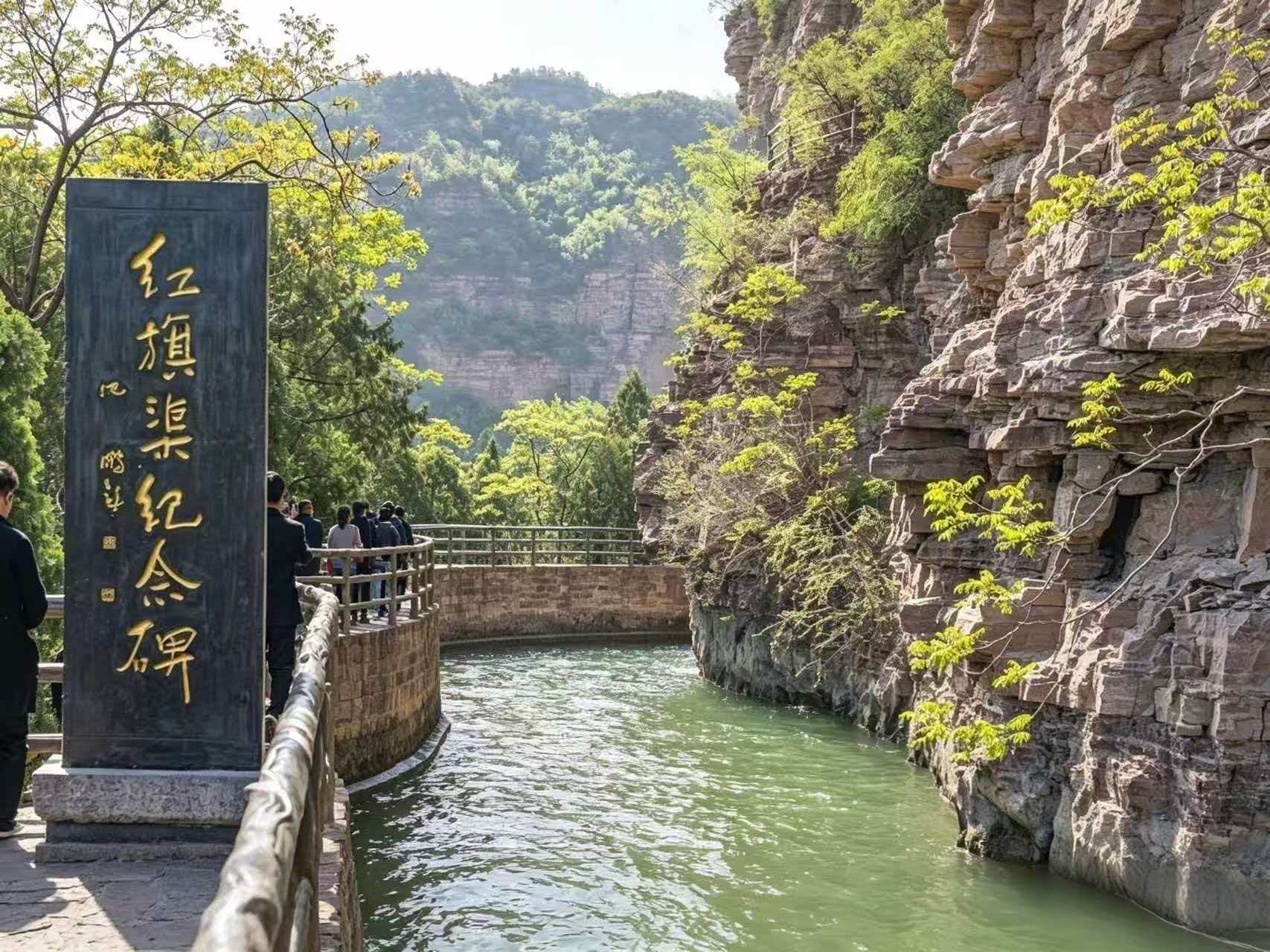
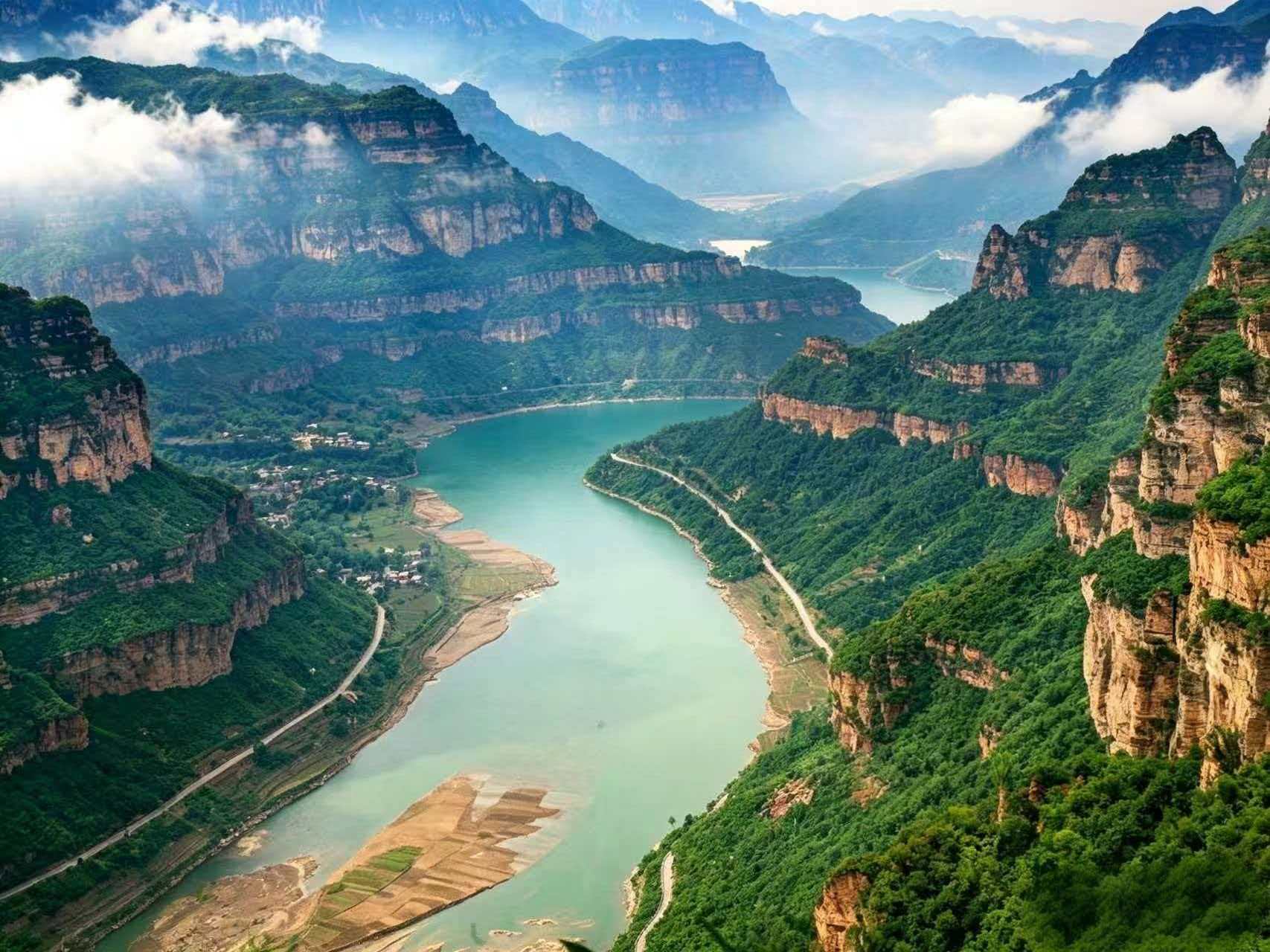
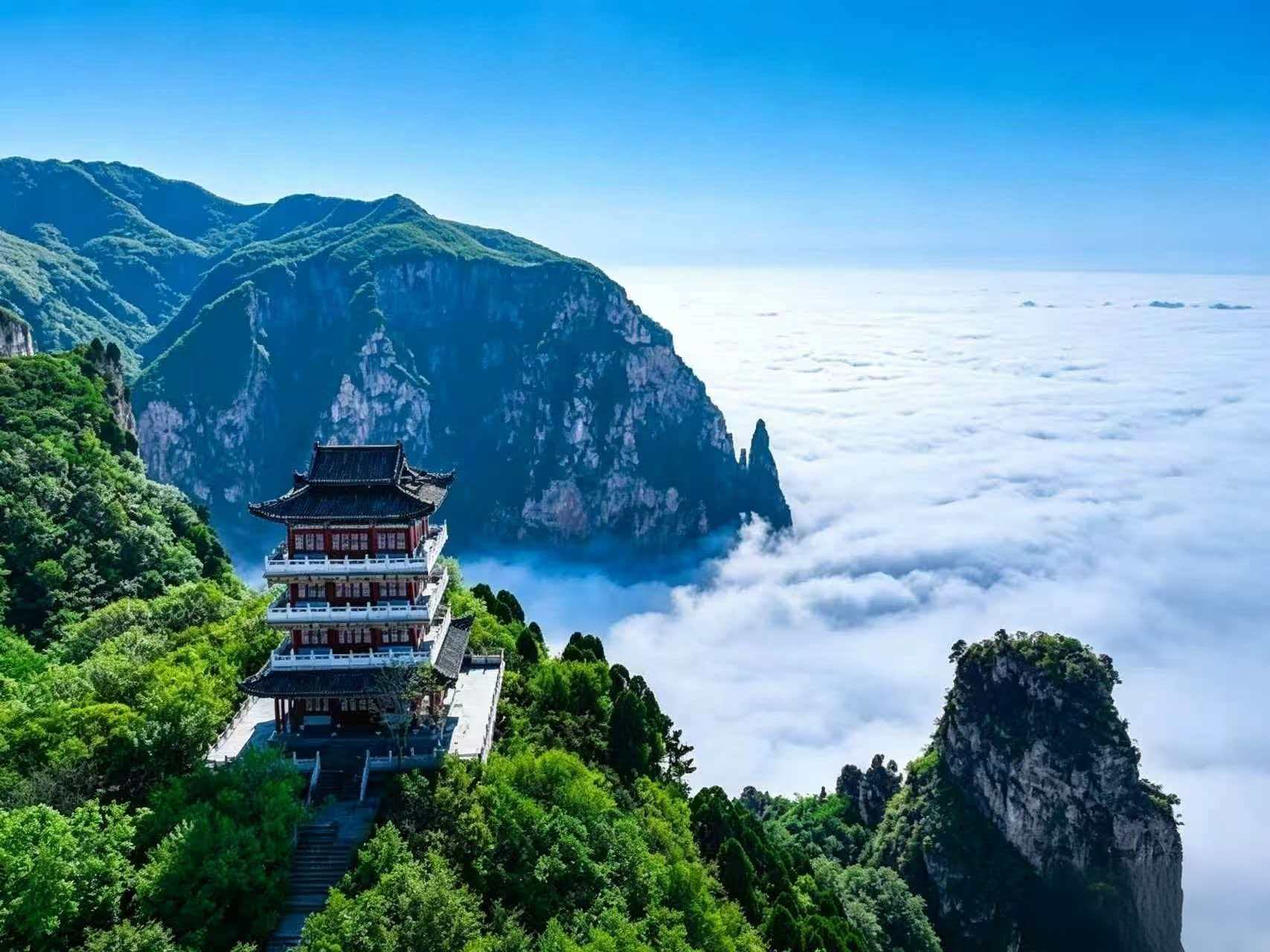
Jincheng Surrounding Tourism and Cultural Expansion Content
Cultural and tourism expansion around Jincheng serves strictly as an optional alternative for students' independent weekend travel. The entire cycle of weekdays and official unified courses contains zero scenic spot, ancient village, or mountain outdoor excursions. There are no collective arrangements at scenic spots; all martial arts training is completed entirely within the camp's indoor facilities and courtyard training grounds
Here is the English translation for the remaining sections of the text. All numbering and bullets have been completely removed, converting the content into clean paragraphs and headers that you can copy and paste directly into Word.
Student Requirements
Age Requirements
Applicants must be between twelve and seventy-five years old. Minors aged twelve to seventeen require the full-time accompaniment of a legal guardian. Senior citizens between seventy and seventy-five years old must sign an informed consent form for ninety-day long-term cross-seasonal exercise upon entering the camp.
Health and Physical Requirements
Participants must not have severe lumbar spondylolisthesis, third-degree meniscus injury, active cardiopulmonary disease, severe psychiatric disorders, or coagulation disorders, as these are contraindications for acupuncture. Stable chronic illnesses such as mild hypertension, diabetes, mild rheumatism, and seasonal allergies must be registered upon entry, alongside notification of acupuncture contraindications. Coaches will dynamically adjust training intensity on a monthly and quarterly basis.
Language Requirements
Instruction and acupuncture disclosures are provided entirely in English. No Chinese language proficiency is required, as only basic English listening and speaking skills are necessary.
Martial Arts Foundation
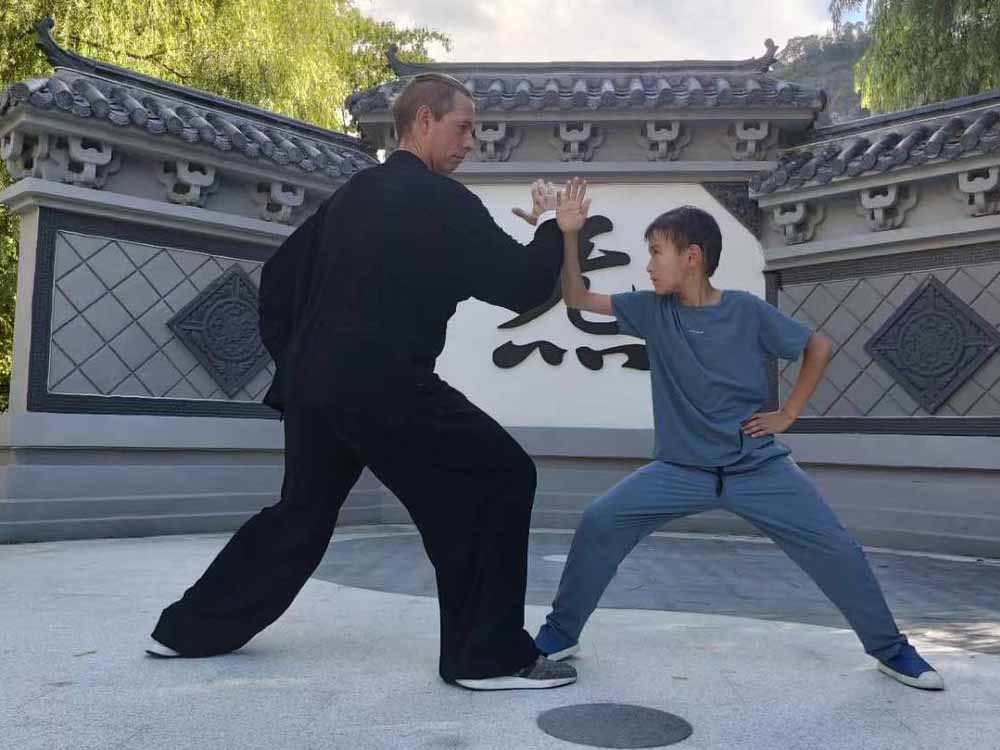
The program accepts applicants across all levels, including zero-foundation, beginners, intermediate, and advanced students. The entire curriculum is customized one-on-one across four dimensions. There are no unified group classes, and students are never forced to synchronize their progress with others.
Behavioral Discipline
It is strictly forbidden to privately modify weapons or carry them outside the camp. Leaving the camp on weekends requires online reporting in advance, and students must return to the camp on time. Alcohol abuse, staying up late, and high-risk private sparring are strictly prohibited. Acupuncture treatments must strictly follow the doctor’s advice, and students must not increase the frequency of conditioning without authorization.
Items to Bring Individually (Adapted for Four Seasons in Jincheng)
Wearable Gear (Adapted for Ninety-Day Cross-Seasonal Temperature Fluctuations)
For spring from March to May, bring four sets of sportswear, a windproof softshell jacket, elastic knee pads and wrist guards, and two pairs of martial arts shoes.
For summer from June to August, bring six sets of short-sleeved shirts, sun-protective clothing, water-permeable non-slip martial arts shoes, and breathable hollowed-out knee pads to handle strong mountain sunlight and mosquitoes.
For autumn from September to November, bring three sets each of long-sleeved and short-sleeved clothing, a double-layer windproof and waterproof jacket, and a warm vest to cope with sudden temperature drops between day and night.
For winter from December to February, bring fleece-lined quick-drying underwear, a thick windproof hardshell jacket, fleece-lined non-slip warm martial arts shoes, and full-coverage cold-protection knee pads, following the three-layer clothing method to prevent catching a cold after sweating.
As a general mandatory requirement, wearing sharp accessories such as necklaces, earrings, and bracelets is strictly prohibited throughout the training. Myopic students must wear non-slip sports glasses, and regular framed glasses are prohibited during training.
Personal Living Supplies (Cross-Seasonal Specialized Provisions)
Season-specific protective supplies are required. Bring windproof moisturizing kits and pollen allergy medication for spring. Bring high-SPF waterproof sunscreen, jungle mosquito repellent, and a portable raincoat for summer. Bring cervical spine hot compress patches and moisturizing sprays for autumn. Bring anti-freezing skincare products and portable hand warmers for winter. Always carry routine chronic disease medications, external ointments for joints, personal toiletries, and a vacuum insulated water bottle.
Documents and Financials
Bring your original passport and long-term visa, foreign currency cash, bank cards, luggage anti-theft locks, cross-seasonal clothing storage bags, and overseas medical insurance policies.
Tuition Inclusions
Teaching Services Fee
This covers the full-process one-on-one English instruction by coaches, four-stage assessment feedback, daily movement corrections, usage fees for shared long and short weapons, and three months of free online Q&A after graduation.
Accommodation and Dining Services Fee
This covers ninety days of single occupancy in a standard room at the camp with a private bathroom and shower. It also includes four-season customized sports nutrition meals, round-the-clock drinking water, public laundry facilities, and routine camp cleaning.
Venue and Research Fee
This grants access to the indoor martial arts hall and outdoor training grounds.
Transportation
This includes pickup and drop-off services within Jincheng City upon arrival and departure.
Tuition Exclusions
Round-Trip Major Transportation
This excludes the travel costs, airfare, high-speed rail tickets, or self-driving expenses from the student's place of departure to and from Jincheng.
Personal Consumption
This excludes expenses for dining out, admission tickets, transportation, local specialties, and snacks during weekend outings. It also excludes self-paid premium acupuncture projects, personal physical therapy, laundry service upgrades, or extra meals.
Medical Expenses
This excludes medical fees arising from the recurrence of personal pre-existing injuries, acute flare-ups of chronic diseases, adverse medical reactions due to personal constitution during acupuncture, and any items not covered by overseas medical insurance.
Non-Compliance Expenses
This excludes transportation, security, and liability expenses incurred by leaving the team privately without reporting, or by traveling outside the designated Jincheng area. It also excludes compensation for the loss or damage of personal items.
Health and Wellness Fees
This excludes the regular basic conditioning fees for routine acupuncture on weekends.
Document and Visa Fees
This excludes visa processing fees, overseas travel insurance, immigration handling fees, and expenses for replacing lost or damaged documents.





 WhatsApp