What is Zhanzhuang?
Zhanzhuang, literally translated as "standing like a post" or "stake standing," is a core form of standing meditation found within Qigong and traditional Chinese martial arts. Unlike moving exercises, Zhanzhuang requires holding static, structured postures for extended periods. It is designed to cultivate internal energy, develop optimal skeletal body alignment, and build profound mental resilience. In the commercial wellness and corporate sectors, it is increasingly treated as the premium method for deep stress elimination and postural correction.
Features of Zhanzhuang
Zhanzhuang possesses several unique characteristics that differentiate it from standard physical fitness or conventional meditation.
The practice is defined by a static exterior paired with a dynamic interior. The body remains perfectly still on the outside, while intense neuromuscular, vascular, and energetic adjustments happen internally.
Another core feature is Song, which translates to effortless effort or active relaxation. The primary goal is achieving this deep, responsive state where practitioners learn to let the skeleton support body weight, allowing chronically tight muscles to completely let go.
It is also highly dependent on accurate biomechanical structure, requiring the joints, spine, and hips to be stacked precisely to eliminate joint strain and allow fluid internal circulation.
Finally, it relies on a mind-driven execution. Without moving parts to distract the brain, the mind turns completely inward, building extreme internal body awareness and proprioception.
History of Zhanzhuang
The roots of Zhanzhuang date back thousands of years, with the earliest records appearing in the Huangdi Neijing, also known as The Yellow Emperor's Classic of Internal Medicine. For centuries, it was kept as a strictly guarded secret within internal martial arts lineages, such as Xingyiquan, Taijiquan, and Baguazhang, to build explosive structural power and iron-like internal strength without adding bulk.
In the mid-20th century, Grandmaster Wang Xiangzhai modernized the practice by founding Yiquan, a martial art based entirely around these standing postures. Today, the practice has transitioned from secretive combat training into globally recognized medical Qigong, used primarily for health maintenance and corporate stress relief.
How does Zhanzhuang Work?
Zhanzhuang functions through a blend of physics, biomechanics, and bioenergetics, which can be understood through both modern and traditional perspectives.
From the Western medical perspective, holding a static stance forces the deep, stabilizing postural muscles, like the core, spinal stabilizers, and deep hip rotators, to work continuously while the superficial, large muscle groups learn to relax. This balances the musculoskeletal system and corrects posture. Furthermore, holding these specific angles compresses blood vessels slightly. Once the posture is released, blood rushes through with increased force, triggering excellent microcirculation.
From the Traditional Chinese Medicine perspective, proper skeletal alignment helps drop the body's center of gravity, allowing Qi, or vital energy, to sink down into the lower Dantian, which is the primary energy center below the navel. Keeping the joints slightly bent opens up the body's meridians and energy pathways, removing the stagnant energetic blocks caused by sedentary lifestyles.
Why Learning Zhanzhuang?
Integrating Zhanzhuang into a personal wellness routine or corporate health package offers distinct competitive advantages over typical exercise.
It provides rapid stress decompression by focusing heavily on the physical structure and abdominal breathing, which strongly stimulates the parasympathetic nervous system and lowers cortisol faster than standard sitting meditation.
It actively reverses desk posture, acting as an antidote to modern office strain by gently flattening the lumbar curve, dropping the shoulders, and realigning the cervical spine.
It also builds core stability and bone density through low-impact, isometric holds that place gentle, continuous weight-bearing stress on the skeleton and deep core, building bone density and joint stability without wear-and-tear.
Lastly, it offers a high return on investment with zero equipment, specialized clothing, or dedicated facility space required, making it exceptionally easy to deploy in corporate wellness initiatives.
How to Master Zhanzhuang
Mastering the art of standing (Zhan Zhuang) requires step-by-step physical adjustments to avoid joint strain and ensure lasting results.
The first phase is to establish the Wuji foundation. Stand with your feet shoulder-width apart and parallel to each other. Soften your knees so they bend slightly, and tuck your pelvis gently to flatten the curve in your lower back while letting your arms hang naturally.
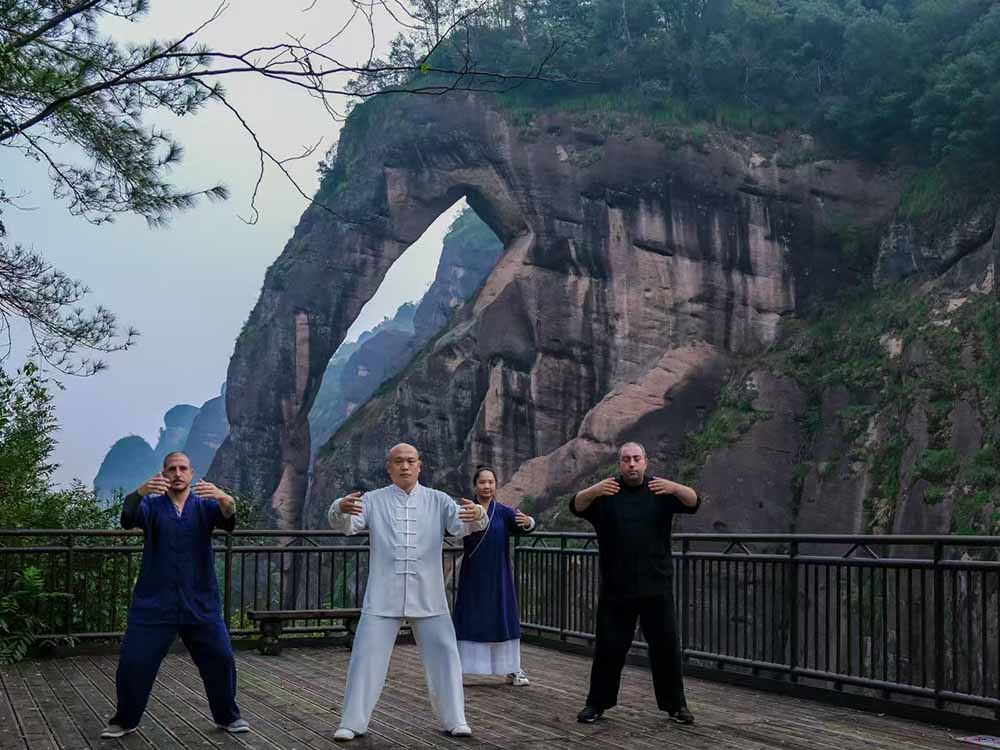
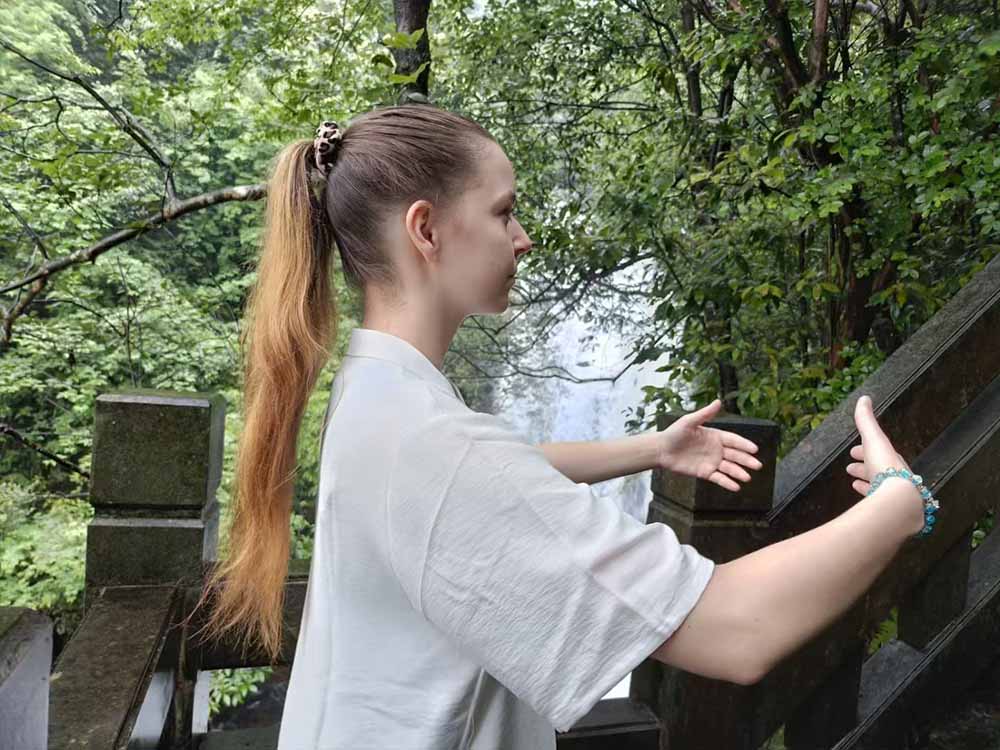
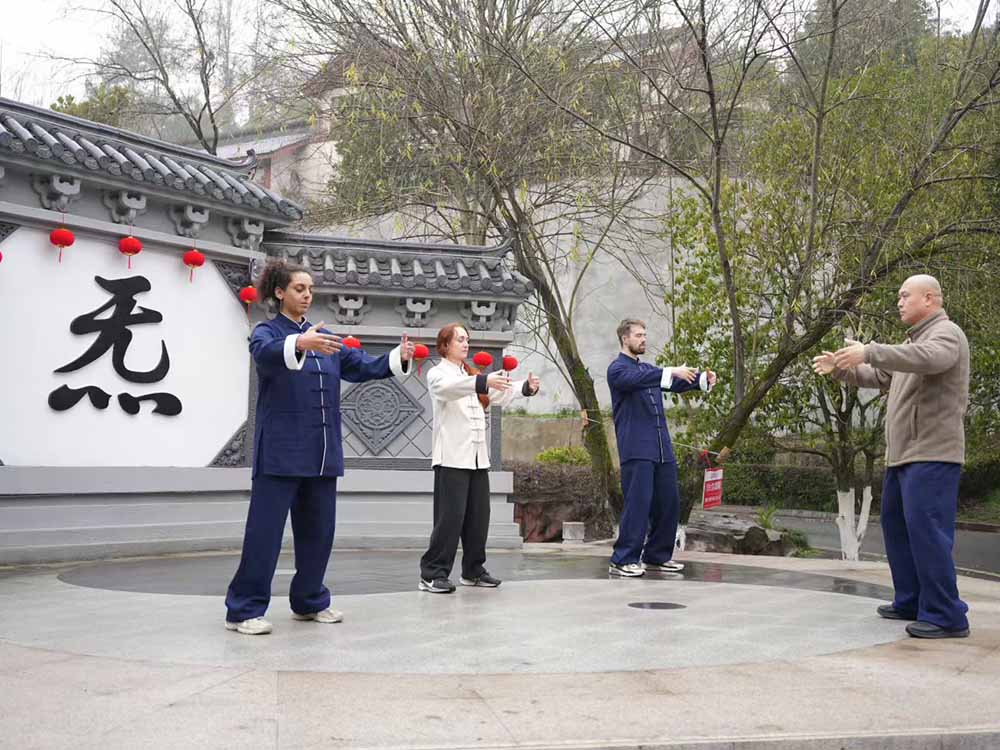
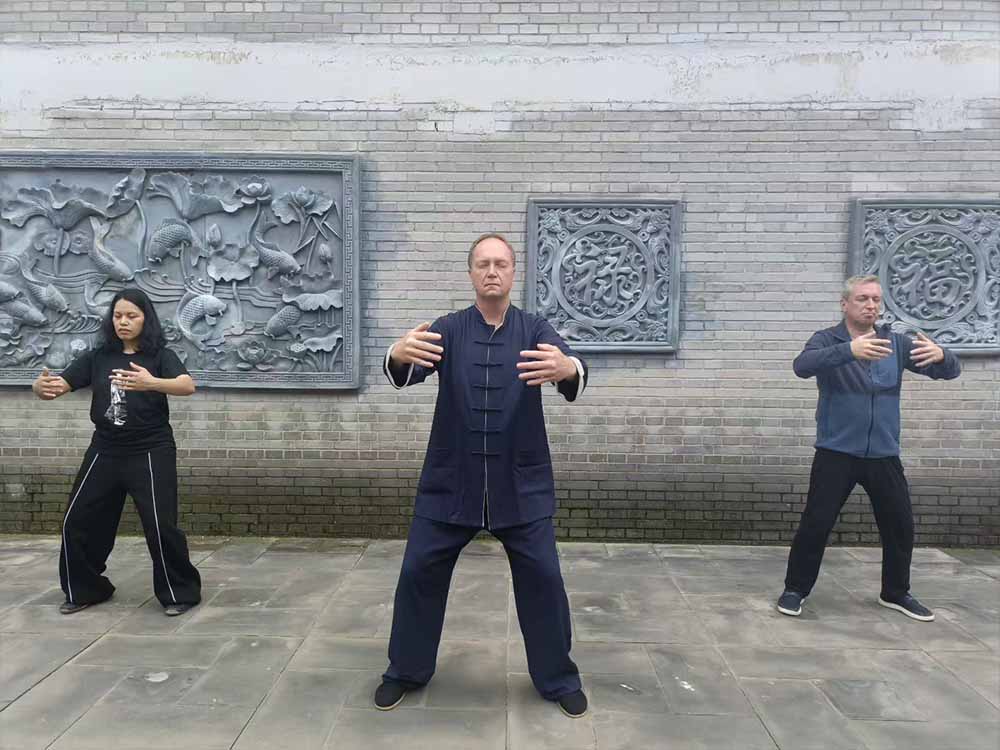
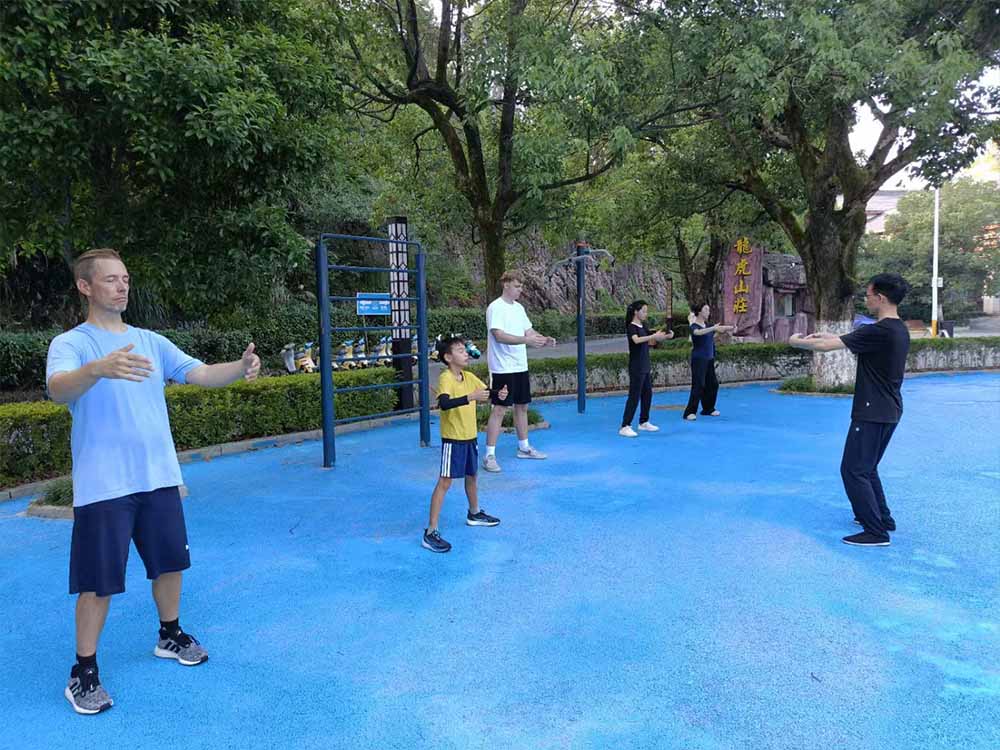
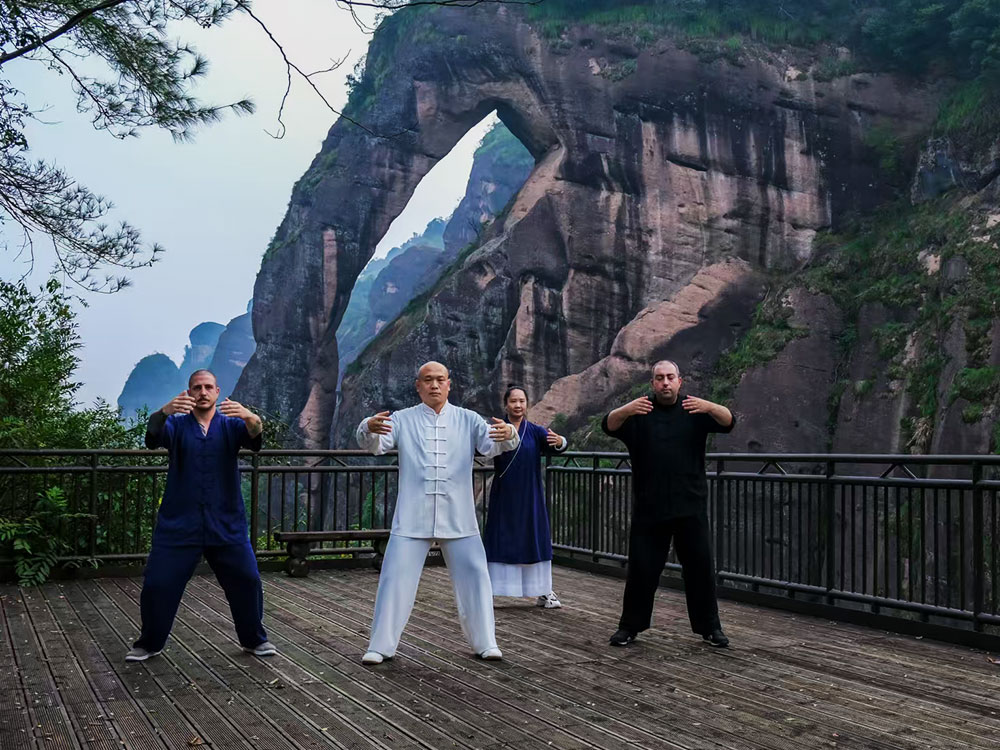
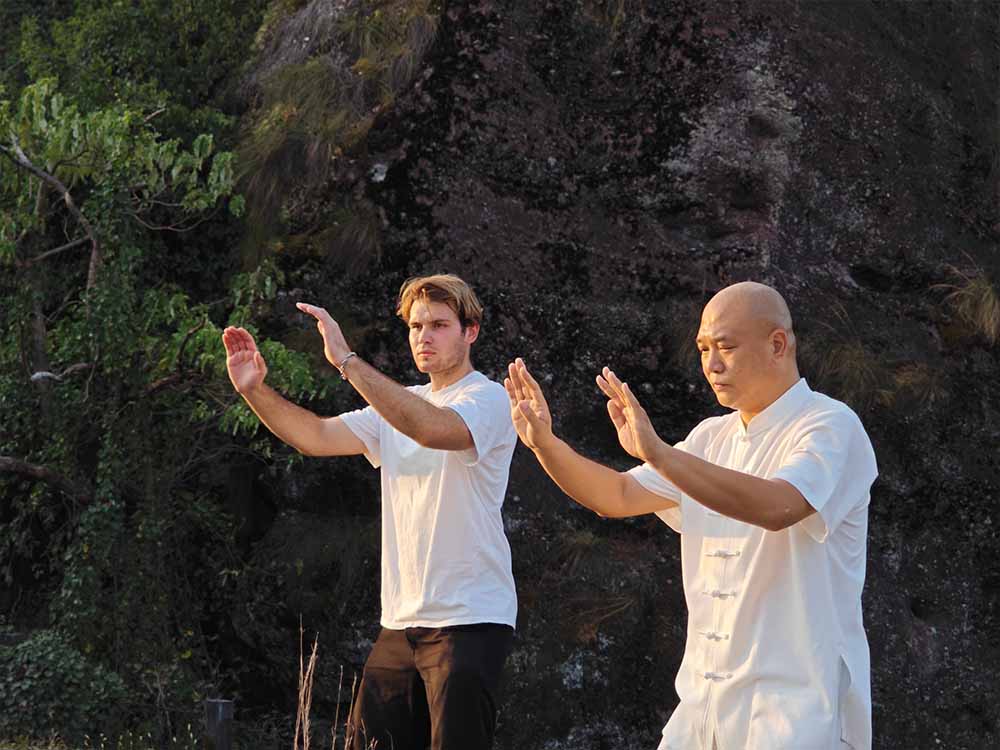
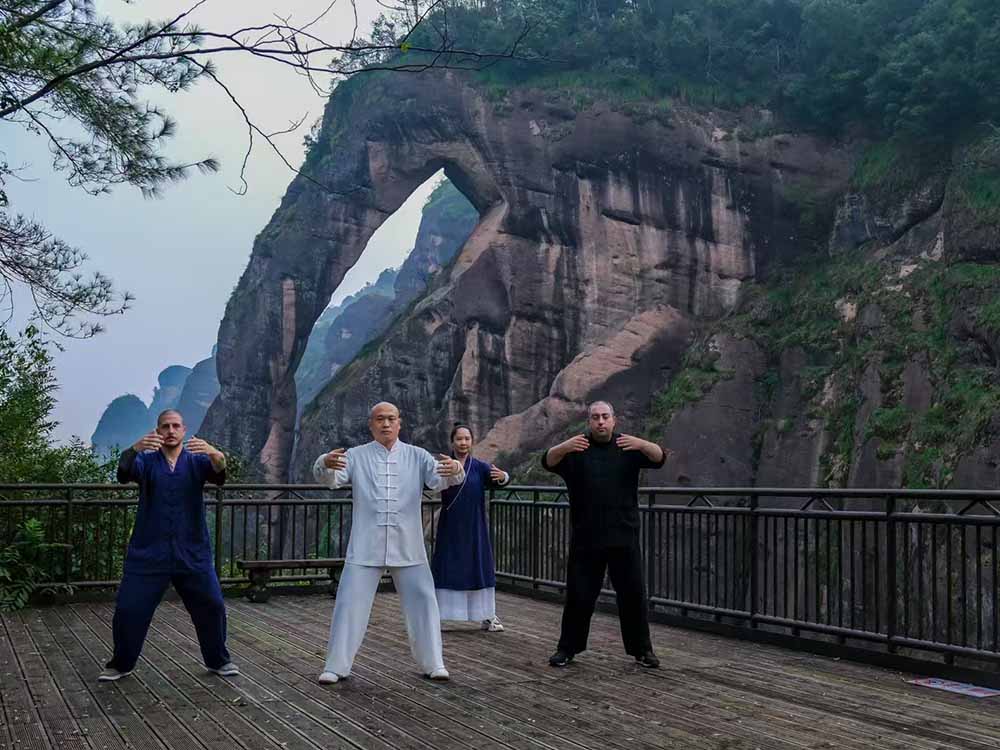
The second phase is to adopt the hugging tree posture. Slowly raise both hands to chest height, curving your arms as if lightly holding a large beach ball. Keep your fingers open, your palms facing your chest, and your shoulders dropped and heavy.
The third phase involves executing systematic tension scanning. While holding the posture, use your mind to scan down from your head to your toes. Locate areas holding residual tension, such as your jaw, neck, or lower back, and actively relax them into the skeletal frame.
The final phase is to progress daily hold times. Begin with just five minutes per day to avoid muscle fatigue. Gradually increase the holding duration by one to two minutes each week, aiming for a consistent twenty to thirty minute daily practice to experience profound neurological and physical benefits.








 WhatsApp