Layered and Tiered Instruction for All Physical Conditions: On the opening night, an assessment of all participants' martial arts foundations, past injuries, and physical coordination will be conducted to automatically group them into beginner or advanced tracks. The beginner track eliminates high-difficulty explosive movements, focusing instead on gentle standing post qi gong (Zhuang Gong), simplified strikes, and low-intensity routines—perfectly suited for middle-aged or elderly individuals dealing with joint wear and sub-health. The advanced group focuses on move deconstruction, close-quarters combat, and the refinement of traditional forms. All training movements offer high- and low-intensity variations, covering the physical needs of all ages from 12 to 75, avoiding a one-size-fits-all approach.
Integration of Mind and Body, Moving Beyond Movements to Cultural Essence: Daily cultural lectures are interwoven to bridge martial arts with TCM meridians, Confucian and Taoist wellness practices, and the local martial arts heritage of Shanxi. Rather than just teaching combat techniques, the course imparts traditional martial ethics and etiquette, correcting common misconceptions held by overseas tourists and highlighting the true purpose of martial arts: self-defense, self-cultivation, and mindfulness.
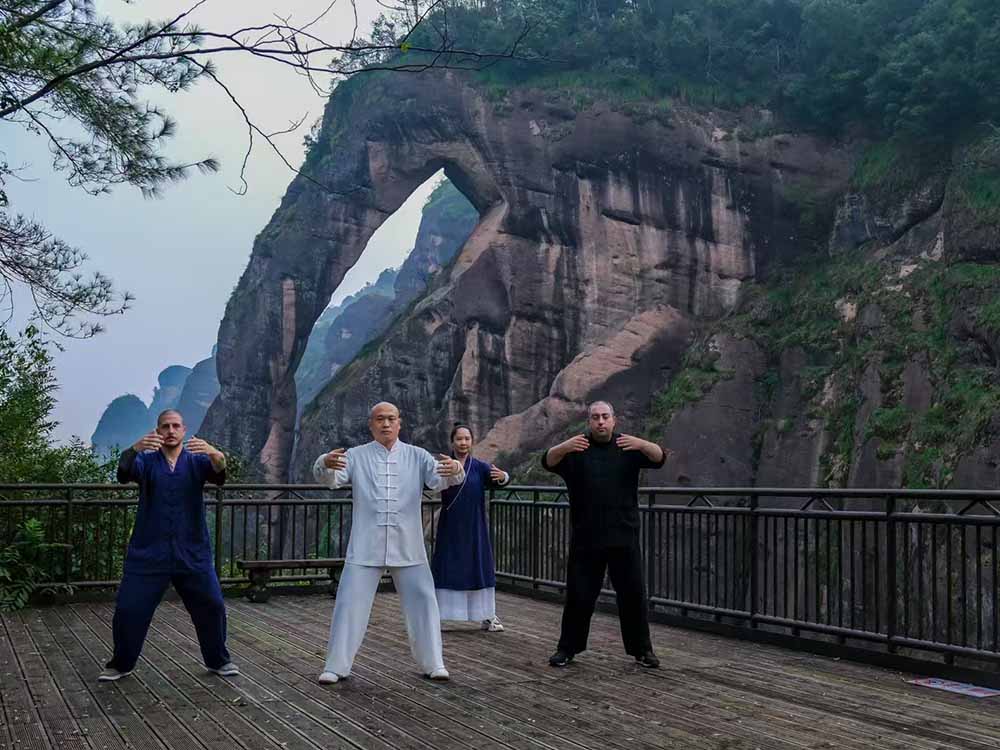
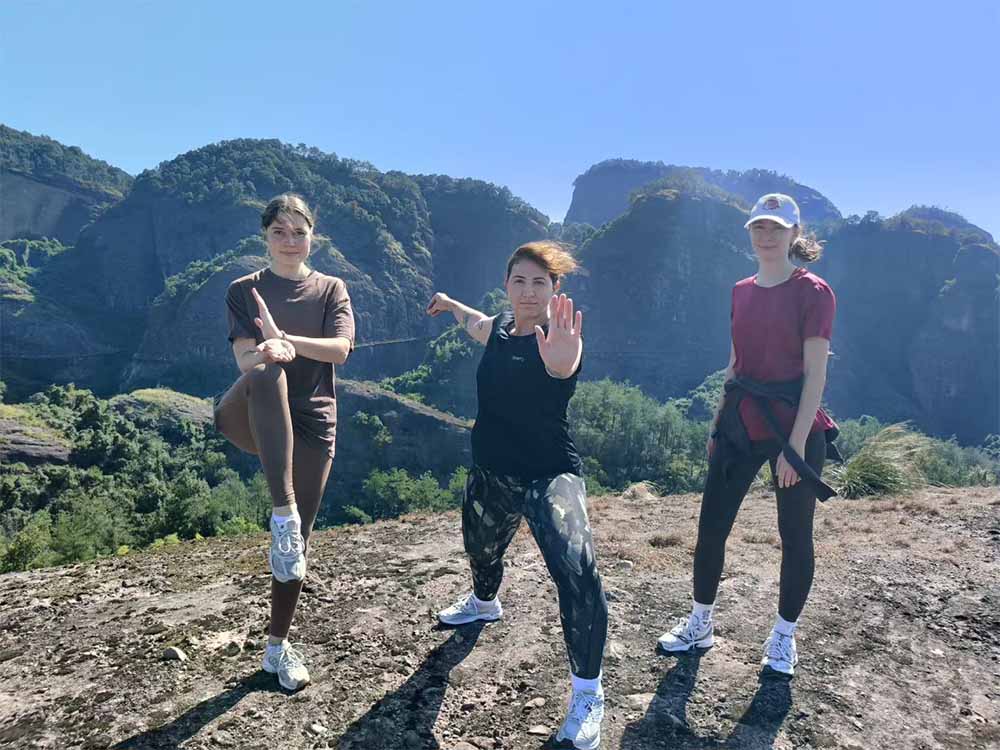
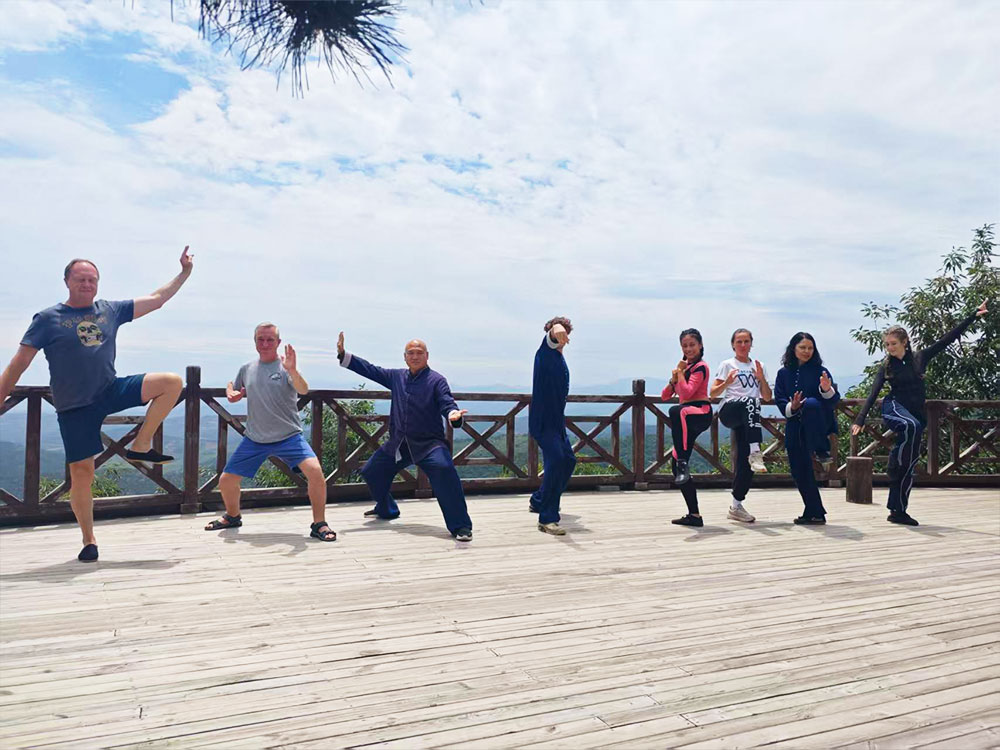
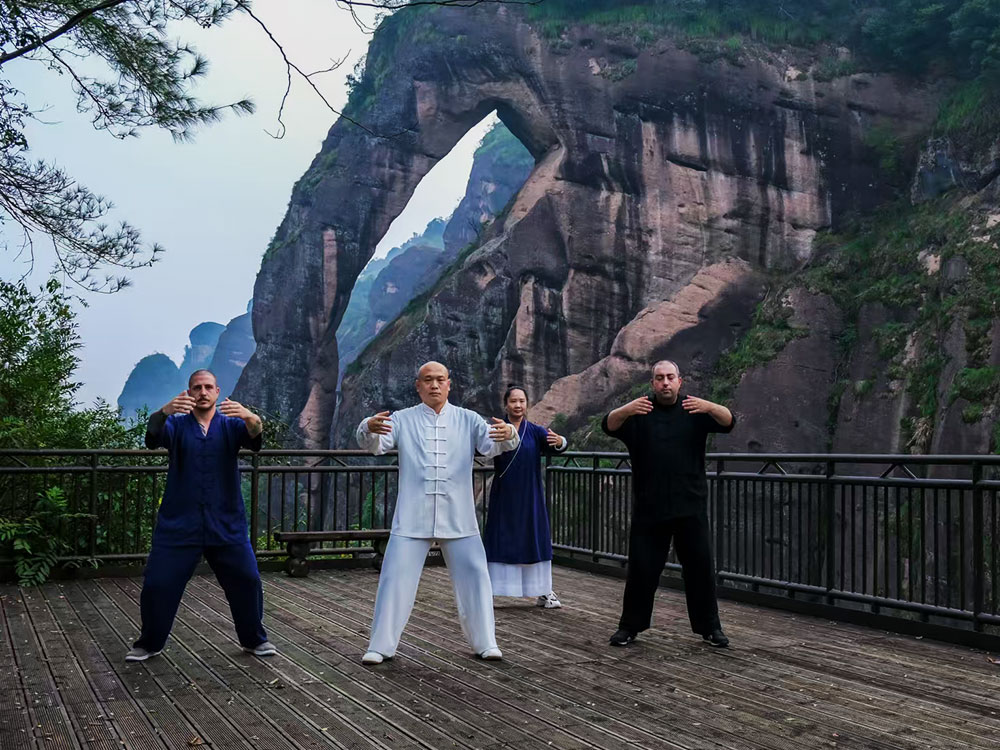
Dual Indoor and Outdoor Real-Scene Training, Tailored for Real Self-Defense: Breaking free from the limits of enclosed gym training, outdoor sessions are conducted on flat, open terrains and crowded outdoor spaces. This enhances students' physical balance, evasion, and escape capabilities in non-standardized environments, ensuring that the skills learned can be directly applied in real life.
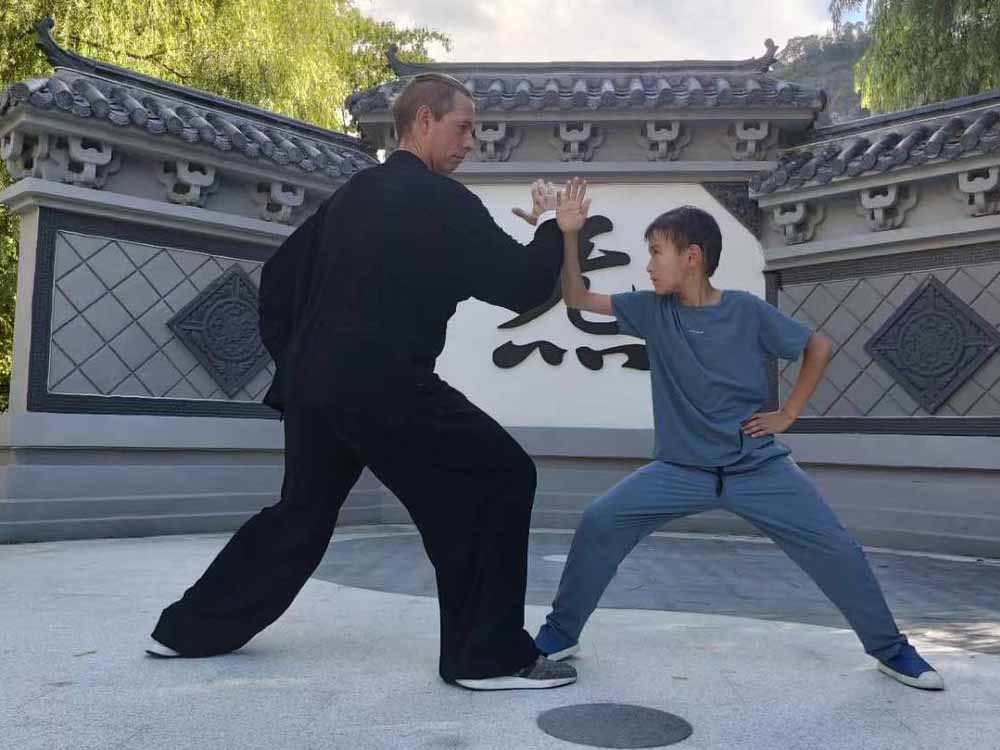
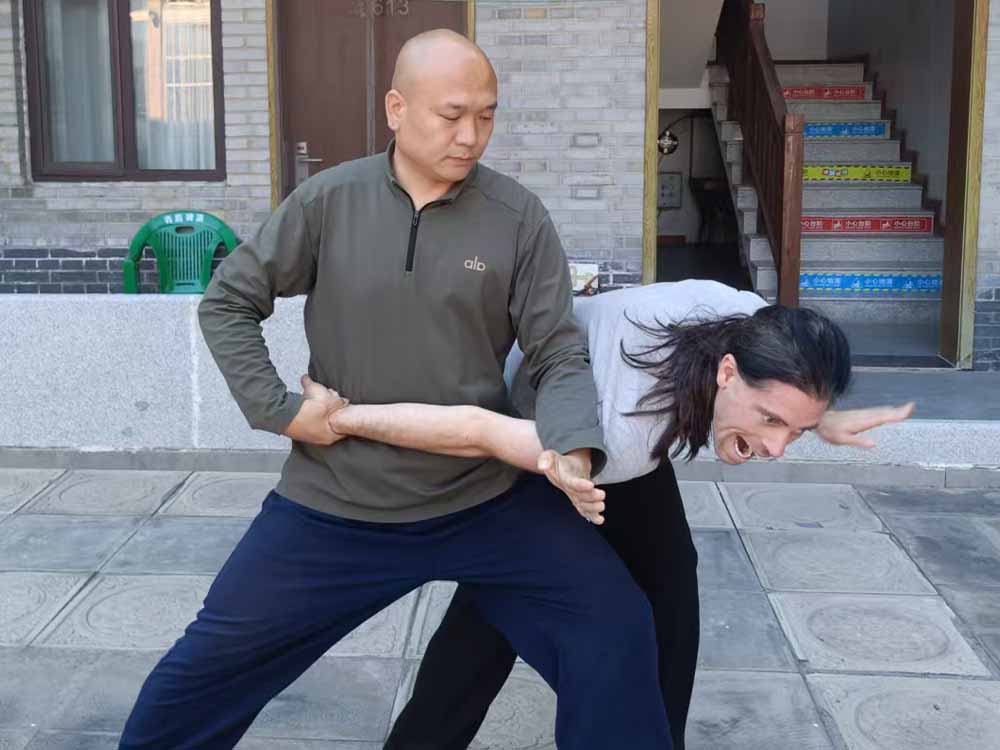
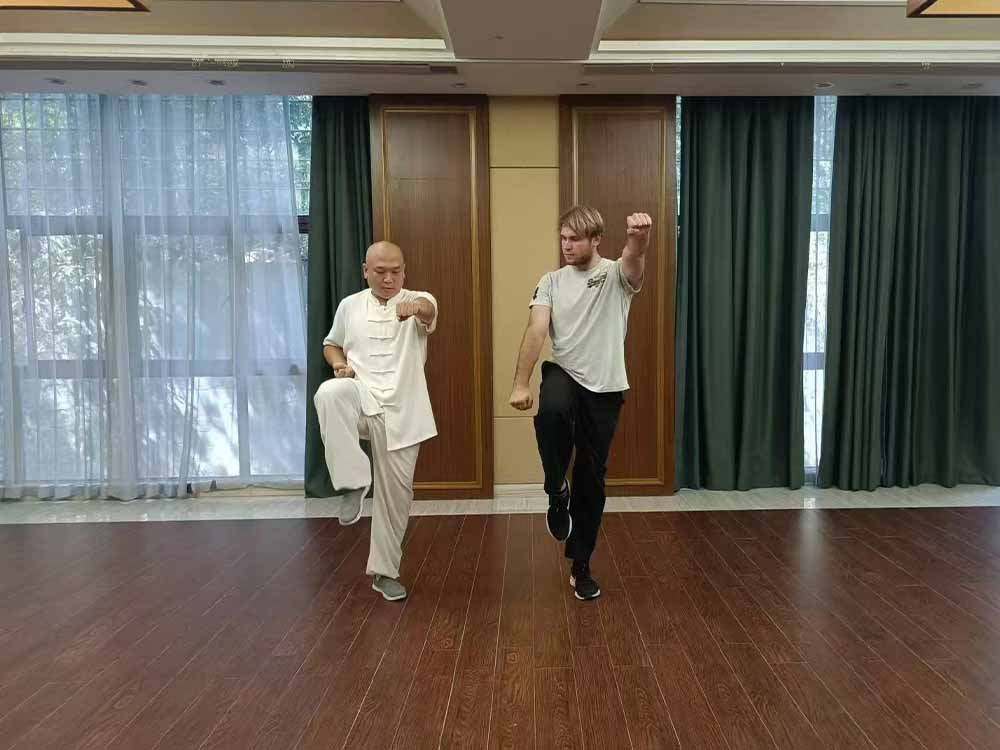
Closed-Loop Assessment and One-on-One Correction, Guaranteeing Effective Learning: The coach provides personalized, one-on-one corrections. For beginners, this fixes alignment issues and force distortion, while for advanced students, it addresses weaknesses in real-combat responsiveness. Upon graduation, all students receive a personalized movement optimization plan to ensure long-term retention after the short-term training.
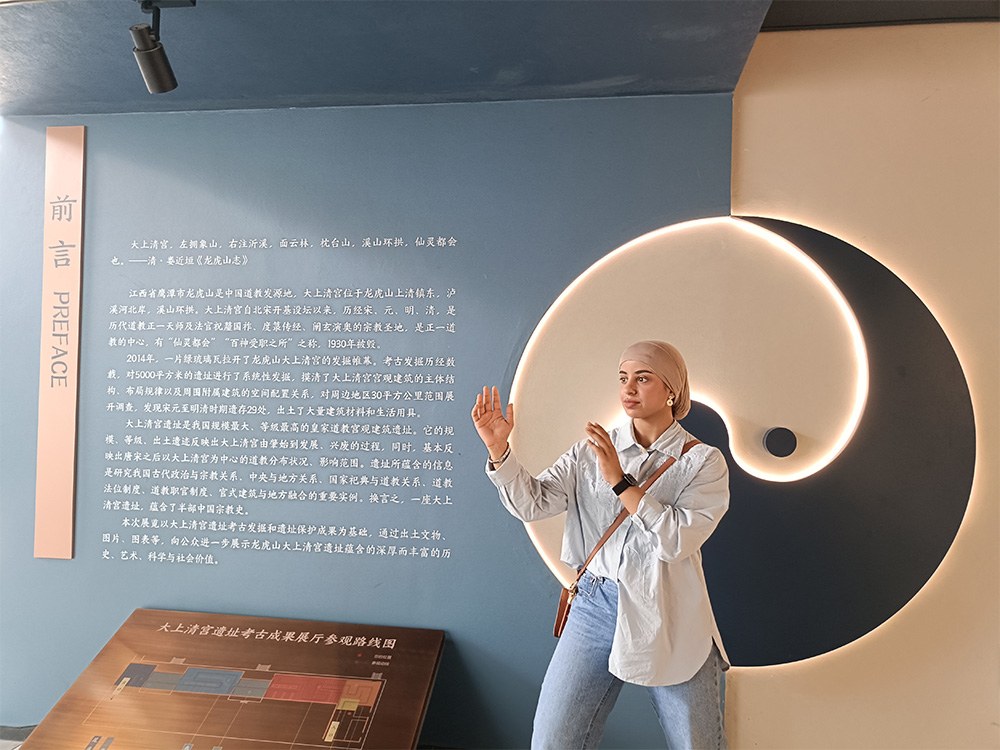
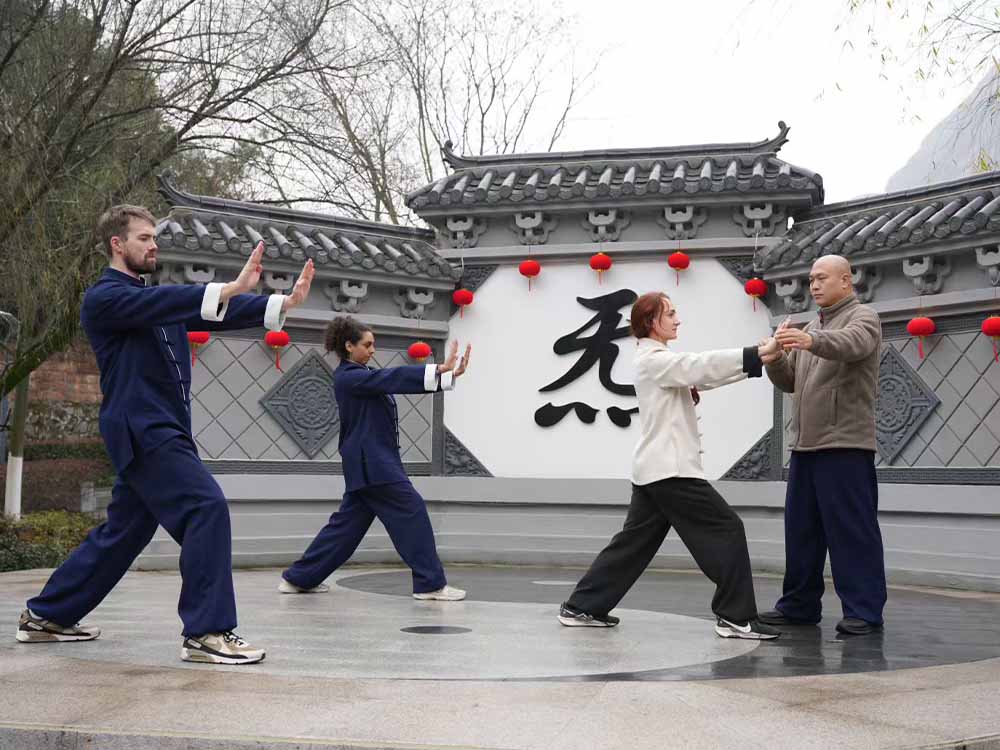
Deep Integration of Culture and Tourism, Real-Scene Non-Material Cultural Heritage Study: Utilizing Shanxi’s indigenous martial arts architecture and ancient relics for on-site immersive learning, the course features expert commentary on local folklore and non-material cultural heritage. Combined with authentic Shanxi tea tasting, it binds martial arts training with local humanities, offering a dual journey of physical exercise and cultural immersion.
Course Principles (Theoretical Benefits)
Grounded in four foundational disciplines—kinesiology, traditional Chinese medicine wellness, traditional cultural studies, and positive psychology—this course defines the long-term theoretical benefits for students in a way that is easily understood by international participants:
Kinesiology Perspective: Reversing Modern Sedentary Wear and Tear: Traditional strikes, kicks, and standing postures align with the natural biomechanical pathways of the human skeleton, preventing excessive wear on the knees and lumbar spine. Through 7 days of structured training, stiff muscle groups in the neck, shoulders, and lower back are activated, correcting rounded shoulders, hunchback postures, lower limb edema, and lumbar muscle strain. Morning training combined with abdominal breathing regulates the autonomic nervous system, alleviating anxiety, insomnia, and rapid heart rates, making it highly suitable for managing chronic health conditions in older adults.
Traditional Chinese Medicine Perspective: Unblocking Meridians and Harmonizing Qi and Blood: Chinese martial arts share a common origin with TCM meridians. The rhythmic extension and flexion of the limbs naturally unblock the body's twelve primary meridians without the need for external massage, relieving blood stasis. Paired with breath regulation and meditation, it guides the mind and body inward, reducing sub-health symptoms like chronic pain and cold hands or feet, achieving active wellness rather than passive muscle training.
Traditional Cultural Perspective: Establishing a Cross-Cultural Cognitive Framework: Starting from the evolution of Northern martial arts, the course explains the differences between the Shaolin and Tai Chi schools, tracing the historical logic of martial arts from ancient military combat to modern folk wellness. Students systematically learn martial etiquette, such as the fist-wrapping salute (Baoquan Li) and discipleship rituals, fostering a mindset of respect and restraint.
Psychology Perspective: Enhancing Stress Resilience and Emotional Management: High-intensity physical training serves as an immediate release for negative emotions, while collaborative group training builds social confidence in unfamiliar settings. Evening reflection and review sessions guide students to self-assess their physical and mental states, calming impulsive and anxious tendencies, thereby building both physical strength and inner tranquility.
Course Content
Theoretical Learning
Kung Fu Fundamentals: History of Chinese martial arts development, differences between Northern and Southern styles, distinctions between Shaolin and Tai Chi schools, and martial arts etiquette standards.
Martial Medicine and Prevention: Prevention of common sprains and strains during practice, post-exercise meridian relaxation techniques, and safety guidelines for senior students or those with chronic illnesses.
Cultural and Humanistic Studies: History of Northern martial arts inheritance in Shanxi, decoding of martial arts architecture and relics, Shanxi tea culture, and Confucian/Taoist wellness philosophies.
Practical Skills Learning (One-on-One Correction)
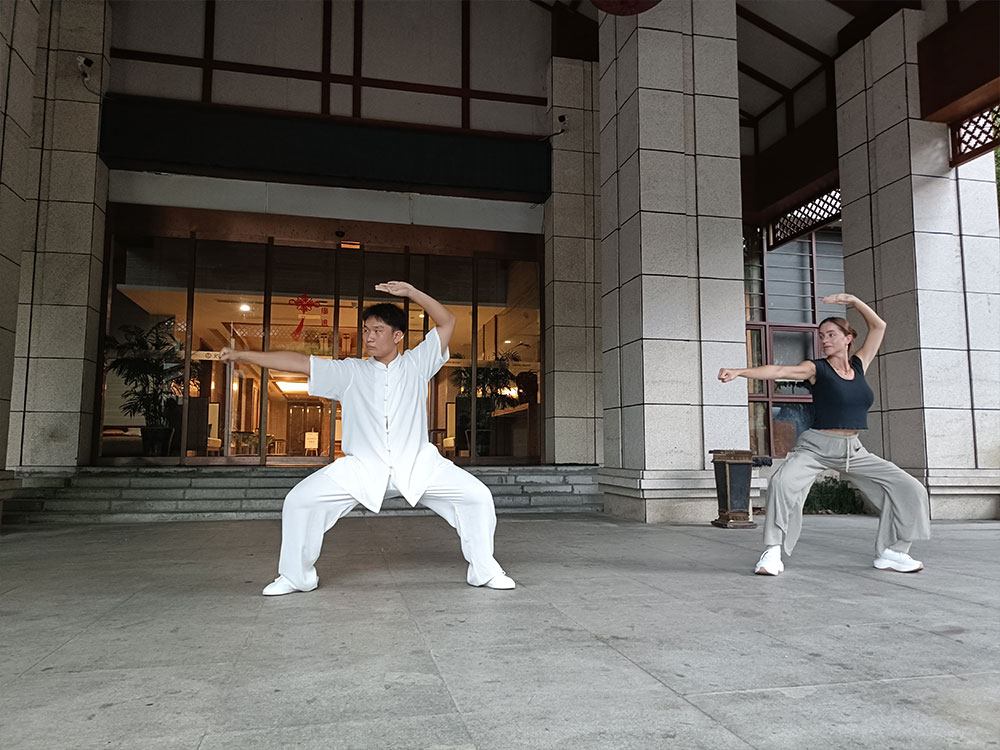
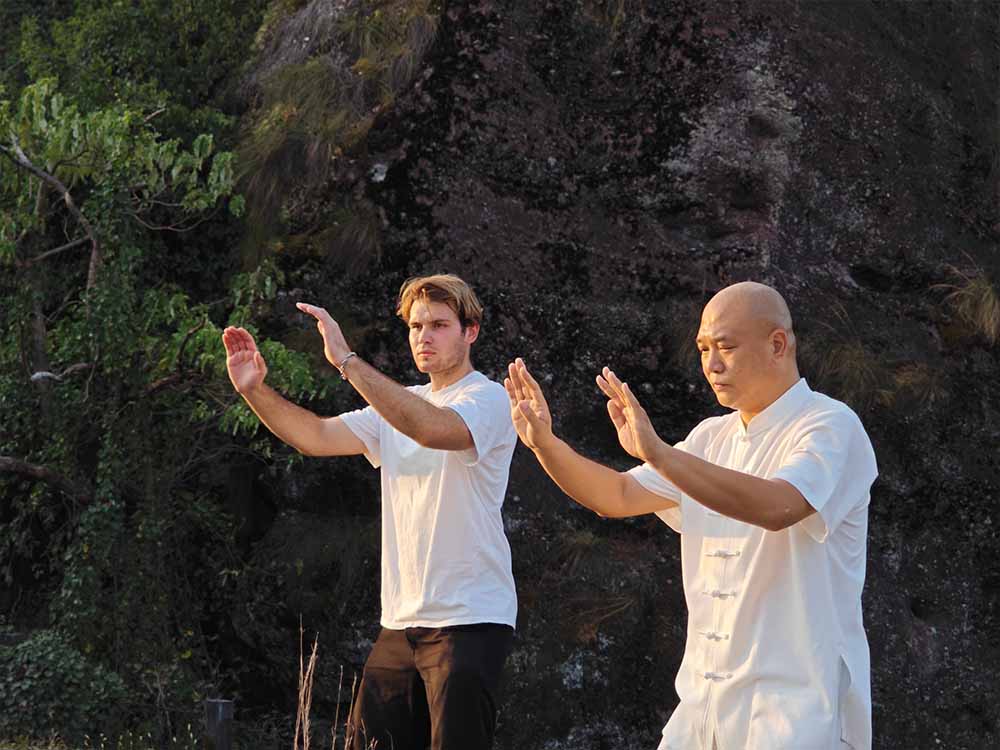
Basic Conditioning: Tai Chi Wuji standing posture (Wuji Zhuang), morning Qigong breath regulation, and full-body flexibility stretching (available in high- and low-intensity versions).
Basic Attack and Defense: Fundamental punches (straight punch, hook punch); three basic kicks (front kick, side kick, roundhouse kick); and rapid punch-kick combinations.
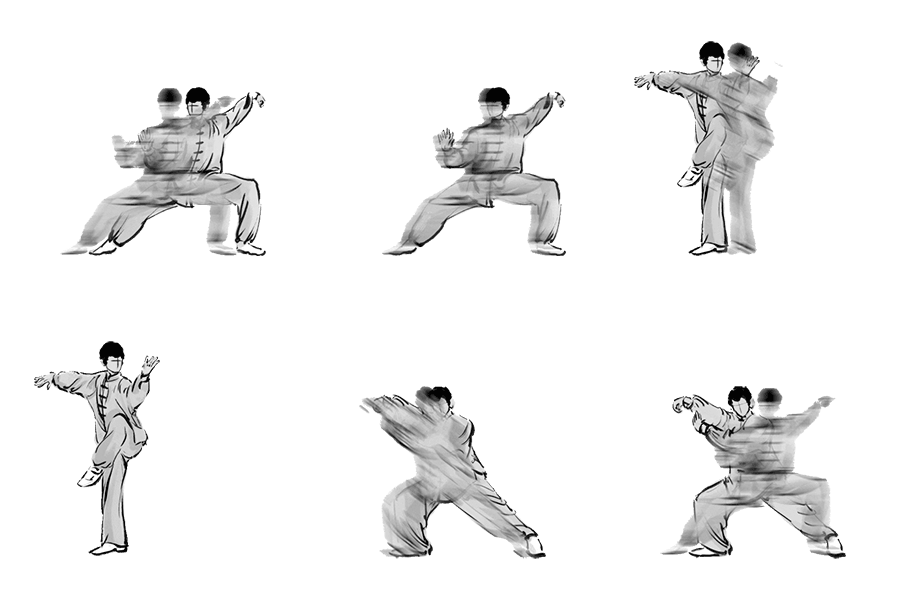
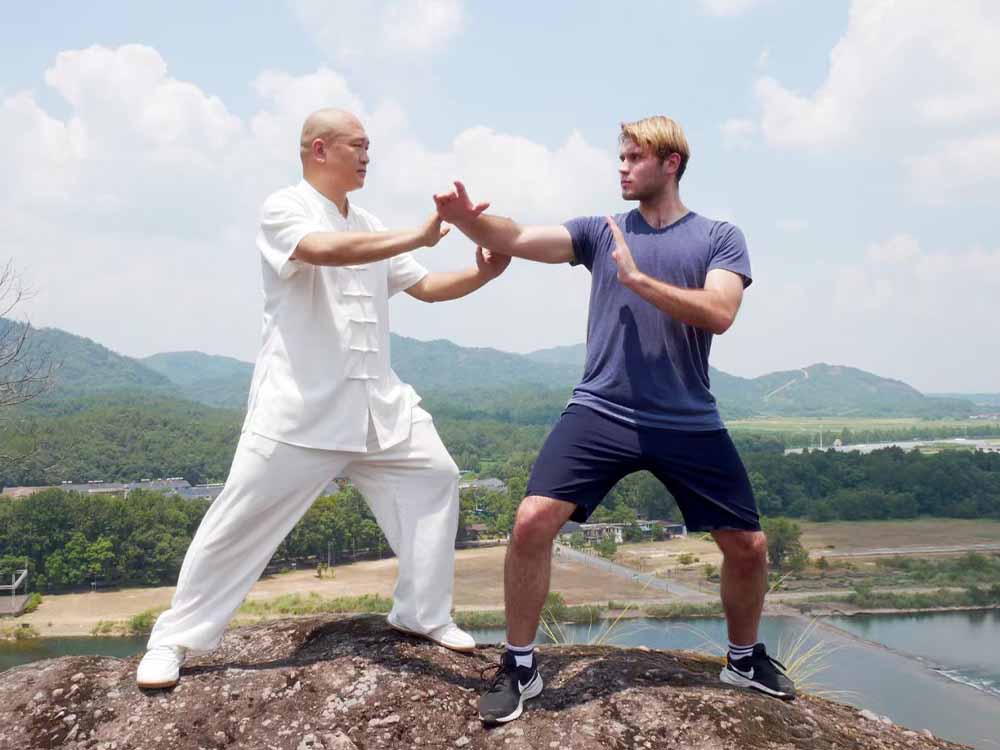
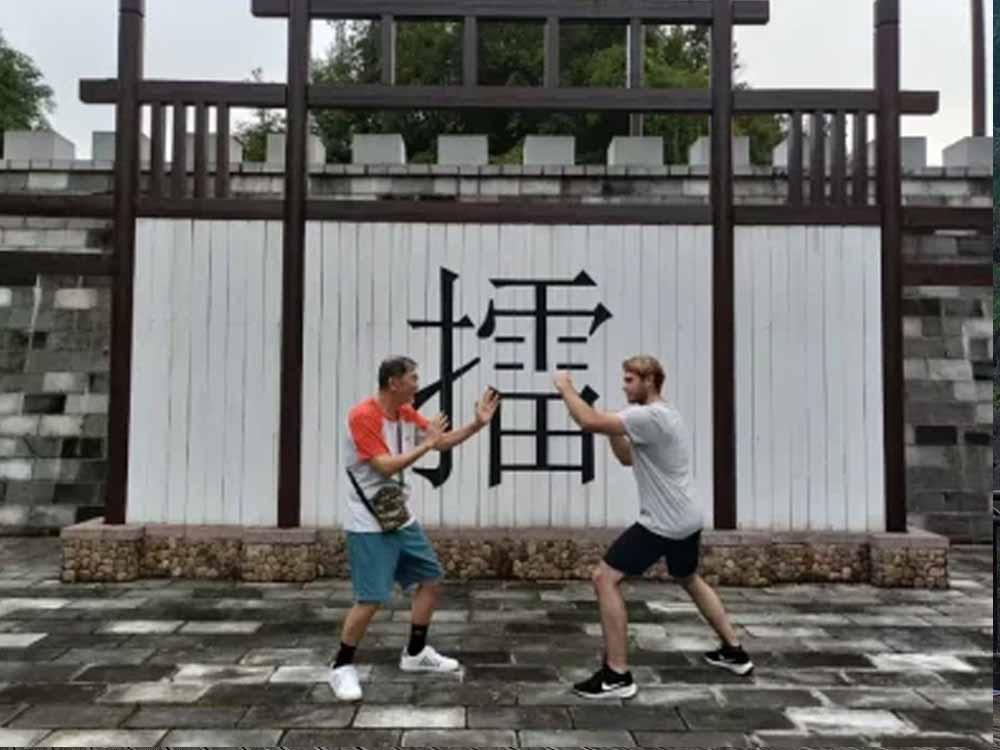
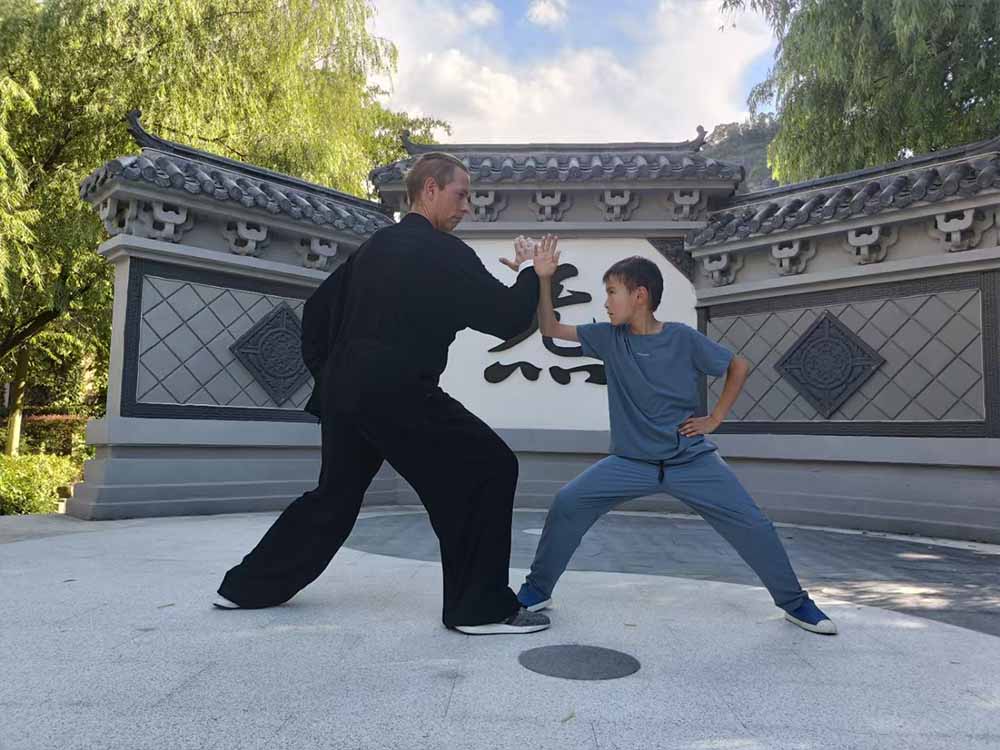
Tiered Routines: The beginner group learns simplified 24-form Tai Chi movements, Five-Step Boxing (Wubu Quan), and introductory Shaolin Short Punch. The advanced group focuses on Tai Chi Push Hands (Tui Shou) and practical Shaolin combat combinations.
Emergency Self-Defense: Evasion, blocking, and escape techniques for common daily conflicts such as close-range grabbing and frontal shoving.
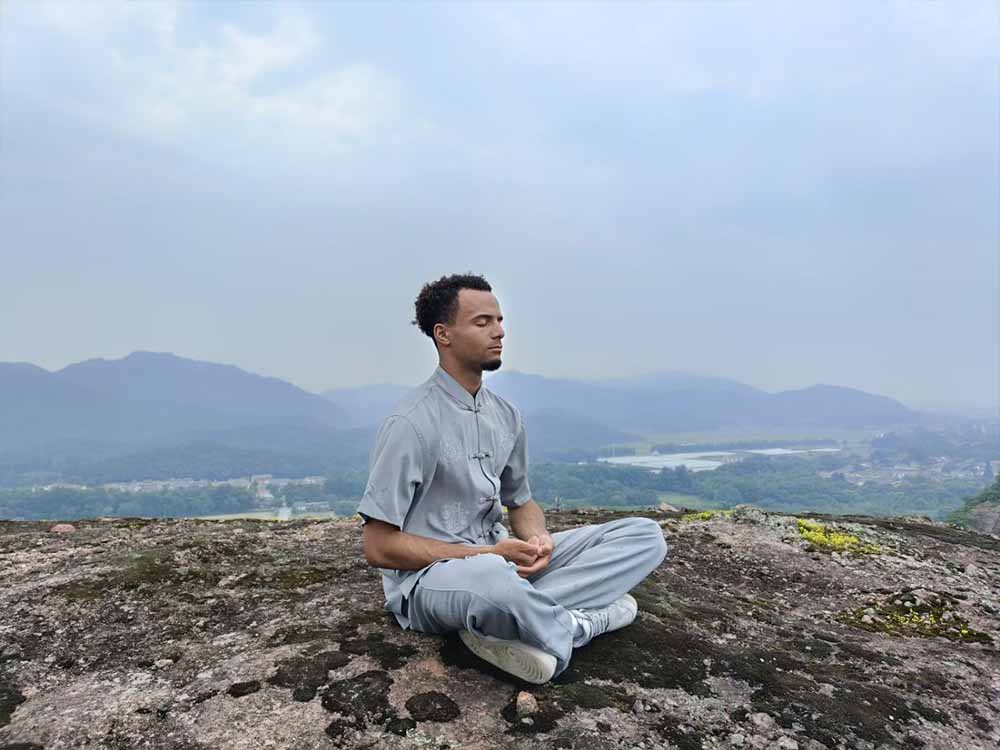
Wellness Skills: Martial arts static meditation, breath control (Tiao Xi), and autonomous post-exercise relaxation.
Cultural Tourism Extensions (With On-Site Commentary)
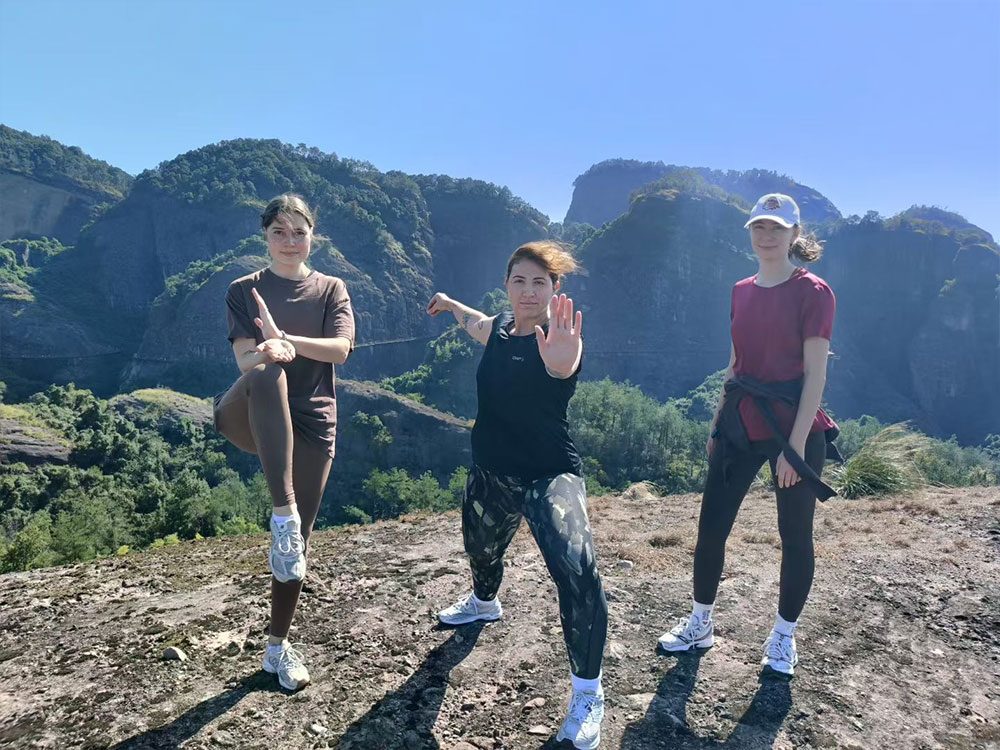
Guided tours of Shanxi’s martial arts architecture and relics, live commentary on local non-material cultural heritage and folklore, ancient-method Chinese tea tasting, mountain and stream hiking, and outdoor group kung fu collaborative drills.
Student Requirements
Age Requirements: 12 to 75 years old. Minors under 16 years old must be accompanied by a legal guardian throughout the entire camp. Seniors aged 70–75 are required to sign a Health Informed Consent Form on-site upon arrival, with no prior hospital check-ups required.
Physical Requirements: Free from exercise contraindications such as severe lumbar disc herniation, grade 3 meniscus tears, active asthma, or congenital heart disease. Stable chronic conditions such as mild arthritis, lumbar muscle strain, or high blood pressure do not need to be reported in advance, as coaches can directly adapt low-intensity training for these participants.
Language Proficiency: No prior knowledge of Chinese is required. The course is fully taught in English, and all materials, explanations, and communications will be in English. Participants only need to possess basic English listening and speaking skills.
Martial Arts Foundation: Open to all levels including complete beginners, introductory, and advanced students. No prior martial arts experience is necessary.
Behavior and Discipline: Observe martial ethics and etiquette, and follow the coach's instructions and coordination. Practicing high-risk combat moves privately is strictly prohibited. Participants must not leave the group to act alone during outdoor studies or hiking, and any roughhousing or conflicts are forbidden.
Items to Bring
Clothing and Gear
Training Attire: 2–3 sets of sportswear, athletic/running shoes, and a light windbreaker jacket (as the temperature difference in the mountains and forests between morning and evening exceeds 8°C). Wearing sharp accessories such as necklaces, bracelets, or stud earrings during training is strictly prohibited.
Personal Daily Necessities
Personal Items: A complete set of toiletries and other personal care essentials.
Documents and Valuables
Identification: Original passport or ID card. It is recommended to bring your own luggage lock to secure personal belongings.
Tuition Includes
Instructional Service Fee: Low coach-to-student ratio and one-on-one teaching by Coach Shen Jiangfei throughout the entire camp, along with assessments, reviews, and movement corrections.
Accommodation and Meals Fee: 7 days of double occupancy standard room accommodation at the camp (featuring a private bathroom and shower), daily low-fat, high-protein athletic nutritional meals, and 24/7 free drinking water.
Venue Fee: Usage fees for the indoor martial arts hall and outdoor training grounds.
Shared Materials Fee: Shared training first-aid kits, tea ingredients for the Chinese tea tasting sessions, and shared outdoor protective supplies.
Logistics and Security Fee: Complete itinerary coordination and daily catering and accommodation logistics support throughout the journey.
Tuition Excludes
Round-Trip Transportation: Airfare, high-speed rail, self-driving fuel, and toll costs from the student's departure point to the study camp.
Personal Expenses: Out-of-pocket expenses such as snacks, local souvenirs, personal extra meals, laundry services, and additional physical therapy or massages.
Medical Compensation Expenses: Medical expenses resulting from the recurrence of a student's pre-existing injuries or chronic illnesses, as well as compensation for the loss or damage of personal items.
Expenses Outside the Itinerary: Transportation, accommodation, admission tickets, and safety risk expenses incurred by leaving the group without permission.
Visa Fees: All costs arising from the visa application process.












 WhatsApp