Tai Chi is a jewel of traditional Chinese martial arts and a recognized UNESCO Intangible Cultural Heritage. It organically blends ancient Chinese philosophies, including Tai Chi, Yin and Yang, and the Five Elements with traditional Chinese medicine meridian theories, deep breathing guidance, and martial arts combat applications.
Its core characteristics involve overcoming harshness with softness, alternating between speed and slowness, and borrowing the opponent's momentum to redirect force. In modern times, it serves as a holistic body-mind exercise system that integrates physical health, self-defense, and mental cultivation.
Major Lineages and Styles of Tai Chi
Through centuries of inheritance and evolution, Tai Chi has branched into several distinct styles. The five traditional lineages are recognized worldwide for their unique features.
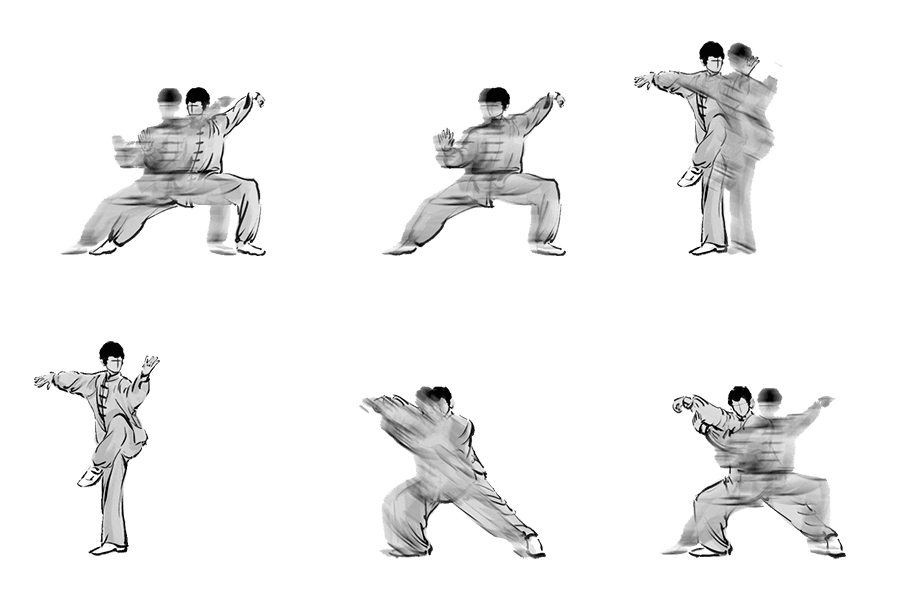
Chen Style, founded by Chen Wangting, is the ancestral style of Tai Chi. It combines hardness with softness, alternates fast and slow movements, and features explosive power release, jumping, and foot stomping.
Yang Style, founded by Yang Luchan, is the most popular style globally. It features extended, graceful, and generous postures with movements that are gentle, slow, and continuous, flowing beautifully like rivers and clouds.
Wu Style, founded by Wu Yuxiang, is characterized by compact postures with agile footwork. The movements have a smaller range of motion, strictly emphasizing the internal transition of empty and full states along with core folding.
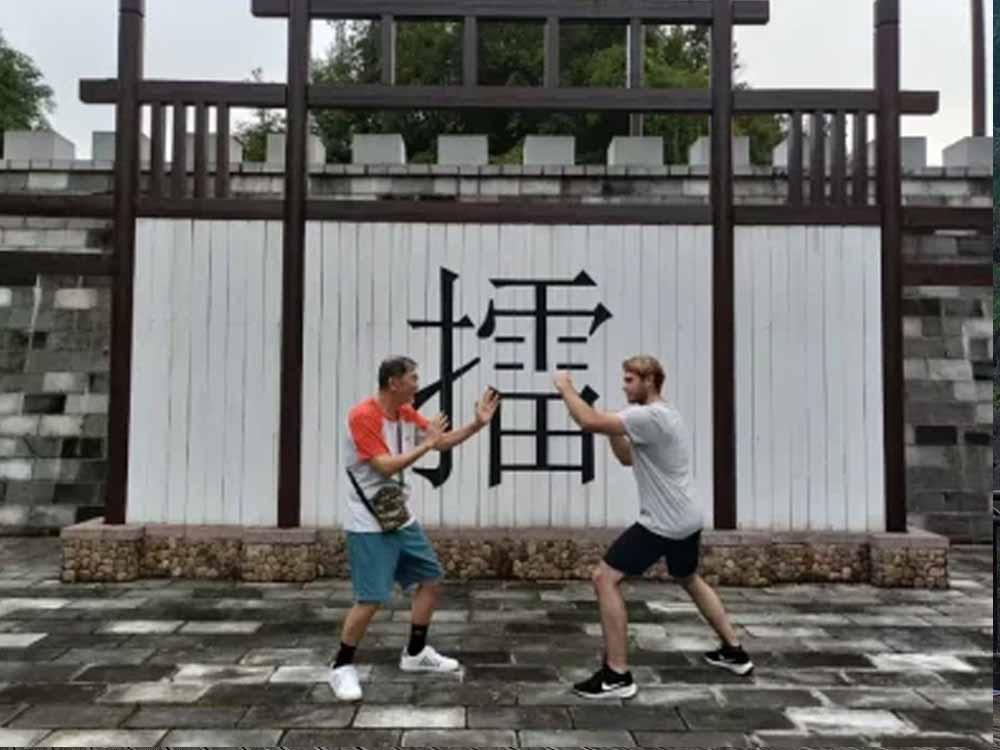
The other Wu Style, founded by Wu Jianquan, was derived from the Yang style. Its postures appear tilted yet remain perfectly centered, compact, and meticulous. It is highly famous for its soft redirecting skills in push hands.
Sun Style, founded by Sun Lutang, merges the arts of Xingyi, Bagua, and Tai Chi. It combines opening and closing movements with highly active, agile, and stepping footwork, often referred to as live-step Tai Chi.
History of Tai Chi
The historical trajectory of Tai Chi can be summarized as originating in folklore, thriving in the late Qing Dynasty, and flourishing in the modern era.
It began in the mid-seventeenth century in Chenjiagou, Henan Province, where it was created by Chen Wangting through the combination of family martial arts and deep breathing guidance.
During the mid-Qing Dynasty, the art developed significantly when Yang Luchan learned the skills in Chenjiagou and later brought them to Beijing to teach, spreading Tai Chi widely across China.
From the late Qing to the Republican Era, the art underwent a period of branching, differentiating into the Yang, Wu, Sun, and other major styles, which was also when the name Tai Chi Chuan was officially established.
In the modern era, from the nineteen-fifties to the present, Tai Chi achieved global popularity. The Chinese government introduced the Simplified Twenty-Four Forms, allowing Tai Chi to cross international borders and grow into a worldwide wellness movement.
Principles of Tai Chi Kung Fu
Tai Chi's ability to defeat the strong with softness lies in its rigorous mechanical and physiological principles.
The principle of Yin and Yang, Empty and Full dictates that weight distribution, force delivery, and breathing are always divided into empty and full states. Empty does not mean completely powerless, and full does not mean stiffly rigid.
The principle of Silk-Reeling and Spiral Force ensures that force does not travel in a straight line. Instead, it rotates outward like a screw, creating immense penetrative and neutralizing power.
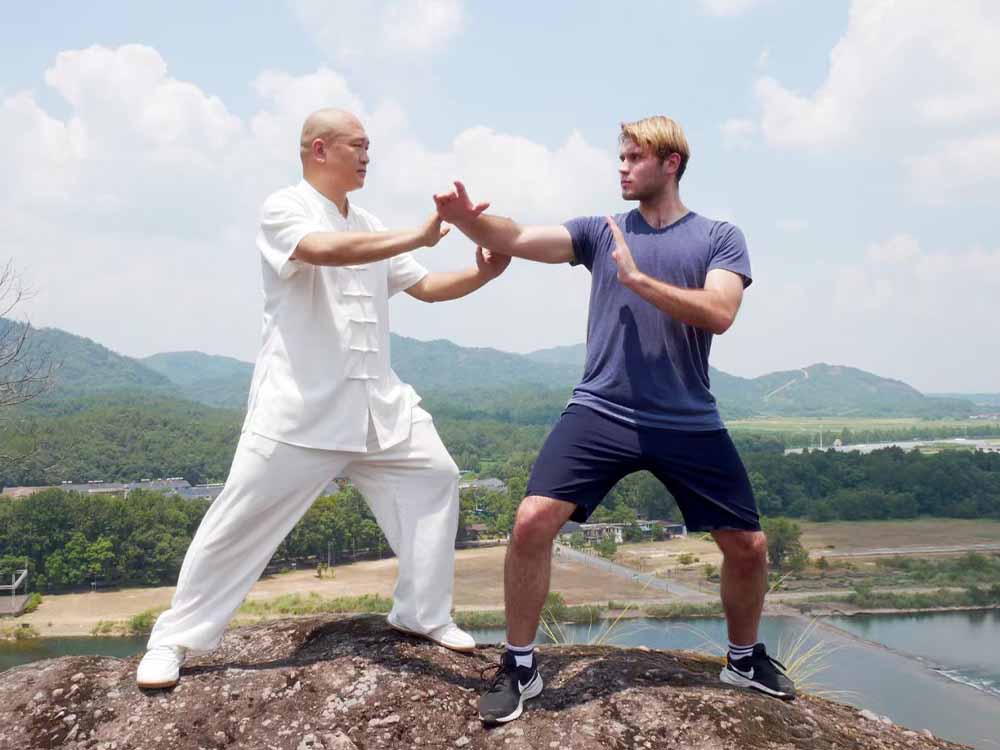
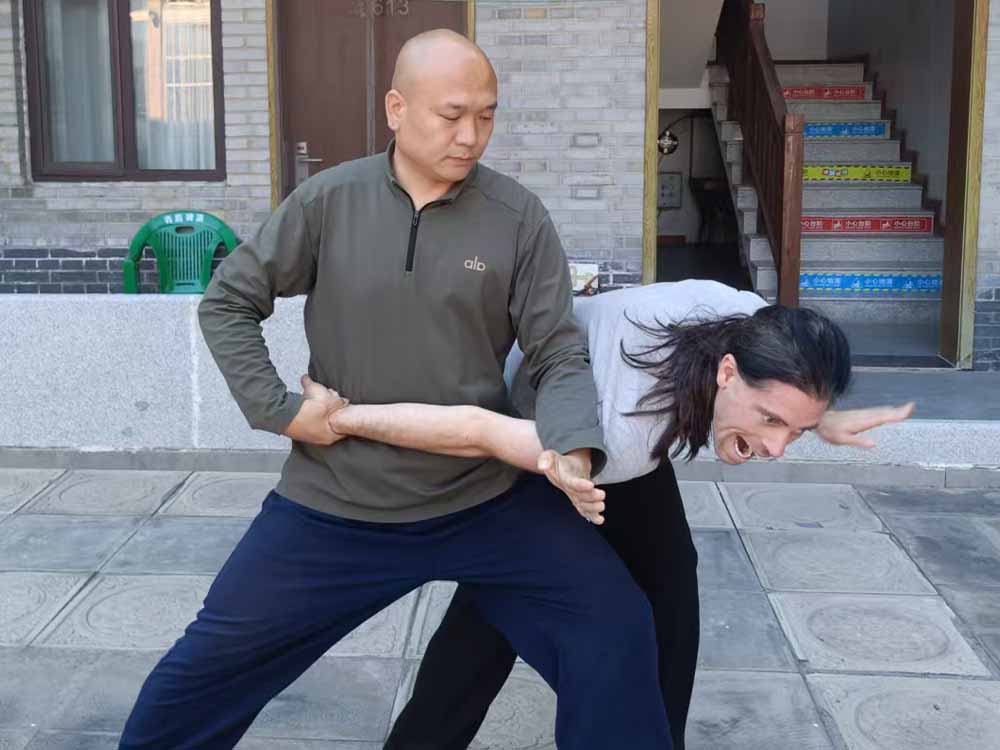
The principle of Defeating Hardness with Softness emphasizes never directly countering an opponent's raw force. Instead, a practitioner yields to the incoming force, redirects its trajectory, and causes the opponent to lose balance by borrowing their own momentum.
The principle of Sinking Qi to the Dantian relies on deep diaphragmatic breathing to stabilize the center of gravity, allowing the mind to lead the movement so that the mind guides the Qi, and the Qi drives the physical form.
Benefits of Practicing Tai Chi
Modern science has verified Tai Chi as an excellent low-impact, full-body aerobic exercise that offers profound health benefits.
It enhances joint and bone health through unique stepping methods that significantly strengthen lower body muscles, improve overall balance, and effectively prevent falls in older adults.
It provides stress relief and neurological regulation by demanding a quiet mind and loose body, which helps relieve anxiety, improves insomnia, and regulates the autonomic nervous system.
It delivers a cardiopulmonary and immune boost, as deep, slow breathing increases lung capacity, promotes efficient blood circulation, gently massages internal organs, and enhances immunity.
It supports healthy aging by clearing the body's meridians and maintaining joint flexibility, serving as an excellent auxiliary recovery tool for chronic conditions such as hypertension and arthritis.
How to Master Tai Chi Kung Fu?
To truly advance from a beginner to an adept practitioner, you should follow a systematic five-step progression.
First, seek correct alignment. Do not rush to learn too many forms at once. Master the basics first, including stance keeping and fundamental footwork like the bow stance and empty stance. Keep your posture upright, comfortable, and centered while avoiding leaning forward or backward and eliminating hunched shoulders.
Second, prioritize relaxation, known as Song. The biggest hurdle in Tai Chi is achieving this true state of relaxation. This does not mean limpness or slumping, but rather the conscious relaxation of muscles and joints while keeping a well-supported skeletal structure, often described as the feeling where muscles hang loosely off the bone.
Third, maintain continuity and uniformity. Keep your speed completely uniform during practice, avoiding sudden acceleration or deceleration. Movements should flow continuously like silk being drawn smoothly from a cocoon, ensuring all joints lock and rotate together like interlocking gears.
Fourth, allow breathing to occur naturally. Beginners must not force their breathing to match their movements, as this easily leads to breath-holding and tension. Focus on letting your movements follow your natural breath first, and as your movements become second nature, deep abdominal breathing will develop on its own.
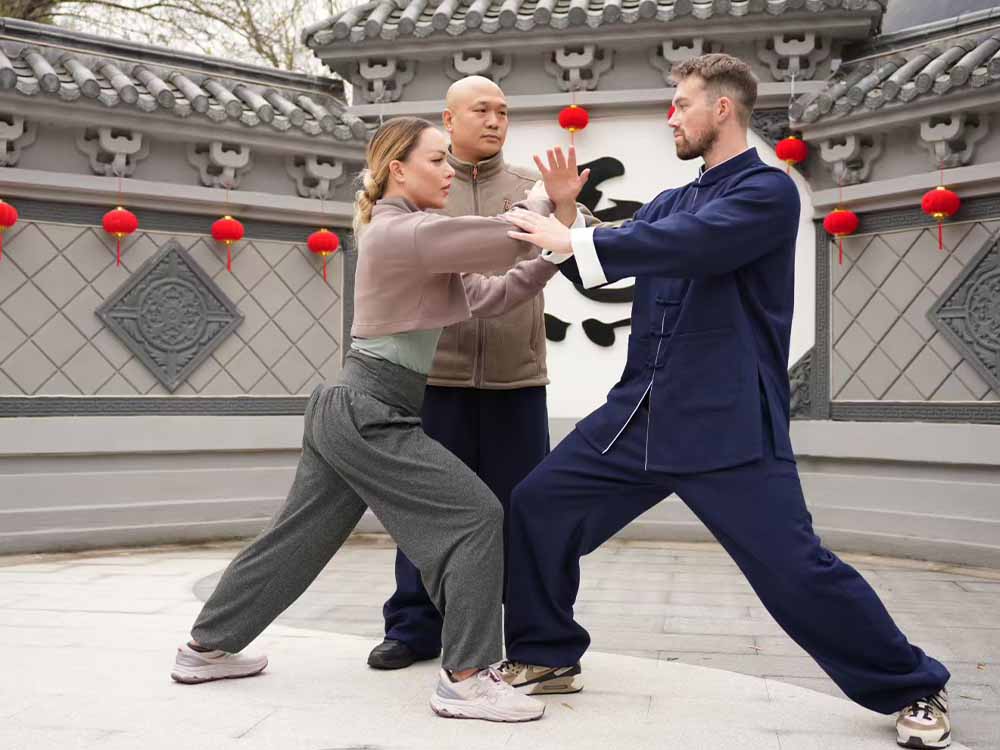
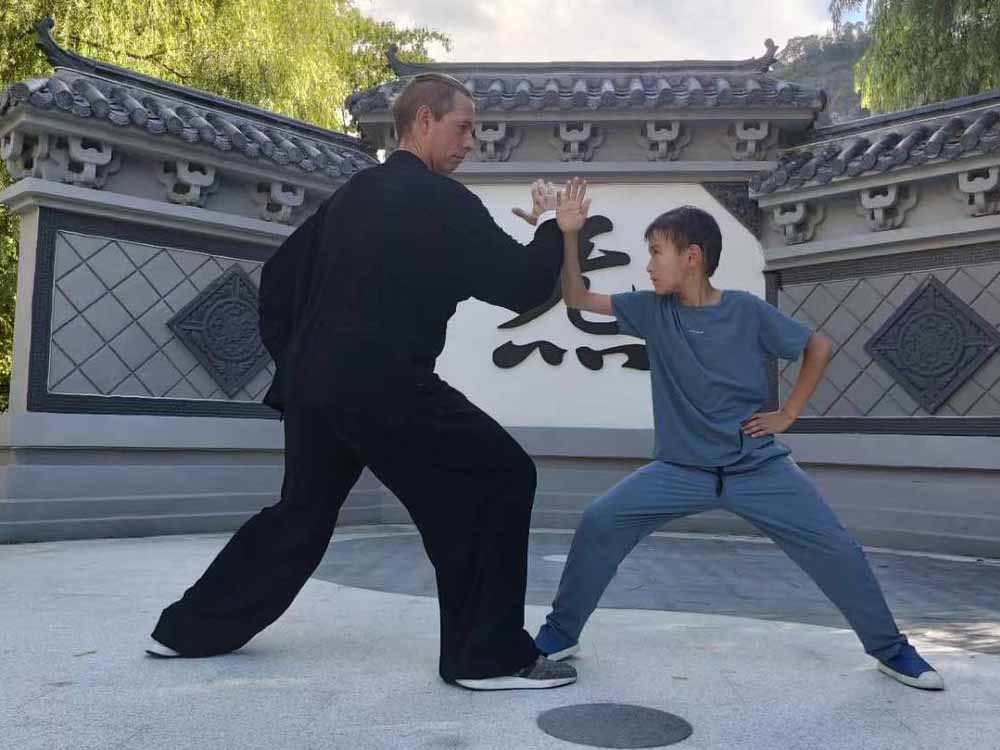
Fifth, understand the martial applications. Do not just practice an empty shell of movements. You must understand the defensive or offensive meaning behind every single move, such as knowing exactly how a posture functions to ward off, rollback, press, or push. Only when you know why you are making a move will your intent, gaze, and internal force lock precisely into place.
Where to learn Tai Chi Kung Fu?
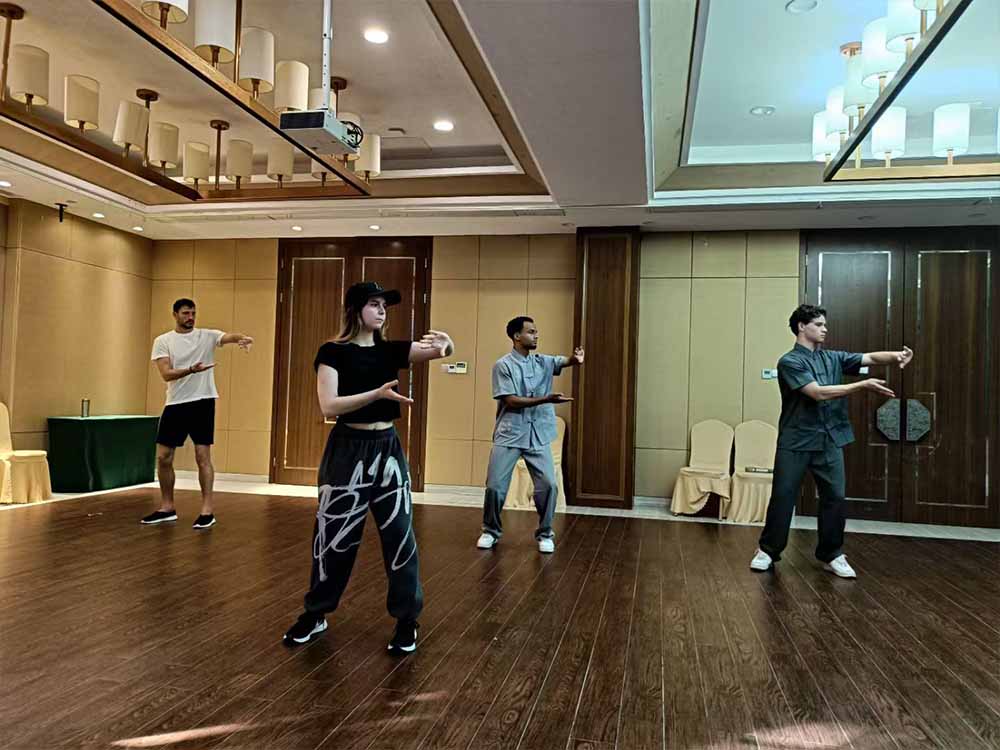
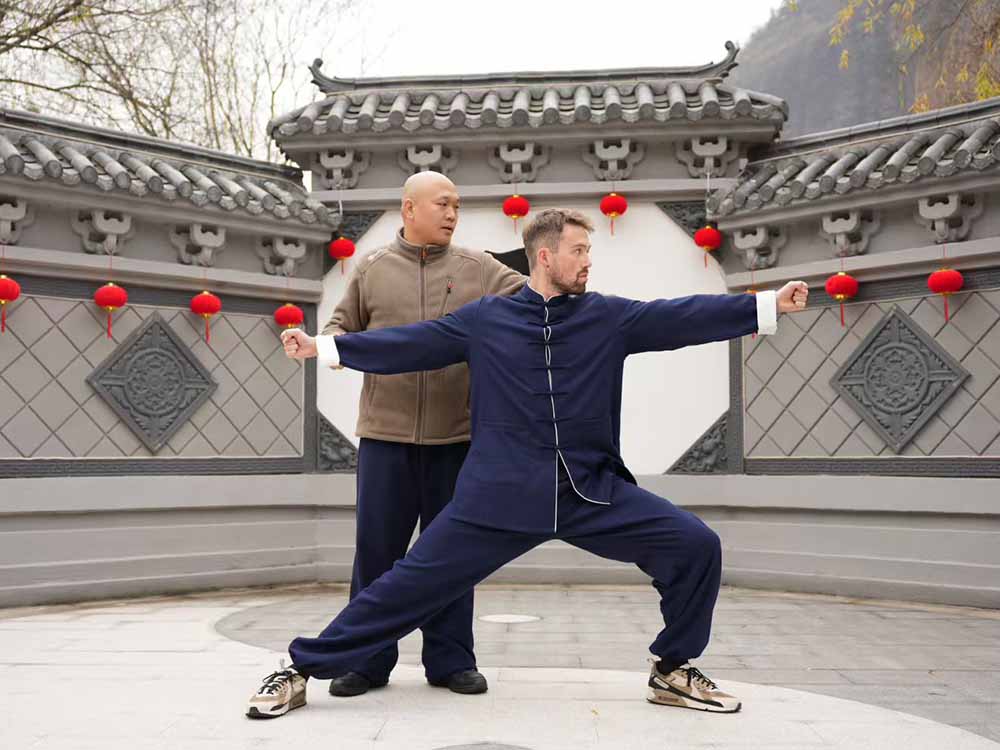
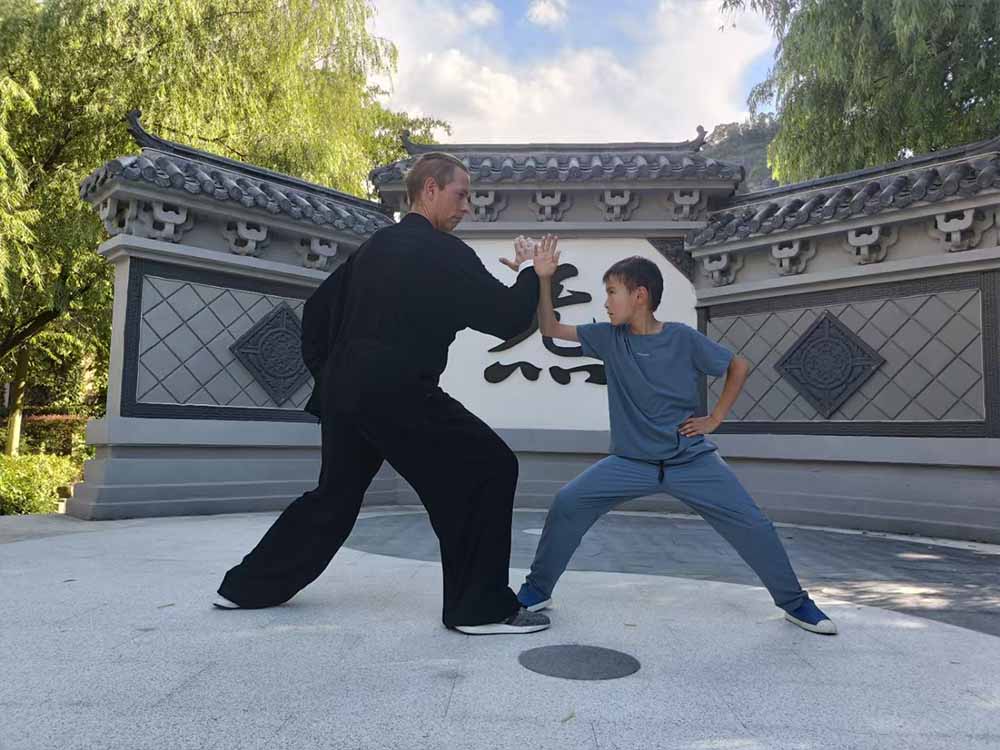
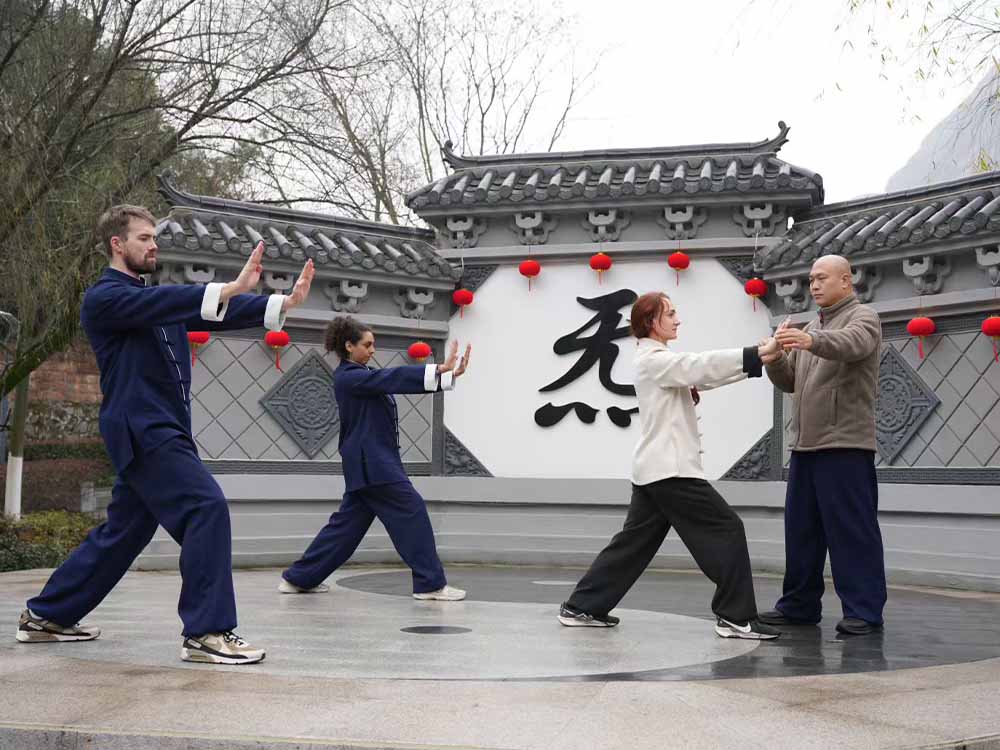
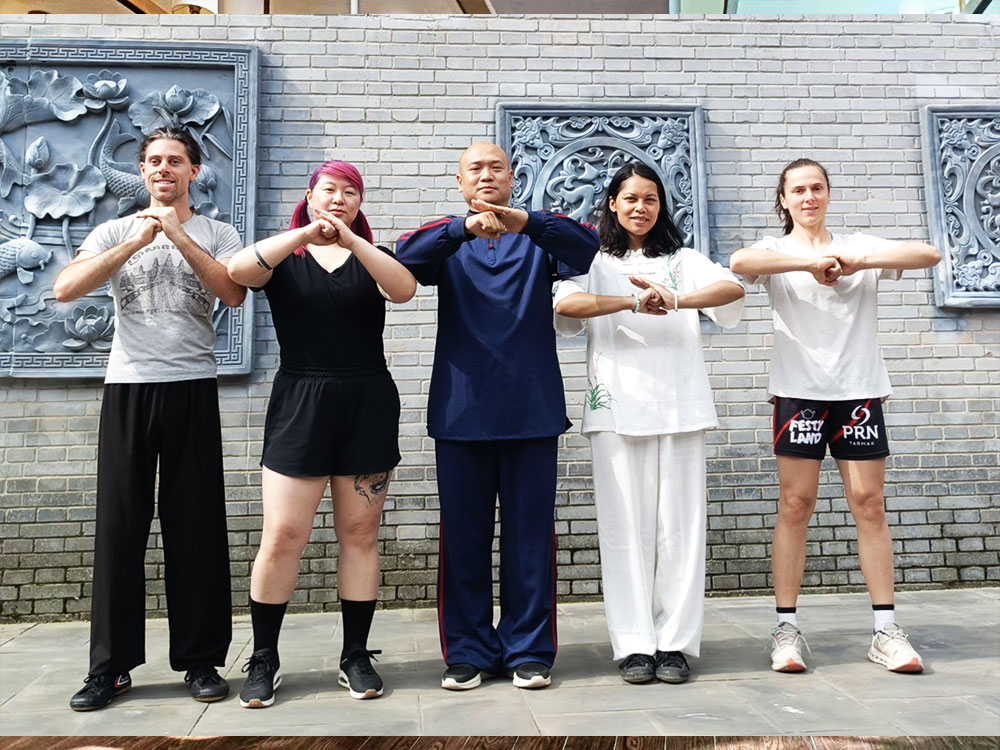
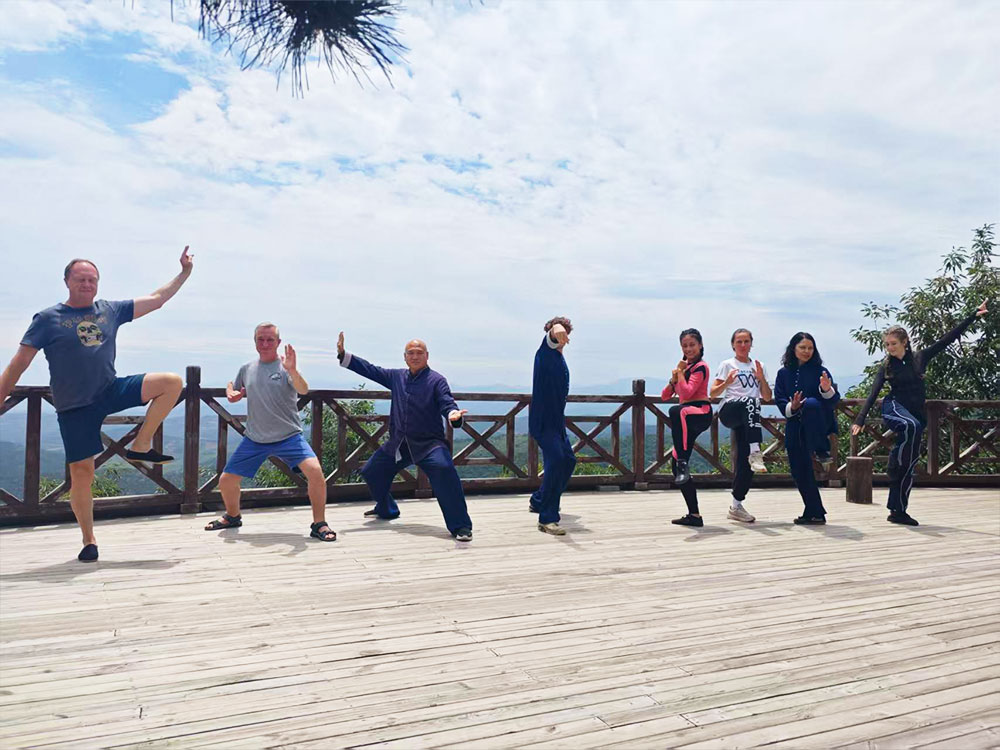
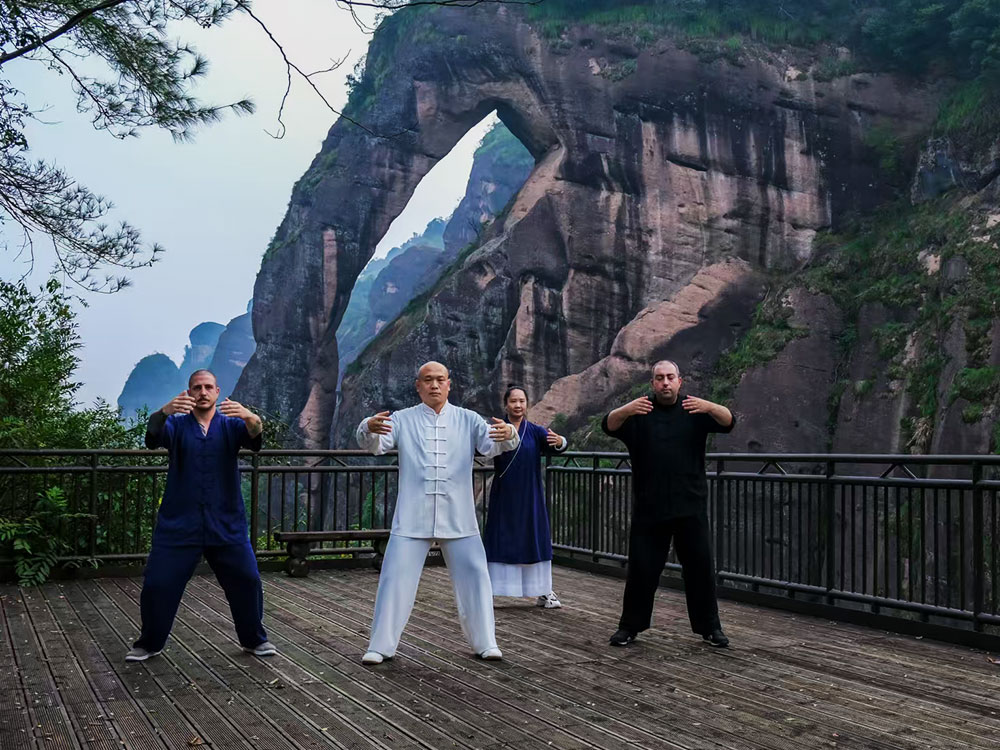
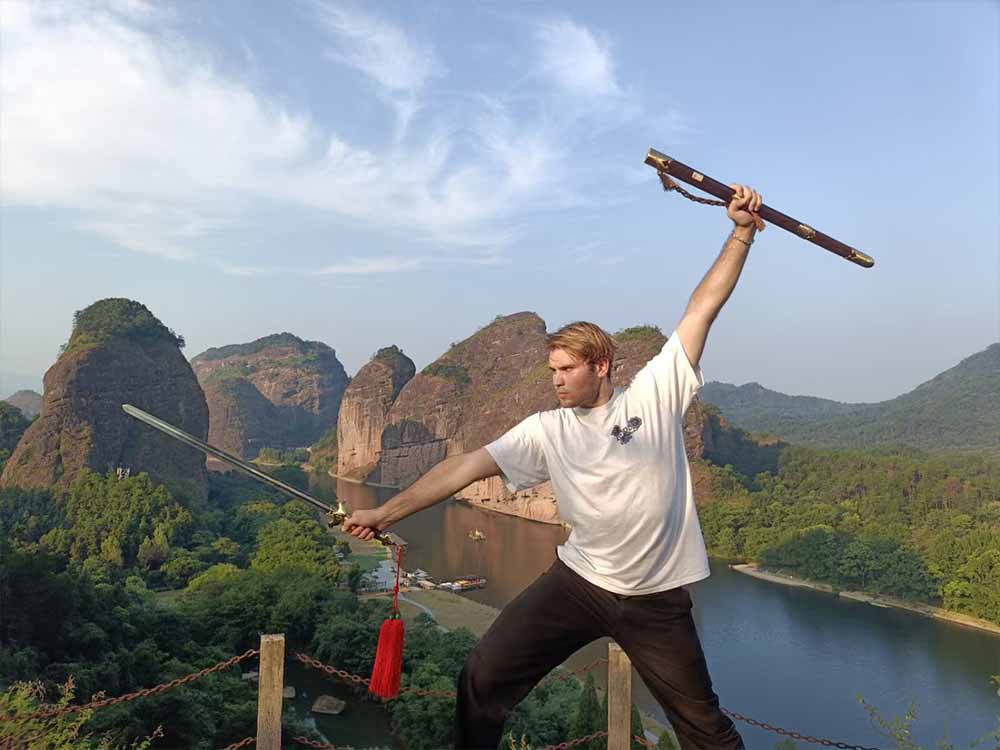
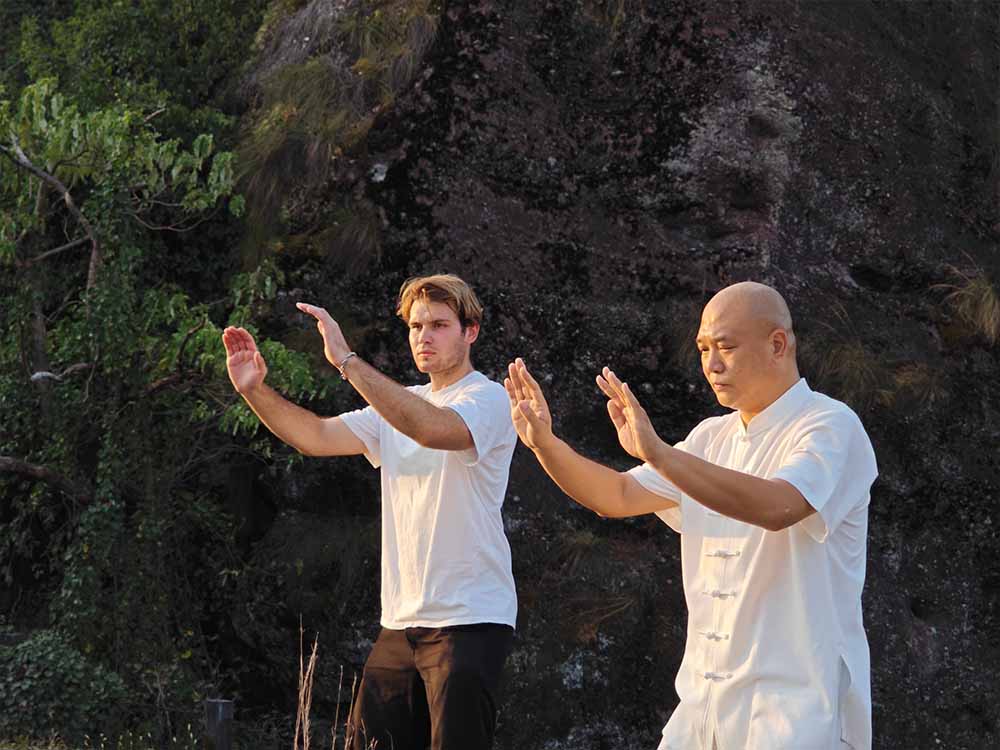
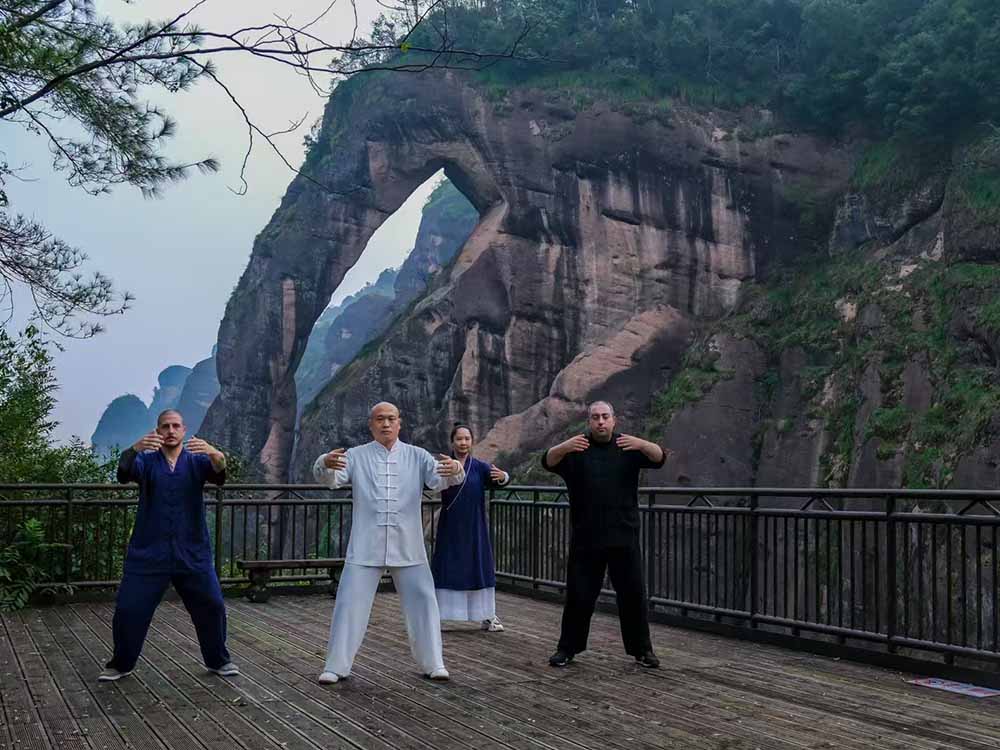
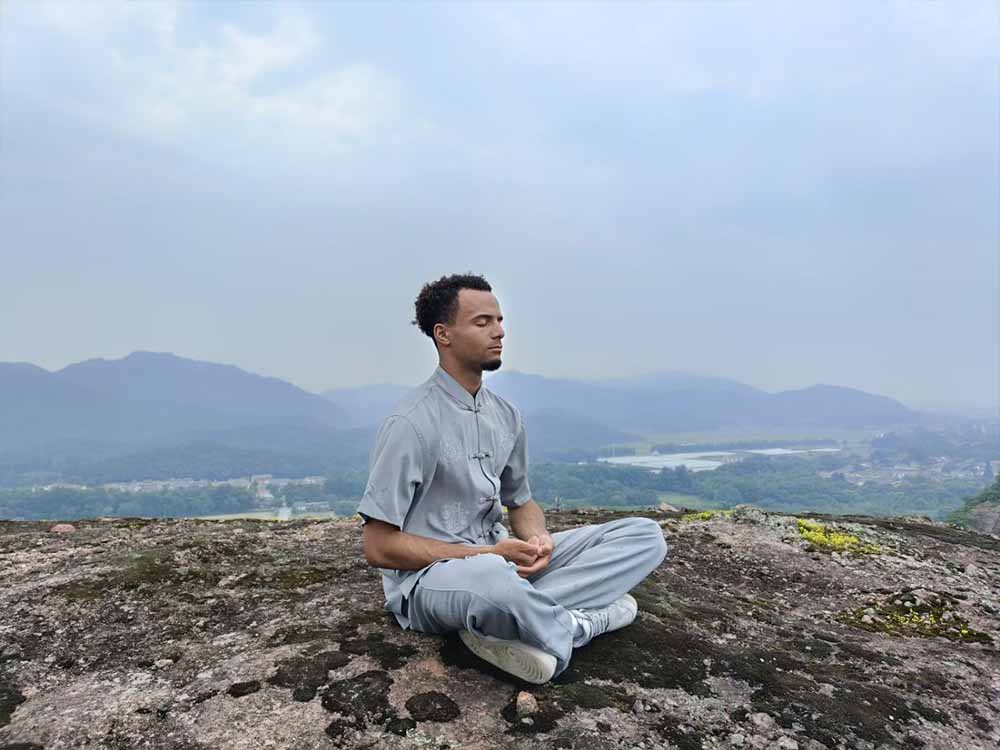
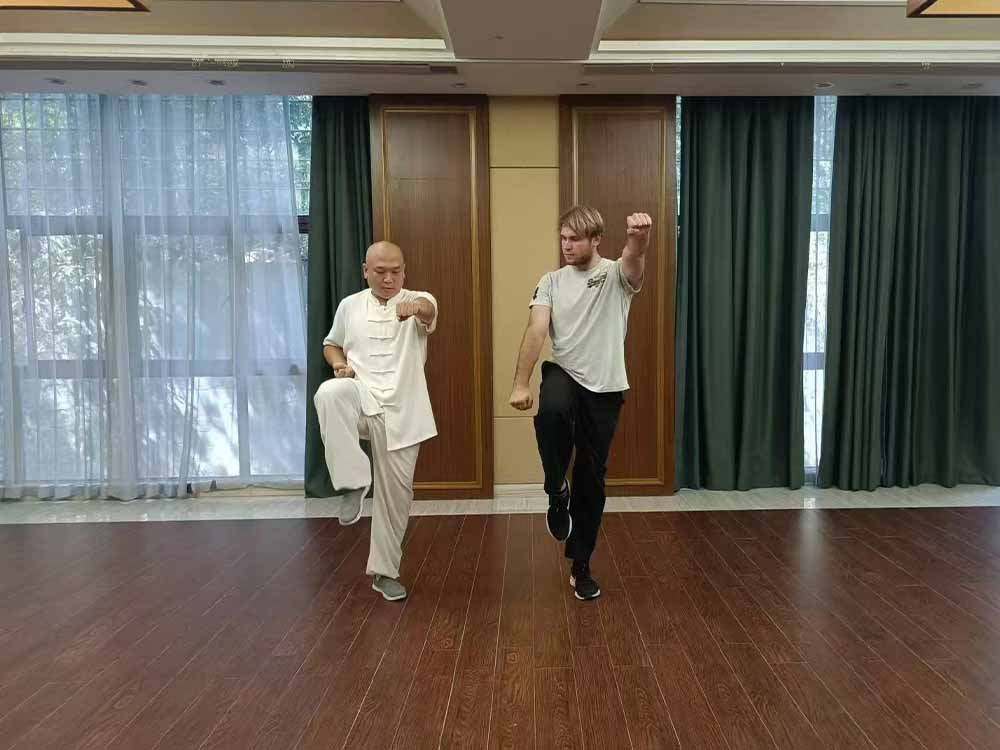
It's better to learn Tai Chi Kung Fu in China. SJFKungfuschool provides short-term and long-term authentic Chinese Kung Fu training to international students around the world. If you want to learn Tai Chi, feel free to inqiury or apply to join the school.
















 WhatsApp