Features of Qigong
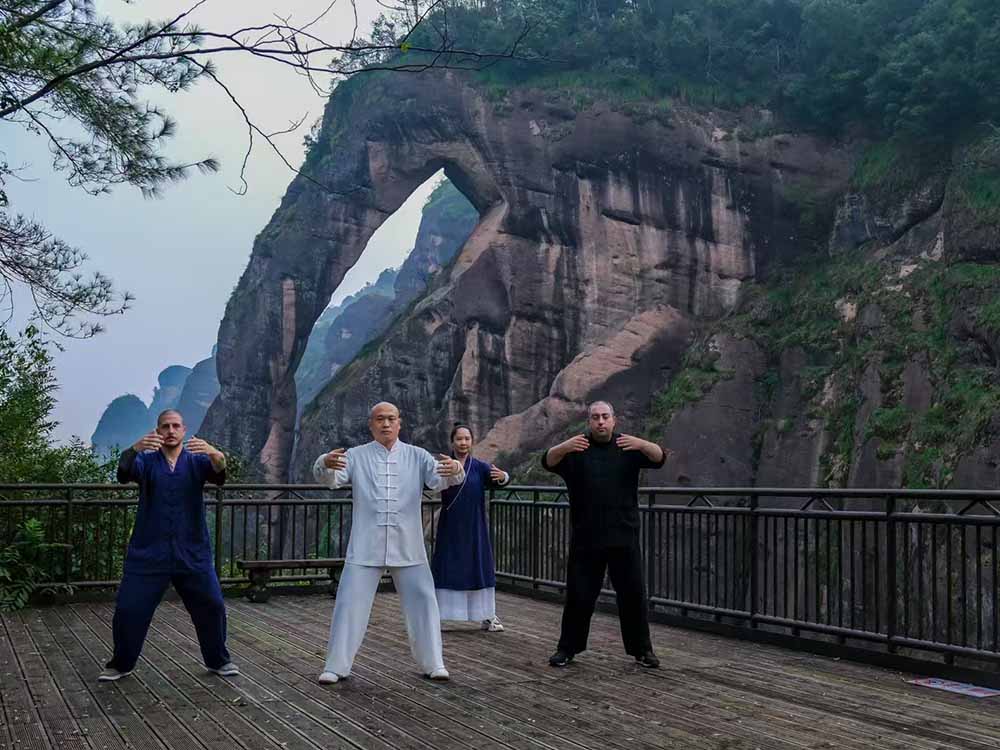
Qigong stands out from standard fitness regimens due to its unique, integrative characteristics. A core feature of this practice is mind-body integration, which requires synchronized mental focus, breath control, and physical movement to achieve a state of relaxed awareness.
It is also highly accessible and low-impact, placing minimal stress on joints and muscles, which makes it universally adaptable across all age groups, fitness levels, and physical capabilities.
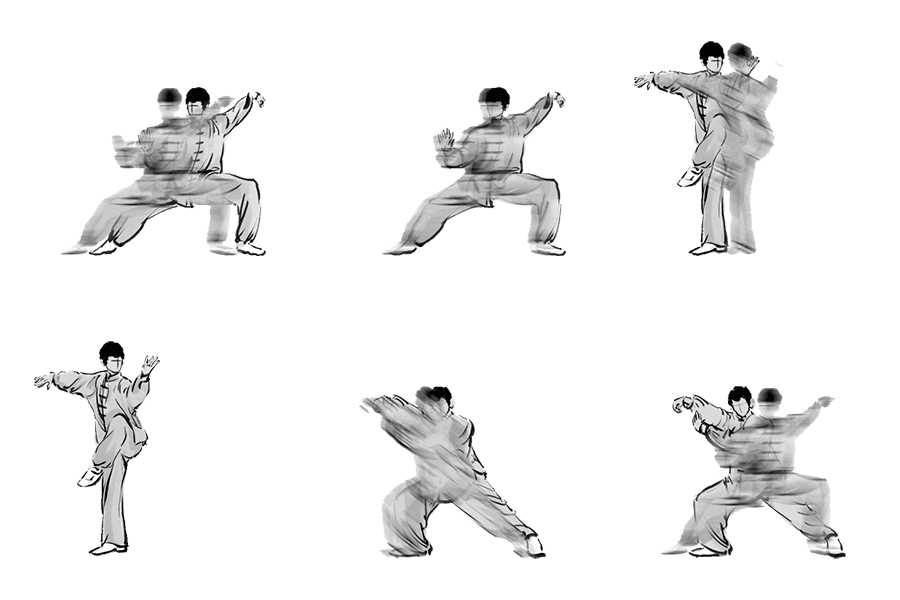
Furthermore, Qigong is defined by fluid, flowing movements that are slow, deliberate, and circular. This structural design promotes joint mobility and soft tissue flexibility without causing physical exhaustion.
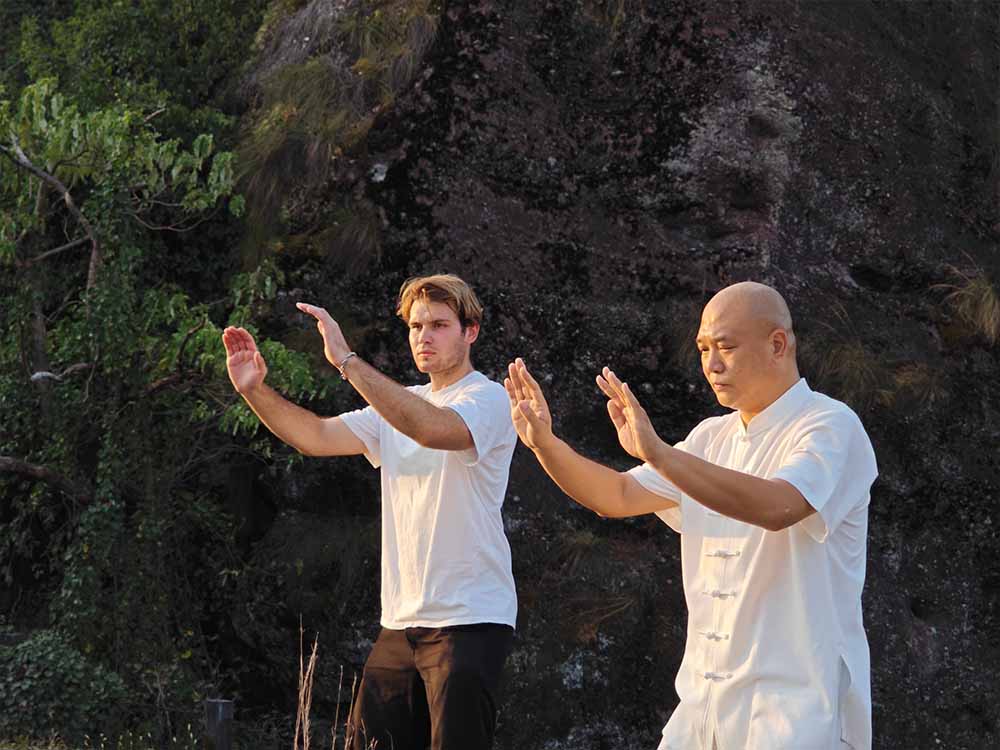
Finally, its extreme adaptability allows it to be practiced anywhere, indoors or outdoors, without any specialized equipment, making it a highly cost-effective solution for keeping fit.
History of Qigong
Qigong has a rich history spanning over 4,000 years, deeply intertwined with Traditional Chinese Medicine, martial arts, and Chinese philosophy.
In its ancient origins, the practice began as ritual dances and meditative movements designed to counter physical illnesses caused by damp and cold climates.
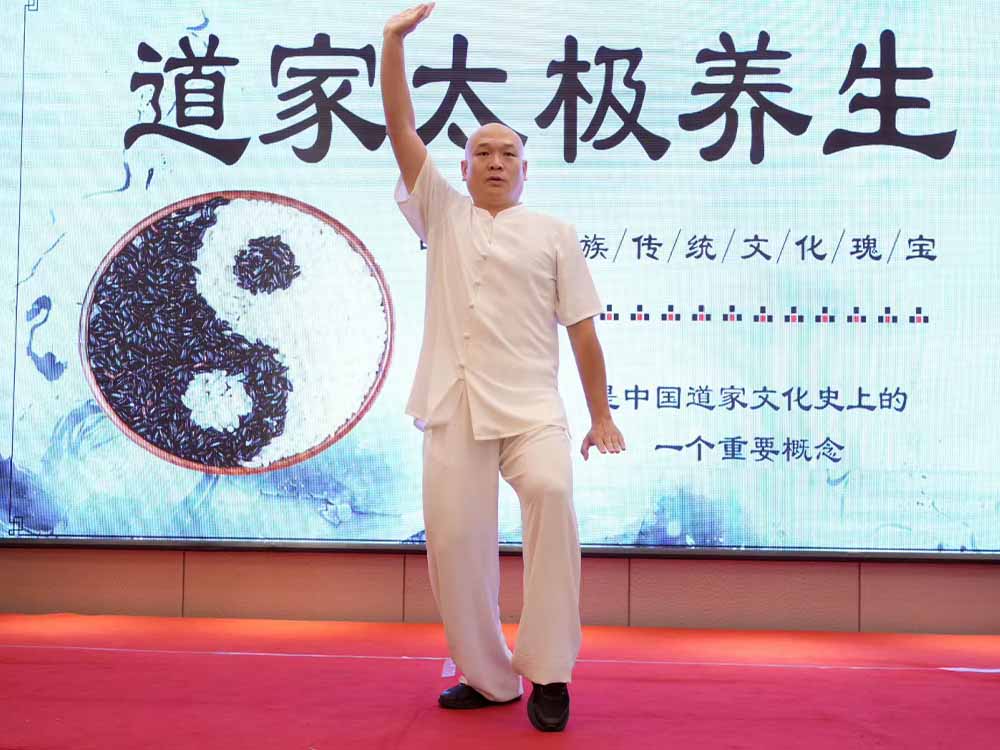
As Chinese philosophy evolved, Qigong absorbed core concepts of Yin-Yang and the Five Elements from Daoism and Buddhism, shifting its focus toward achieving harmony with nature and internal balance.
During its medical evolution, it was officially integrated into Traditional Chinese Medicine as a preventative and curative pillar alongside acupuncture and herbal medicine.
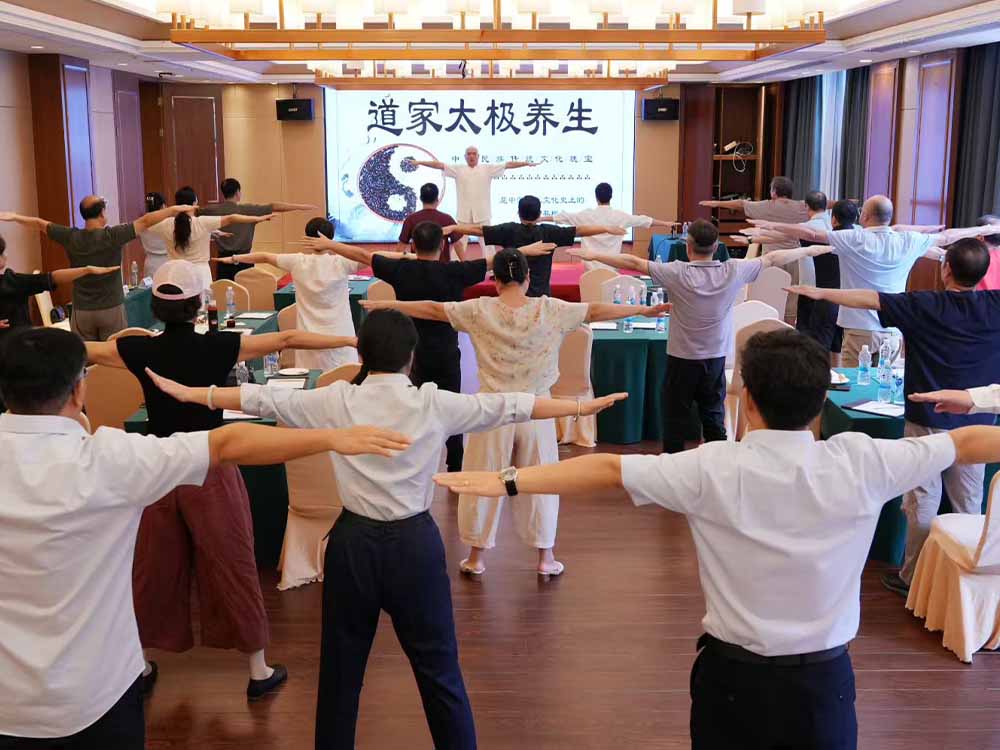
In the modern global era, Qigong was re-standardized for clinical use and is now globally embraced as a scientifically validated tool for stress reduction, emotional resilience, and corporate longevity.
Types of Qigong
While thousands of individual styles exist, Qigong is generally categorized into four primary application types based on its core purpose.
Medical Qigong is the preventative and self-healing branch of Traditional Chinese Medicine. It focuses primarily on balancing energy to alleviate specific ailments, reduce chronic pain, and accelerate physical recovery.
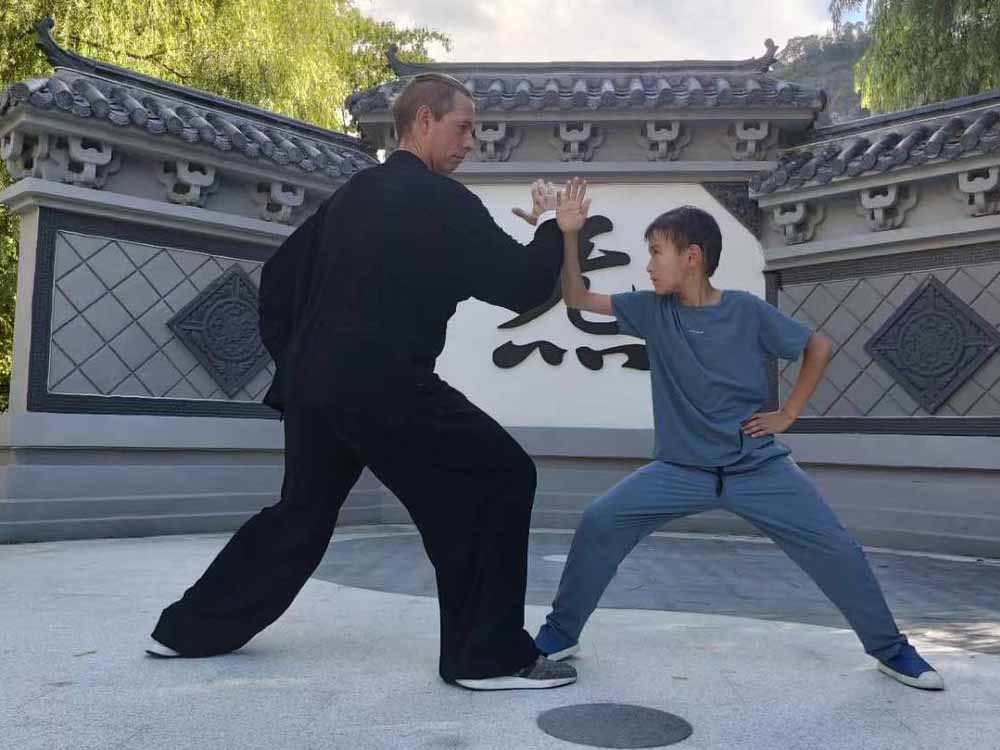
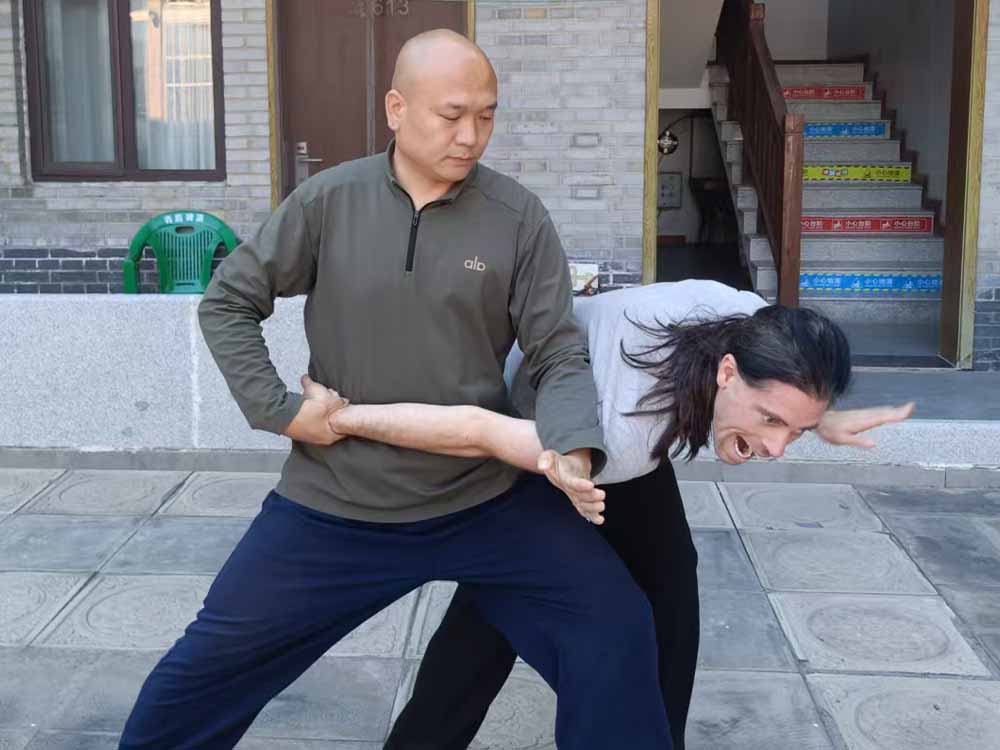
Martial Qigong focuses on physical conditioning, stamina, and explosive power. Advanced styles are widely used by athletes and martial artists to increase peak performance, structural alignment, and resilience to injury.
Spiritual Qigong is deeply rooted in Daoist and Buddhist traditions. This type emphasizes deep self-cultivation, advanced mindfulness, and attaining higher states of consciousness or spiritual enlightenment.
Health and Wellness Qigong is the most common form used in corporate and public settings. It prioritizes stress management, emotional regulation, and general vitality through gentle, easy-to-learn routines like the Eight Brocades.
How does Qigong Work?
From both classical and modern physiological perspectives, Qigong works by restoring balance to the body's internal systems.
From the Traditional Chinese Medicine perspective, illness occurs when Qi is blocked, stagnant, or deficient. Qigong movements act as a physical pump, opening the body's meridians and energy pathways to ensure a smooth, balanced flow of vital energy to all major organs.
From the modern medical perspective, Western science explains the efficacy of Qigong through several measurable biological mechanisms. The deep, rhythmic breathing regulates the nervous system, shifting the body out of the fight-or-flight sympathetic state and into the rest-and-digest parasympathetic state, which drastically lowers cortisol levels.
The slow movements combined with breathwork improve microcirculation, enhancing blood flow and oxygen delivery to deep tissues.
Additionally, because the lymphatic system lacks a central pump, the gentle muscle contractions of Qigong provide essential lymphatic stimulation, moving lymph fluid and boosting immune function.
How to Learn Qigong?
Implementing Qigong into your lifestyle or corporate curriculum is a structured, step-by-step process that prioritizes foundations.
The first step is to start with fundamental postures, mastering basic stances to establish a solid foundation of physical alignment, posture correction, and body rooting.
The second step is to master breath control, learning abdominal and diaphragmatic breathing to calm the nervous system before layering on complex movements.
The third step involves partnering with certified professionals. Professional Qigong instructors or utilizing accredited digital video modules ensures safe, effective, and standardized training for your workforce.
The final step is to practice consistency over duration. The health benefits of Qigong are cumulative, meaning that a daily ten-minute practice yields significantly better long-term wellness outcomes than a single weekly session.












 WhatsApp