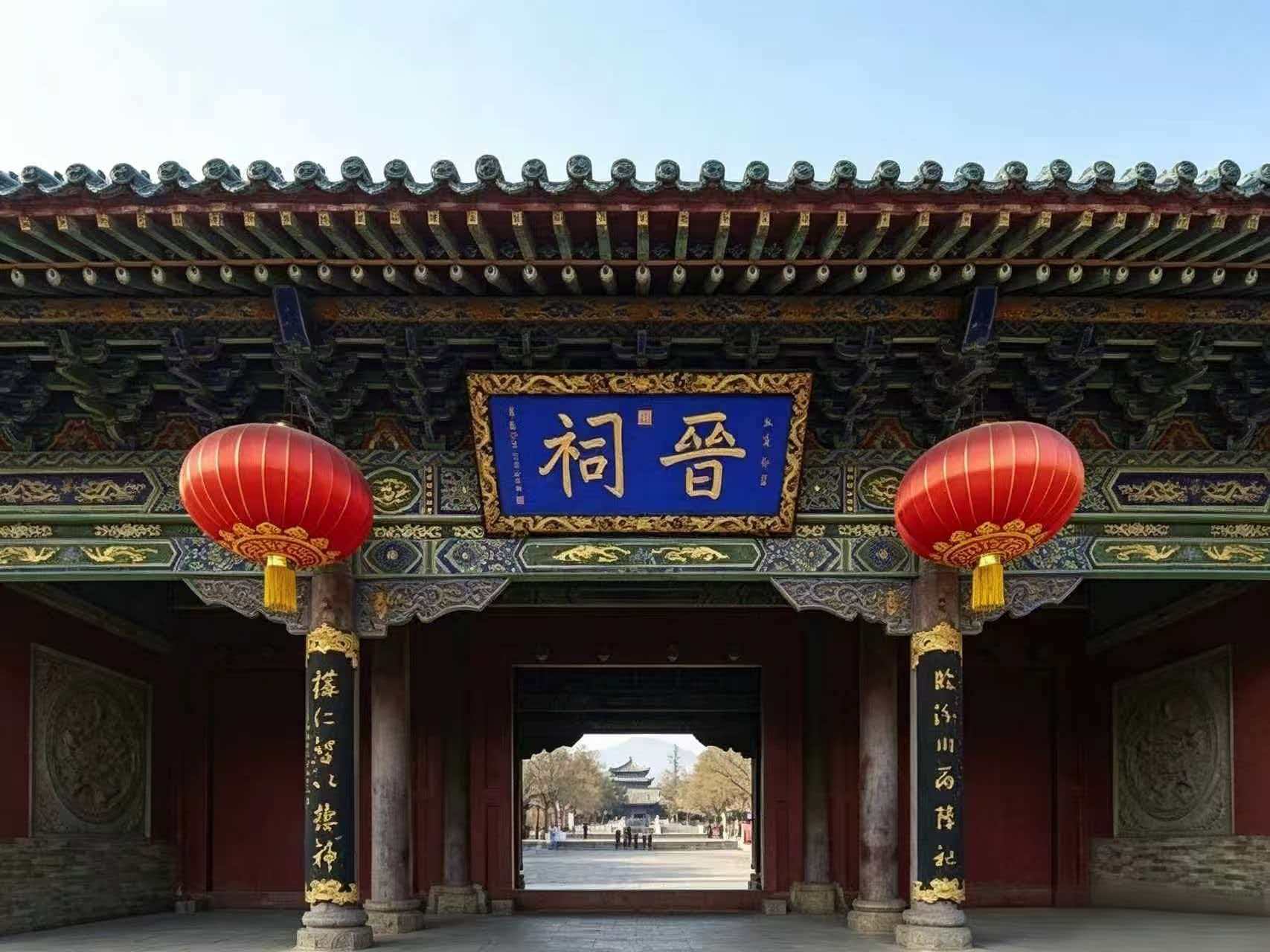
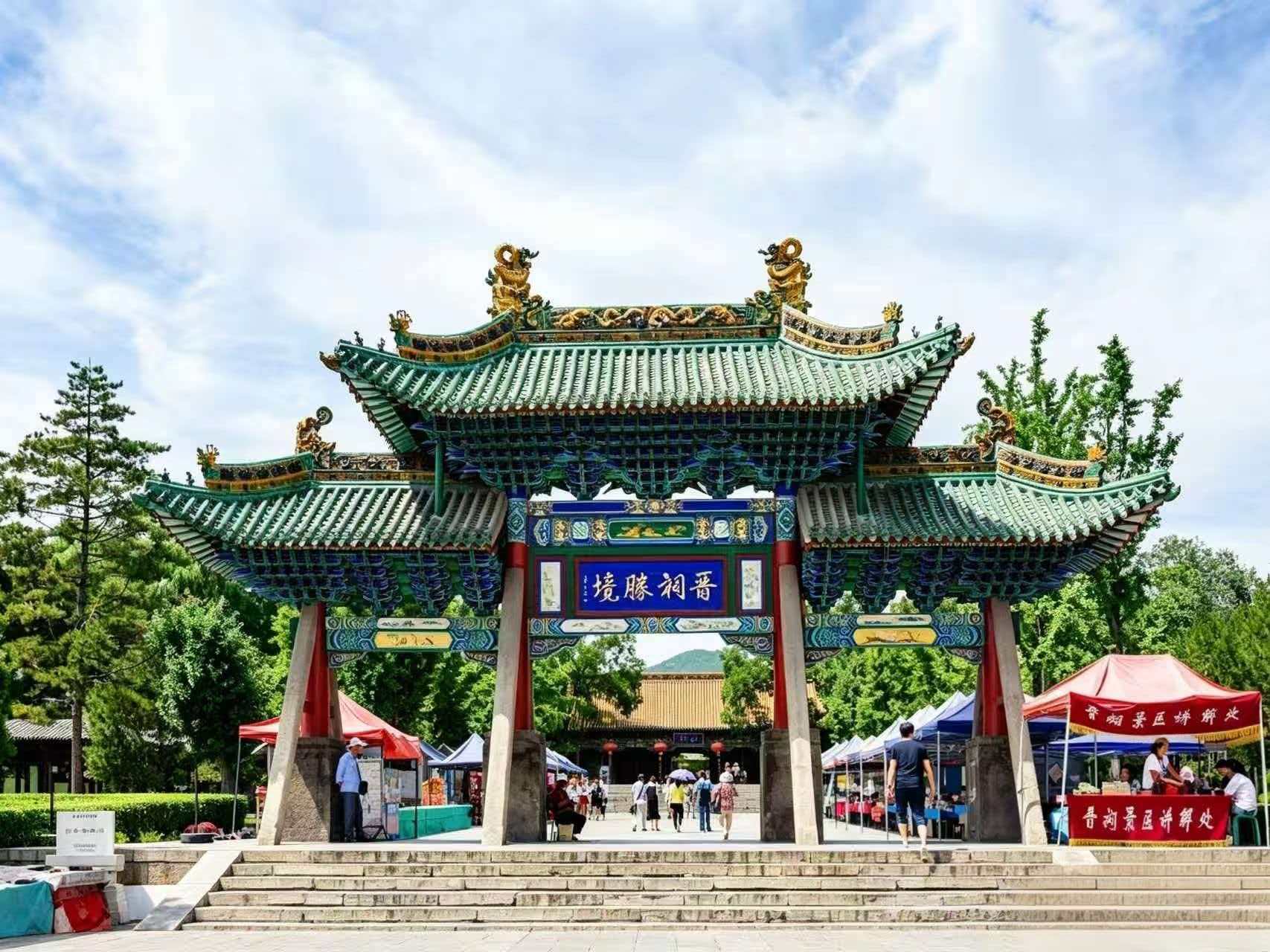
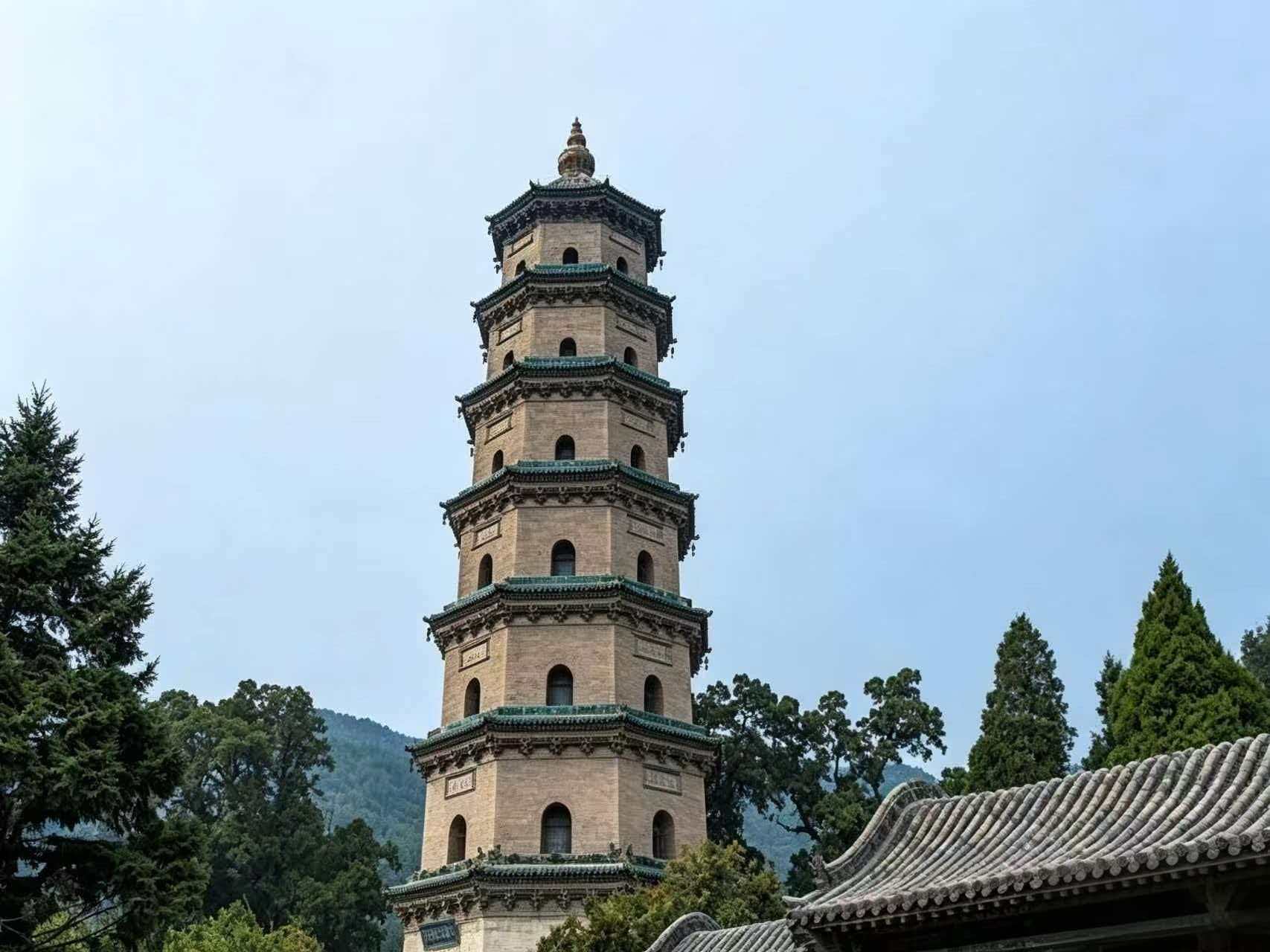
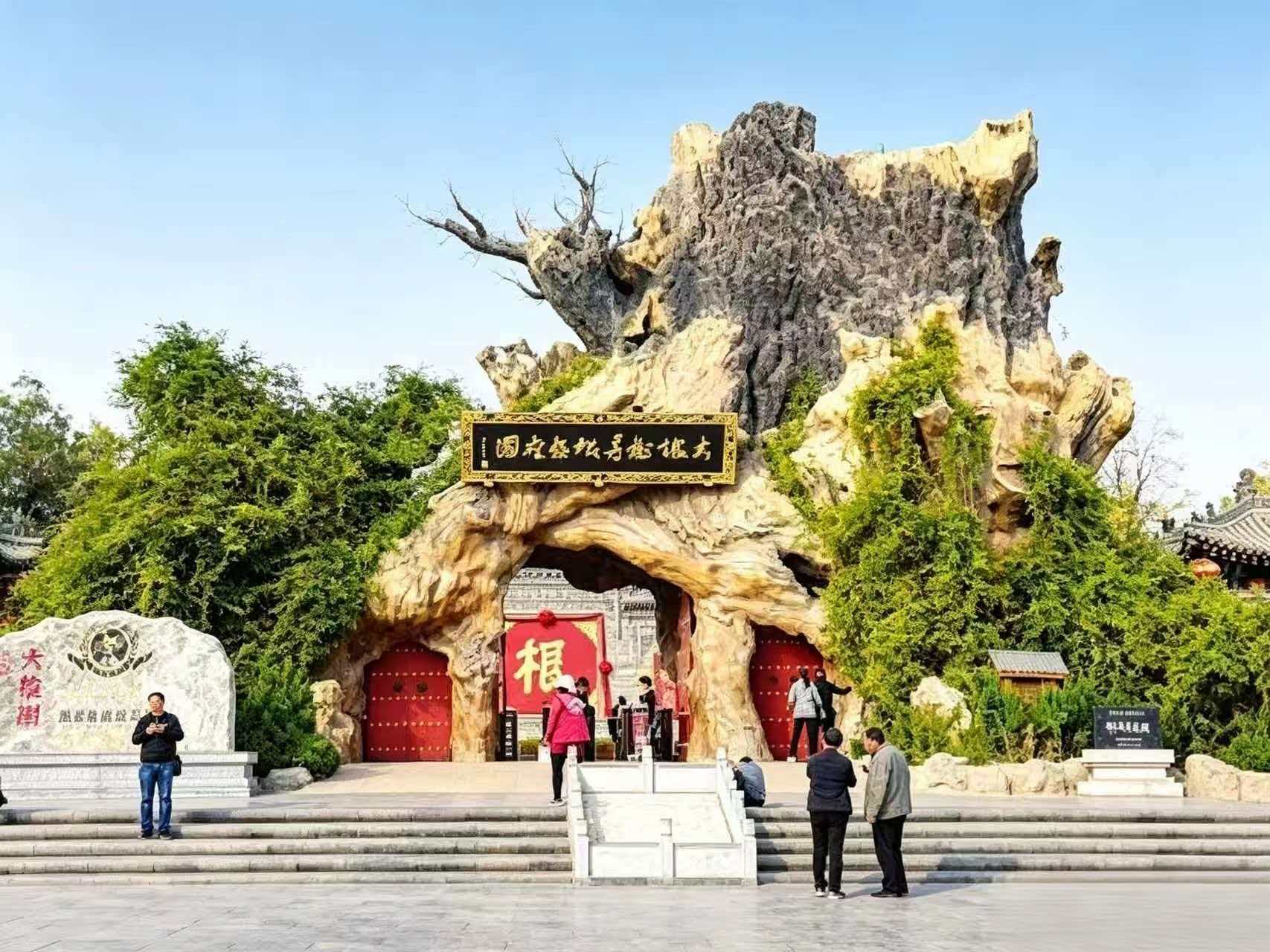
Nestled at the foot of the serene Xuanweng Mountain, Jin Ci (Jin Temple) is far more than a simple temple—it is a living, breathing museum of Chinese history and architectural genius. For over 2,500 years, this sprawling complex has served as a sacred site of remembrance, dedicated to the founders of the Jin State. It is a place where water, stone, and wood have been masterfully woven into a harmonious tapestry of classical gardens and majestic halls. As a UNESCO World Heritage Site, Jin Ci offers an immersive journey through the artistic and spiritual heritage of Northern China, where every pavilion, bridge, and ancient cypress tree tells a story.
The Three Treasures of Jin Ci
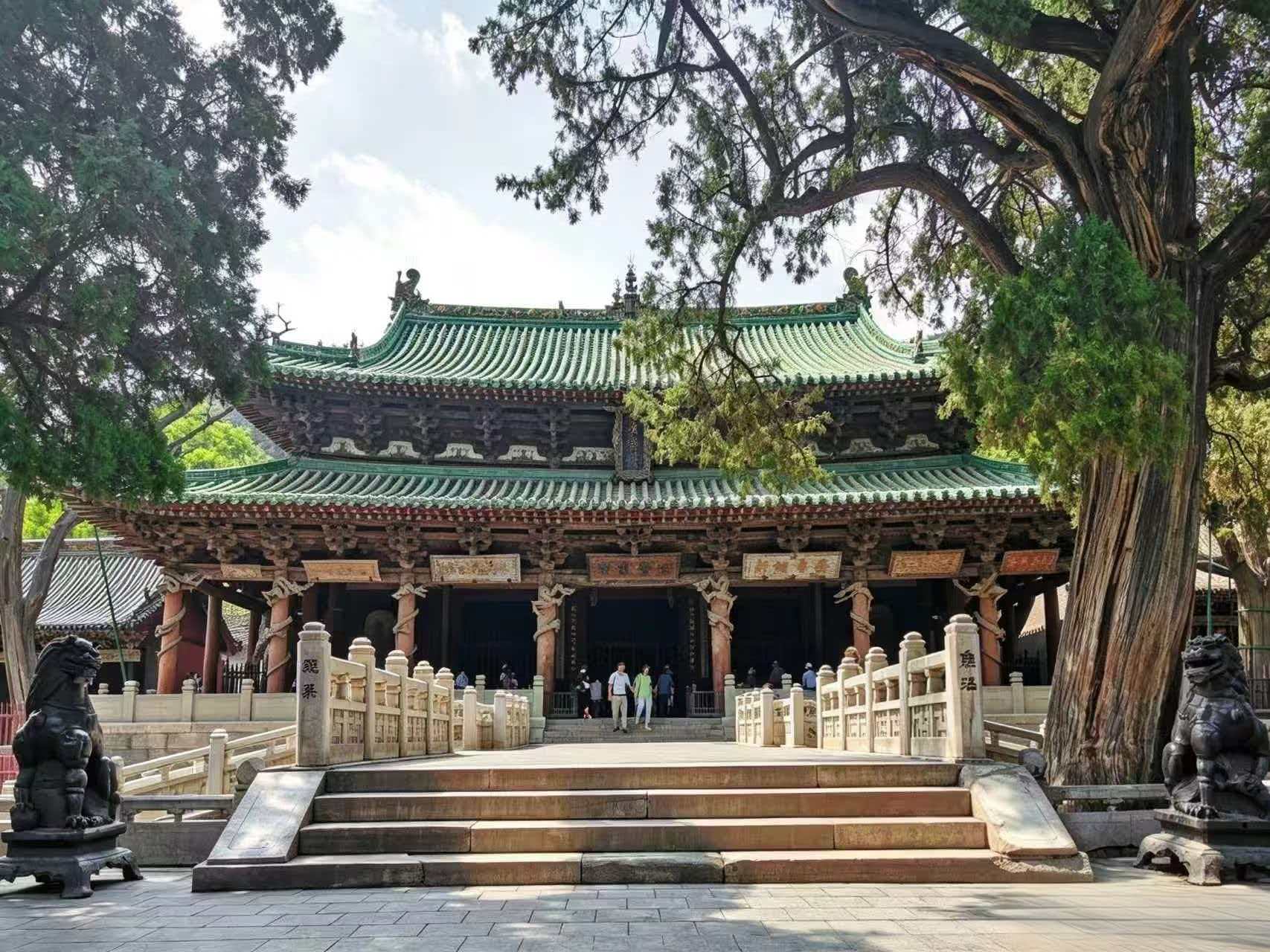
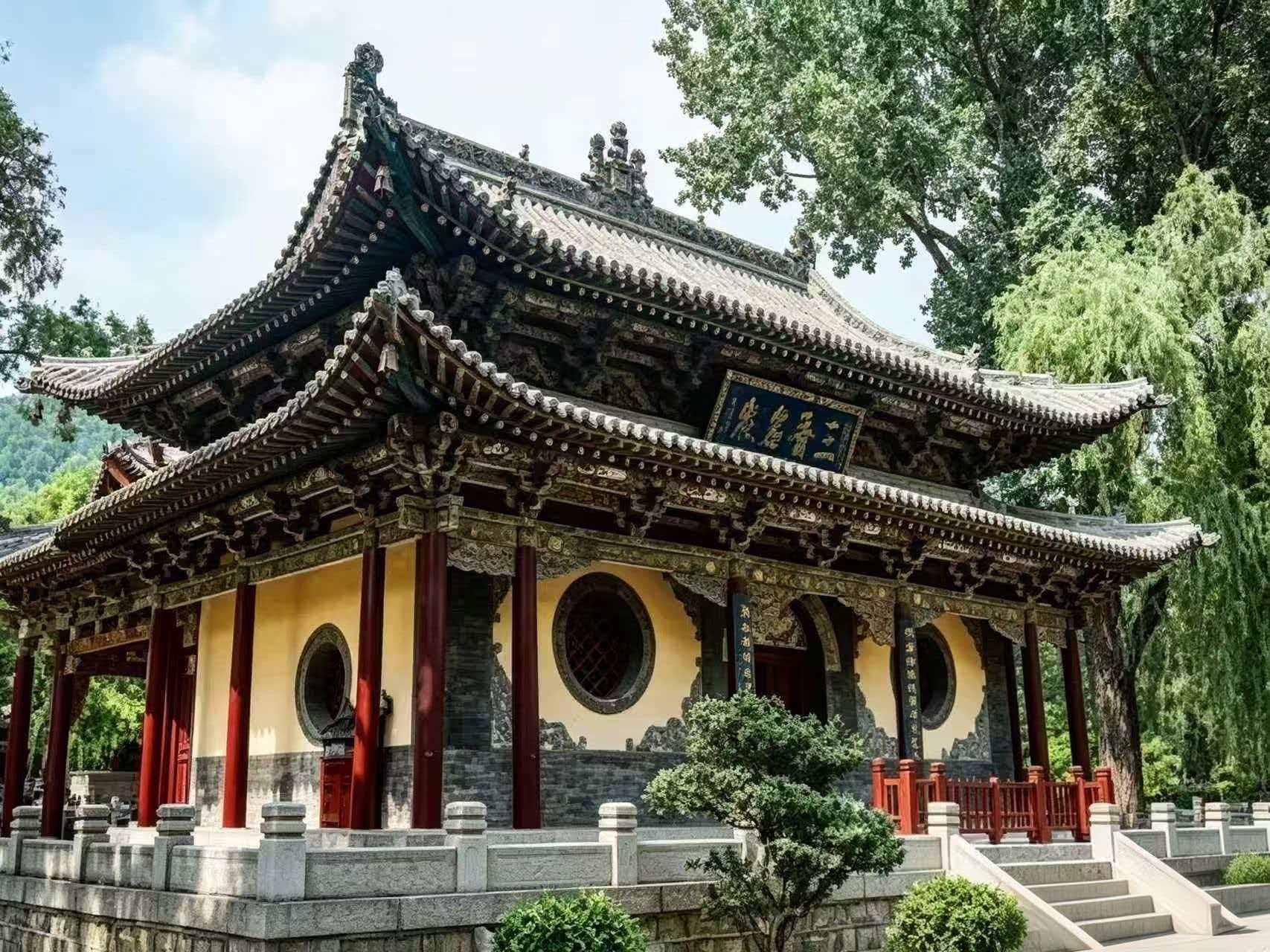
The temple complex is famed for its "Three Treasures" of classical architecture, which represent the pinnacle of ancient Chinese building techniques. The first is the Sacred Hall (Shengdian), the main structure, a masterpiece of the Song Dynasty (960-1279 AD) known for its incredible wooden bracket sets and elegant double-eaved roof. The second treasure is the Figured Bridge (Yuzhao Feiliang), a uniquely designed cross-shaped, fish-pond bridge with a white marble railing that predates even the hall, showcasing the sophistication of early Chinese engineering. The third treasure is the Everlasting Spring (Nanlao Quan), a crystal-clear, ancient pool that has never frozen or dried up for over a thousand years, supplying water to the entire temple complex and symbolizing the eternal flow of the Jin clan’s legacy.
Gardens and Ancient Wonders
Beyond its architectural marvels, Jin Ci is a masterpiece of classical Chinese garden design, where the natural landscape and man-made structures are in perfect harmony. The temple is famous for its ancient trees, particularly the "Zhou Cypress," a gnarled and majestic tree from the Zhou Dynasty that has stood for over 2,000 years. Equally renowned are the "Three Famous Springs" that feed the garden's streams and ponds, creating a serene, reflective atmosphere. Strolling through the grounds, you encounter a beautiful integration of history, art, and nature—from the intricate carvings of the couplet-covered corridors to the serene reflections in the still pools. This blend of architectural splendor and tranquil nature makes Jin Ci a perfect place for quiet contemplation and historical appreciation.
Guide For Travelers
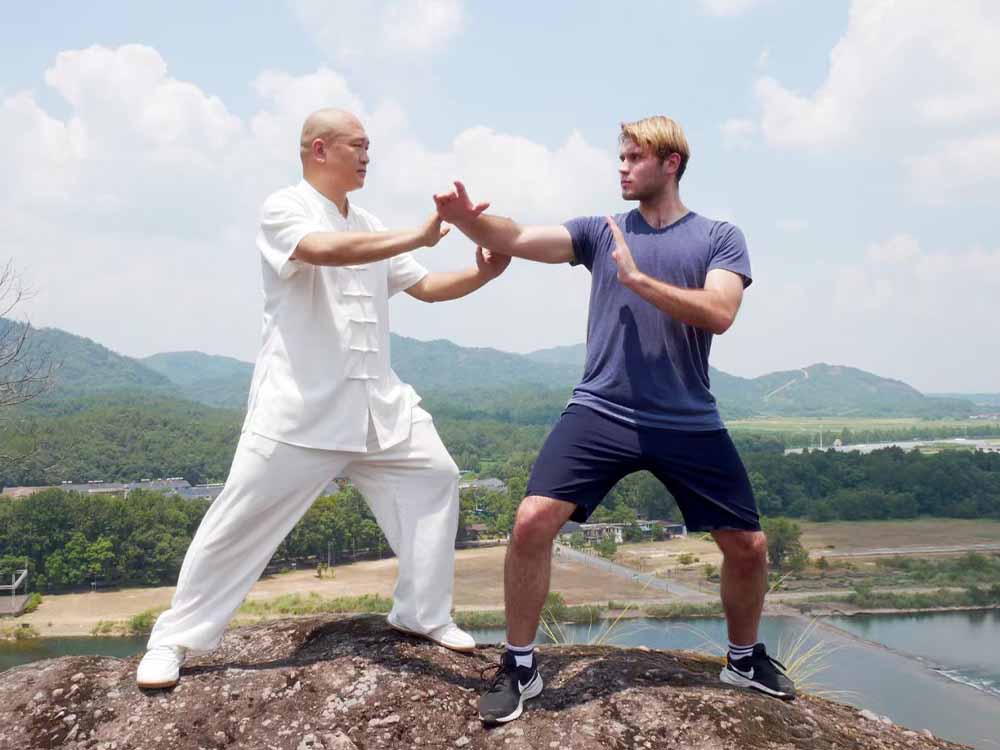
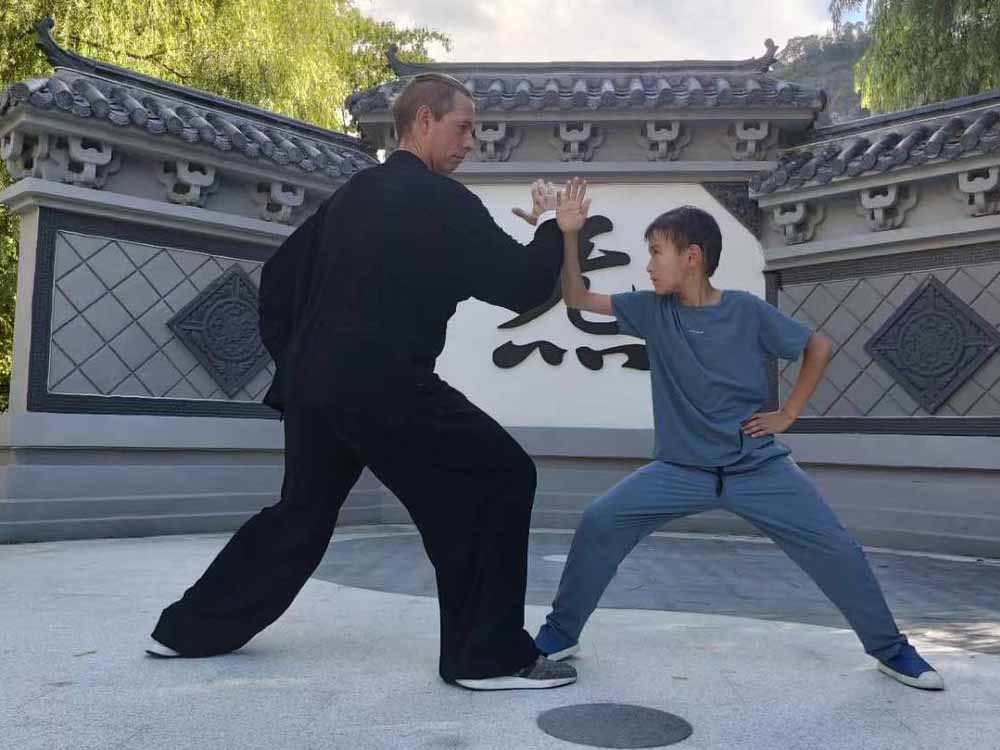
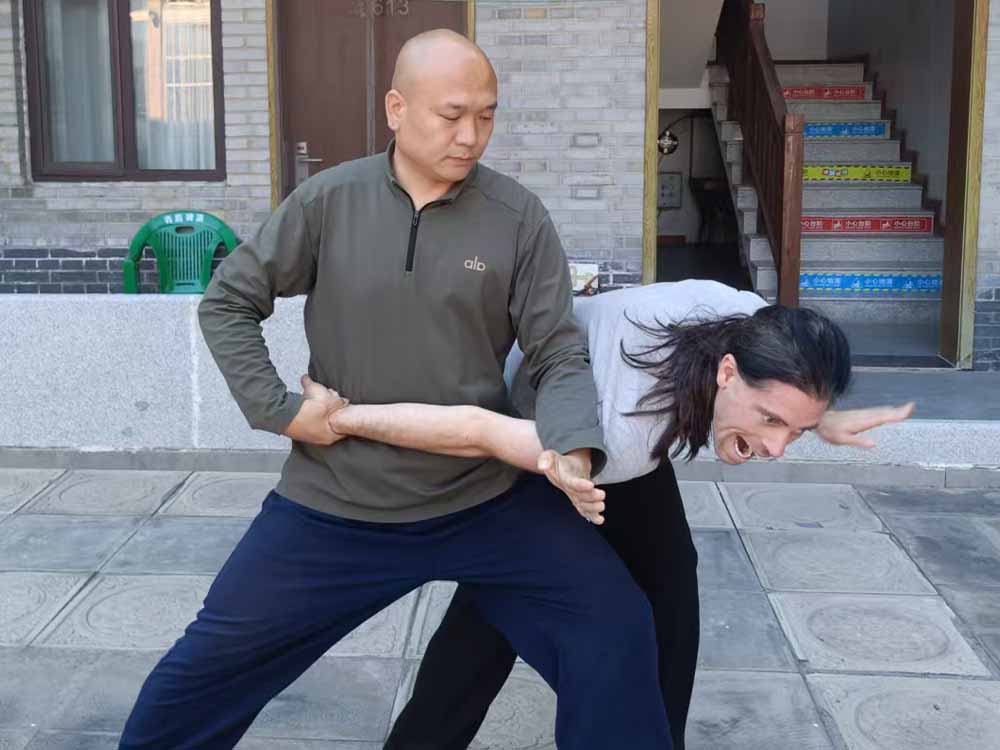
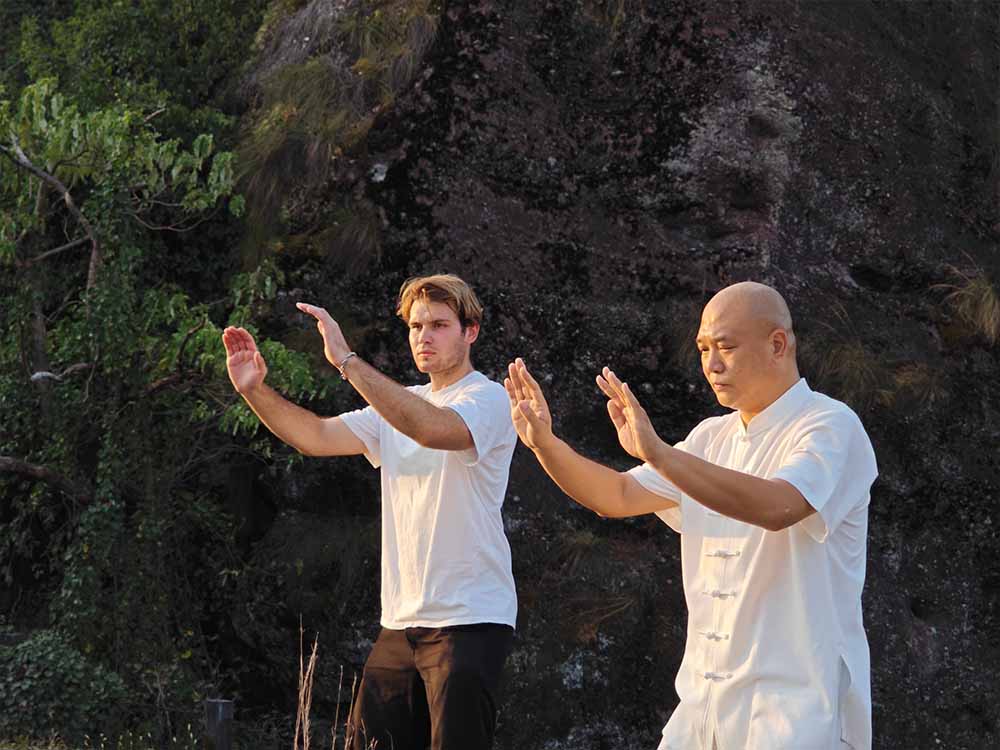
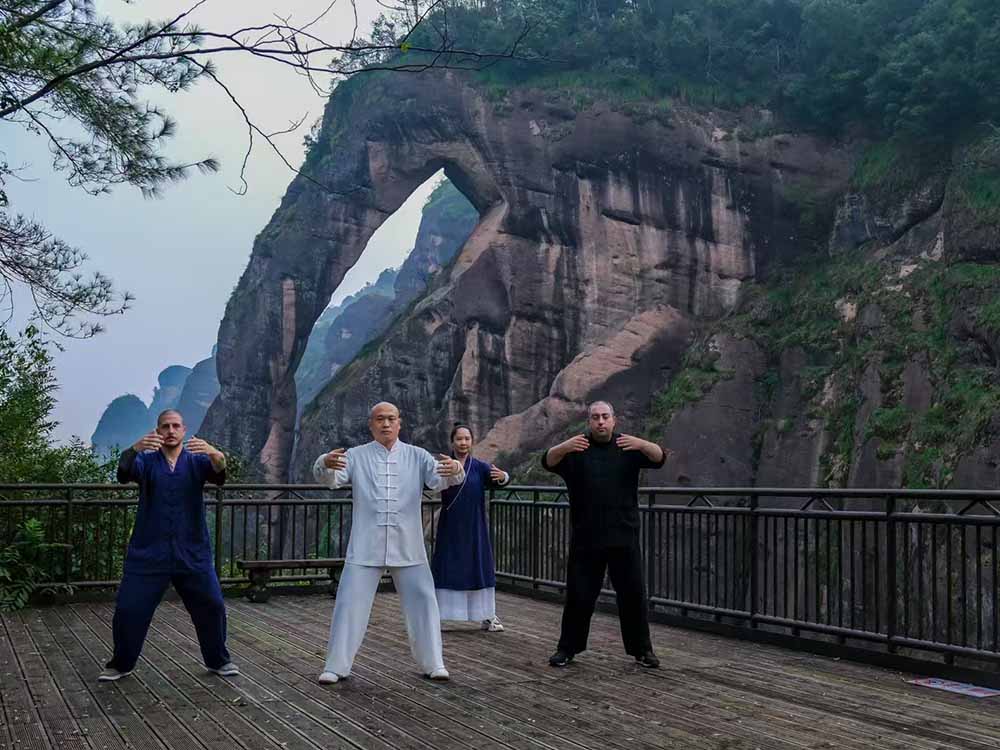
A visit to Jin Ci can be a rewarding and enriching experience, easily incorporated into your Kung Fu training camp or cultural tour in Shanxi Province. The temple is located on the outskirts of Taiyuan, the provincial capital, making it readily accessible by taxi or public bus from the city center. The site is extensive, so be prepared for a few hours of pleasant walking. Comfortable shoes are recommended. To fully appreciate the history and legends behind the halls, springs, and ancient trees, hiring a guide or using an audio guide is highly advised. The temple is open year-round, but the best times to visit are in the spring and autumn when the weather is mild and the gardens are at their most beautiful. As a historical and cultural site with active religious significance, visitors are asked to be respectful, maintain quiet, and refrain from touching the ancient carvings and statues. This visit offers a profound cultural complement to martial arts training, connecting you to the deep historical roots and aesthetic principles of Chinese civilization.
Fast Facts For Travelers
Location: Jin Ci, Jinci Town, Jinyuan District, Taiyuan City, Shanxi Province, China.
Site Classification: UNESCO World Heritage Site (as part of the Ancient Residences in Shanxi), National AAAA Level Tourist Attraction.
Best For: History lovers, architecture enthusiasts, garden admirers, and photographers.
Signature Experience: Gazing upon the ancient "Zhou Cypress" and walking across the unique Figured Bridge.














 WhatsApp