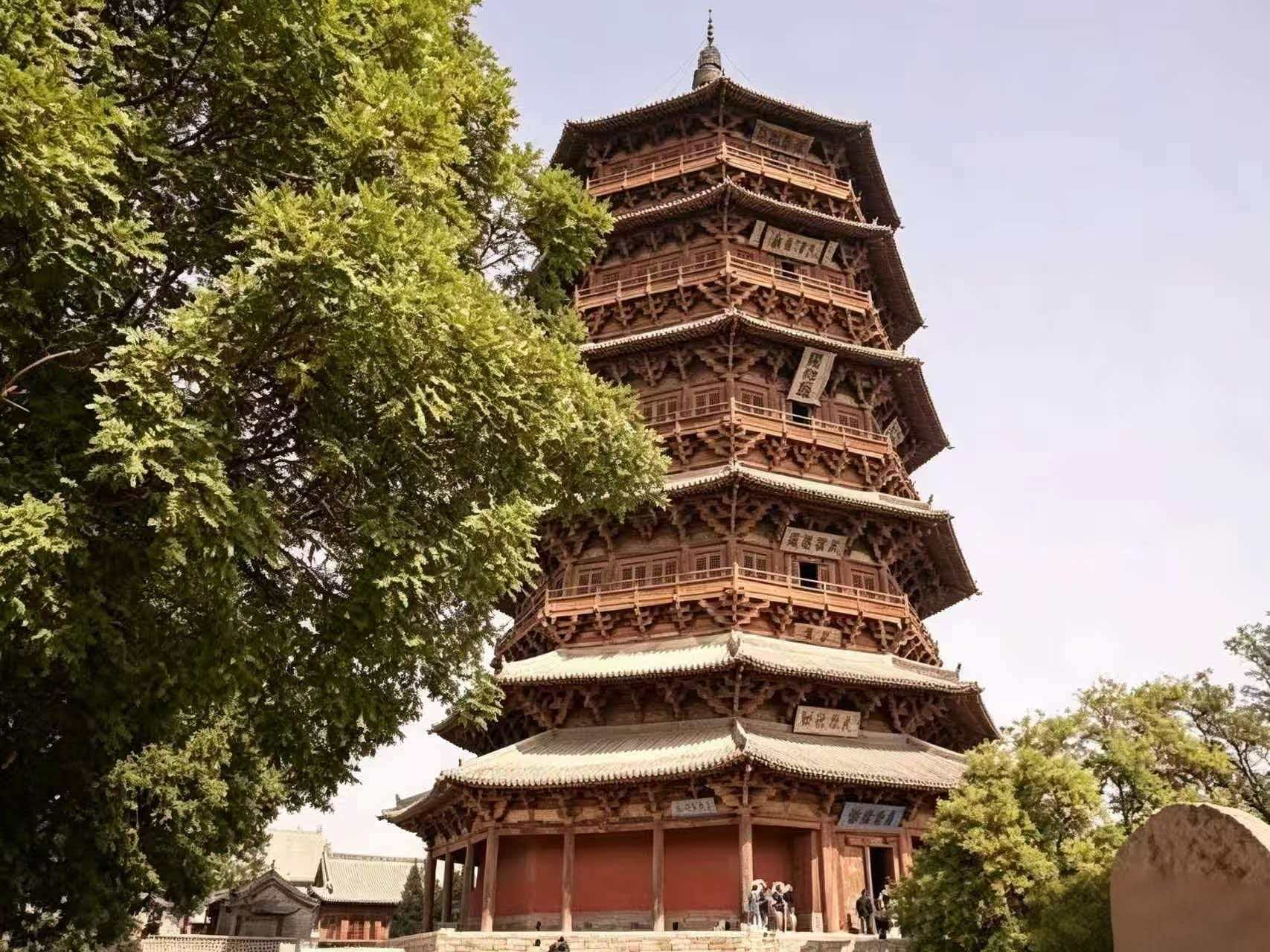
Towering elegantly over the plains of Shanxi Province, the Yingxian Wooden Pagoda (Yingxian Muta) is not just a building—it is a breathtaking miracle of ancient engineering that has defied the ravages of time for nearly a millennium. As the world's oldest and tallest all-wooden pagoda, this 67-meter-high marvel, also known as the Sakyamuni Pagoda of Fogong Temple, has stood unyielding since 1056 AD. Having survived countless earthquakes, wars, and dynasties, this UNESCO World Heritage Site offers an awe-inspiring journey into the heart of Chinese architectural genius, where every beam and bracket tells a story of resilience and profound human ingenuity.
An Architectural Marvel of Mortise and Tenon
The pagoda's extraordinary longevity lies in its ingenious design, constructed entirely without the use of a single iron nail. Instead, it is assembled using a sophisticated system of interlocking wooden brackets, or "dougong," which form a complex, flexible, and shock-absorbing network. This intricate joinery allows the structure to bend and flex in response to seismic tremors, dissipating the force of powerful earthquakes that have devastated the region throughout history. The pagoda's structure utilizes over 50 different types of brackets and over 3,000 cubic meters of wood, a testament to the meticulous planning and profound understanding of structural physics possessed by its builders in the Liao Dynasty.
Features and Highlights
The pagoda's exterior appears to have five tiers, but it cleverly conceals an additional four internal levels, making a total of nine. Each floor houses a central Buddhist statue, including a magnificent 11-meter-high Sakyamuni Buddha on the first level, which is surrounded by elaborate murals depicting Buddhist stories. The interior of the pagoda is a treasure house of Buddhist art and history, containing ancient murals, inscriptions, and a collection of precious Buddhist relics. Visitors can ascend the wooden stairs to the higher levels, which offer sweeping, panoramic views of the surrounding agricultural landscapes. This journey upward is a journey through time, allowing one to appreciate the sheer scale and complexity of this ancient structure.
Guide For Travelers
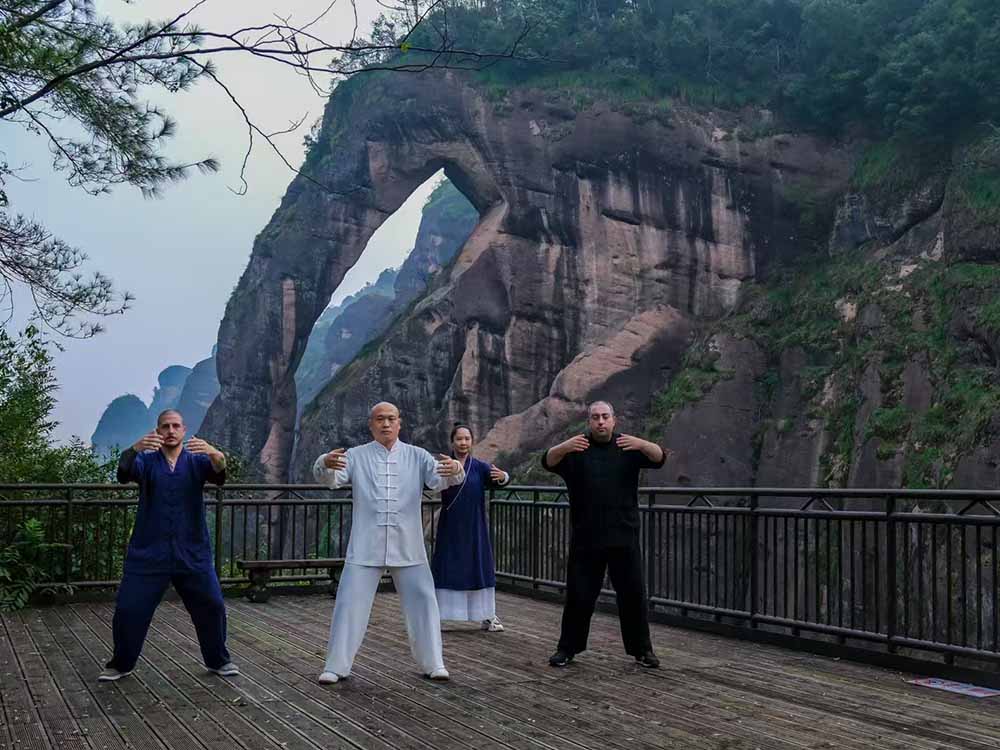
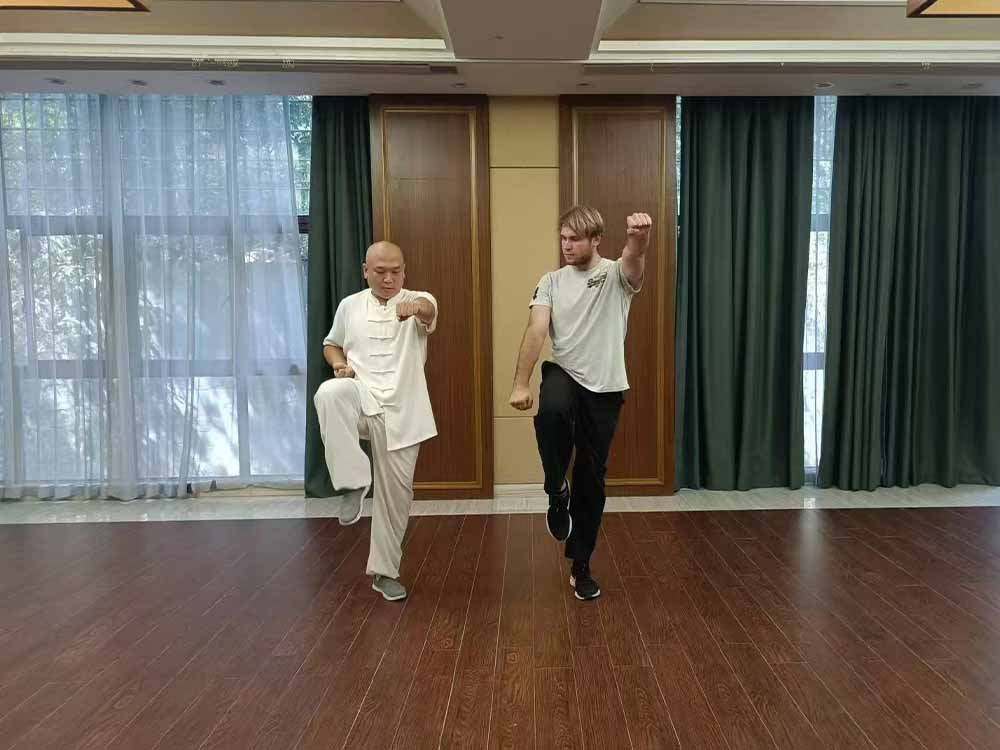
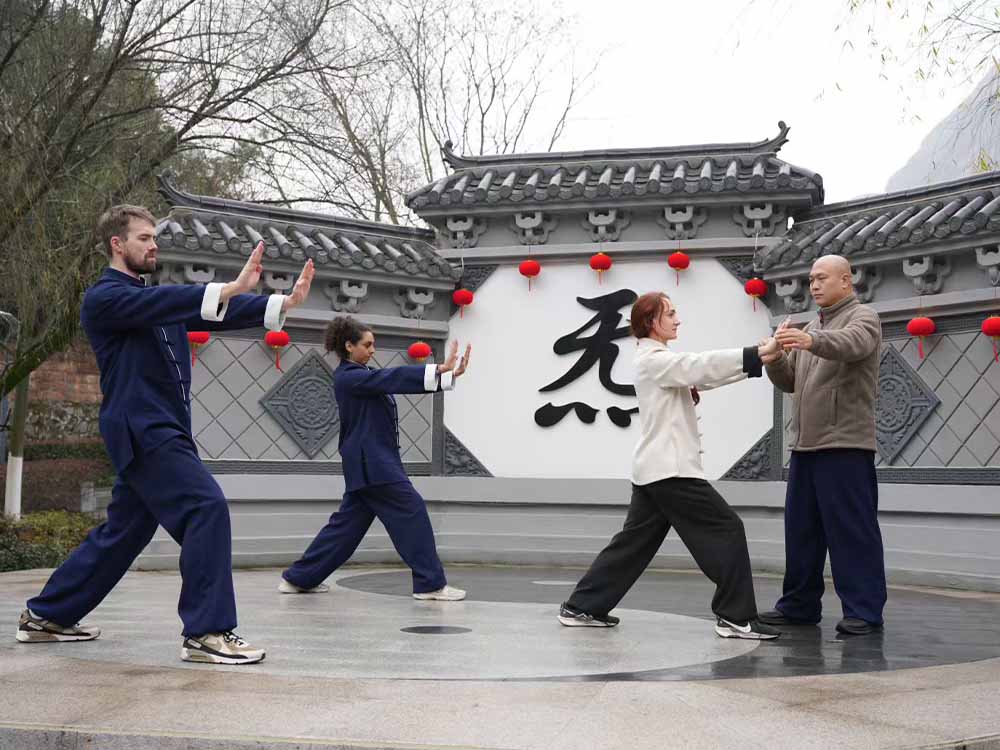
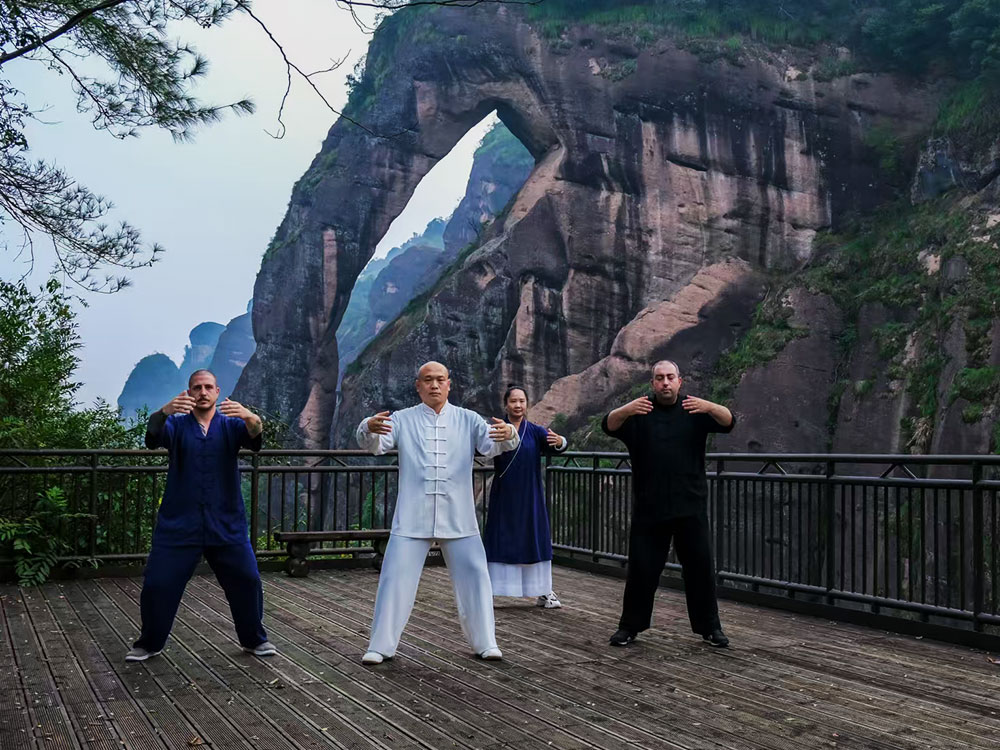
A visit to the Yingxian Wooden Pagoda is a truly awe-inspiring excursion that can be seamlessly integrated into your Kung Fu training camp or cultural tour in Shanxi Province. Located in Yingxian County, it is a short distance from the city of Datong, making it an easy and rewarding day trip. The site involves a significant amount of walking and climbing steep, ancient wooden stairs. Sturdy, comfortable footwear is essential. For the best experience, hire a local guide who can illuminate the intricate history, engineering principles, and religious significance of the pagoda. Visiting early in the morning is advisable to avoid crowds and experience the site's serene and majestic atmosphere. As a historic structure, visitors are requested to be careful and respectful, ensuring its preservation for future generations. This excursion offers a deep appreciation for the enduring spirit of Chinese civilization.
Fast Facts For Travelers
Location: Yingxian Wooden Pagoda, Yingxian County, Shuozhou City, Shanxi Province, China.
Site Classification: UNESCO World Heritage Site, National Key Cultural Relic Protection Unit.
Best For: Architecture enthusiasts, historians, photographers, and anyone interested in ancient engineering.
Signature Experience: Ascending the wooden pagoda to enjoy panoramic views and witnessing its timeless architectural grandeur.




























 WhatsApp