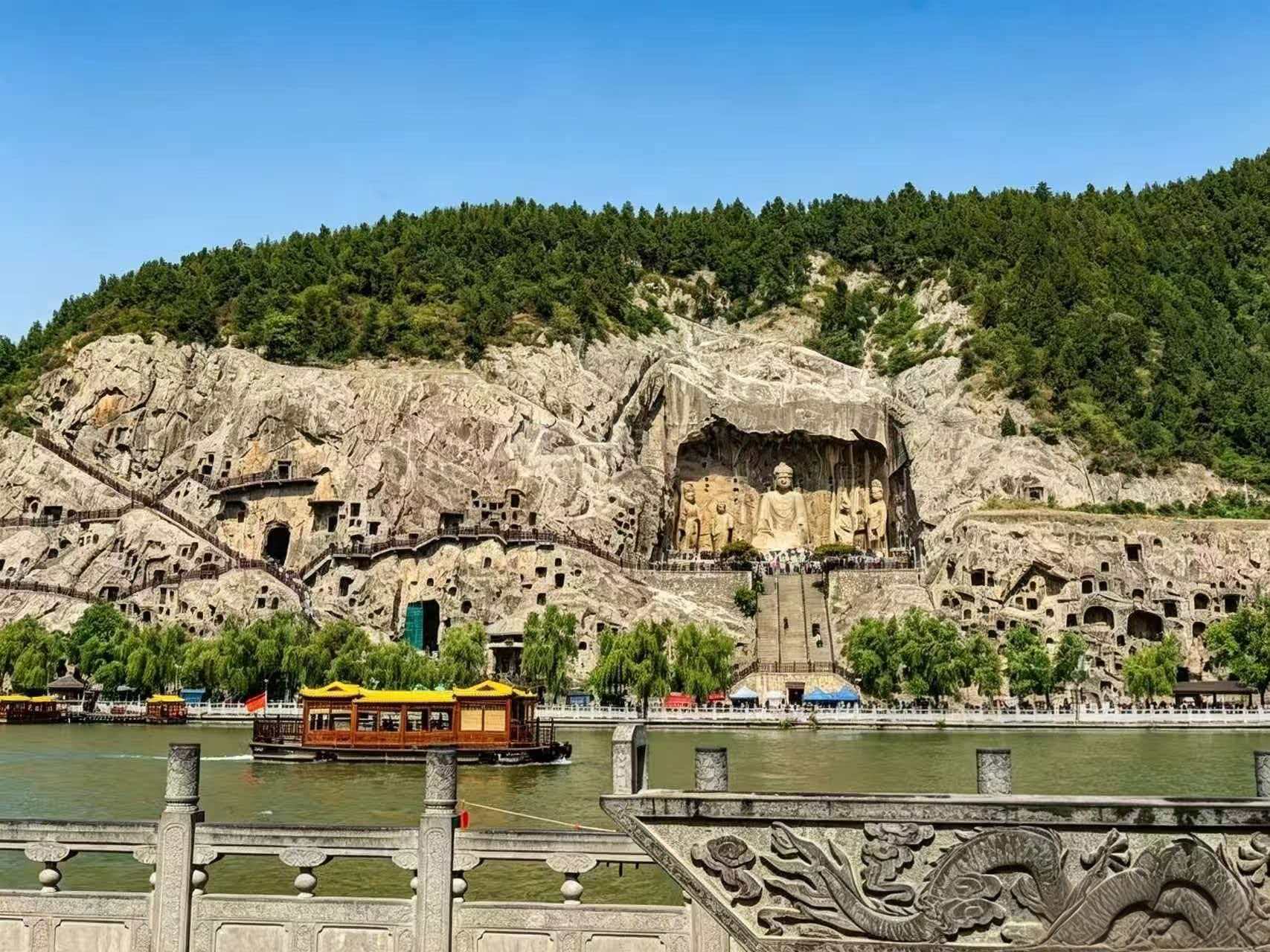
Flanking the serene Yi River just south of Luoyang, Henan Province, the Longmen Grottoes are not merely an archaeological site—they are a monumental open-air museum of Buddhist sculpture frozen in stone. Stretching over one kilometer along the precipitous limestone cliffs, this spectacular complex is home to over 2,300 caves and niches, containing more than 100,000 statues, ranging from a mere 2 centimeters to a majestic 17 meters in height. As a UNESCO World Heritage Site and one of China’s most important cultural treasures, the Longmen Grottoes offer an unparalleled journey through the artistic and spiritual zenith of the late Northern Wei and Tang dynasties, a testament to a civilization at its most devout and creative peak.
Features and Highlights
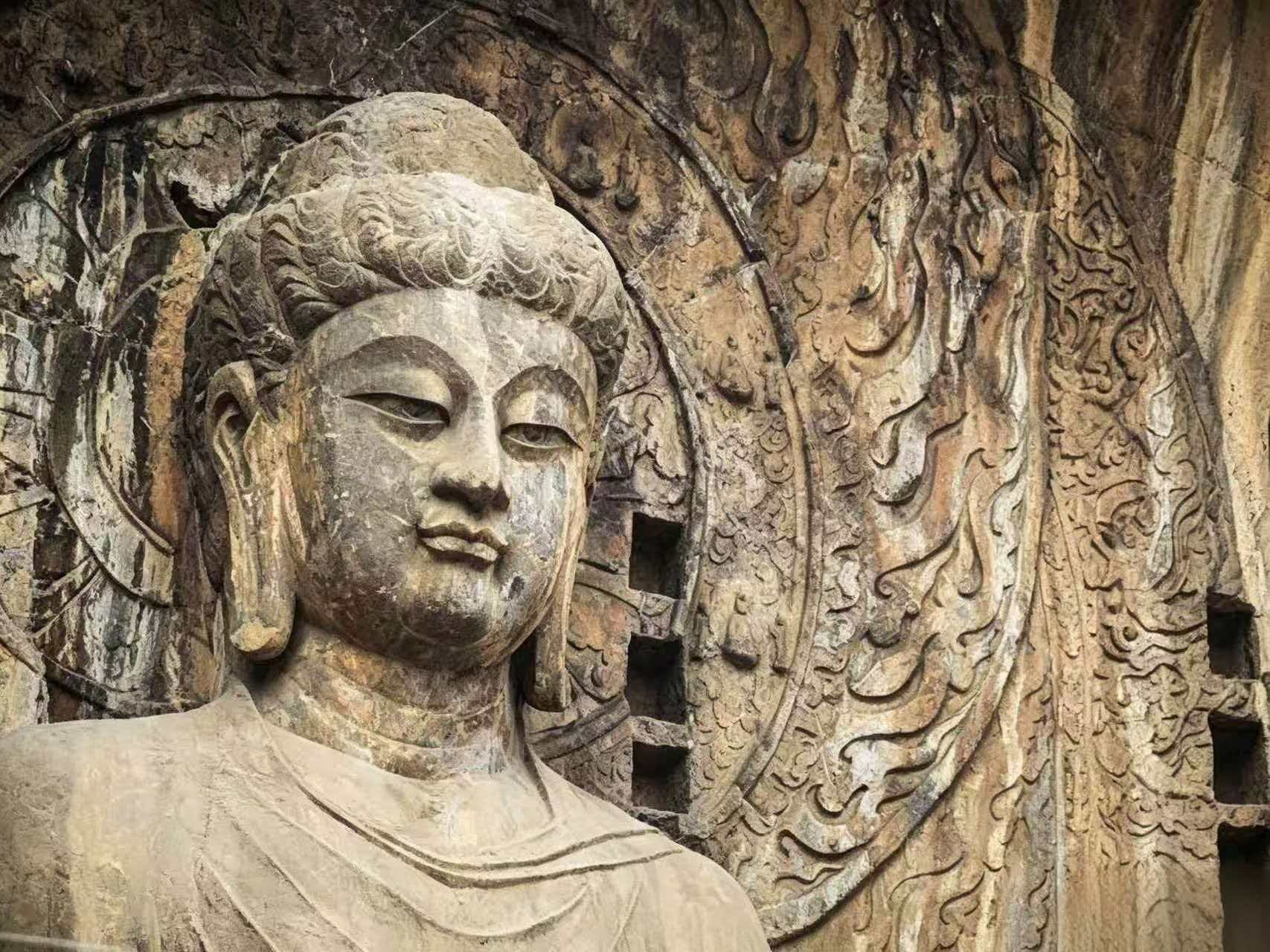
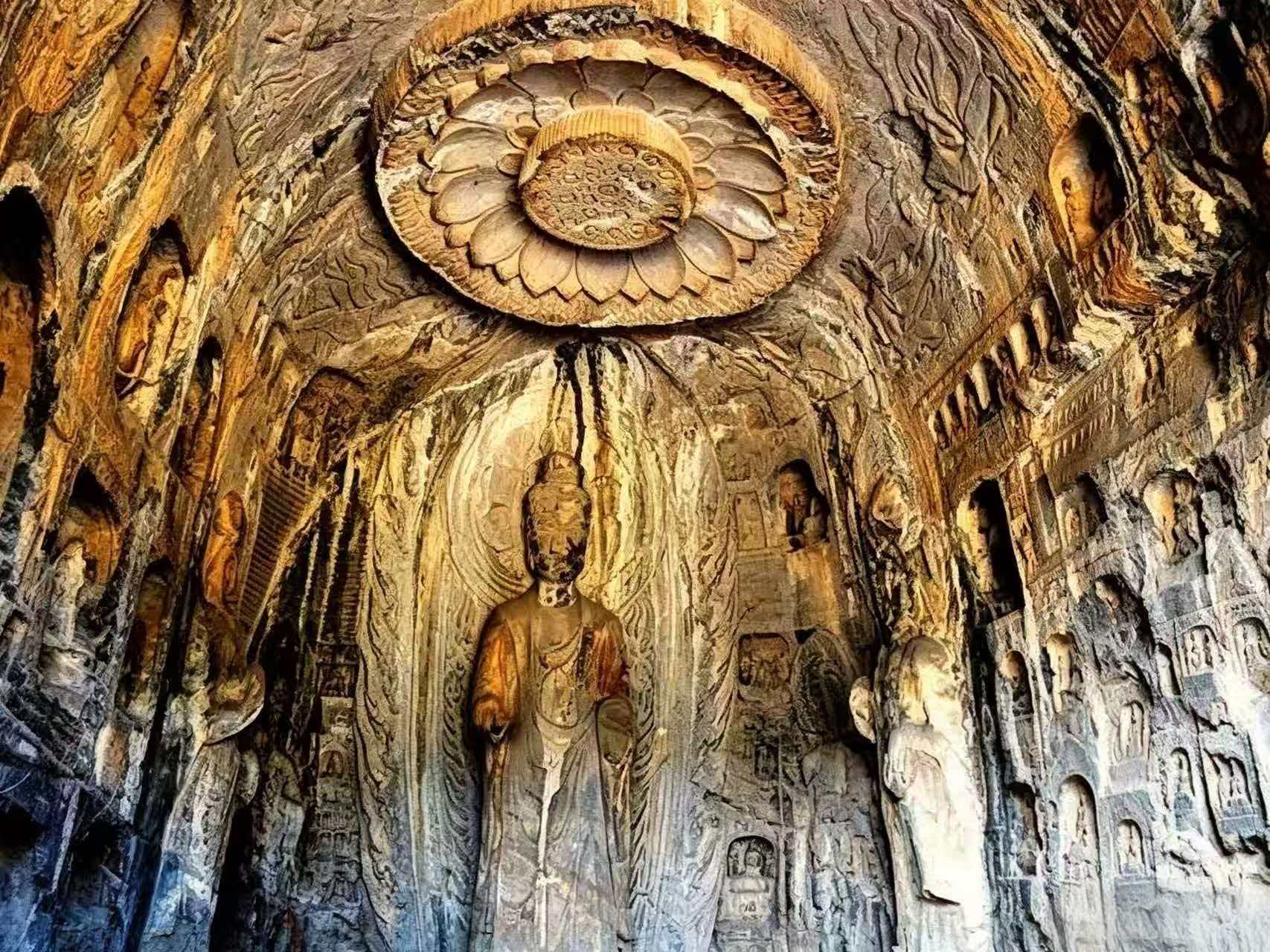
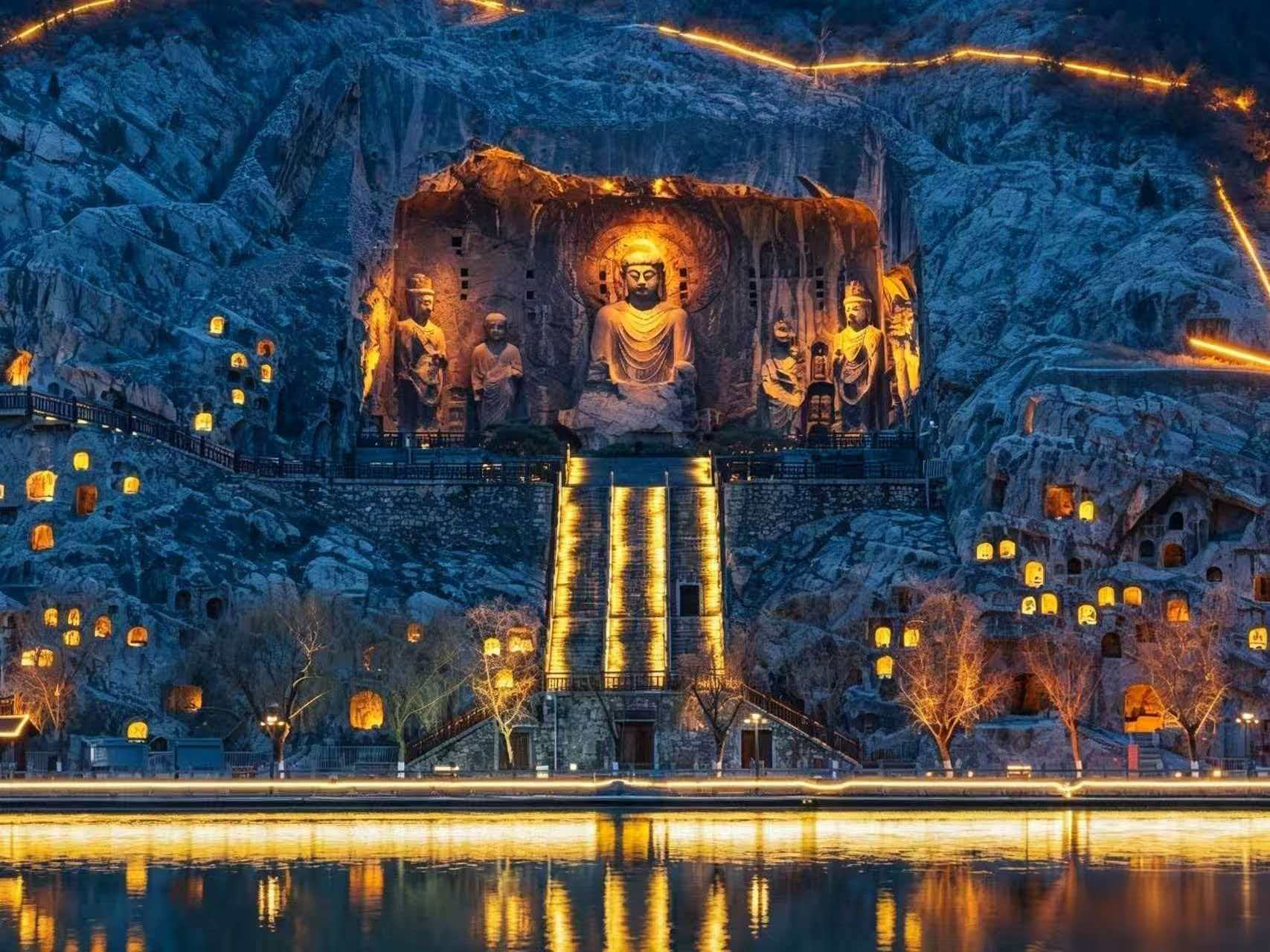
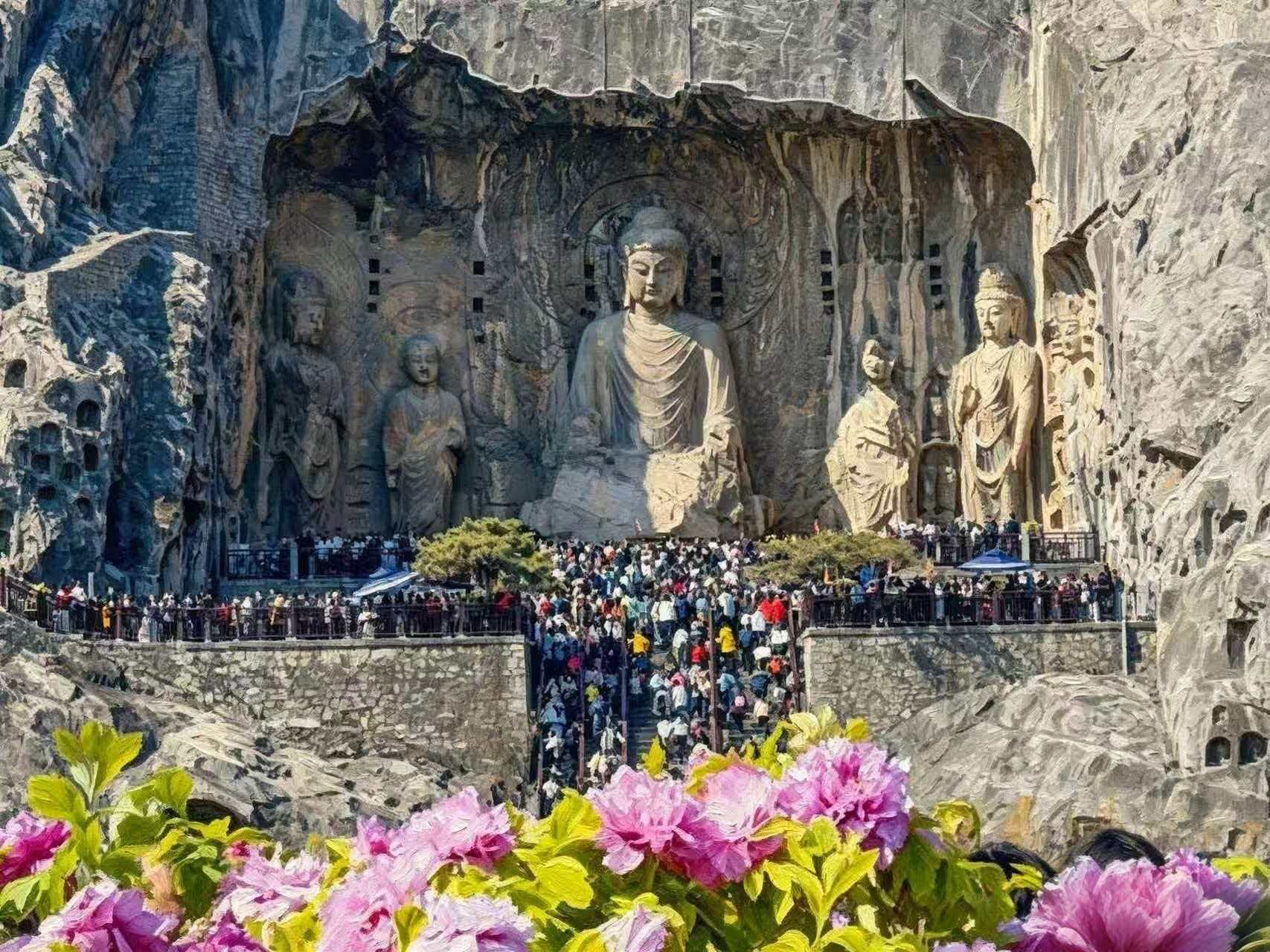
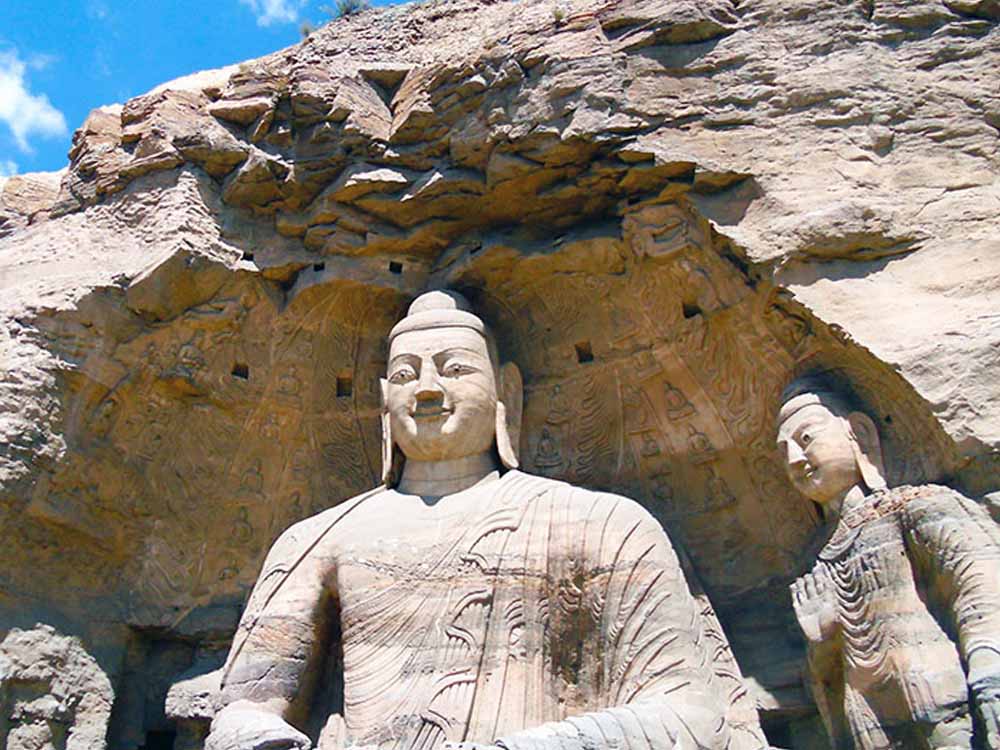
The absolute highlight is the Fengxian Temple, a vast open-air niche dominated by the colossal Vairocana Buddha, a 17-meter-high statue renowned for its serene, enigmatic smile that has captivated viewers for over 1,300 years, embodying the Tang Dynasty's ideal of beauty and power. Beyond this masterpiece, the complex is a rich tapestry of art and history, featuring the Guyang Cave, the earliest of the major caves, which houses a treasury of stelae and inscriptions including the famed “Twenty Calligraphy Inscriptions” highly revered by scholars. The Wanfo Cave, with its 15,000 tiny Buddha statues, and the Lotus Cave with its beautifully carved ceiling, further showcase the incredible skill and devotion of ancient artisans. The sheer scale and detail of the carvings, combined with the dramatic natural setting, create an awe-inspiring experience that vividly illustrates the evolution of Buddhist art over two centuries.
Guide For Travelers
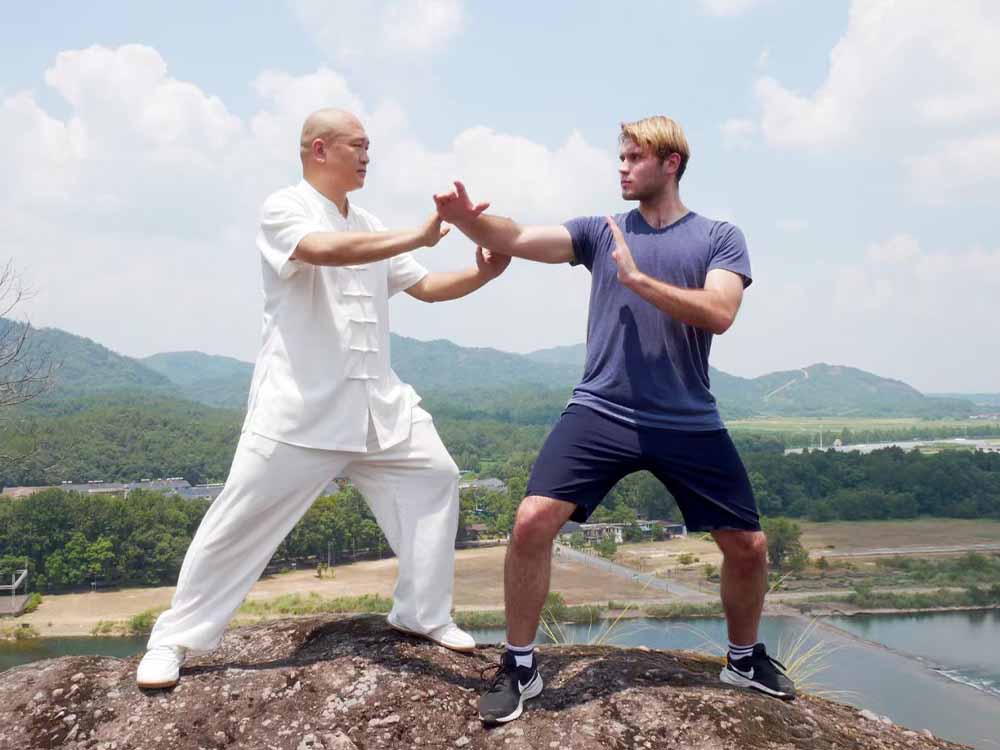
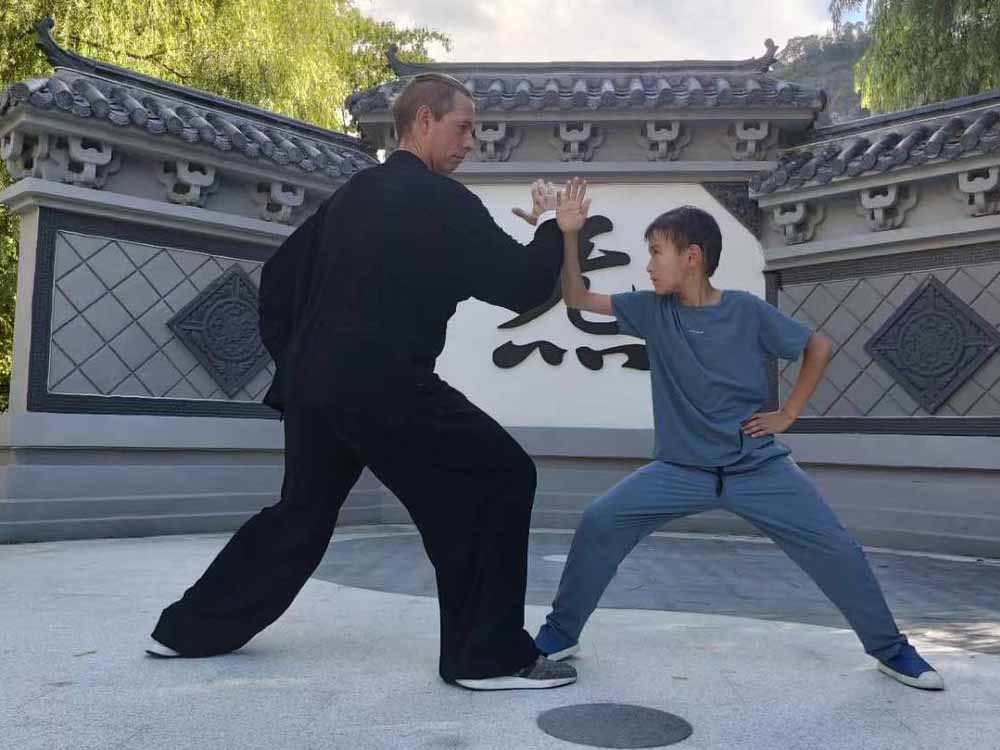
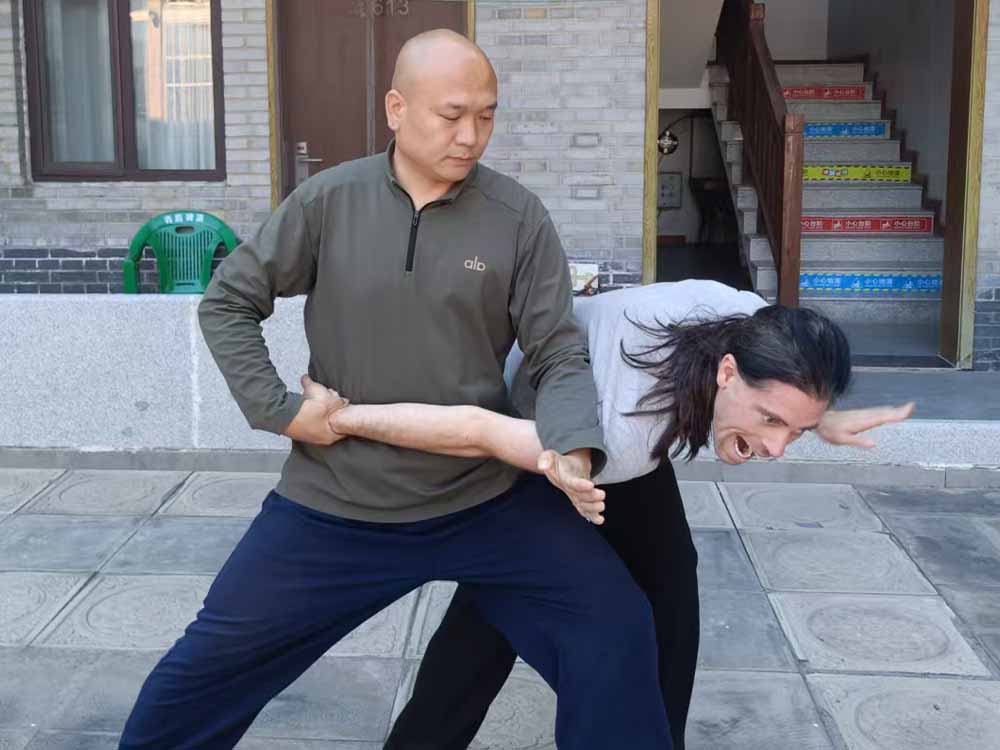
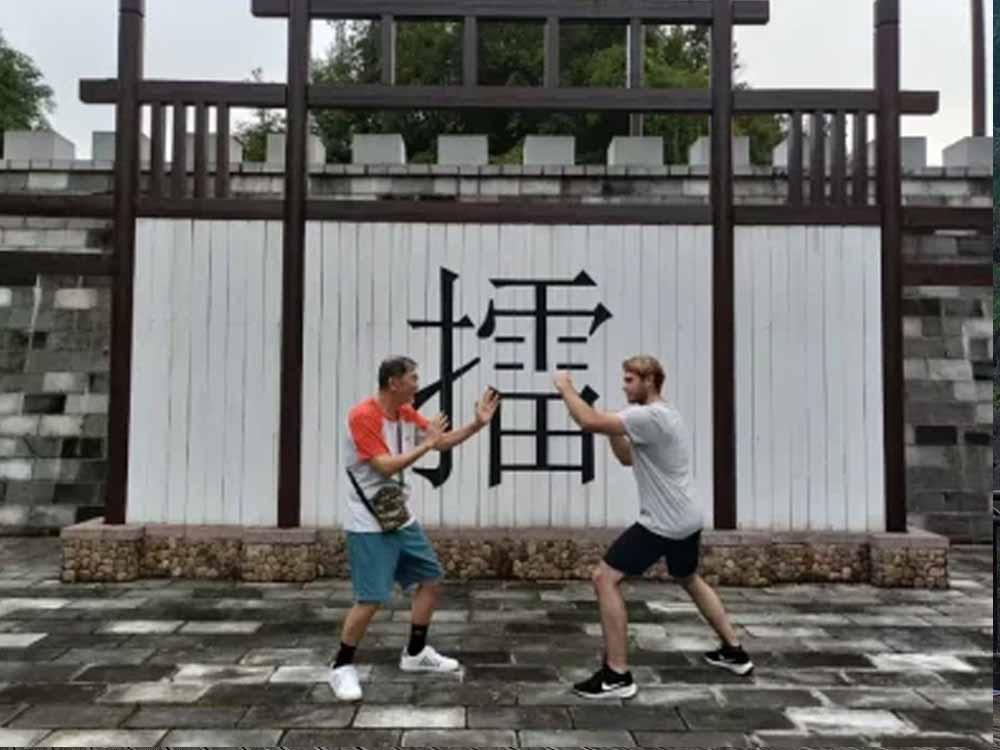
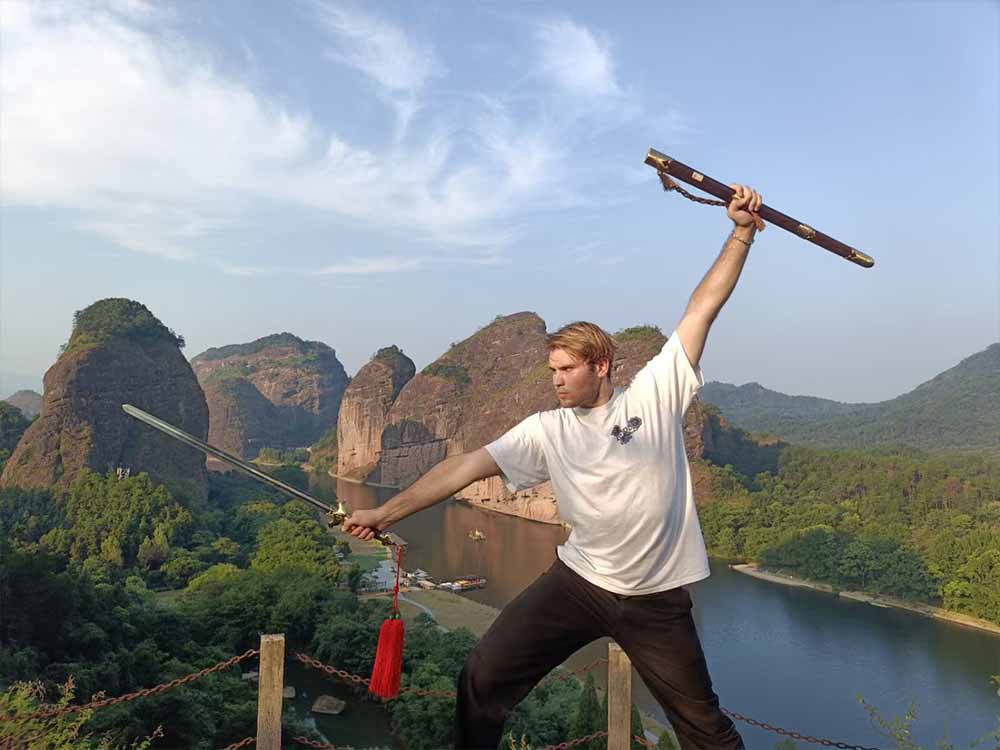
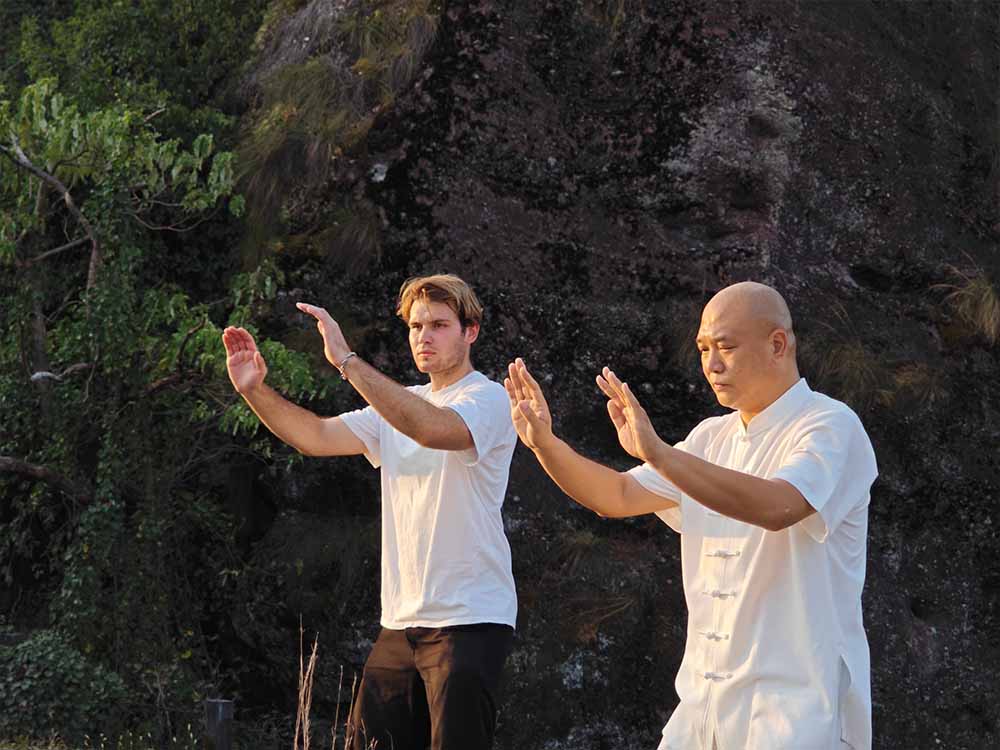
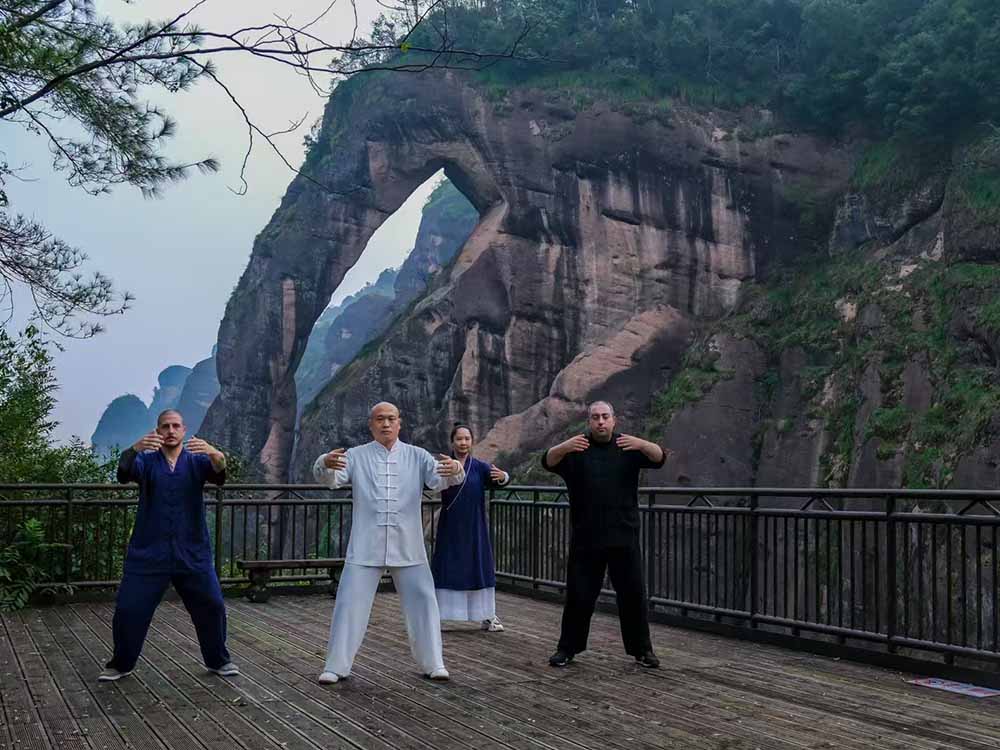
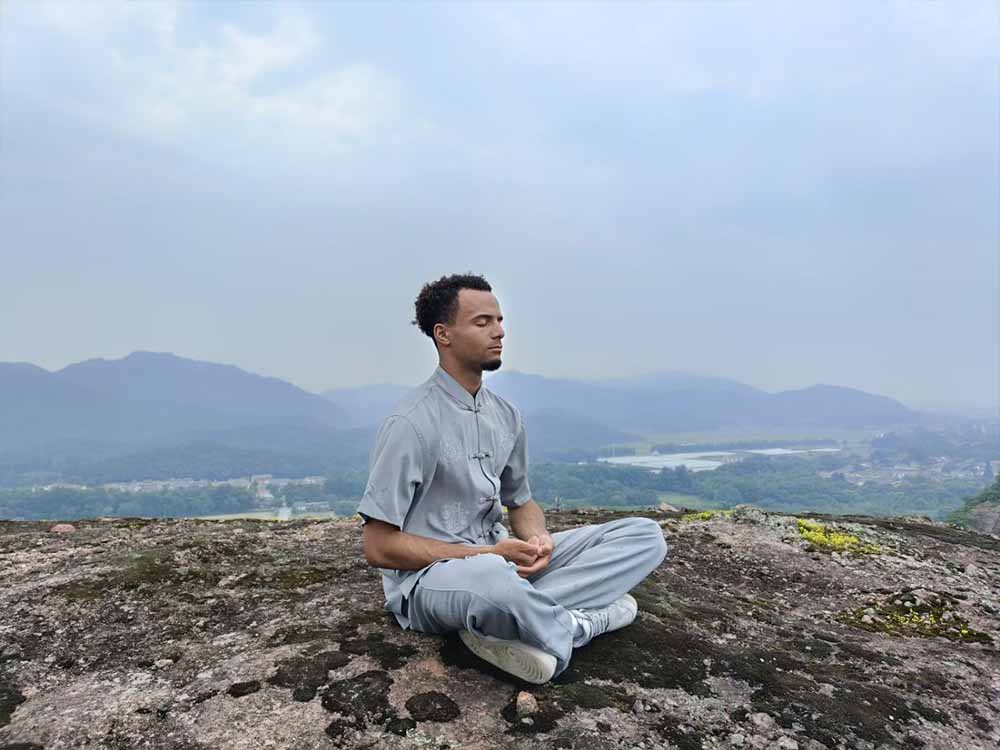
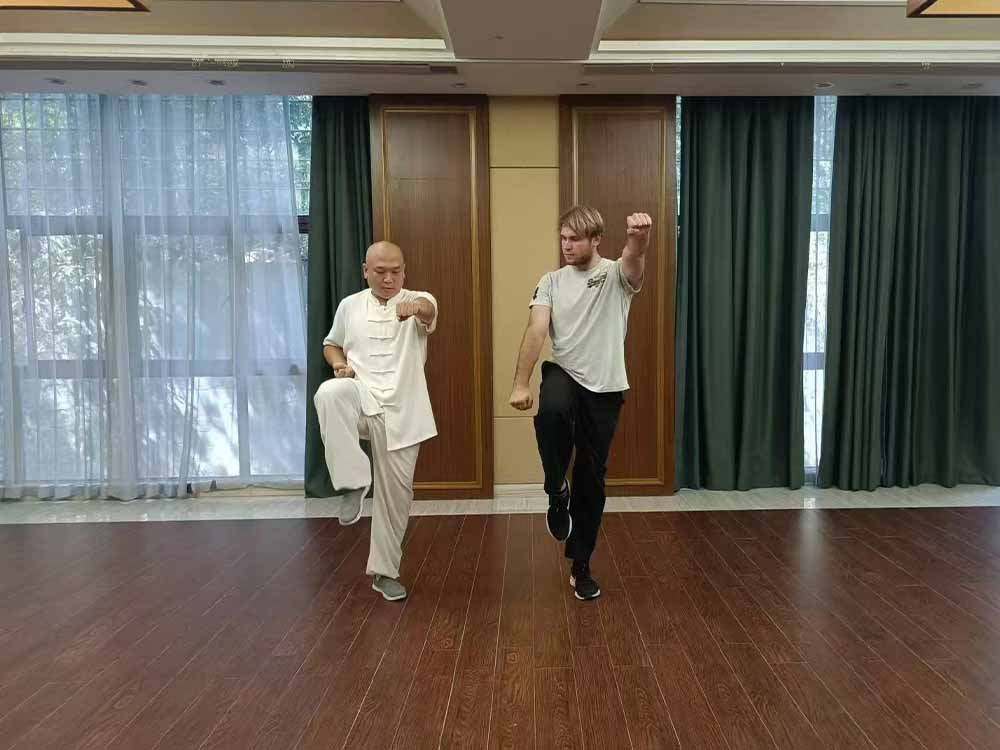
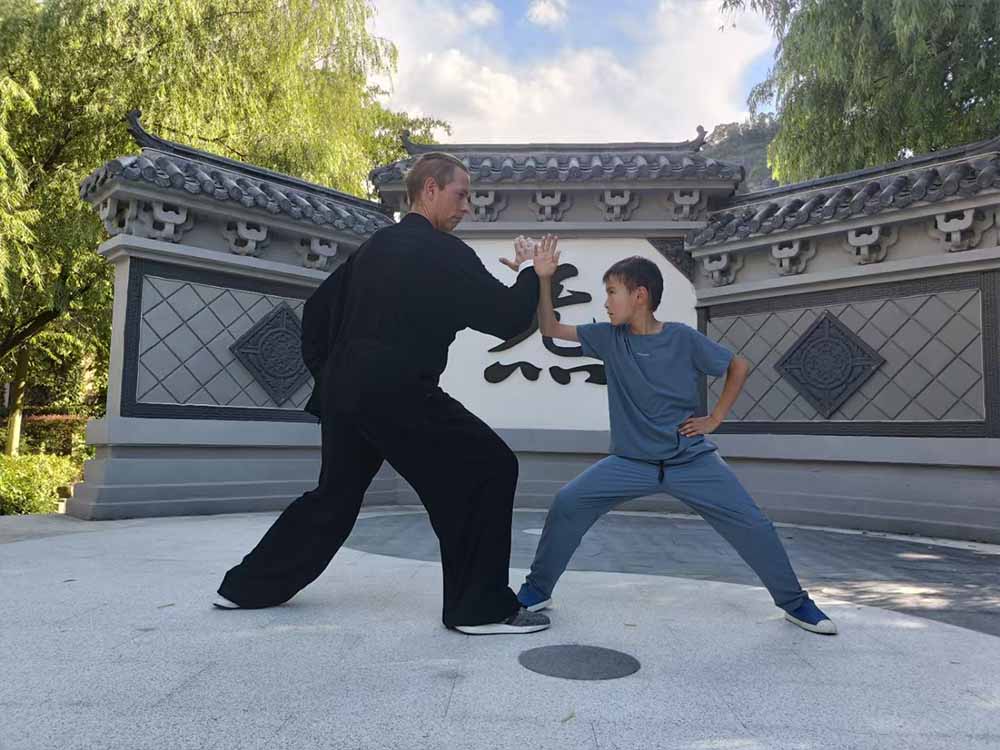
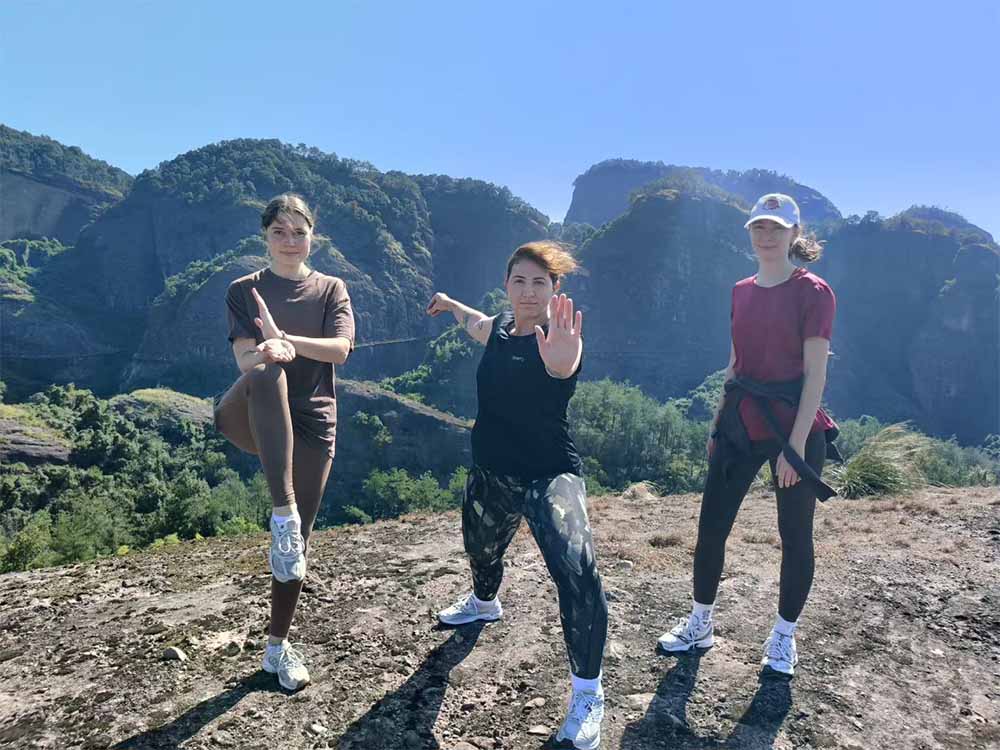
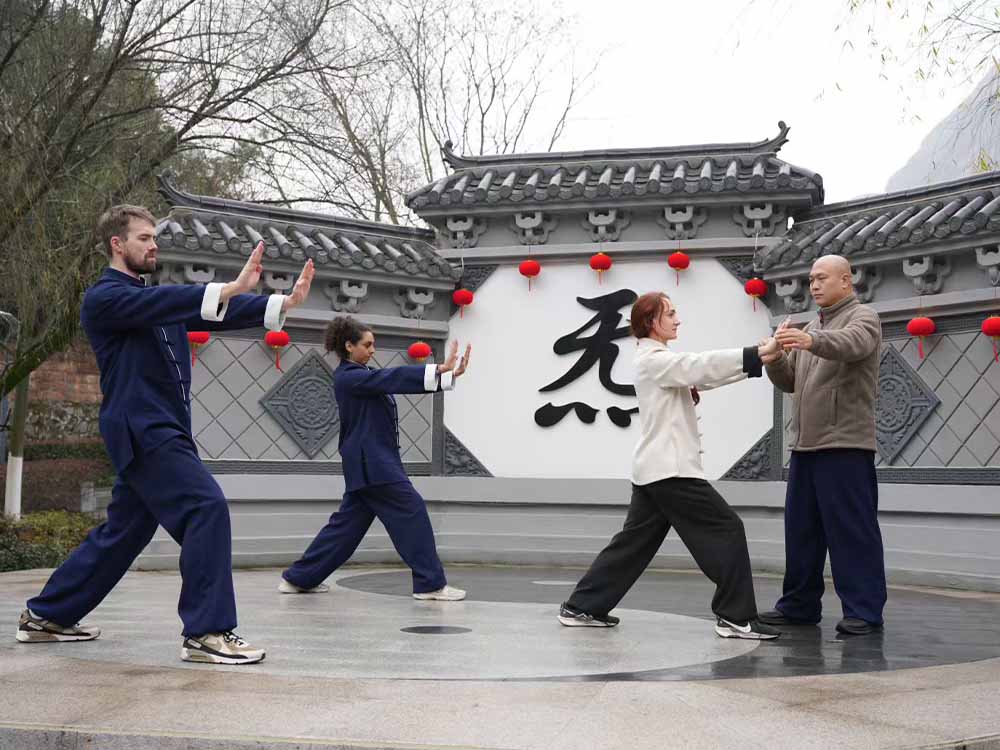
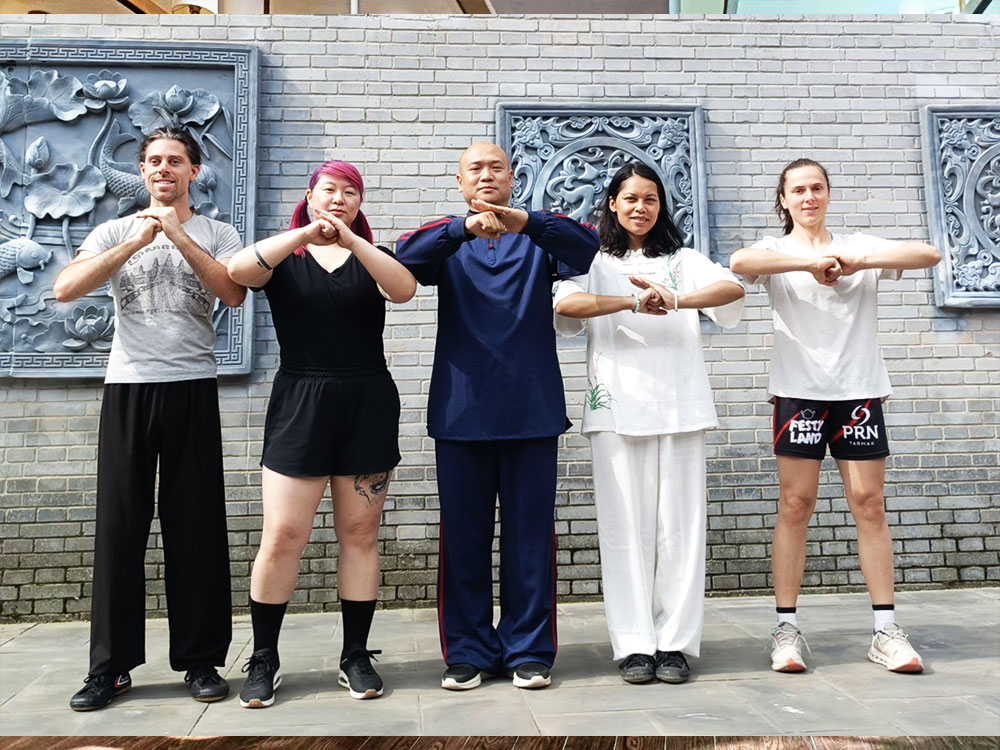
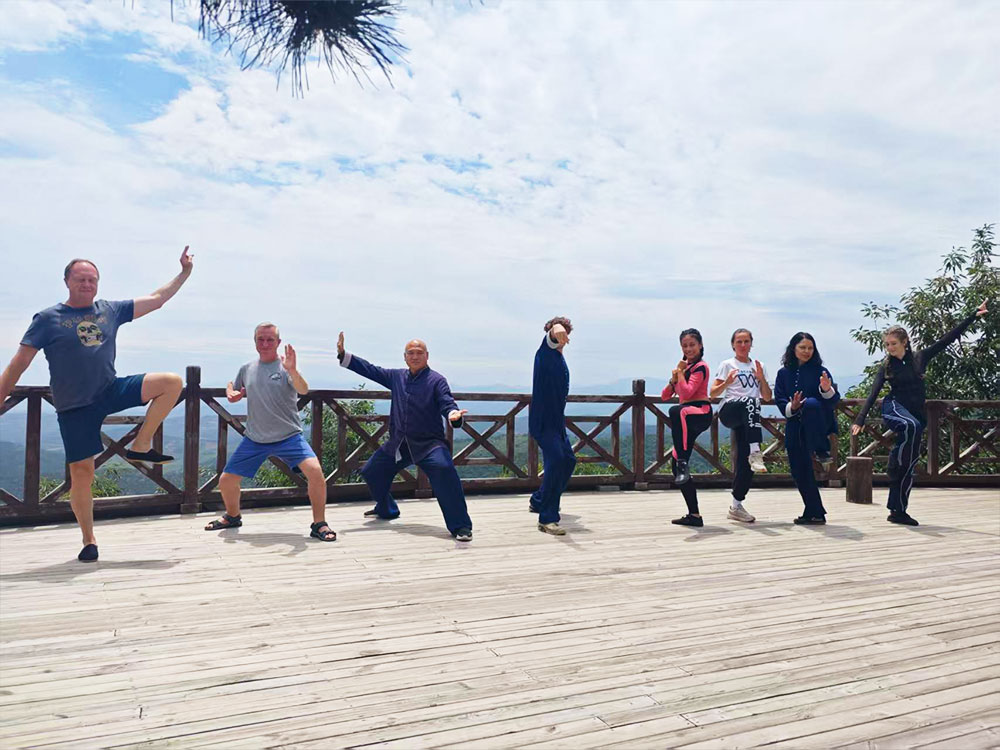
A visit to the Longmen Grottoes can be easily incorporated into your Kung Fu training camp or cultural tour. Located approximately 13 kilometers south of Luoyang’s city center, the site is readily accessible by taxi or public bus, making it a perfect half-day or full-day excursion. It is highly recommended to start early in the morning or later in the afternoon to avoid the midday heat and crowds, enjoying a more peaceful atmosphere for reflection. Wear comfortable walking shoes as the site involves a significant amount of walking along the cliffside paths. Hiring a knowledgeable local guide or using an audio guide is strongly advised to fully appreciate the history, mythology, and artistic details behind the countless statues and caves. As a site of profound historical and religious significance, visitors are asked to respect the ancient carvings, refrain from touching them, and follow designated pathways to help preserve this world treasure for future generations. The experience offers a perfect balance of physical exploration and spiritual enrichment alongside your martial arts training.








 WhatsApp