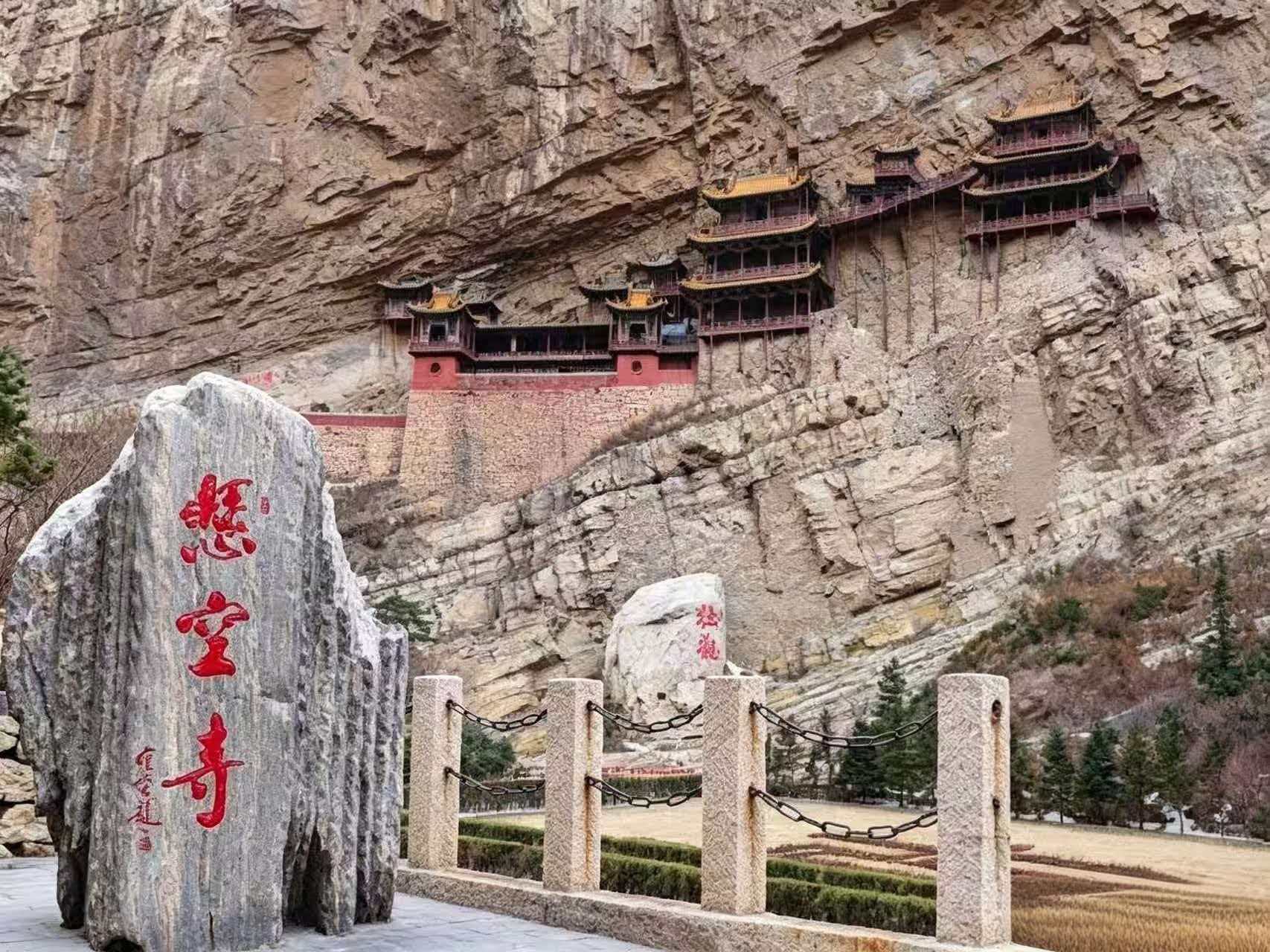
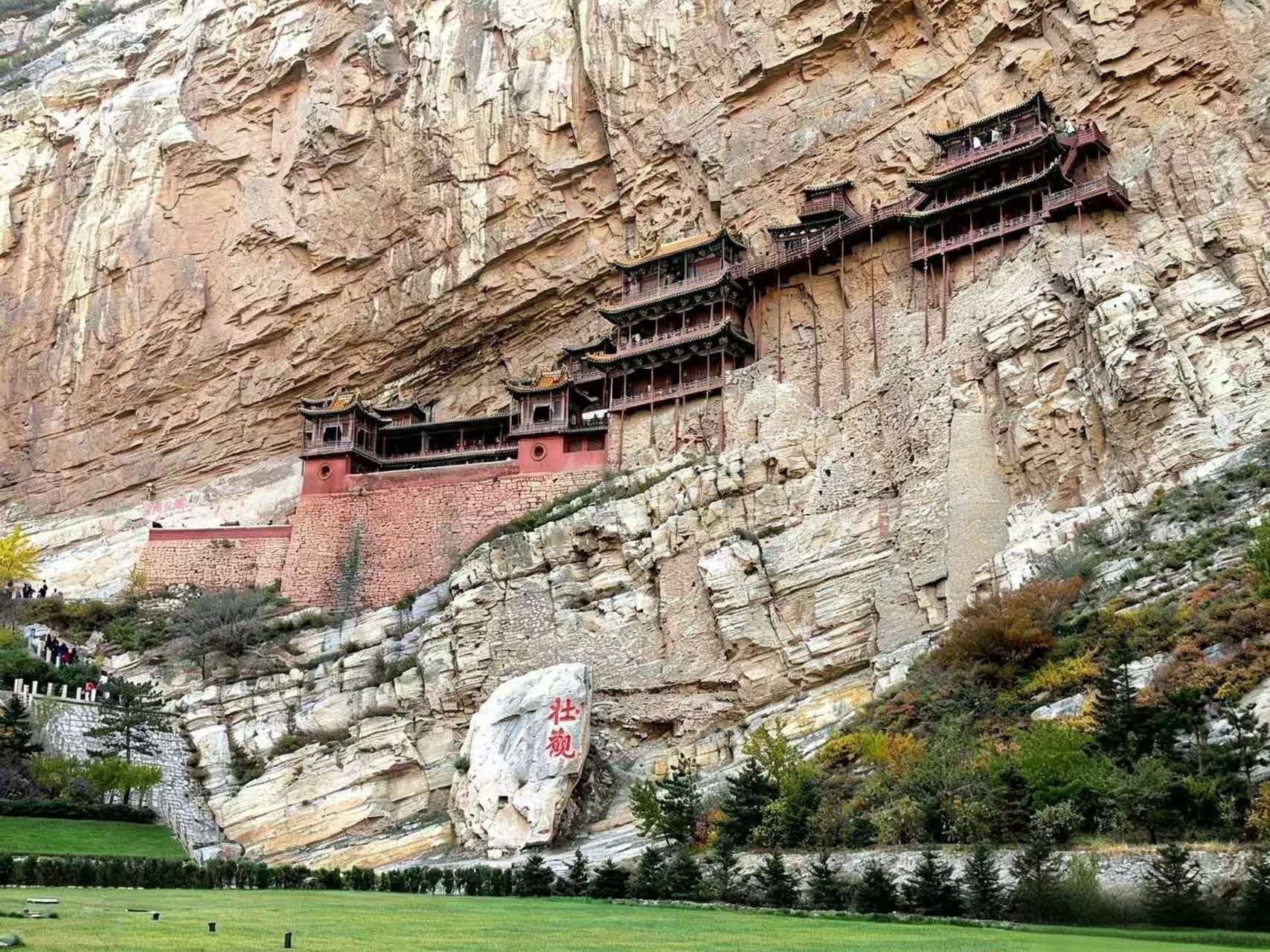
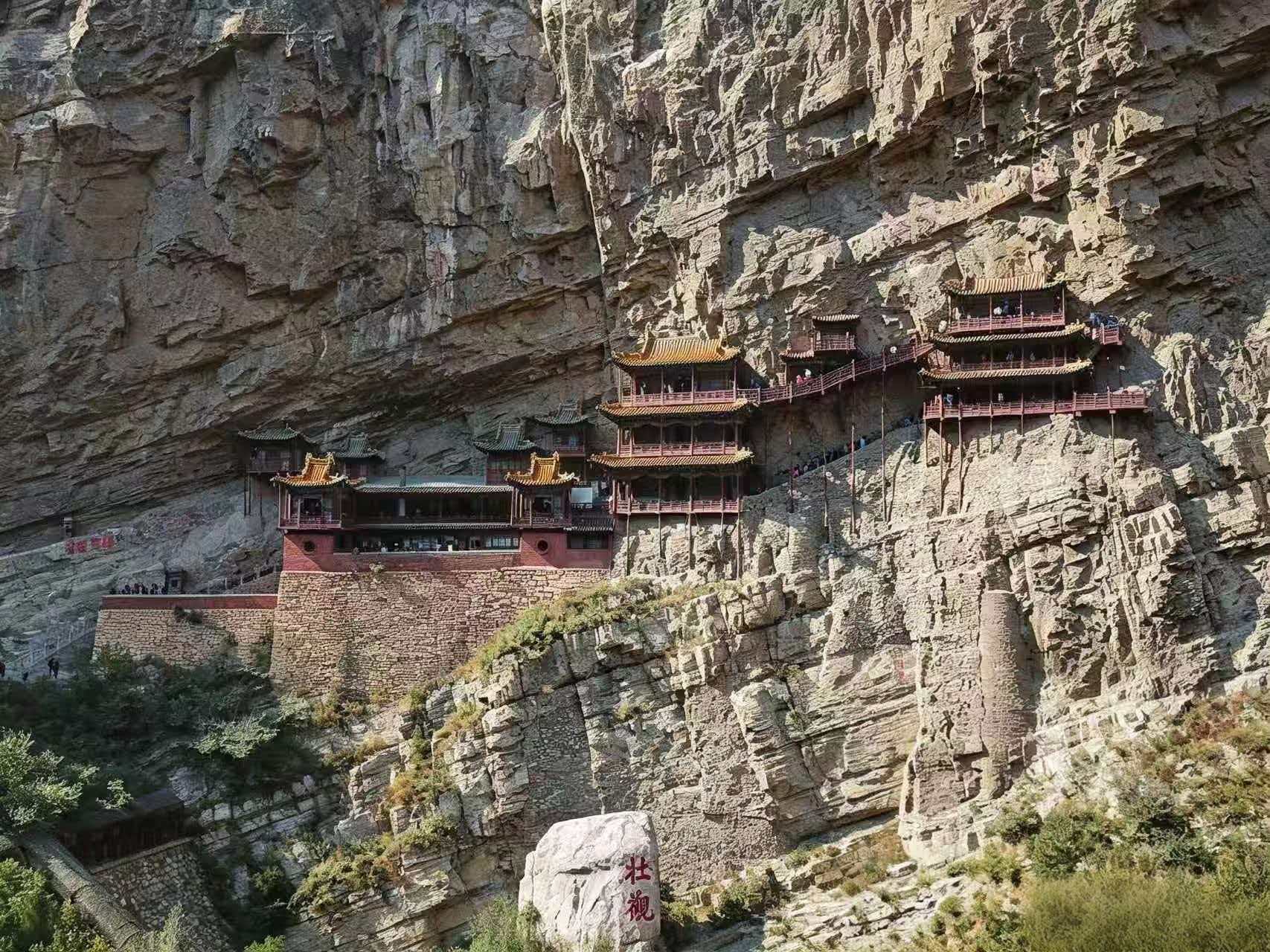
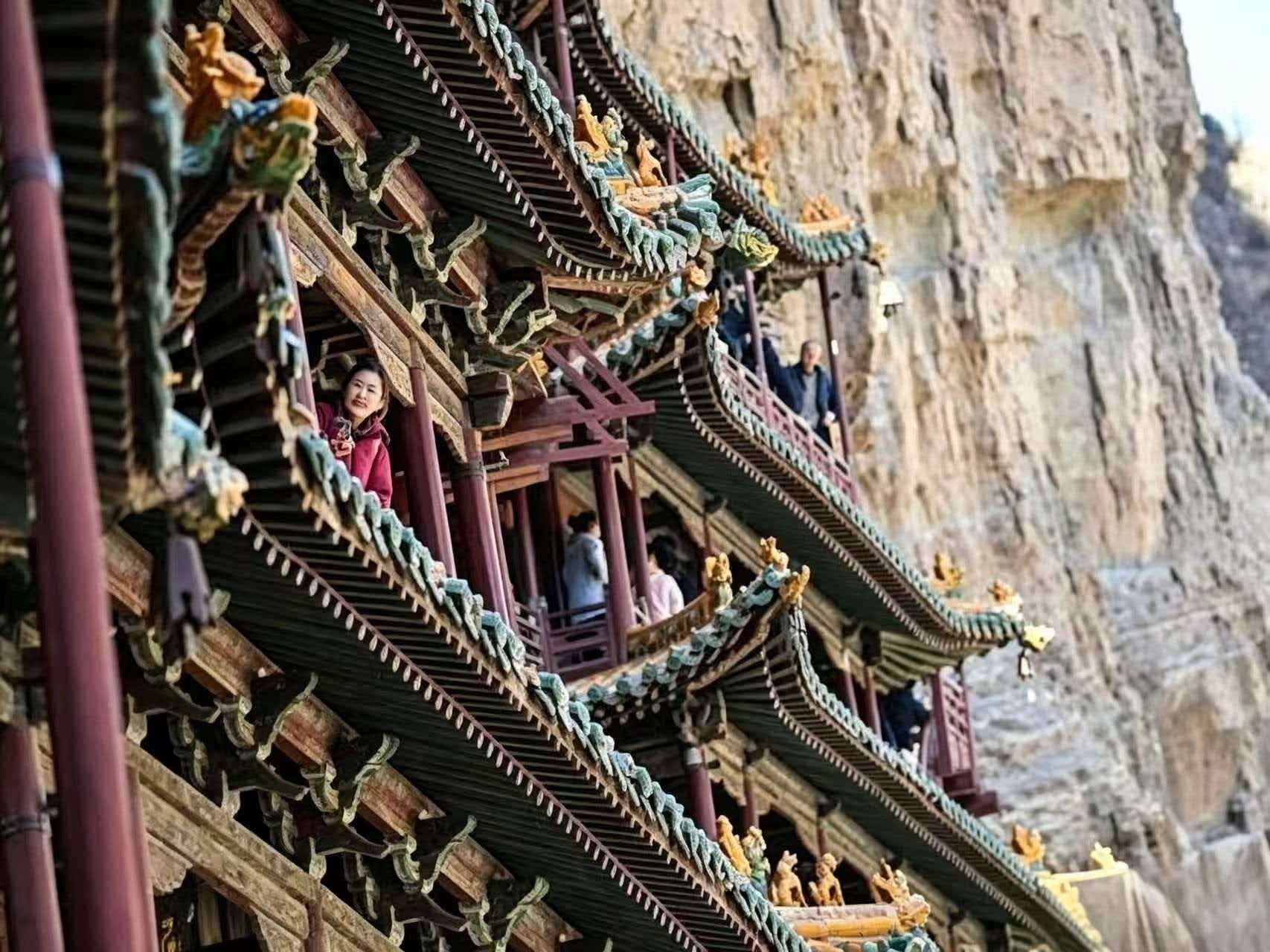
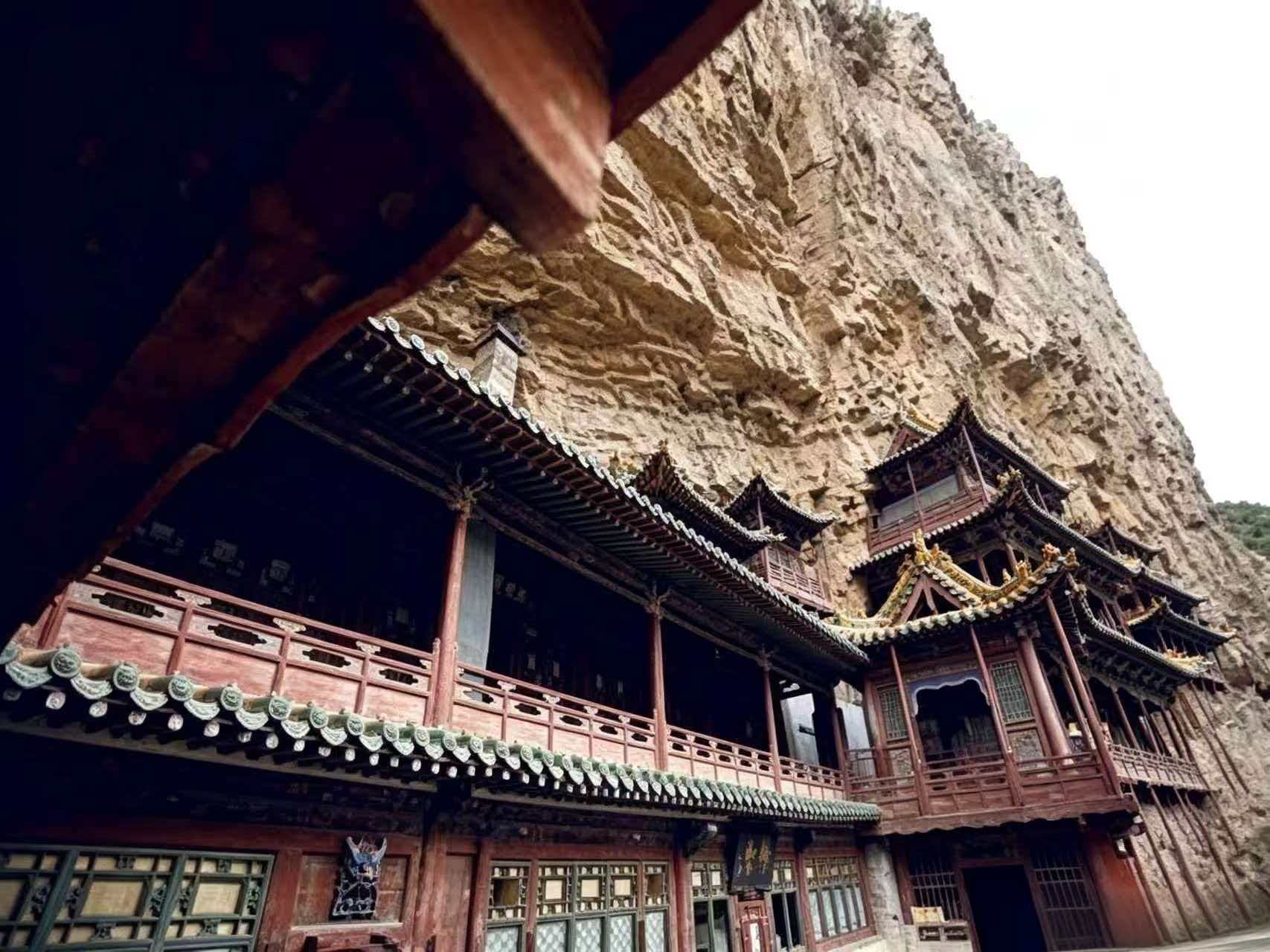
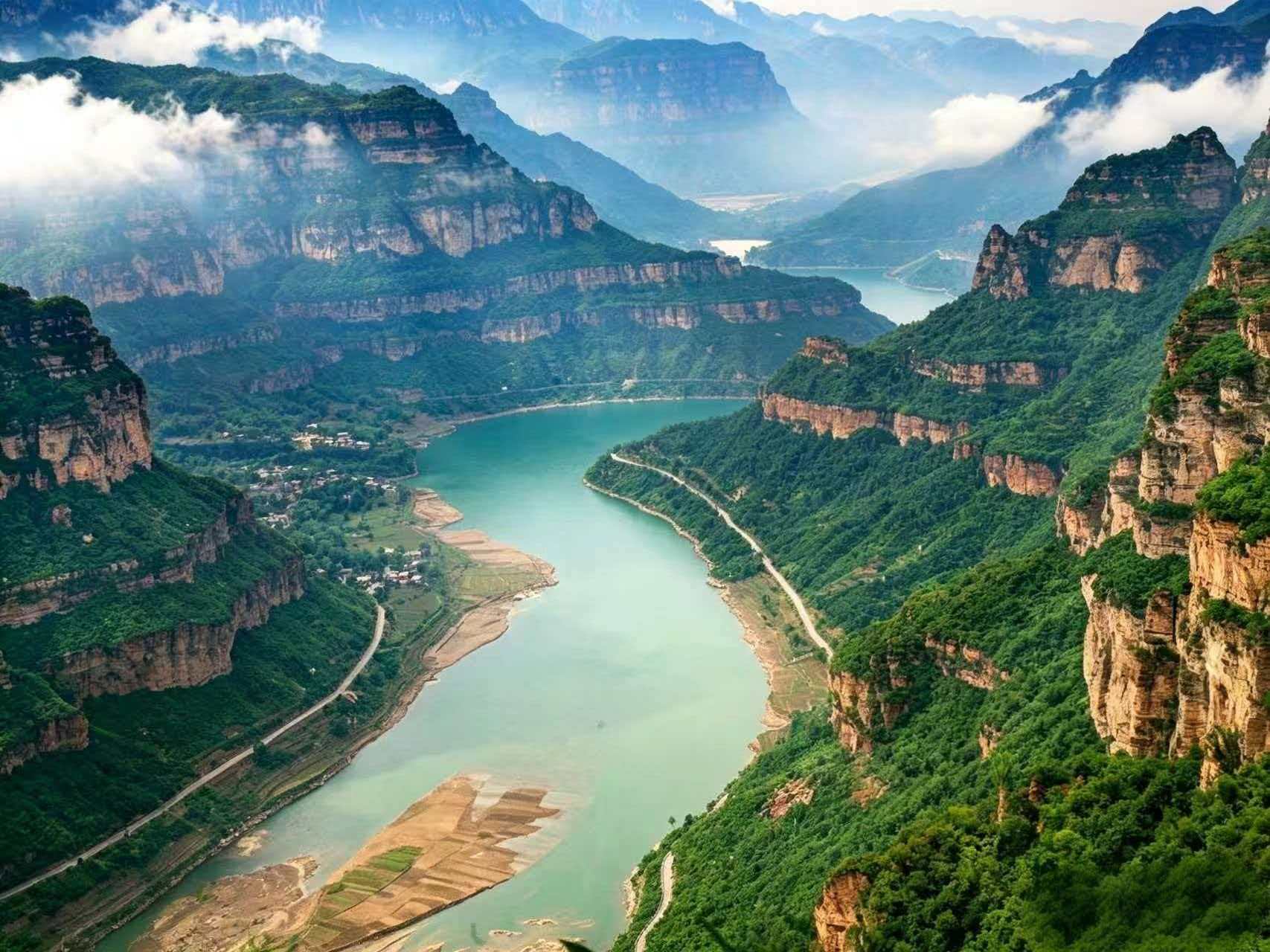
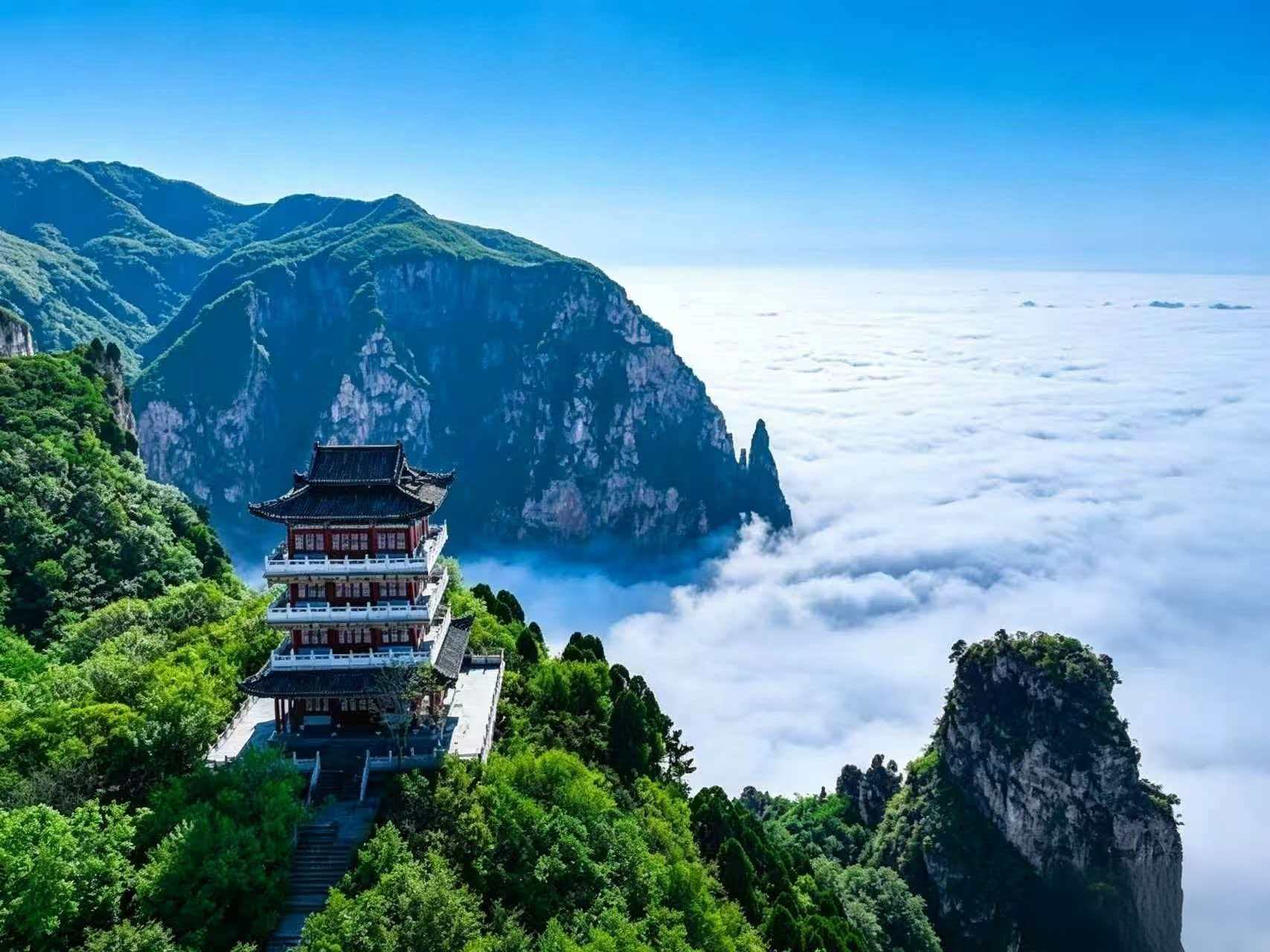
Defying logic and gravity, the Hanging Temple (Xuankong Si) clings precariously to the iron-gray cliffs of Jinlong Canyon at the foot of Hengshan Mountain in Shanxi Province. This is not merely a temple—it is a breathtaking architectural miracle, a symphony of wood, stone, and faith suspended between heaven and earth. For over 1,500 years, its delicate-looking pavilions and halls have endured earthquakes, storms, and the relentless passage of time, offering a profound testament to the skill and courage of ancient Chinese craftsmen. As a UNESCO World Heritage Site, this gravity-defying wonder invites you on an unforgettable journey to explore the profound spiritual and architectural heritage of China.
An Architectural Marvel
The sheer audacity of the Hanging Temple's construction is its most stunning feature. Built into the natural rock face using a sophisticated system of crossbeam supports wedged into holes chiseled into the cliff, the temple seems to float. The design masterfully distributes the weight of its 40-plus halls and pavilions onto the bedrock, creating a stable structure that has survived over a millennium. The temple's layout follows a unique, tiered formation that rises with the contour of the cliff, connected by a network of narrow corridors, winding plank roads, and steep staircases. The engineering principles used here have been studied by modern architects for their ingenuity and resilience, making it a timeless masterpiece of construction.
A Unique Fusion of Faiths
One of the most remarkable aspects of the Hanging Temple is its religious significance as the only existing temple in China that harmoniously integrates the three primary philosophical and religious traditions: Buddhism, Taoism, and Confucianism. This rare coexistence reflects a period of great cultural synthesis in Chinese history. As you explore the temple, you will find statues and shrines dedicated to Sakyamuni (Buddha), Laozi (the founder of Taoism), and Confucius, often housed in the same hall or pavilion. This unique spiritual atmosphere creates a sense of profound peace and unity, making the Hanging Temple a sacred site that transcends any single belief system.
Guide For Travelers
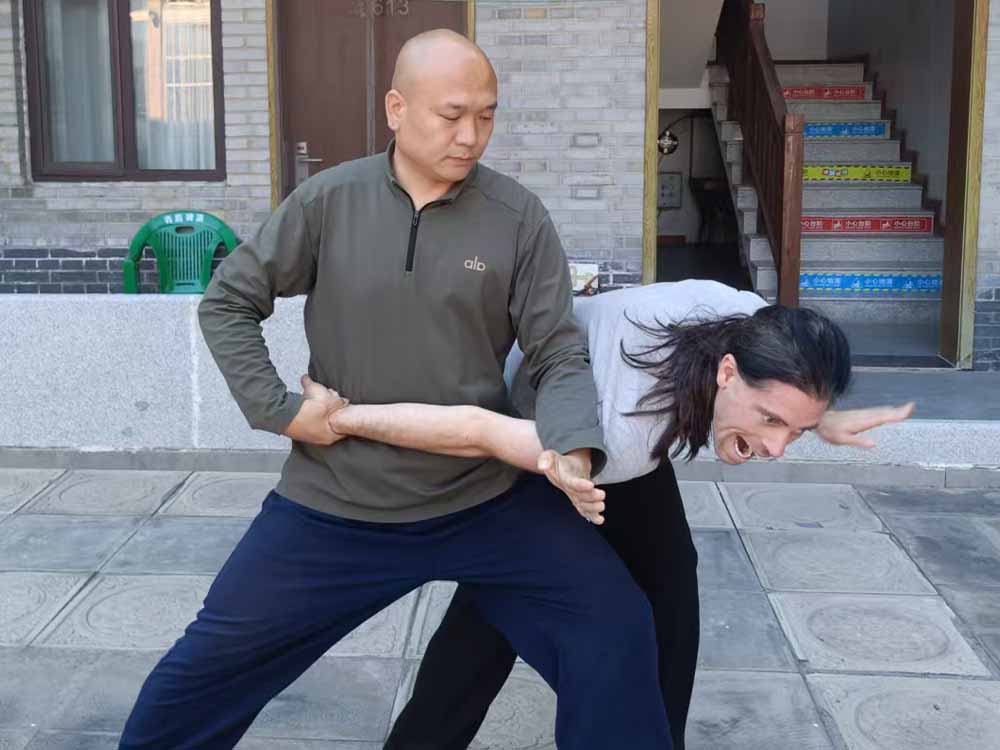
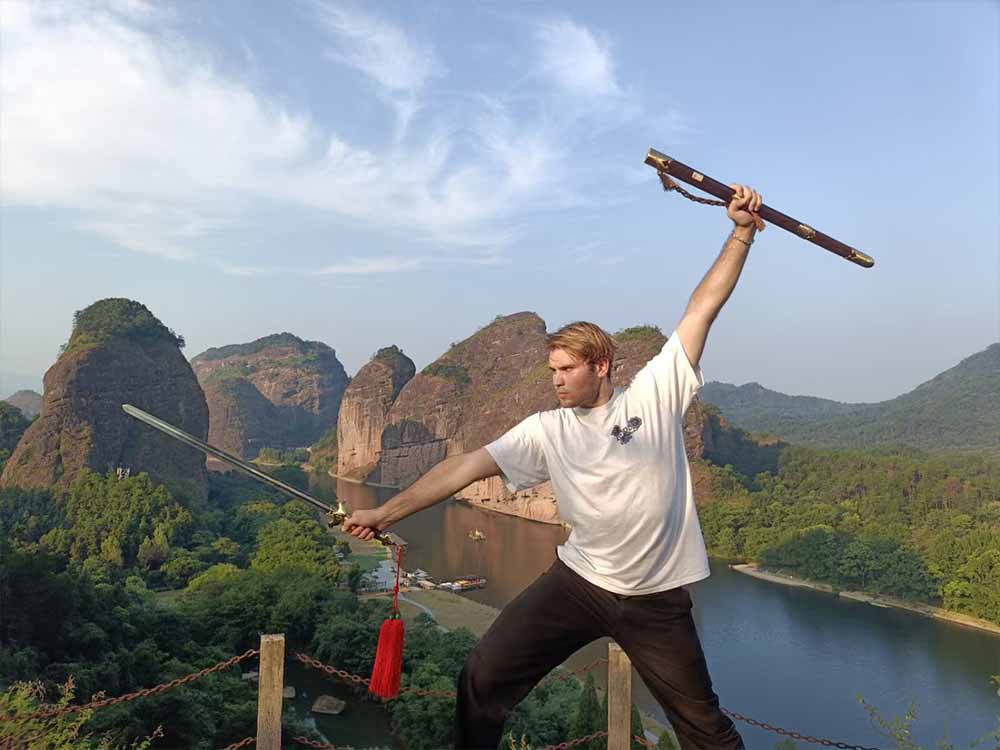
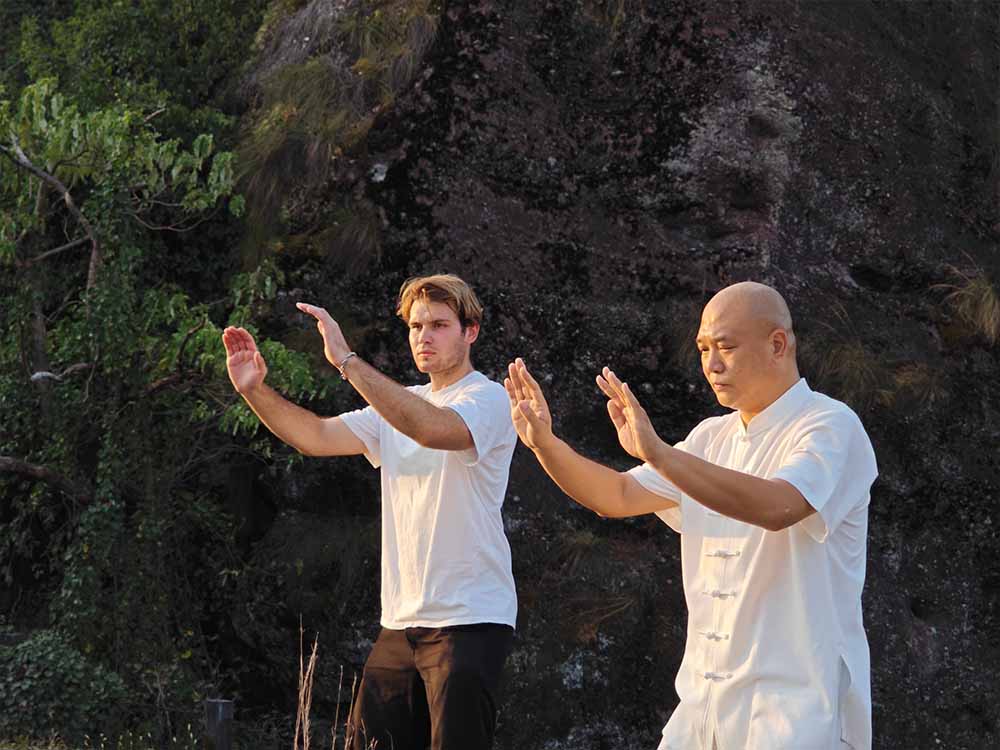
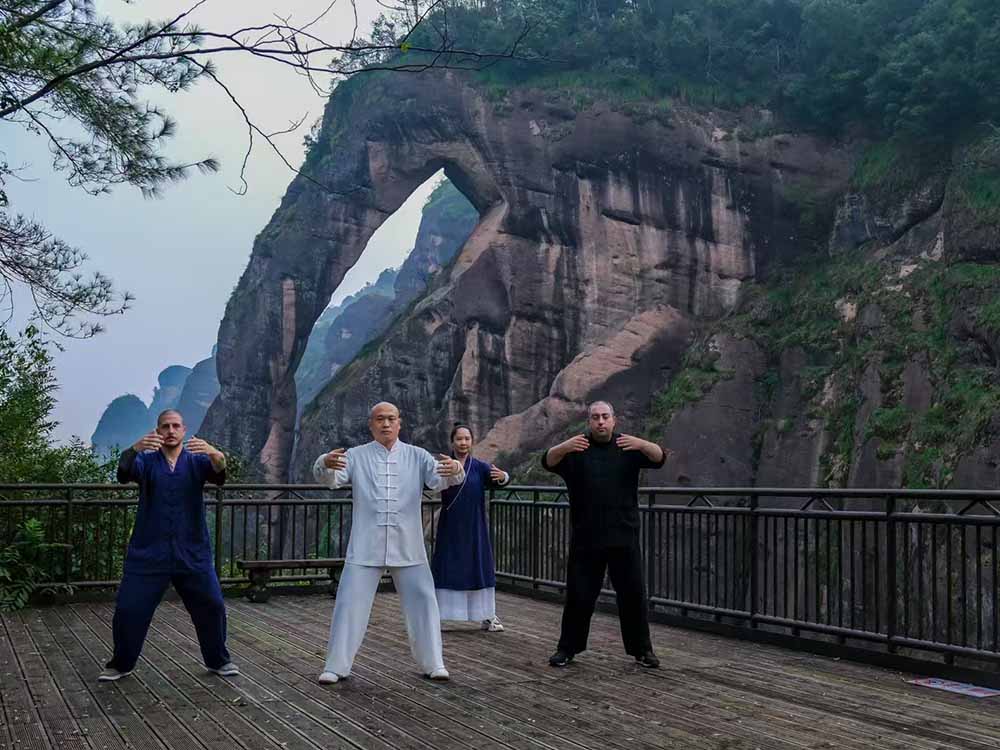
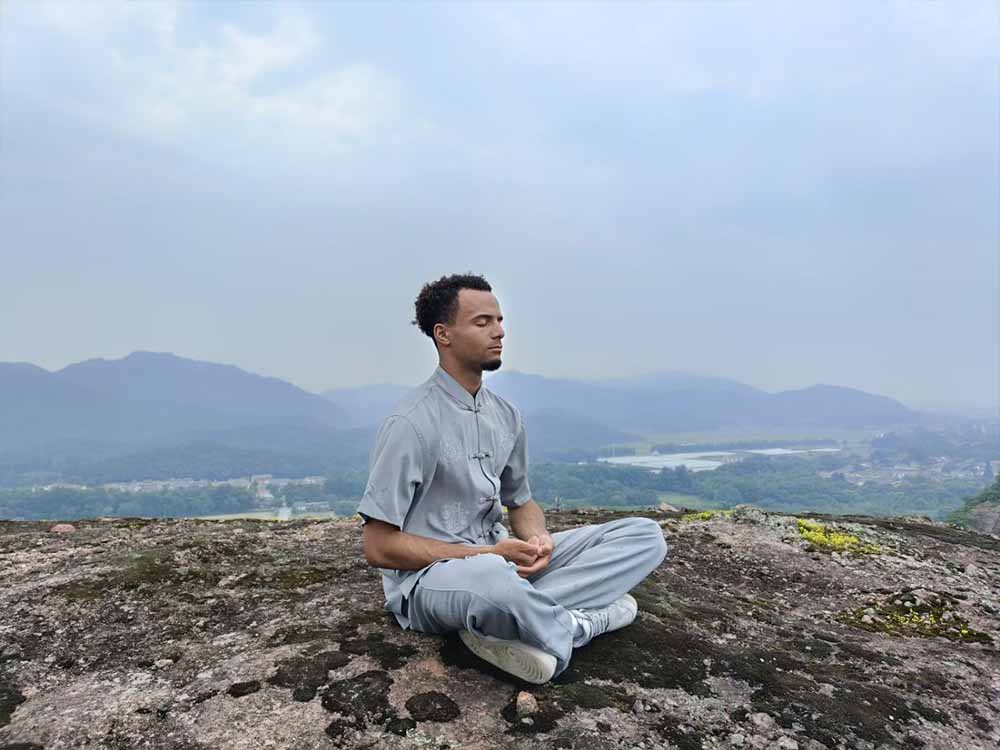
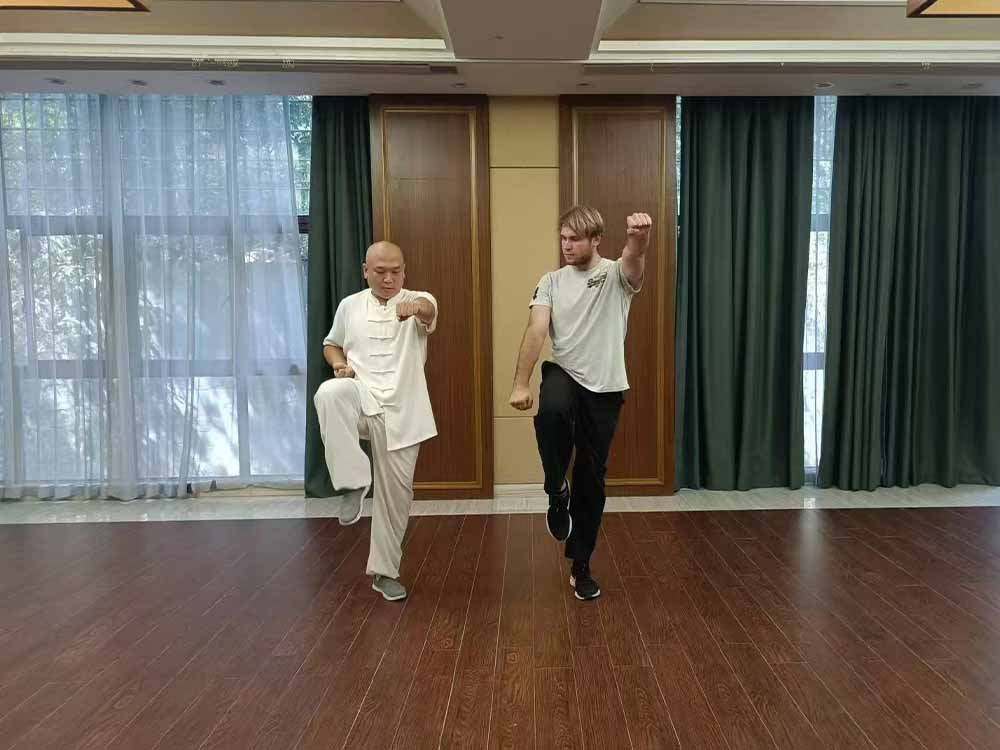
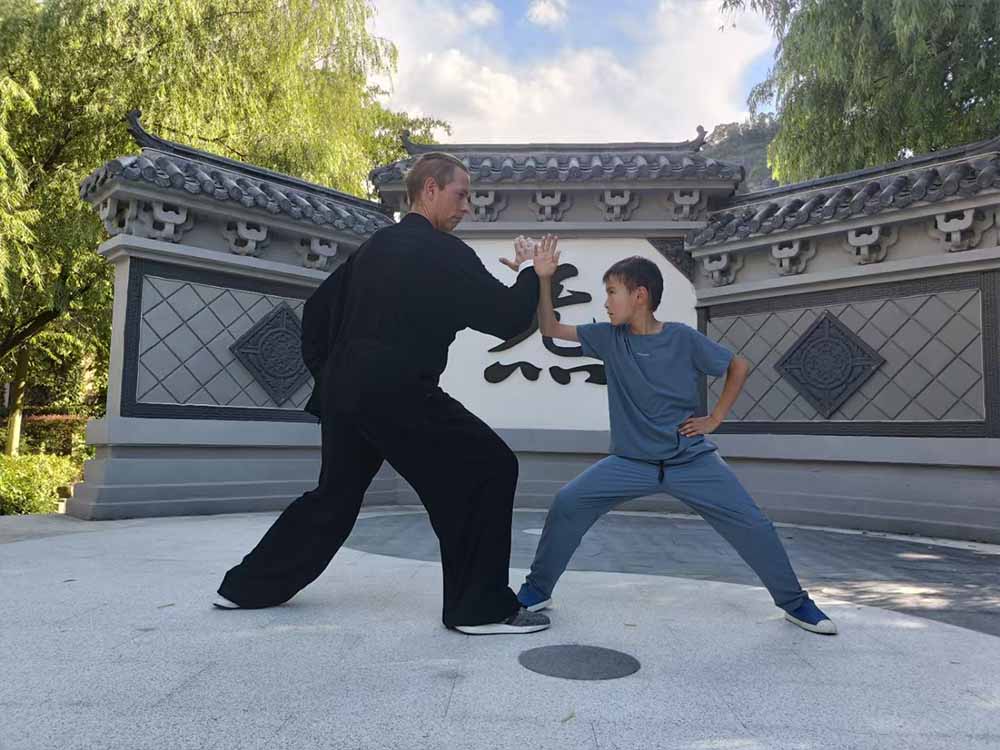
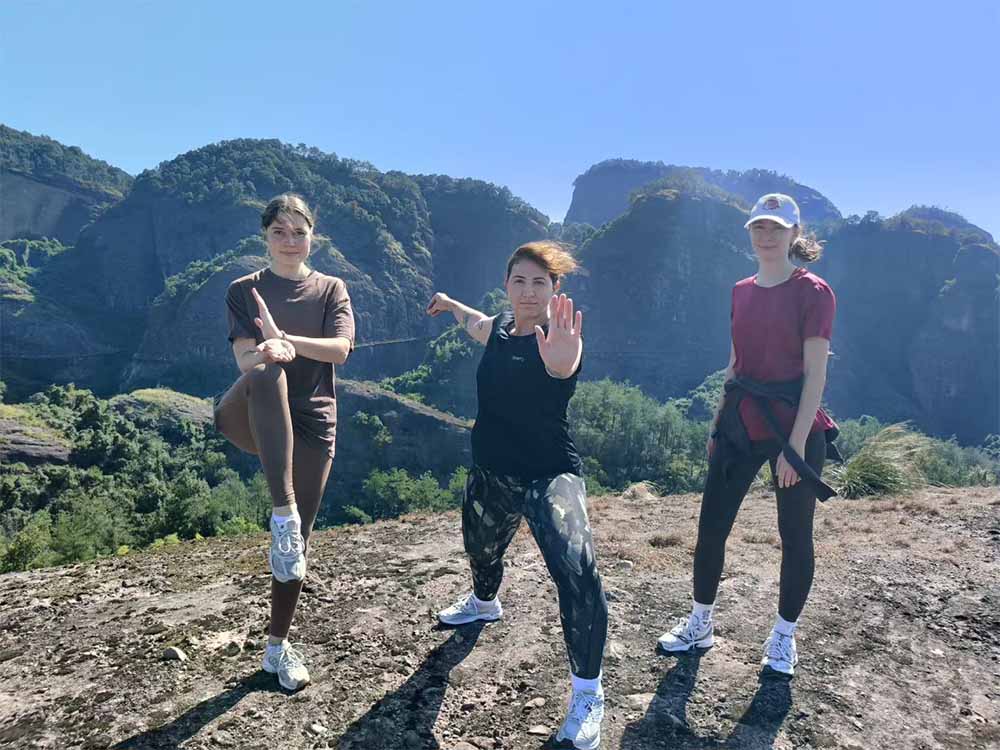
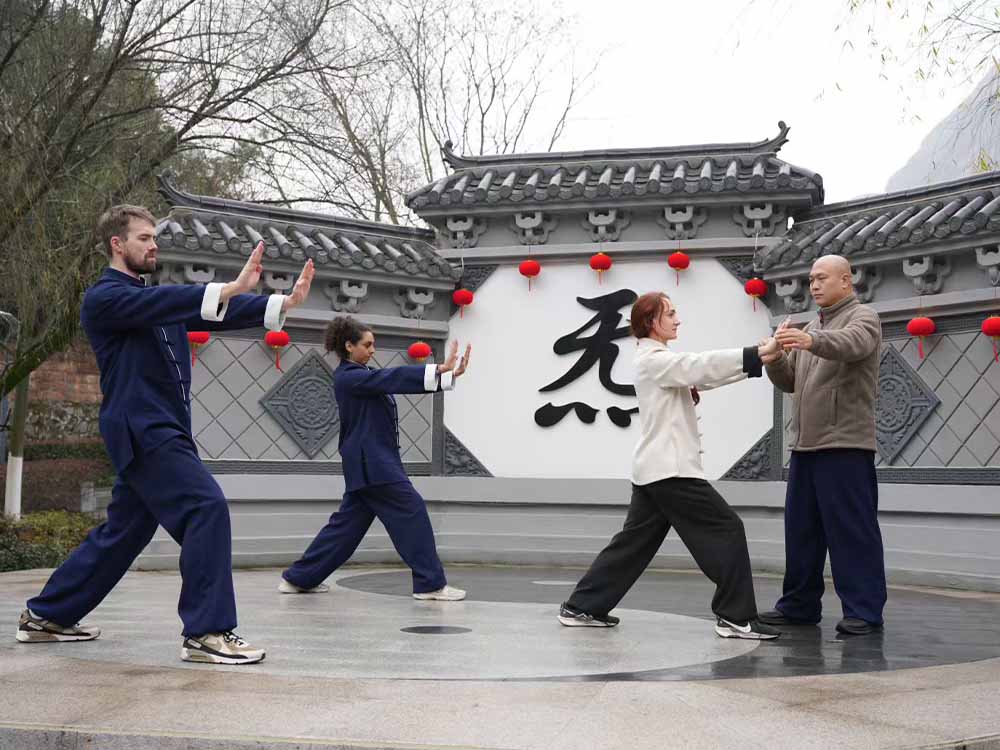
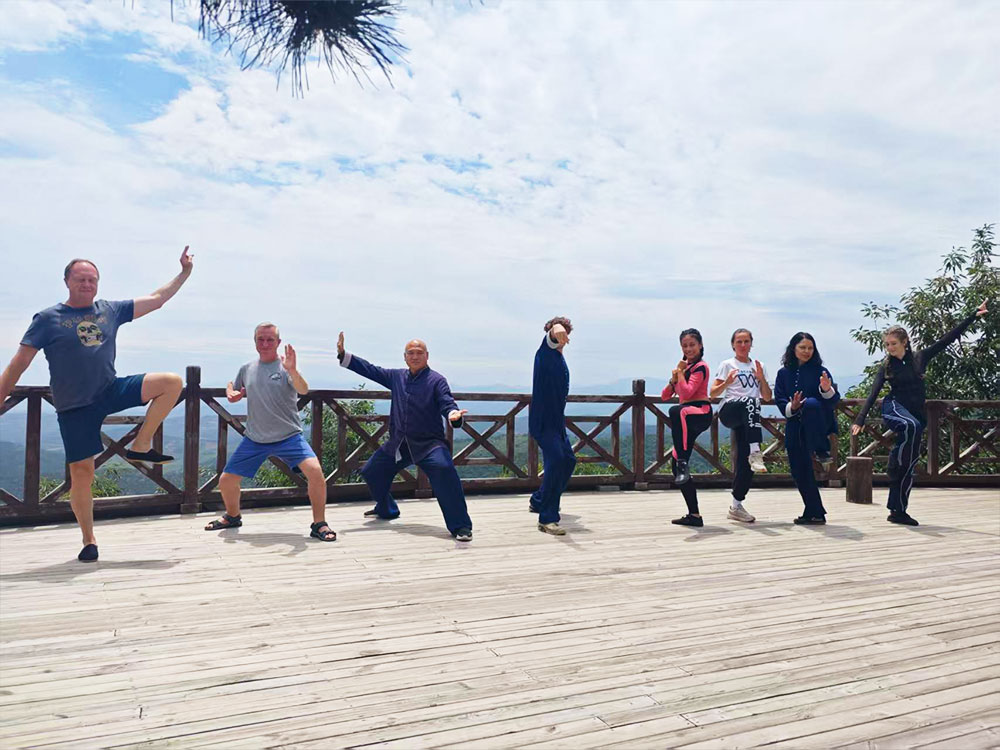
A visit to the Hanging Temple is a spectacular excursion that can be thoughtfully integrated into your Kung Fu training camp or cultural tour in Shanxi Province. The temple is located near Datong, a major city with convenient transportation links, making it a perfect day trip. Prepare for a physical experience, as exploring the temple involves navigating steep, narrow staircases and suspended walkways. Sturdy, non-slip walking shoes are absolutely essential. The best time to visit is during the spring or autumn months when the weather is mild and the mountain scenery is at its most beautiful. Hiring a local guide is highly recommended to fully understand the site's complex history, unique engineering, and the stories behind its many statues. As a sacred and historic site, visitors are asked to be respectful, particularly within the prayer halls, and to adhere to all safety instructions regarding capacity and movement on the cliff-edge pathways. The sheer awe of this place is a perfect complement to the physical and spiritual discipline of martial arts training.
Fast Facts For Travelers
Location: Hanging Temple, Hengshan Mountain, Hunyuan County, Datong City, Shanxi Province, China.
Site Classification: UNESCO World Heritage Site, National AAAA Level Tourist Attraction.
Best For: History enthusiasts, architecture and engineering buffs, photographers, and spiritual seekers.
Signature Experience: Walking the cliff-side plank paths and witnessing the unparalleled fusion of Buddhist, Taoist, and Confucian iconography.





 WhatsApp