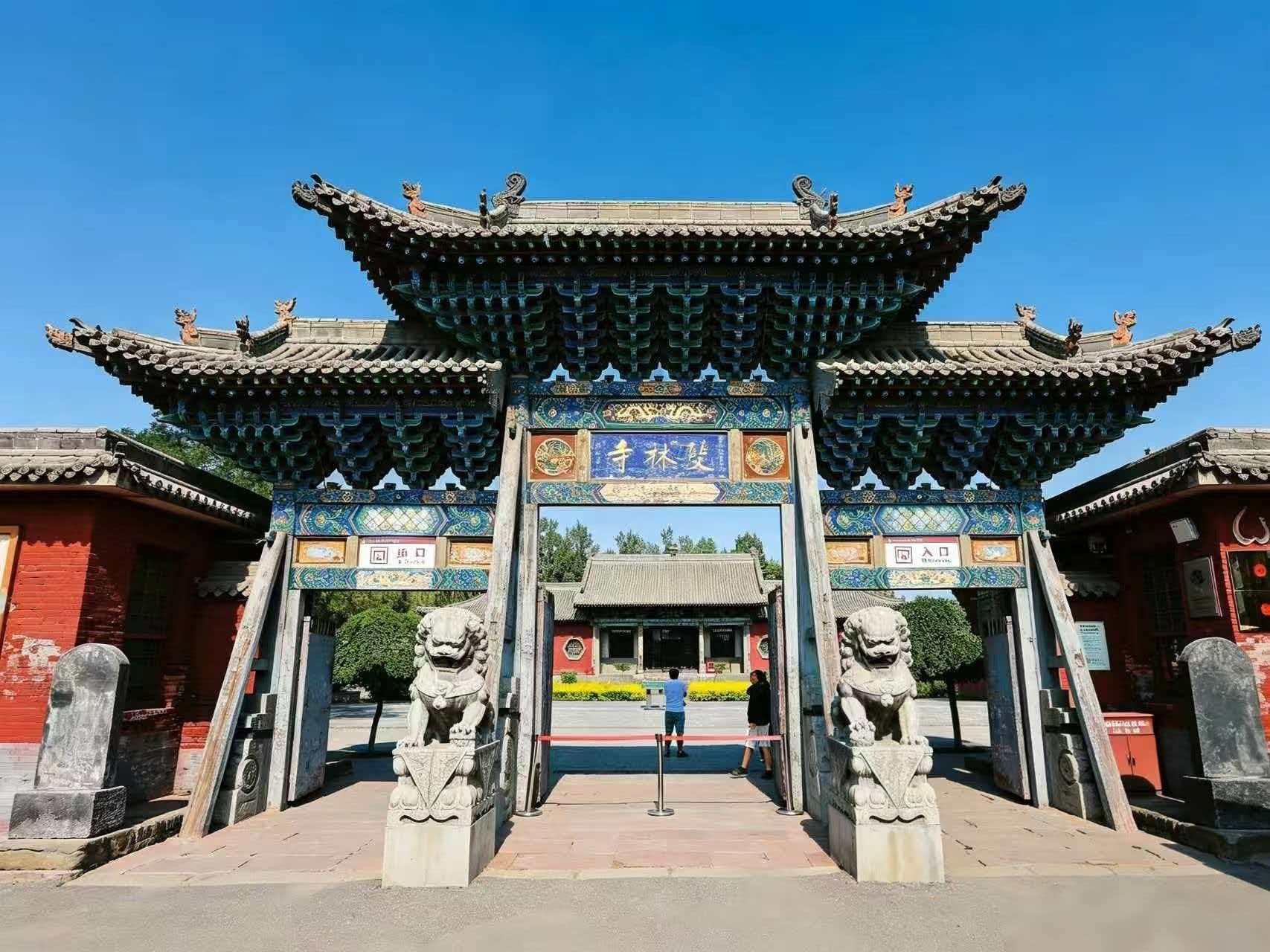
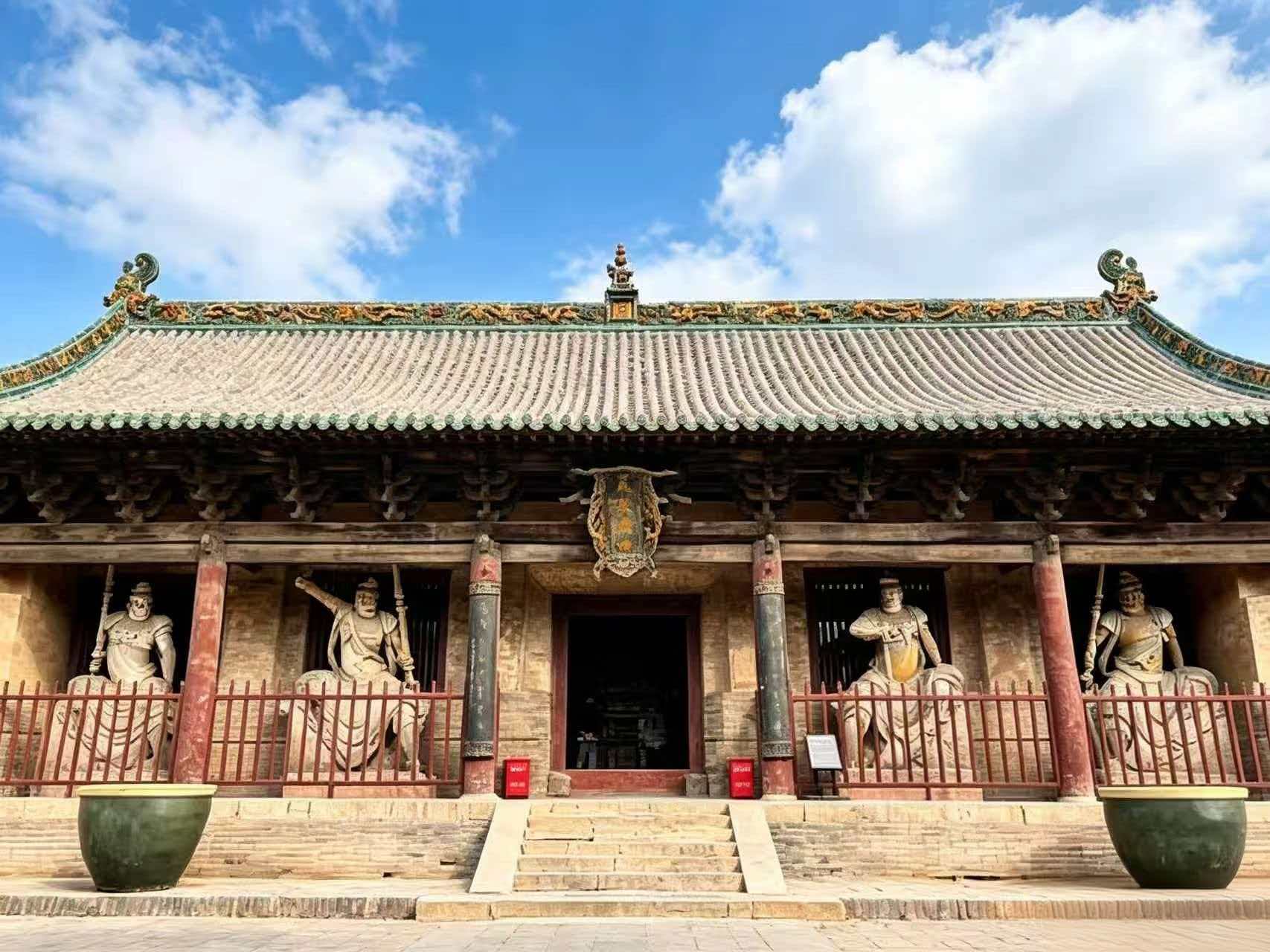
Nestled in the quiet countryside just outside the ancient city of Pingyao, Shuanglin Temple (Shuanglin Si) is not merely a place of worship—it is a breathtaking treasure house of ancient art, home to one of the world's most extraordinary collections of painted sculptures. This serene temple complex, a UNESCO World Heritage Site, has preserved over 2,000 exquisite clay figures for more than a millennium. Walking through its halls is an immersive journey into the heart of Chinese Buddhist artistry, where each vividly painted statue, frozen in time, tells a story of profound faith and exceptional craftsmanship.
The Sculptural Masterpieces
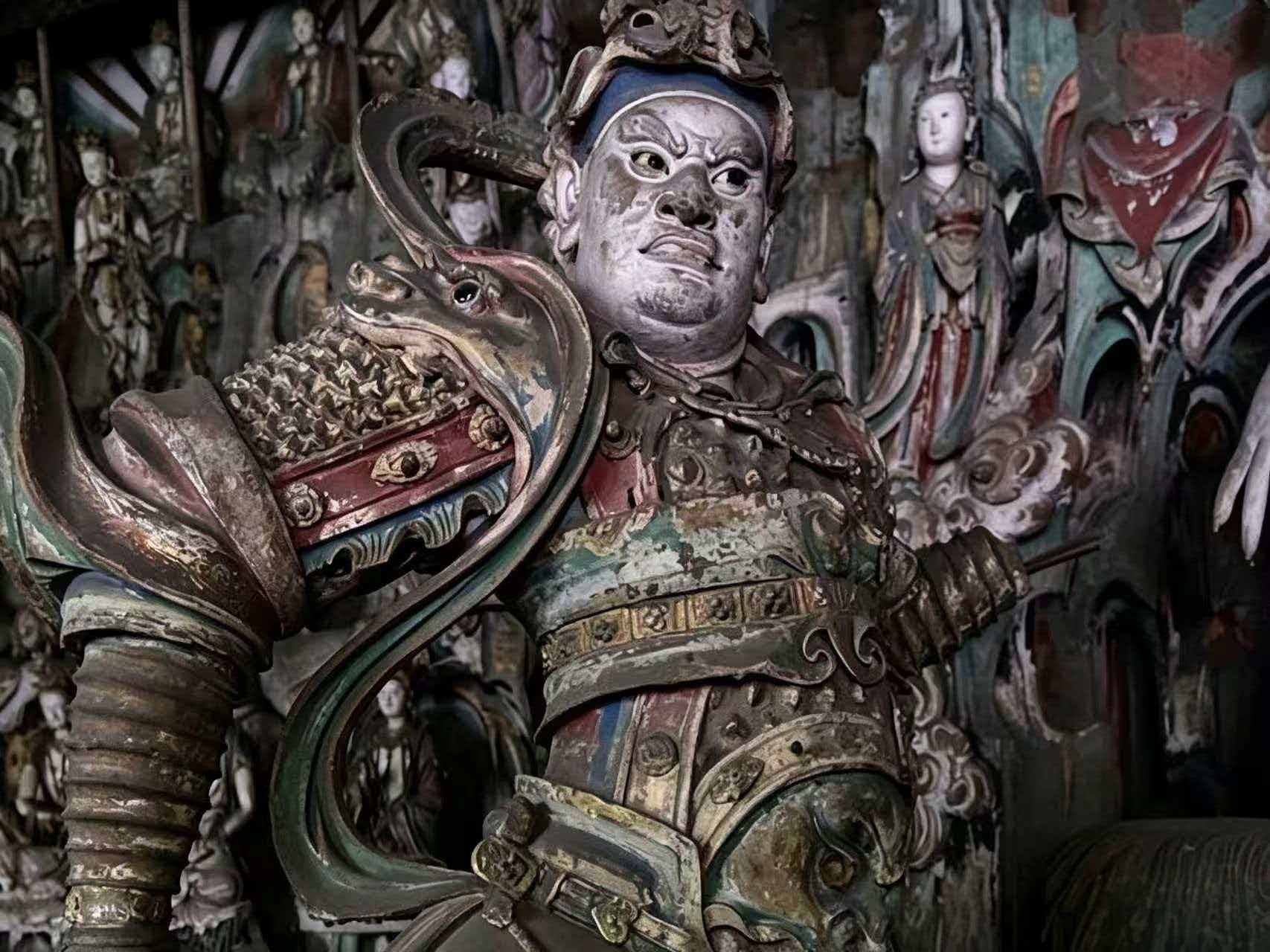
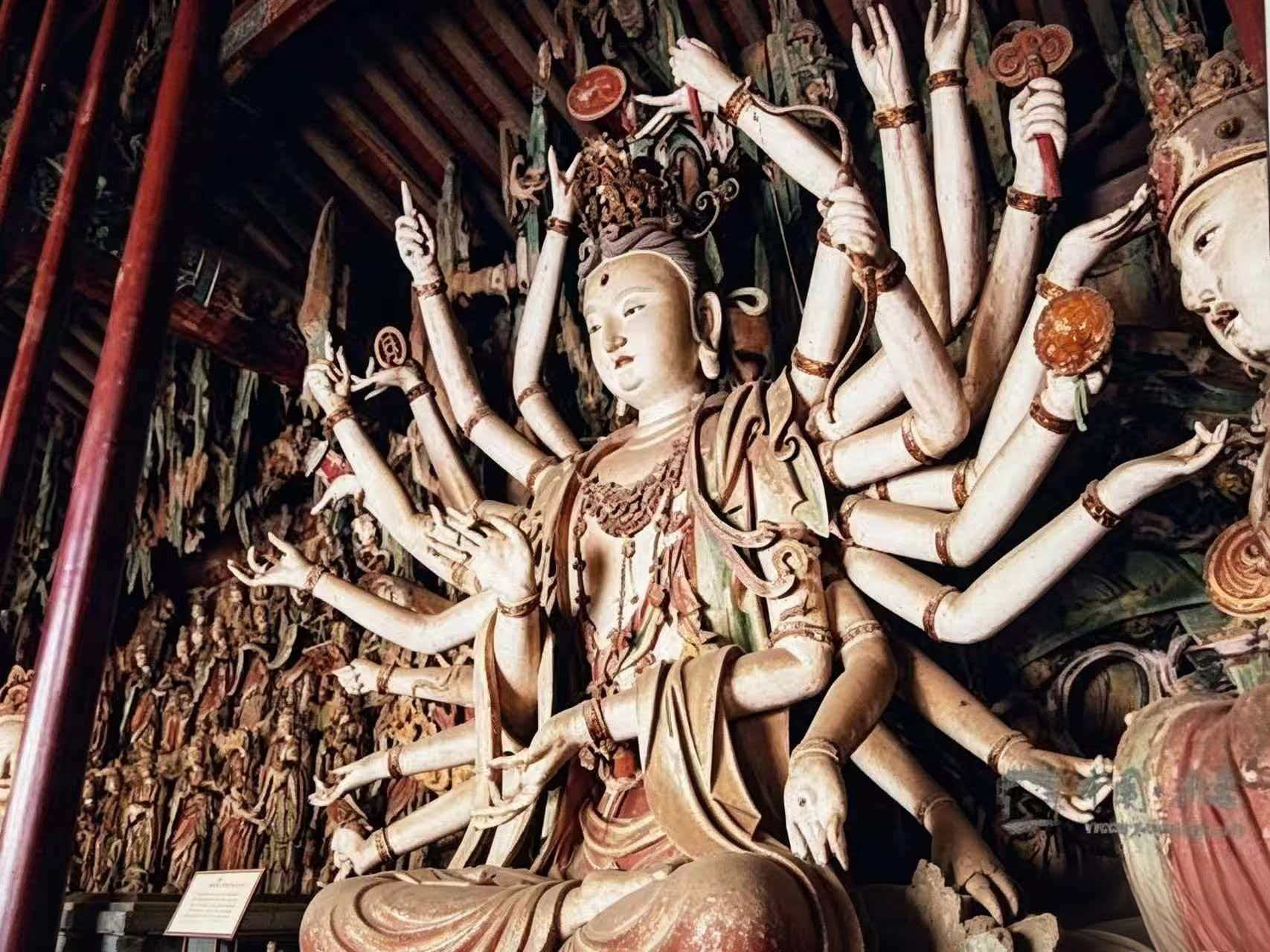
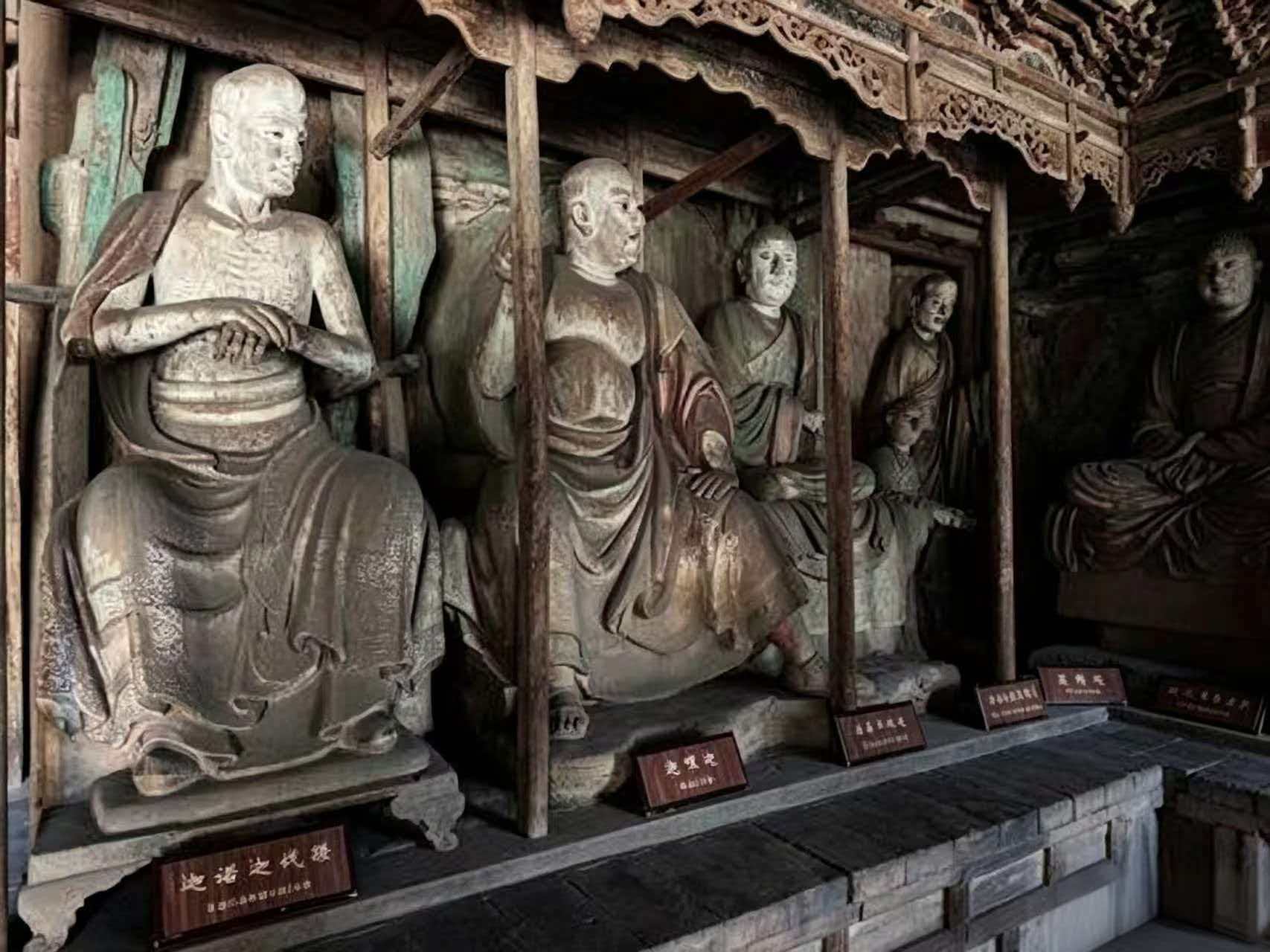
The undisputed highlight of Shuanglin Temple is its vast and remarkable collection of painted clay sculptures. Housed within the temple's ten halls, these figures span over 1,000 years of artistic history, with the finest examples dating from the Song (960-1279) and Yuan (1271-1368) dynasties. The sculptures range in size from tiny figures to monumental guardians, and depict a variety of subjects including Buddhas, Bodhisattvas, heavenly kings, and arhats. Each statue is a masterpiece of realism and expressiveness, with vivid pigments, intricate details, and lifelike, dynamic poses that seem ready to spring to life. One of the most celebrated is the "Weeping Bodhisattva," a figure whose serene yet sorrowful expression has captivated viewers for centuries, exemplifying the pinnacle of Chinese sculptural art.
Architectural and Spiritual Significance
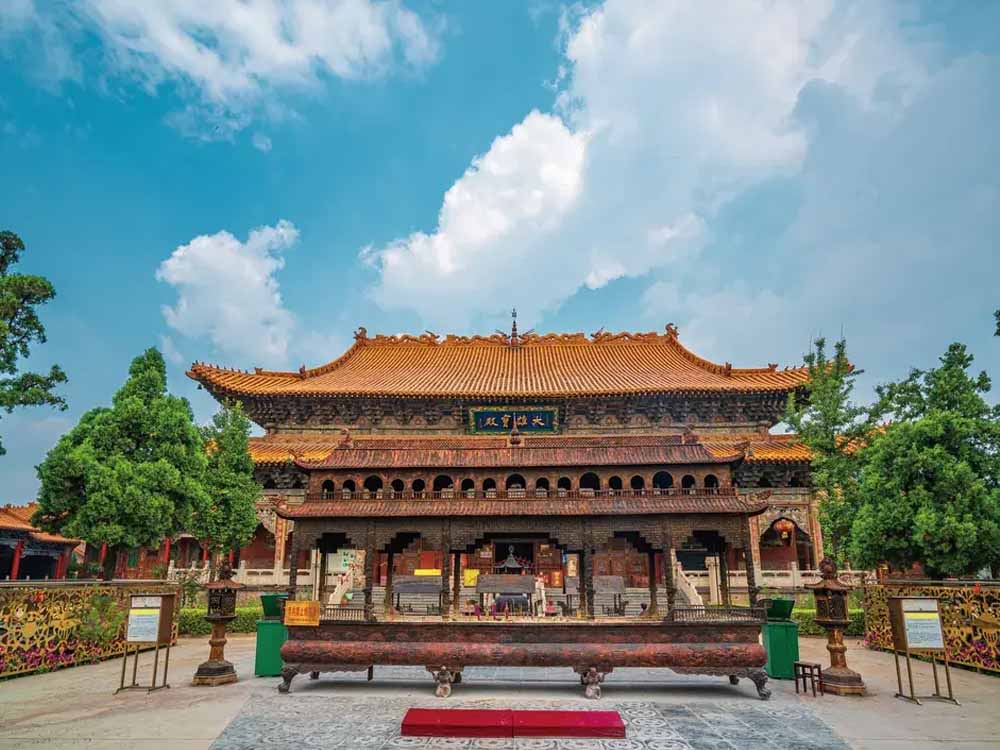
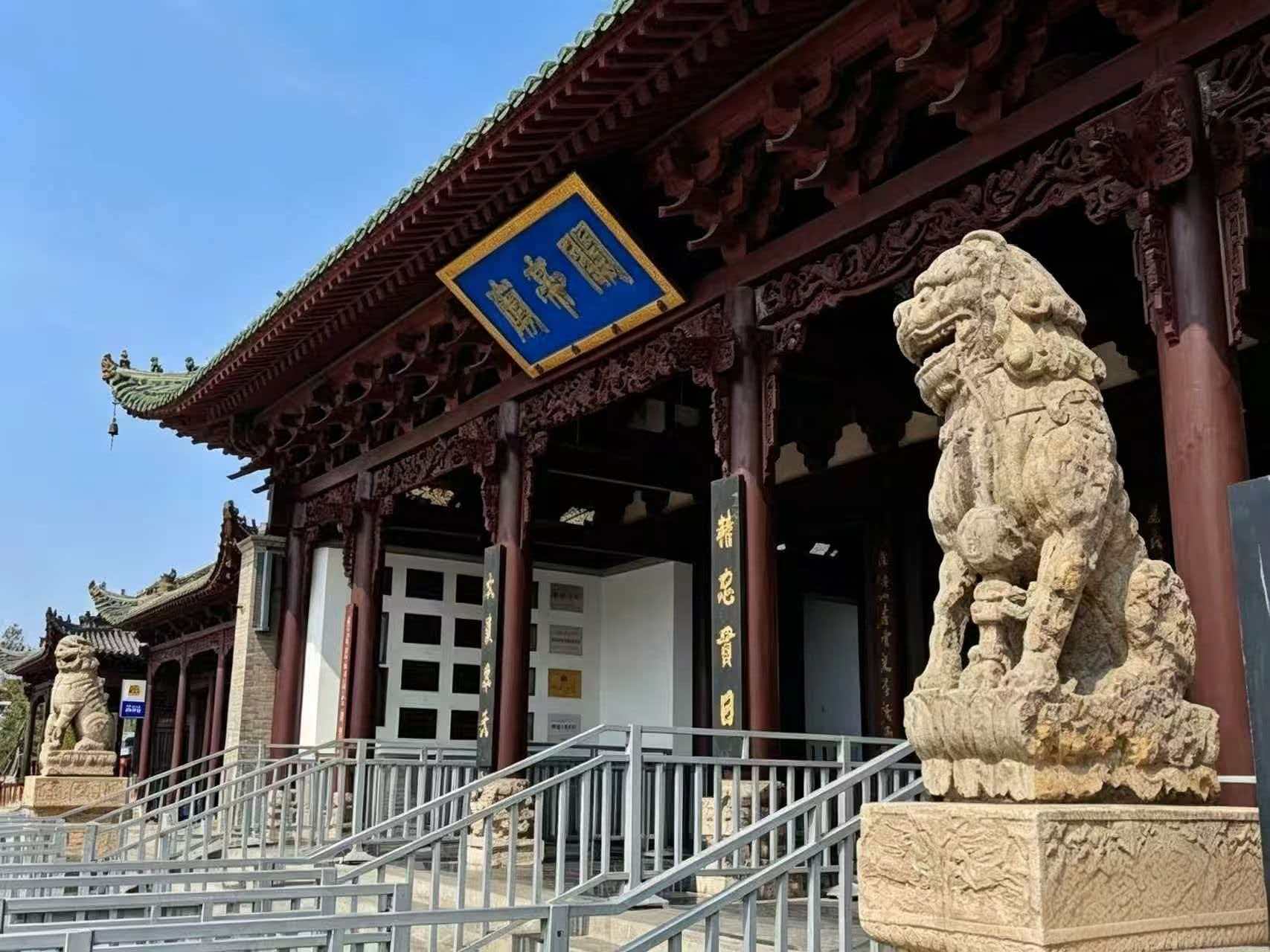
Beyond its sculptures, the temple itself is a significant example of traditional Chinese Buddhist architecture, with its layout following strict geomantic and religious principles. The main halls, including the Sakyamuni Hall and the Guanyin Hall, are architectural treasures in their own right, featuring intricate wooden bracketing, ancient murals, and a palpable sense of history. As a site of active worship for over 1,500 years, the temple has been a vital center for Buddhist practice and community life. Its peaceful, secluded location adds to its spiritual atmosphere, making it a place of quiet contemplation. The temple's name, "Twin Forests," is said to honor a legendary story of two brothers who became monks, adding a layer of local legend to its profound religious significance.
Guide For Travelers
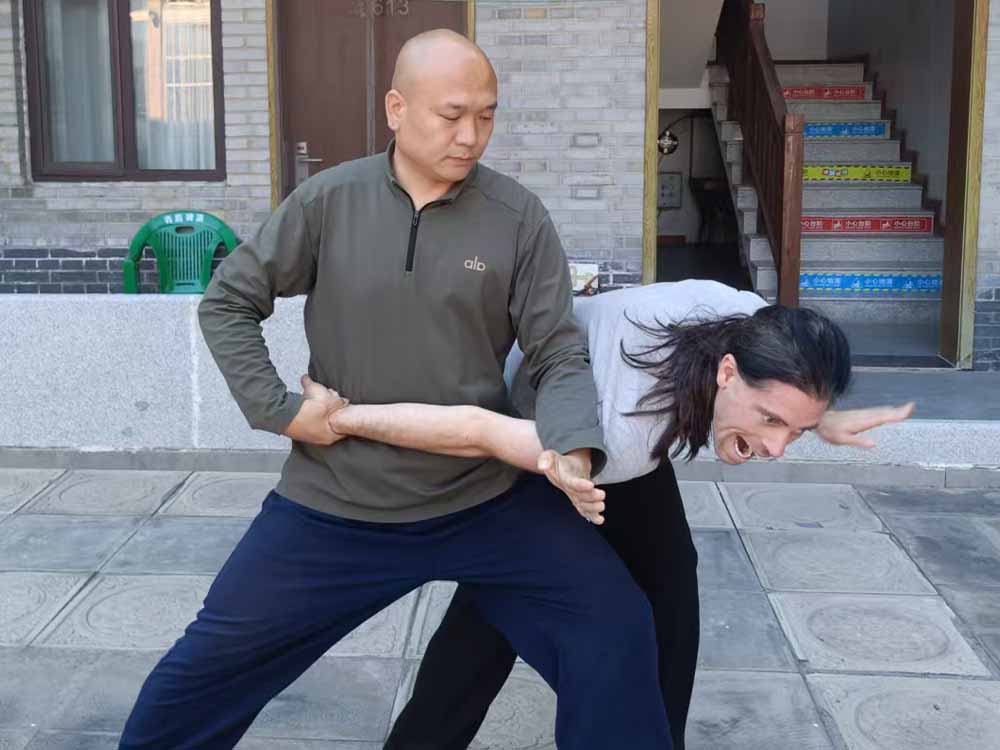
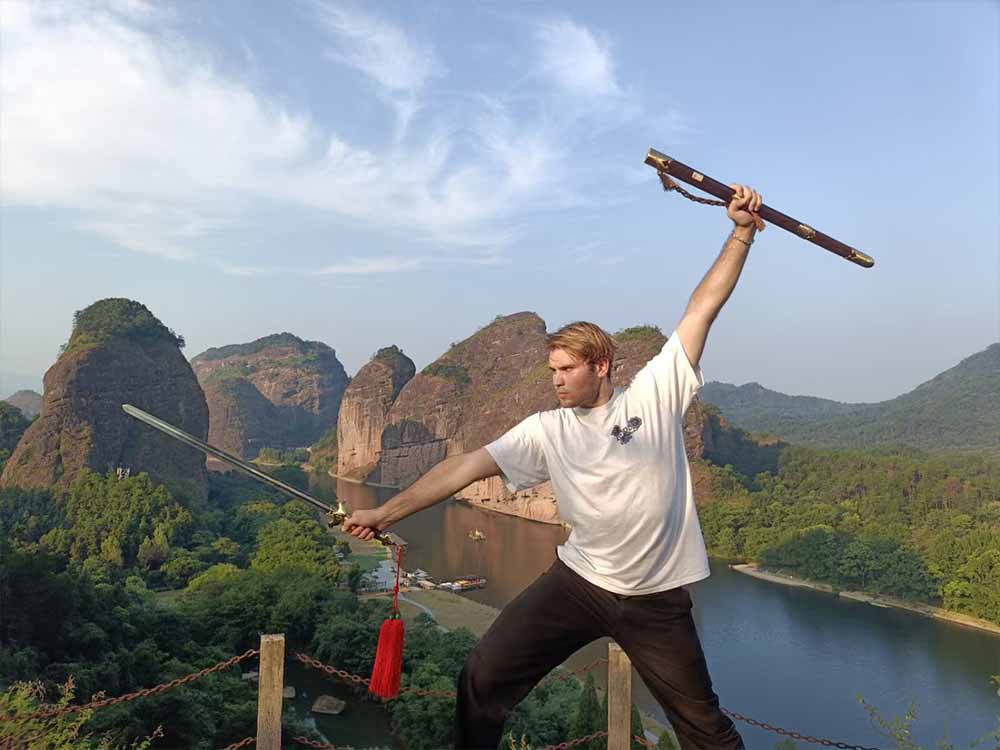
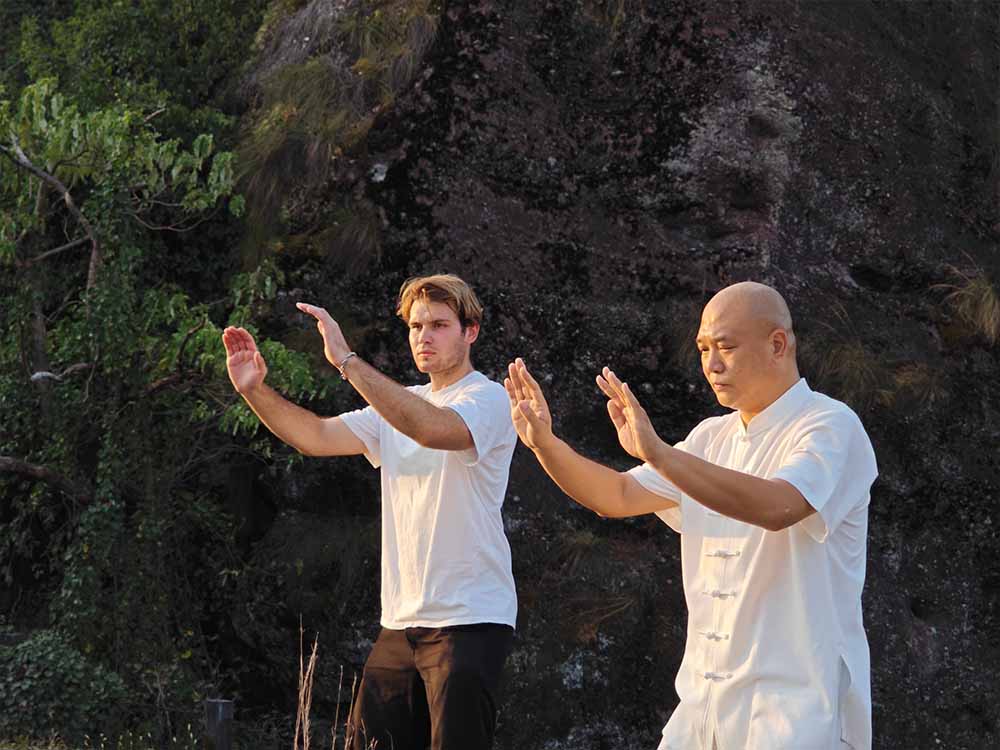
A visit to Shuanglin Temple is an essential and deeply rewarding cultural excursion that can be seamlessly integrated into your Kung Fu training camp or cultural tour in Shanxi Province. The temple is located just 6 kilometers southwest of Pingyao Ancient City, making it easily accessible by a short taxi, bicycle, or bus ride. The temple grounds are manageable to explore in about two hours, but the sheer density of art requires a slow, appreciative pace. It is highly recommended to hire a knowledgeable local guide or use a detailed audio guide to fully understand the iconography and history of the figures in each hall. The lighting inside the halls can be dim to protect the ancient pigments, allowing your eyes to adjust and appreciate the subtle details of the sculptures. This serene and artistic experience offers a profound cultural contrast to the physical intensity of martial arts training, connecting you to the spiritual and creative heart of ancient China.
Fast Facts For Travelers
Location: Shuanglin Temple, Pingyao County, Jinzhong City, Shanxi Province, China.
Site Classification: UNESCO World Heritage Site, National Key Cultural Relic Protection Unit.
Best For: Art lovers, history and religion enthusiasts, photographers, and those seeking a quiet, authentic experience.
Signature Experience: Viewing the famous "Weeping Bodhisattva" and the vast collection of painted sculptures in the temple's halls.





 WhatsApp