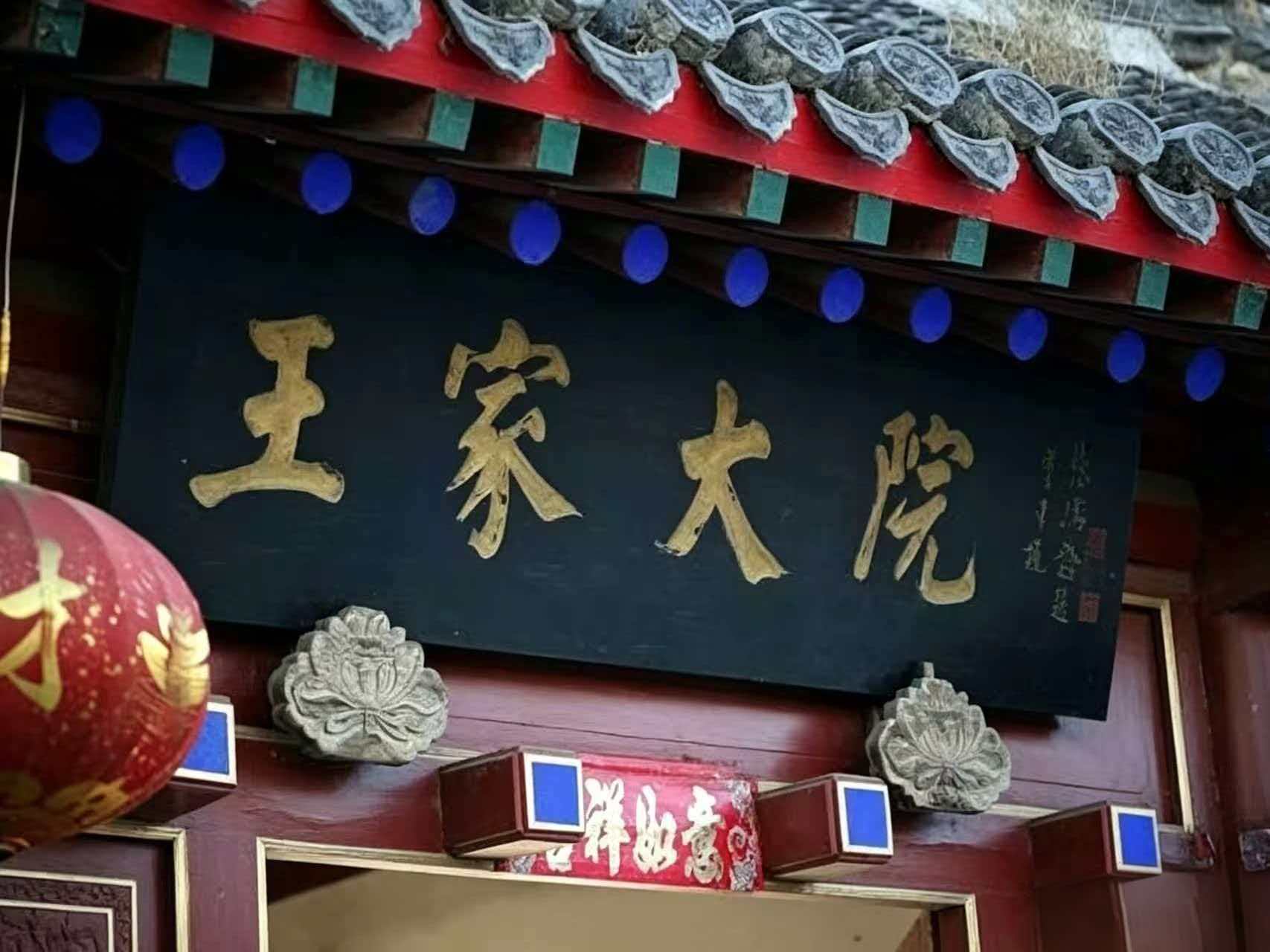
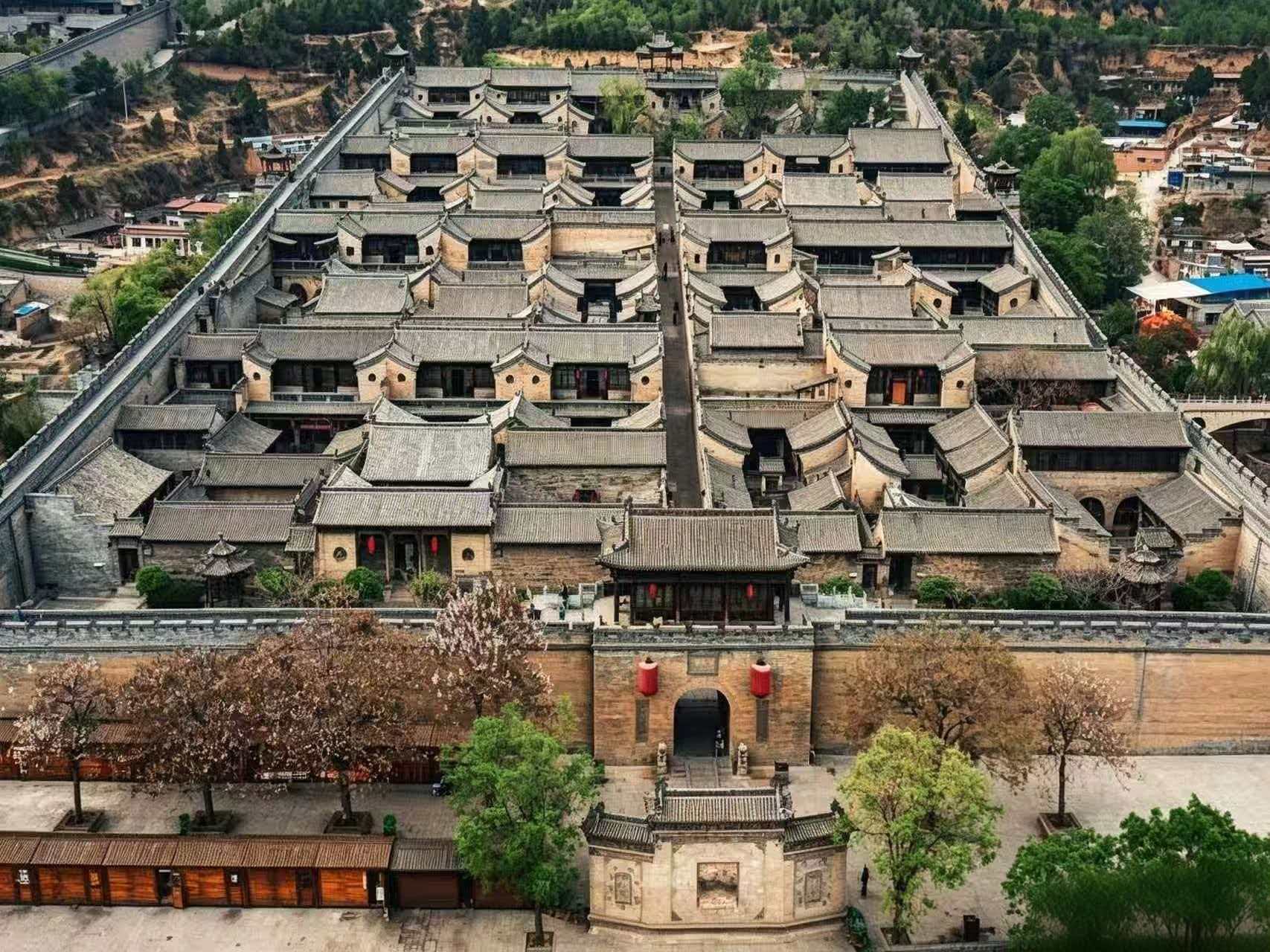
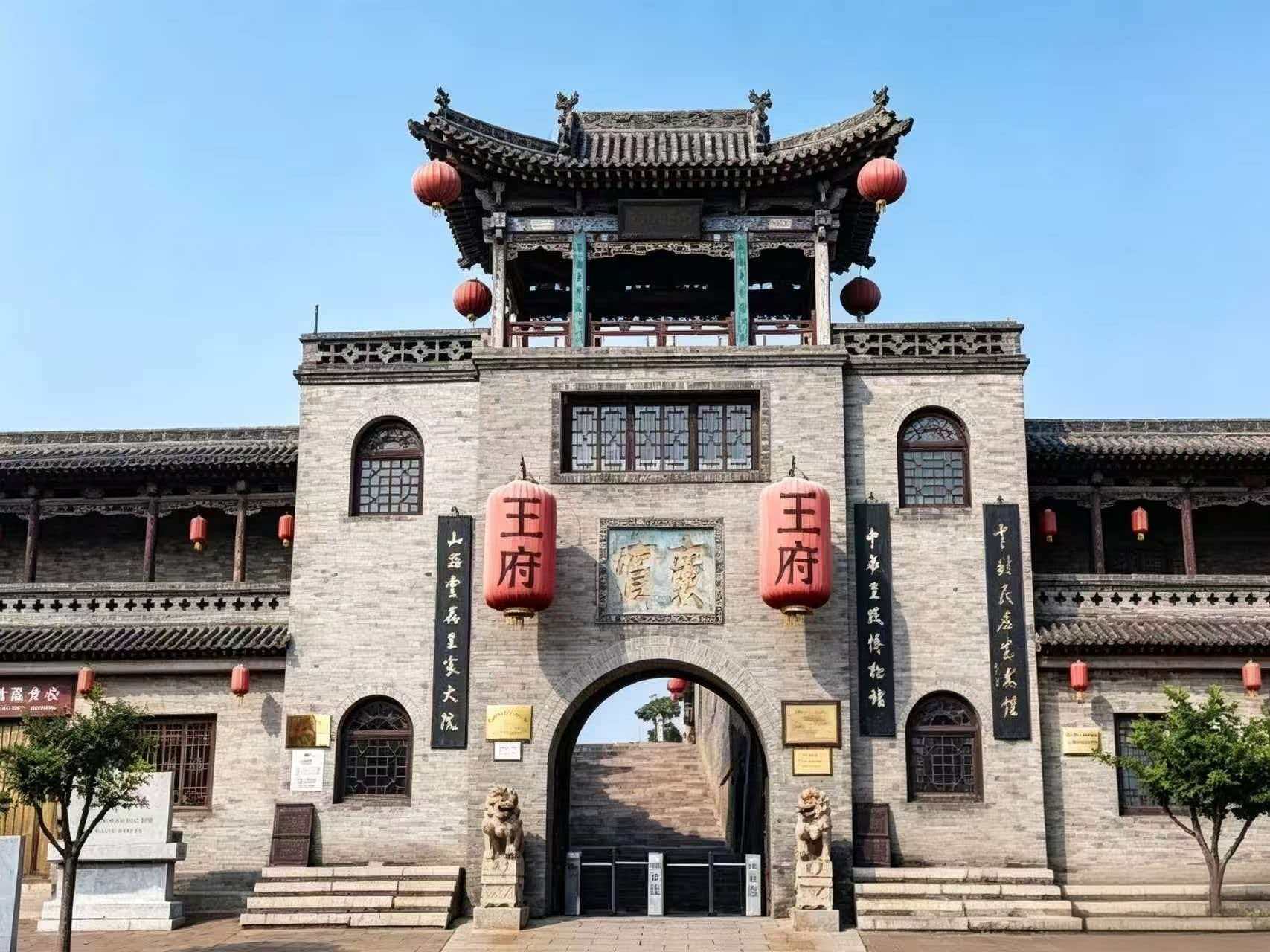
Nestled in the fertile plains of central Shanxi Province, the Wang Family Grand Courtyard (Wangjia Dayuan) is not merely a residence—it is a magnificent, walled city that stands as a monumental testament to the wealth, power, and cultural sophistication of China's merchant elite. Spanning over 250,000 square meters, this spectacular complex was the ancestral home of the Wang clan, whose extraordinary success spanned over six centuries. Often compared to a "folk art museum," the estate offers an immersive journey through a labyrinth of exquisite courtyards, ornately decorated halls, and intricate gardens, frozen in time and echoing with the stories of generations.
A City Within Walls: The Architectural Layout
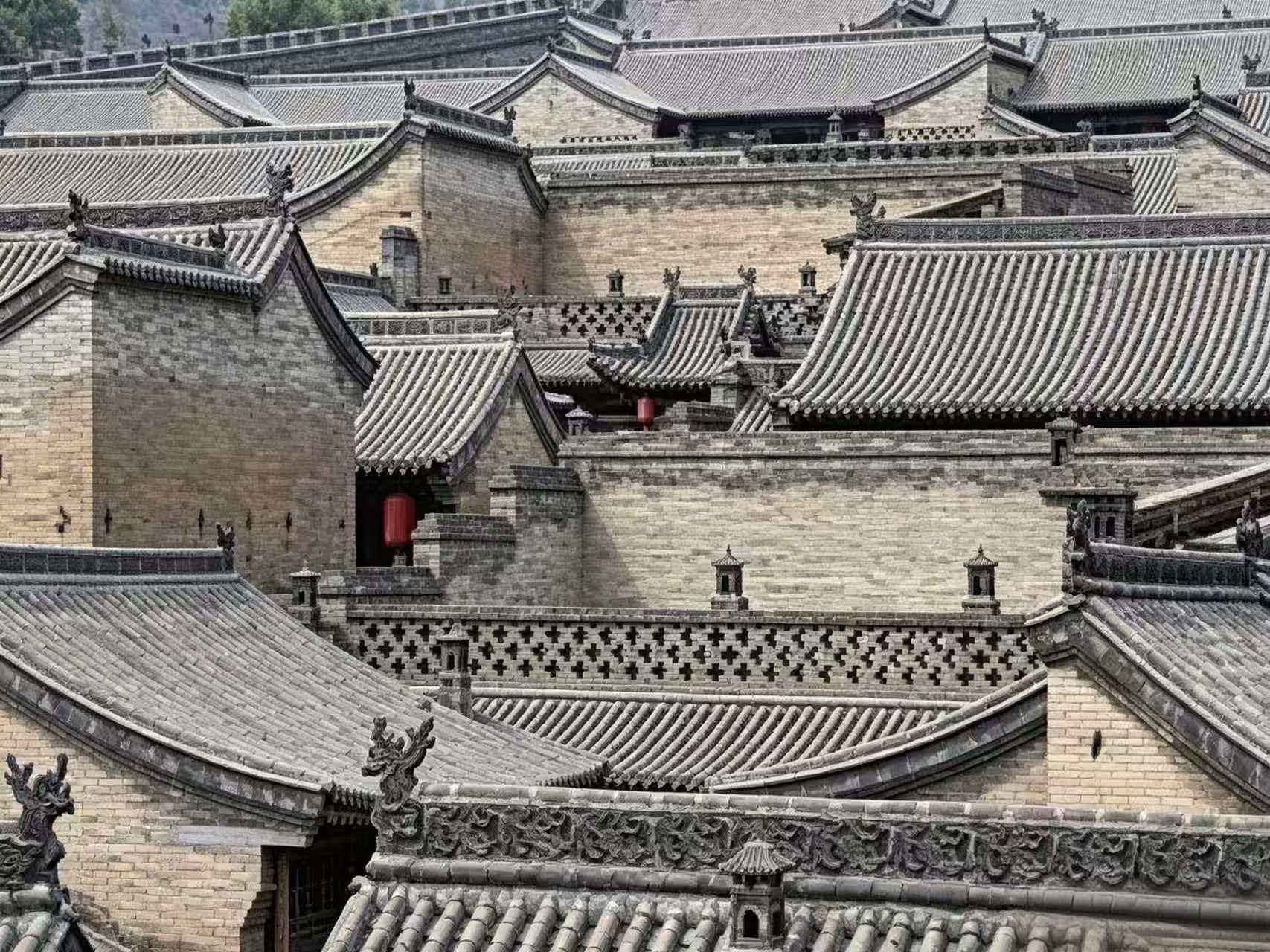
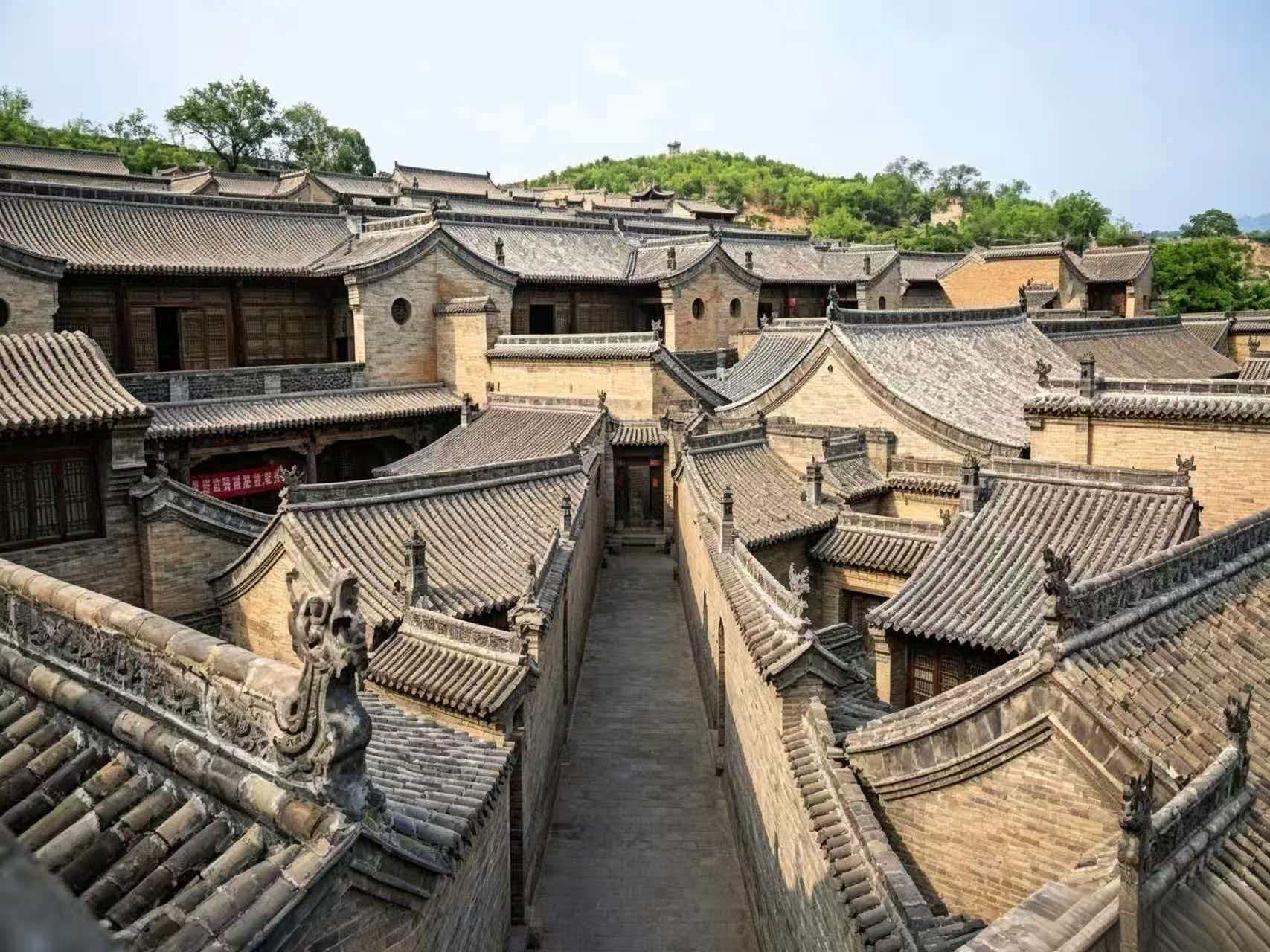
The sheer scale and meticulous planning of the complex are its defining features. The main compound is divided into several distinct sections, including the Hongmen Fort, Gaoyuan Hall, and the Eastern and Western Courtyards, all interconnected by a network of alleys, gateways, and covered walkways. The architecture follows strict traditional Chinese principles, with buildings arranged symmetrically around a central axis. The estate features over 1,000 rooms and a maze of over 50 courtyards, reflecting the complex hierarchy of the extended family. The walls themselves are a fortress, towering and thick, with defensive towers at the corners, highlighting the era's blend of residential comfort and constant preparedness against banditry and social unrest.
A Gallery of Exquisite Carvings and Art
The Wang Family Grand Courtyard is often hailed as a living gallery of ancient Chinese craftsmanship, particularly renowned for its extraordinary collection of "Three Carvings" (sankei). The estate is a masterpiece of traditional Chinese folk art, with almost every surface—from doorframes and window screens to pillars and roof beams—adorned with intricate carvings and sculptures. These carvings are not merely decorative but are rich in symbolism, featuring motifs like dragons, phoenixes, and various plants, each with their own meaning related to prosperity, longevity, or good fortune. Walking through the courtyards, you are surrounded by these silent, stone, wood, and brick narratives that vividly illustrate the values, aspirations, and aesthetic tastes of the family that lived here for centuries.
Guide For Travelers
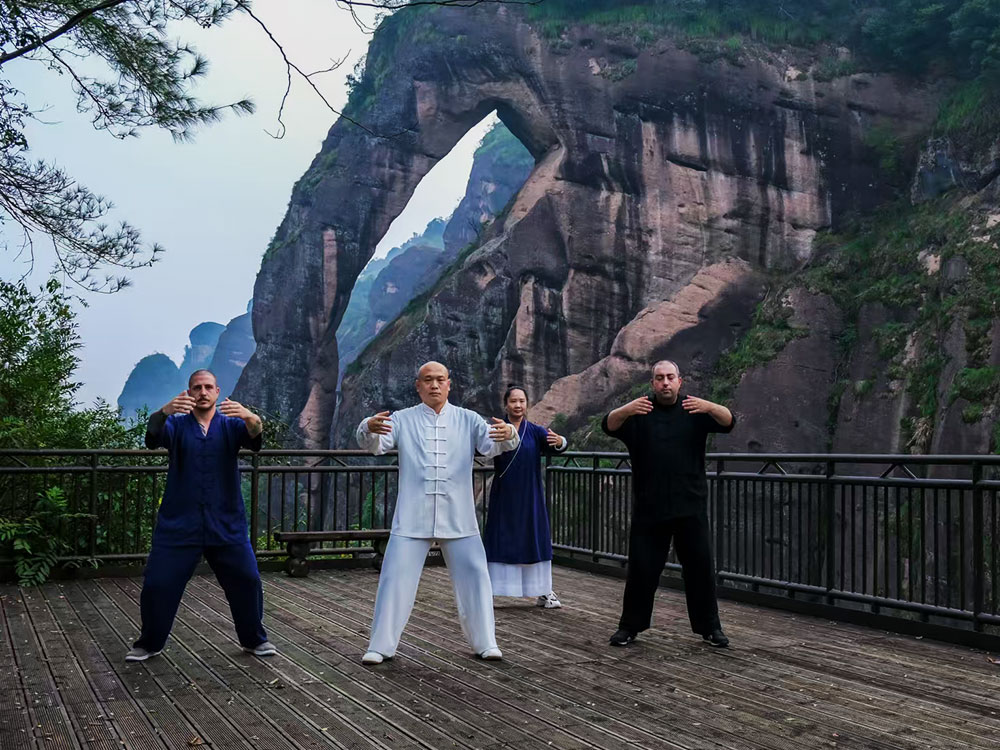
A visit to the Wang Family Grand Courtyard can be an inspiring and educational excursion, seamlessly integrated into your Kung Fu training camp or cultural tour in Shanxi Province. The site is located in Lingshi County, approximately 140 kilometers from the provincial capital, Taiyuan, making it a manageable day trip. The site is extensive, and exploring it thoroughly requires considerable walking. Comfortable footwear is essential. It is highly recommended to hire a guide or use a detailed audio guide to unravel the stories, family history, and hidden symbolism embedded in the architecture and carvings. The best times to visit are in the spring and autumn when the weather is pleasant and the complex is not overcrowded. The profound sense of history, wealth, and traditional family structure offers a deep cultural experience, providing an interesting contrast to the physical disciplines of martial arts training.
Fast Facts For Travelers
Location: Wang Family Grand Courtyard, Jingsheng Town, Lingshi County, Jinzhong City, Shanxi Province, China.
Site Classification: National Key Cultural Relic Protection Unit, National AAAA Level Tourist Attraction.
Best For: History buffs, architecture and art enthusiasts, photographers, and those interested in traditional Chinese family culture.
Signature Experience: Wandering through the maze-like courtyards and admiring the exquisite "Three Carvings" on the estate's architecture.





 WhatsApp