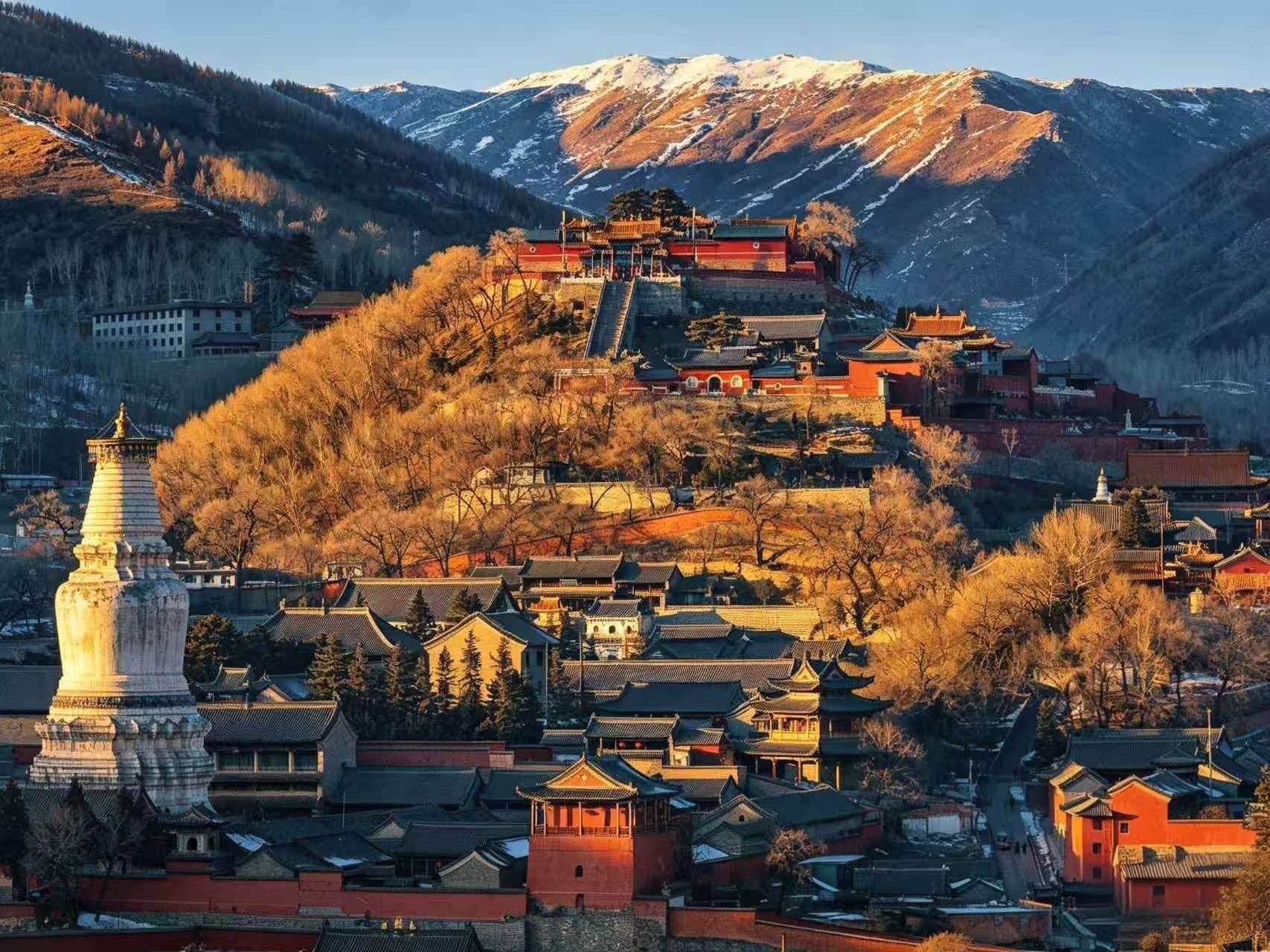
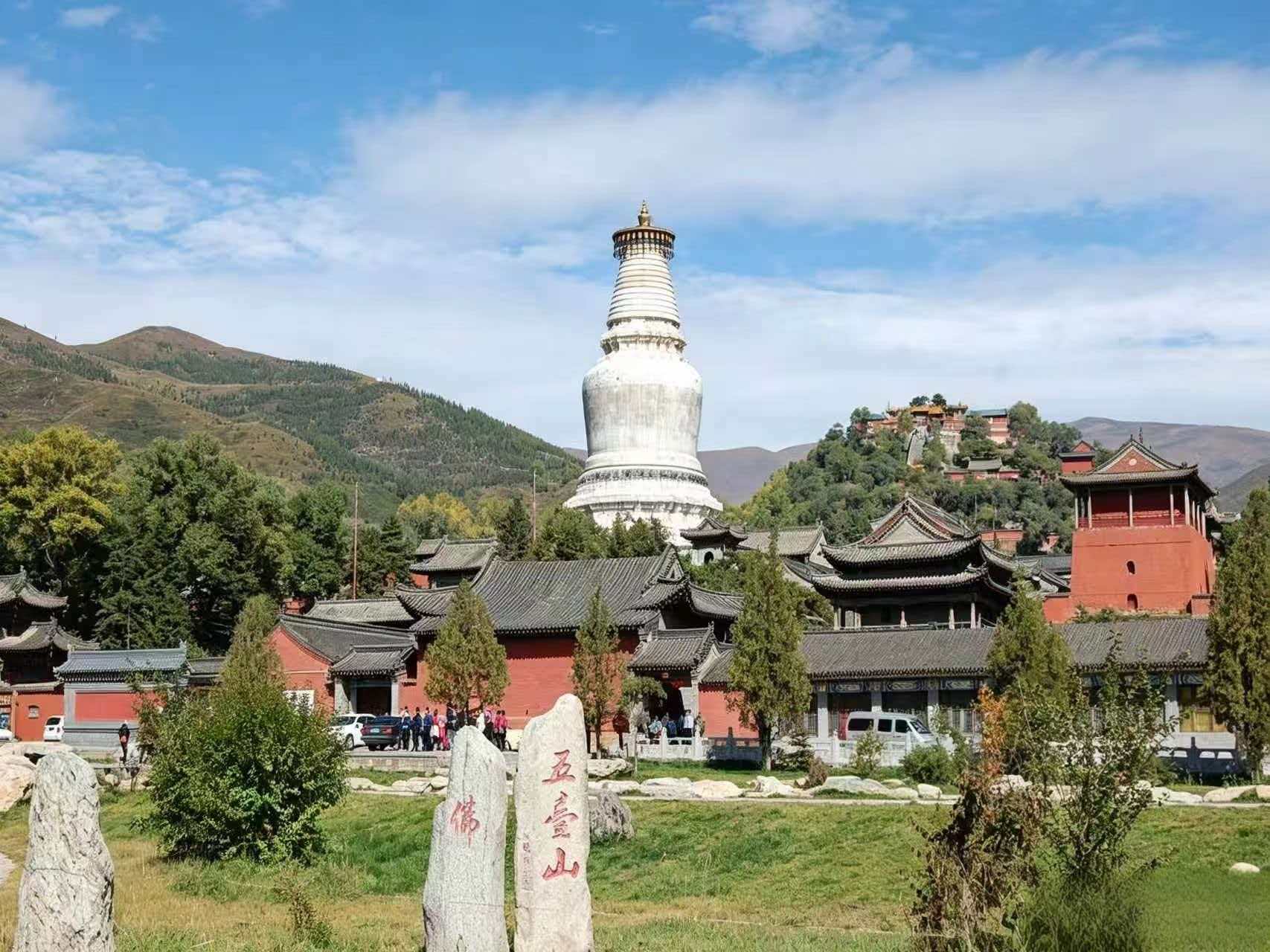
Nestled in the highlands of Xinzhou, Shanxi Province, Mount Wutai (Wutaishan) is not merely a mountain range—it is a living sacred landscape that has drawn pilgrims and seekers for over 2,000 years. As the revered earthly abode of Manjushri, the Bodhisattva of Wisdom, this UNESCO World Heritage site is a breathtaking tapestry of forested peaks, ancient temples, and profound spiritual energy. Its five flat, grassy plateaus give it its name, and its enduring significance as the premier Buddhist mountain in China offers visitors an unparalleled journey through faith, history, and natural beauty.
Spiritual and Cultural Heart
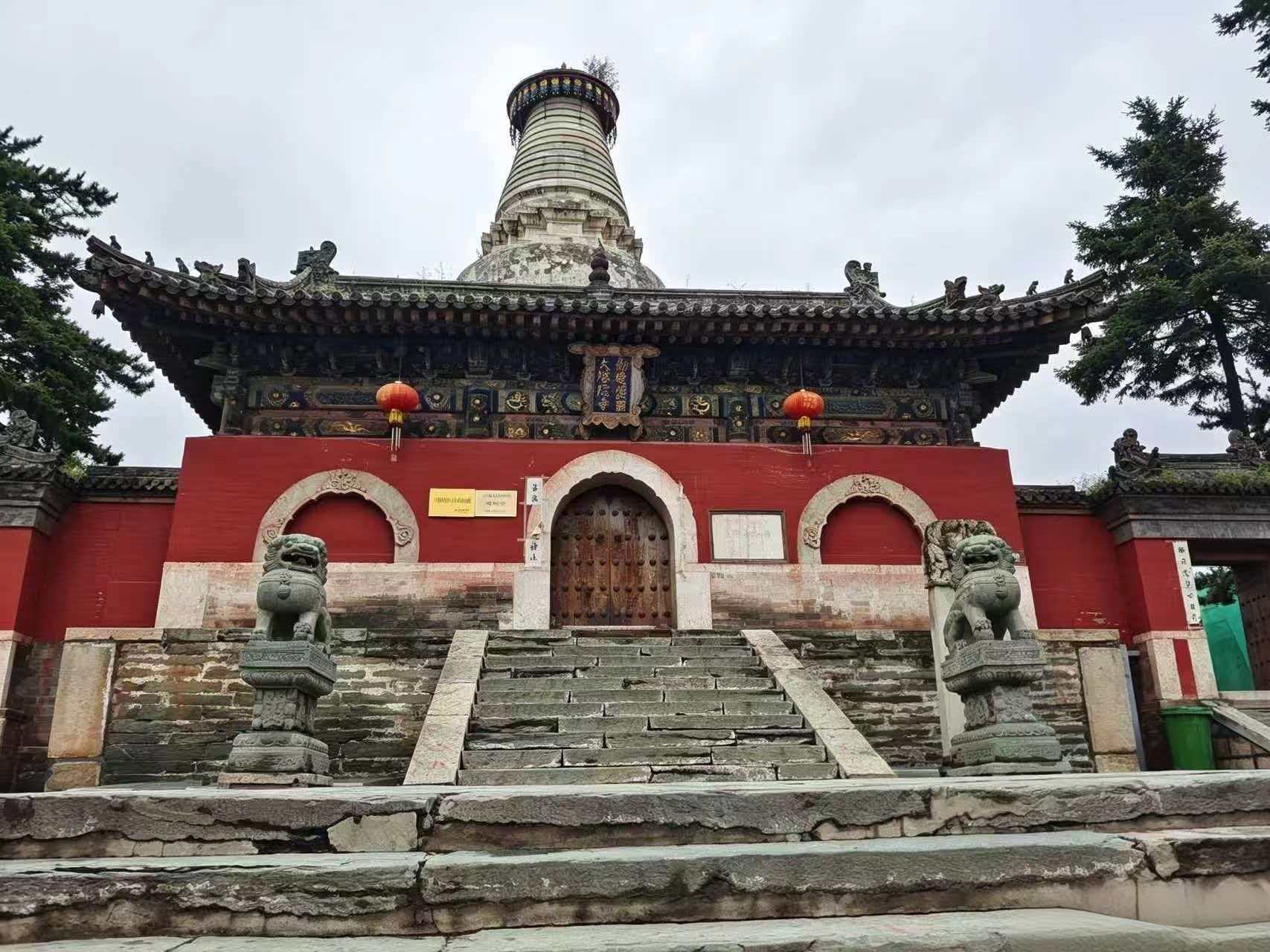
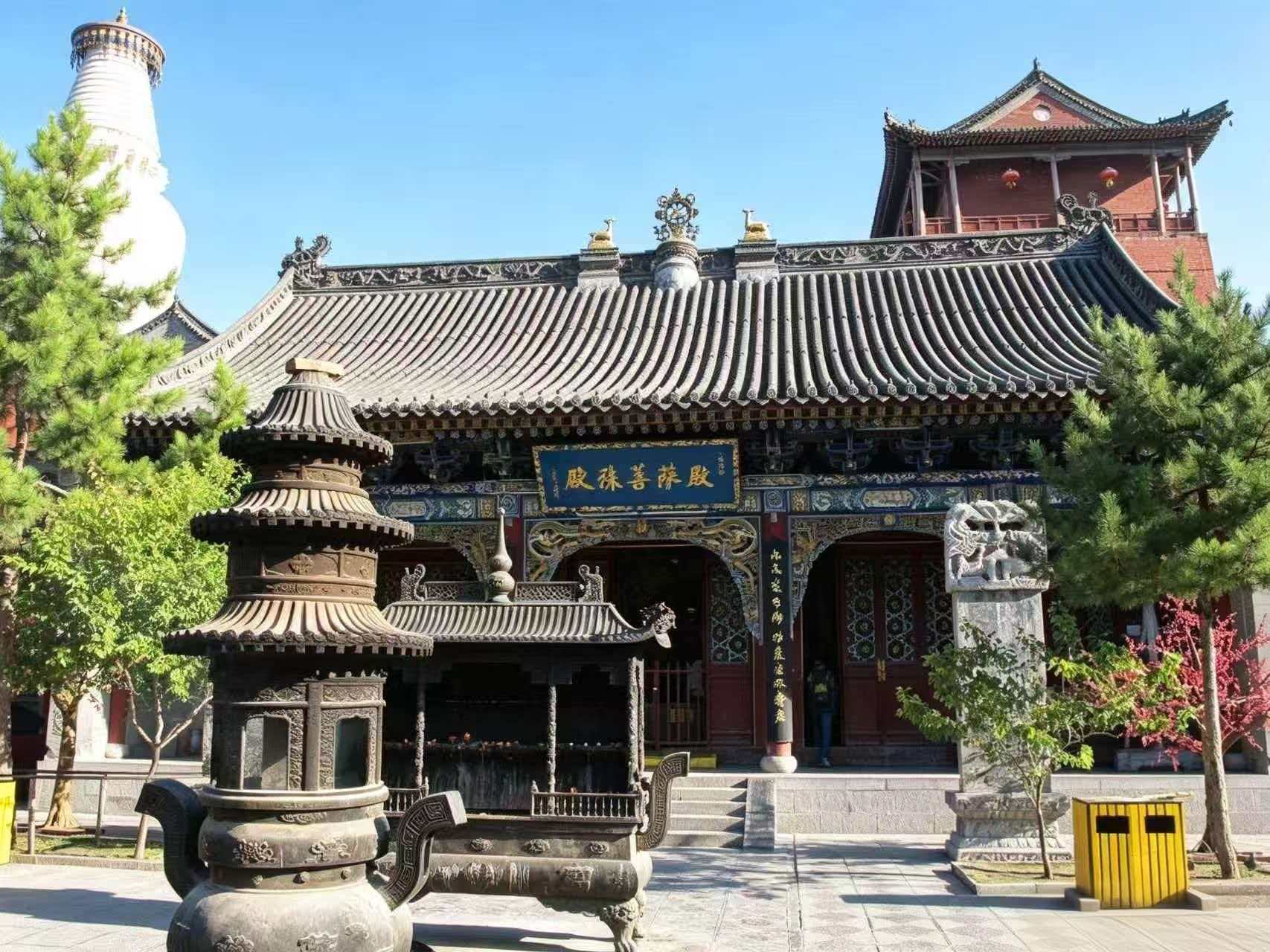
Mount Wutai’s significance as a center of Buddhist culture is unparalleled. For over twenty centuries, it has been a magnet for monks, scholars, and emperors from across Asia. The mountain is unique in China for its harmonious coexistence of Han Chinese and Tibetan Buddhist traditions, exemplified by temples like the renowned Tayuan Temple with its iconic white stupa, and the Pusa Ding Temple. This living pilgrimage site remains a vibrant center of religious practice, where the air is filled with the sound of chanting, ringing bells, and the scent of incense, offering a deeply immersive cultural experience.
Architectural and Natural Splendors
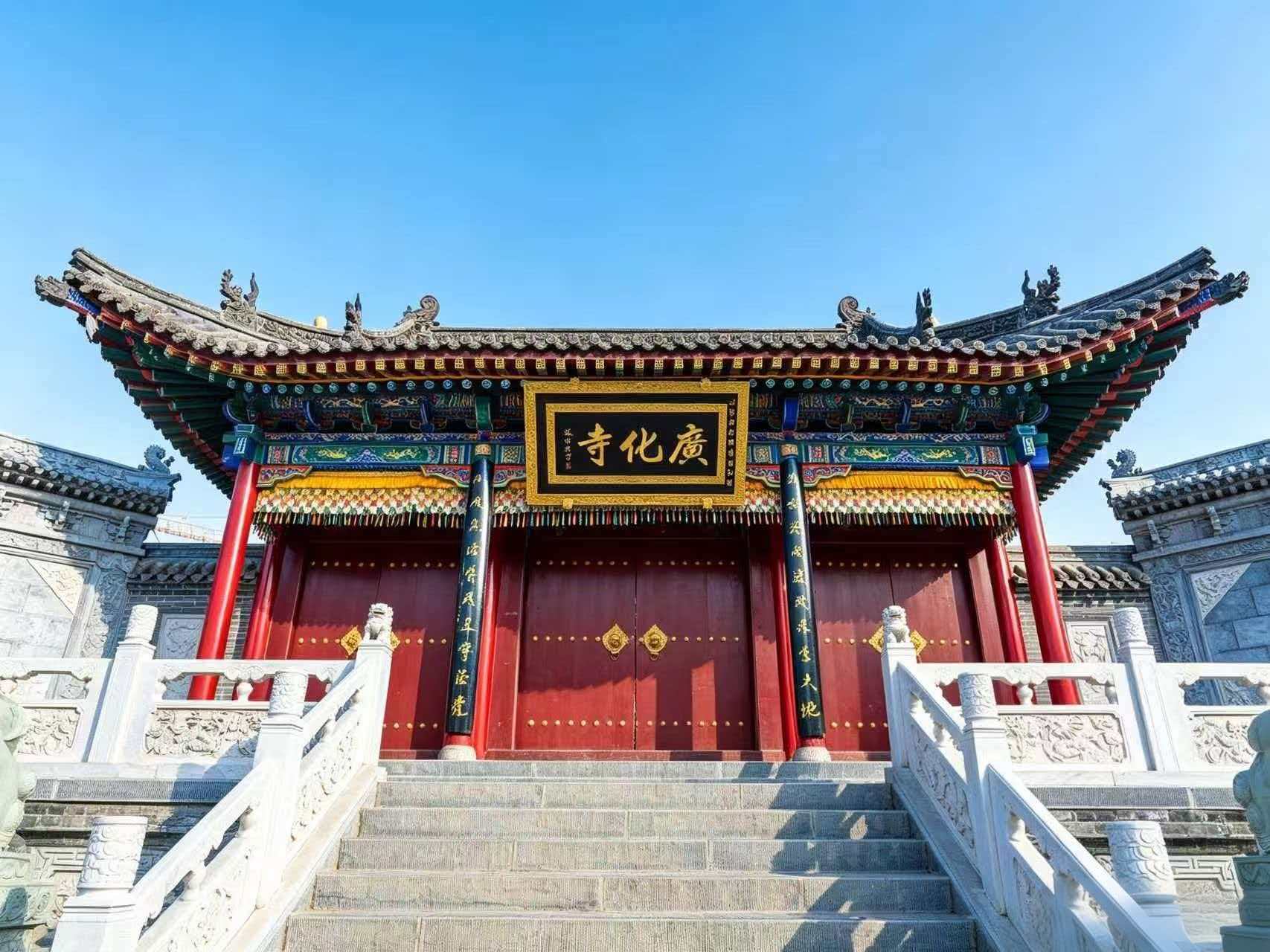
The mountain is a veritable museum of ancient Chinese architecture, home to over 50 well-preserved monasteries and temples from various dynasties. The Nanchan Temple and Foguang Temple are architectural treasures, featuring rare surviving wooden structures from the Tang Dynasty (618-907 AD). Beyond the man-made wonders, Mount Wutai's natural beauty is equally spectacular. The five flat peaks offer stunning panoramic views, with the East Terrace being the premier spot to witness a breathtaking sunrise over a sea of clouds, a sight that has inspired poets and artists for generations.
Guide For Travelers
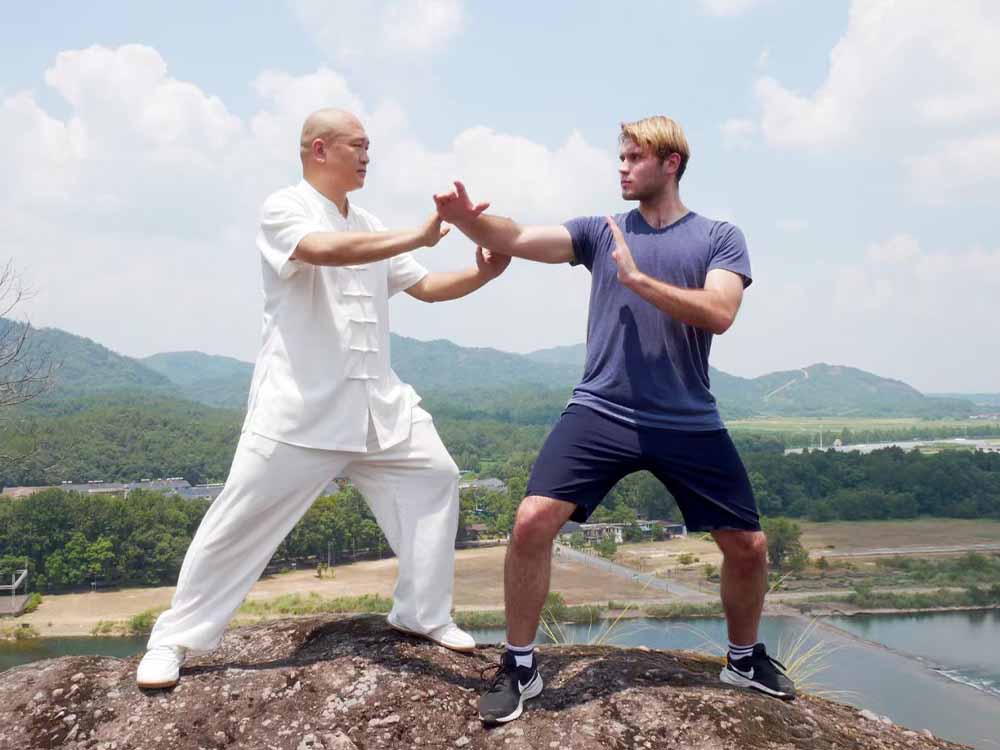
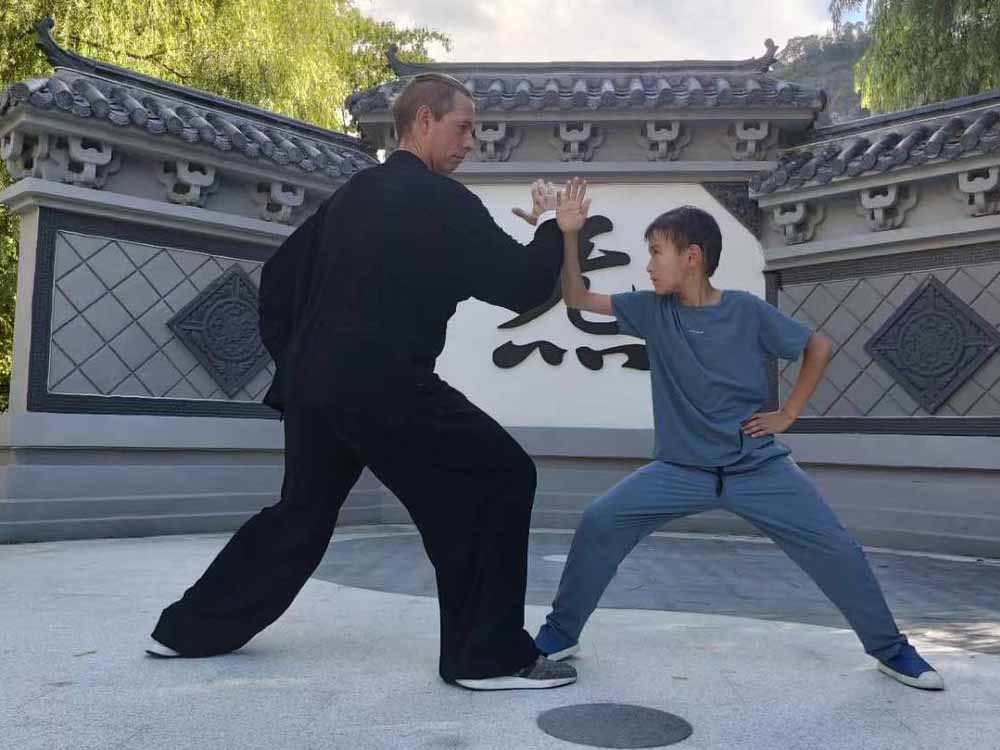
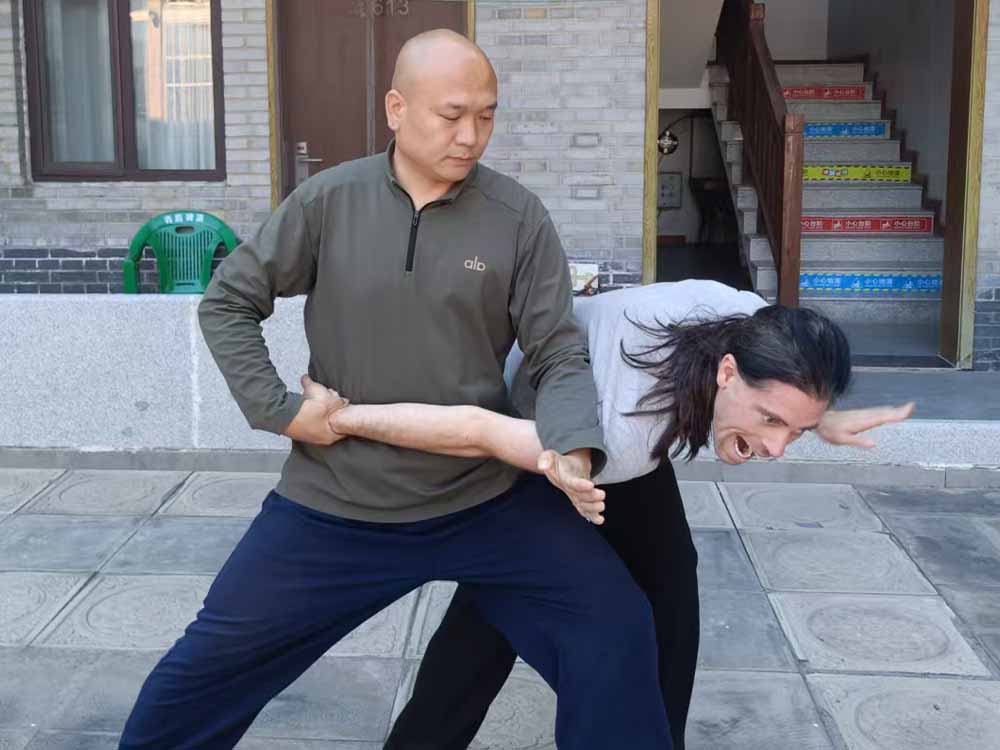
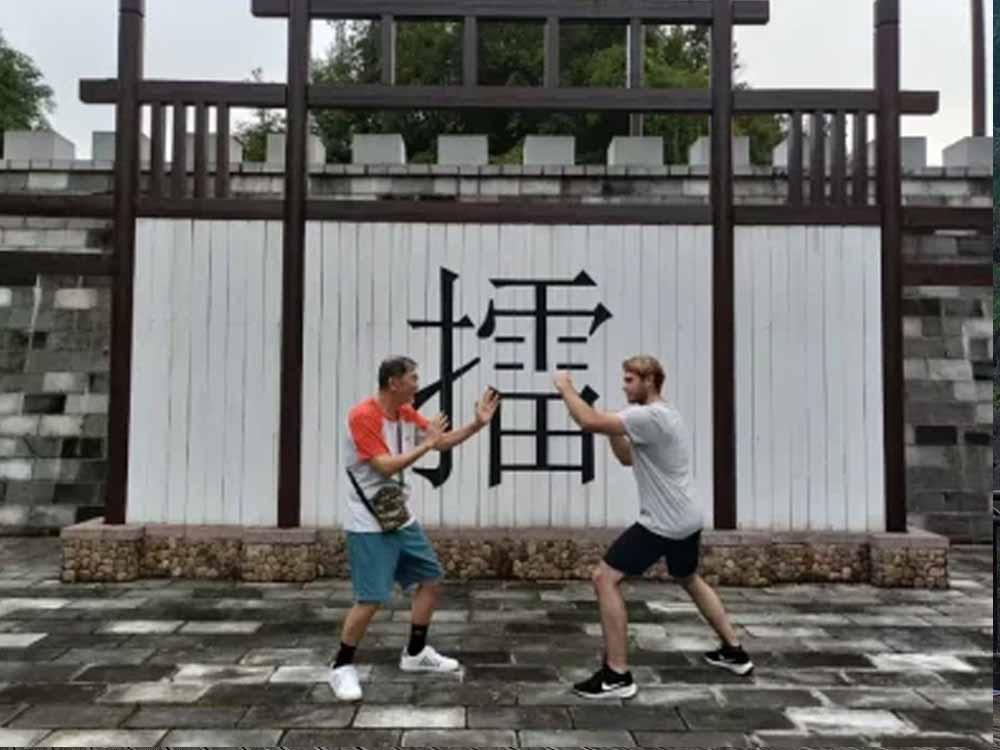
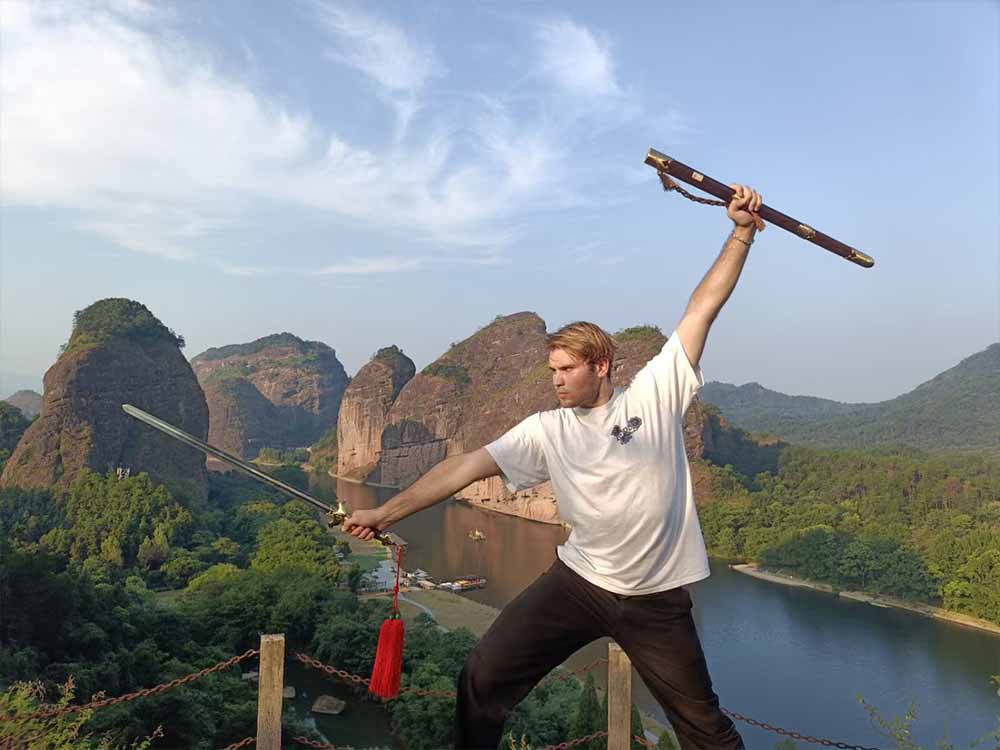
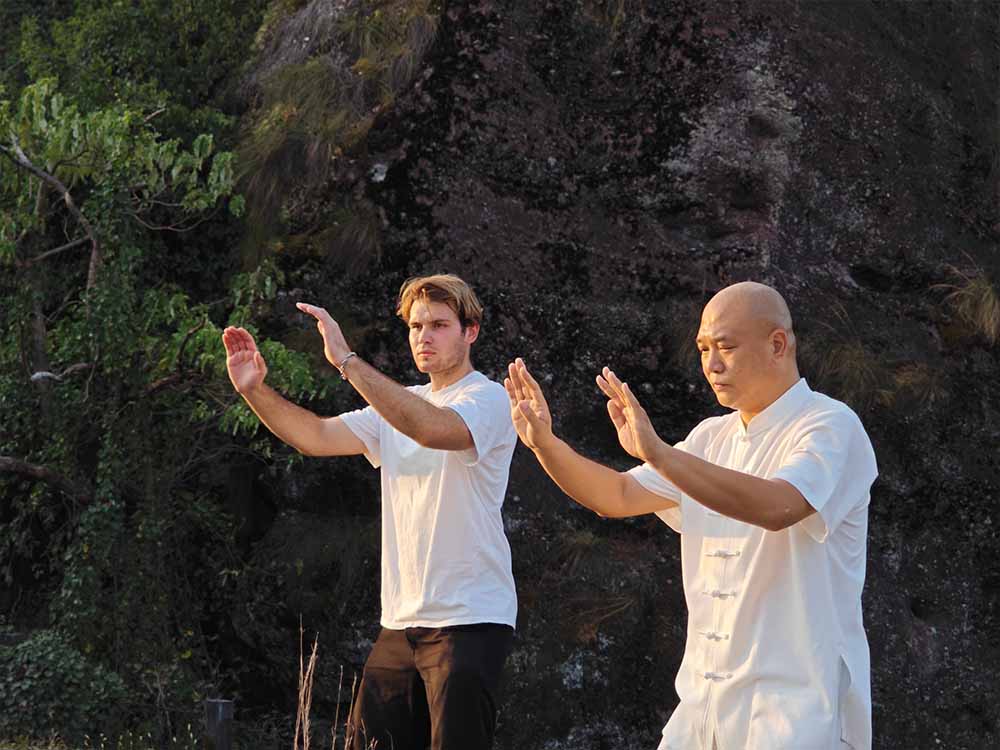
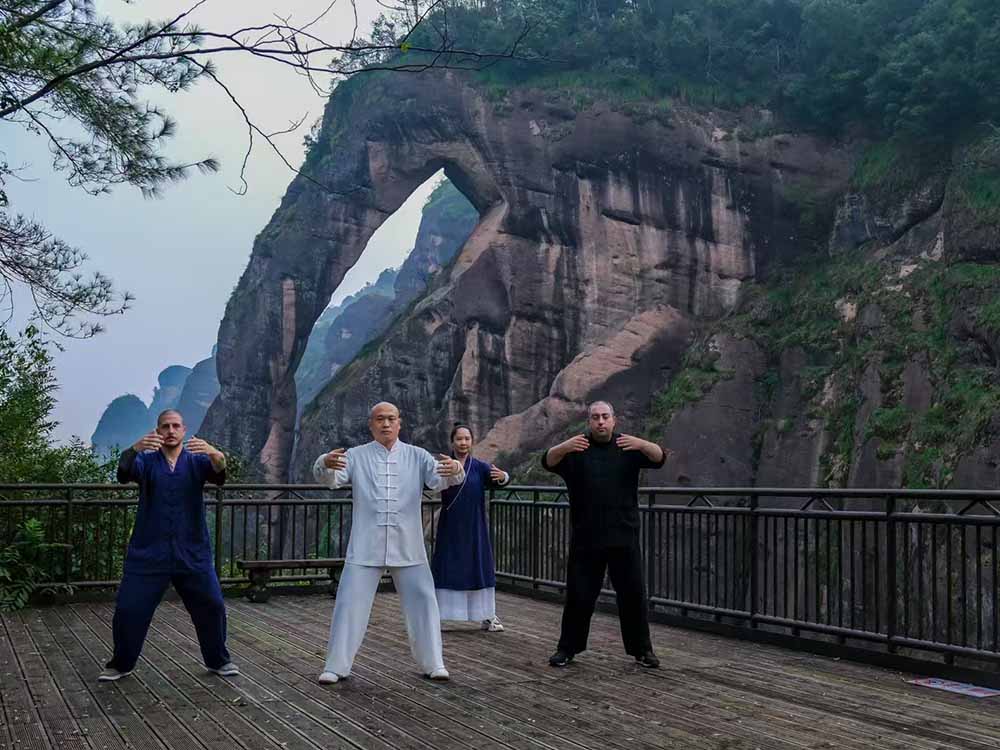
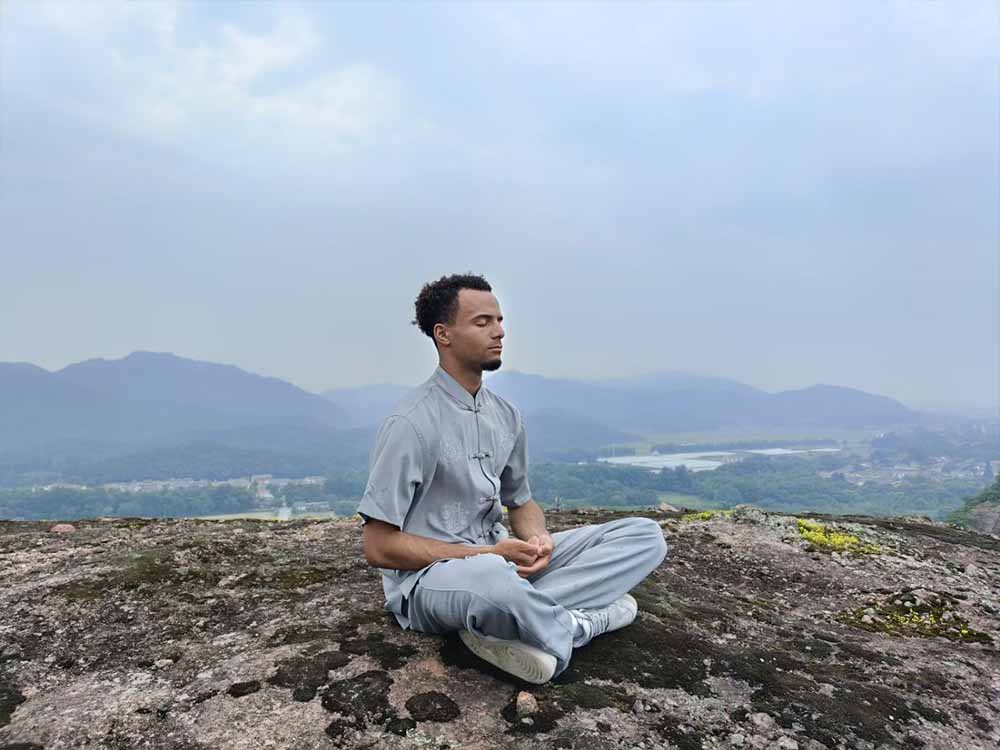
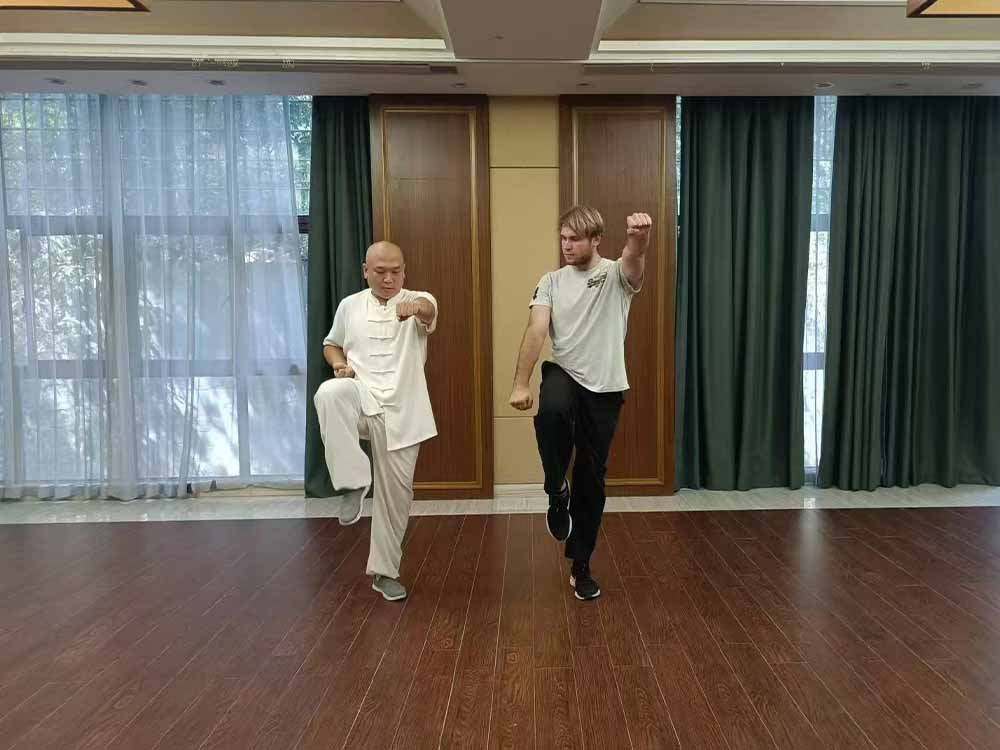
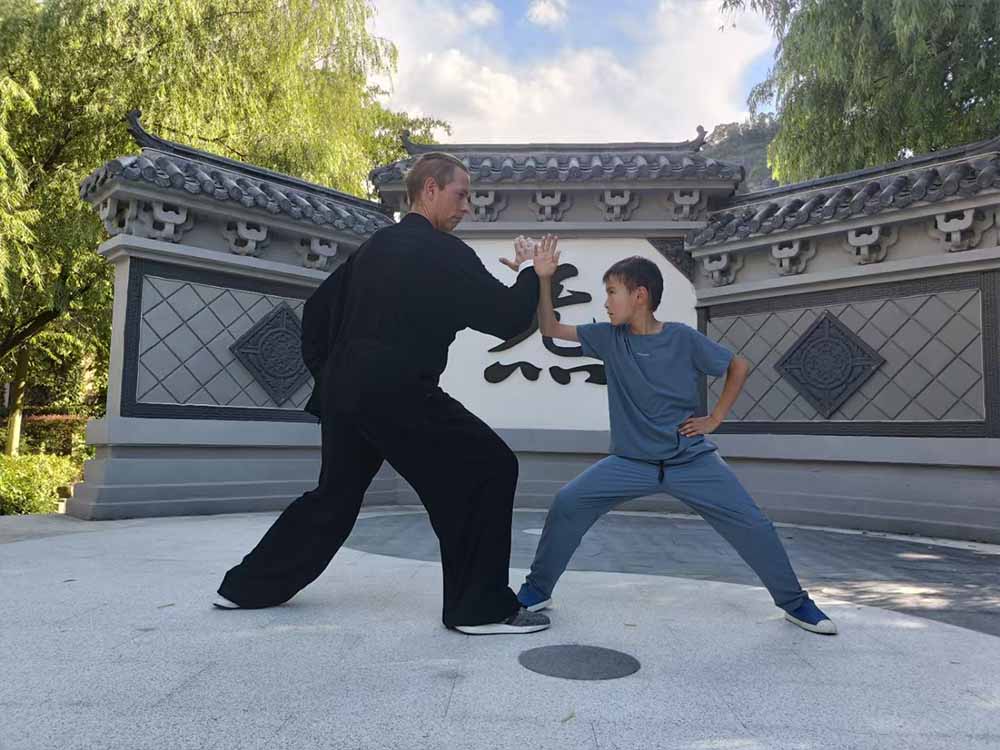
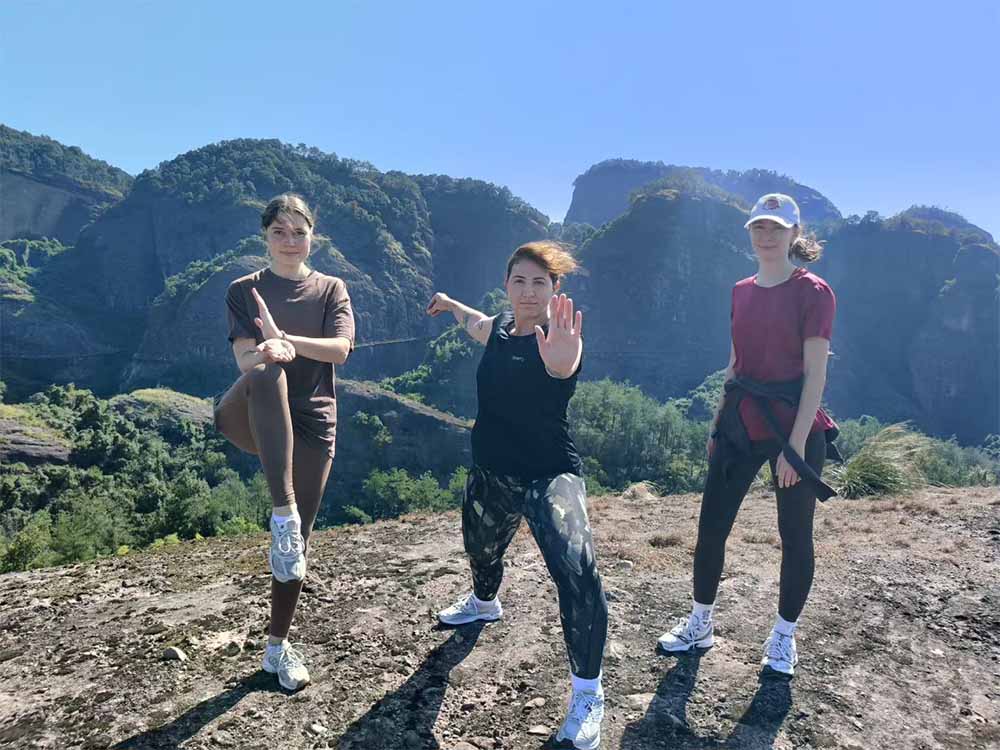
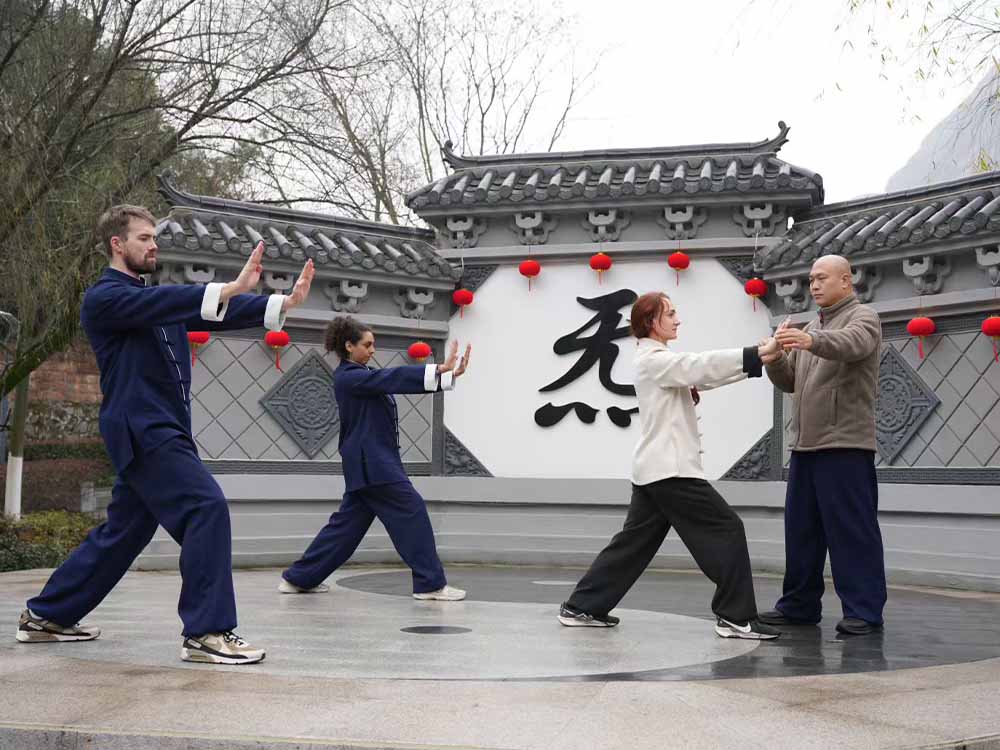
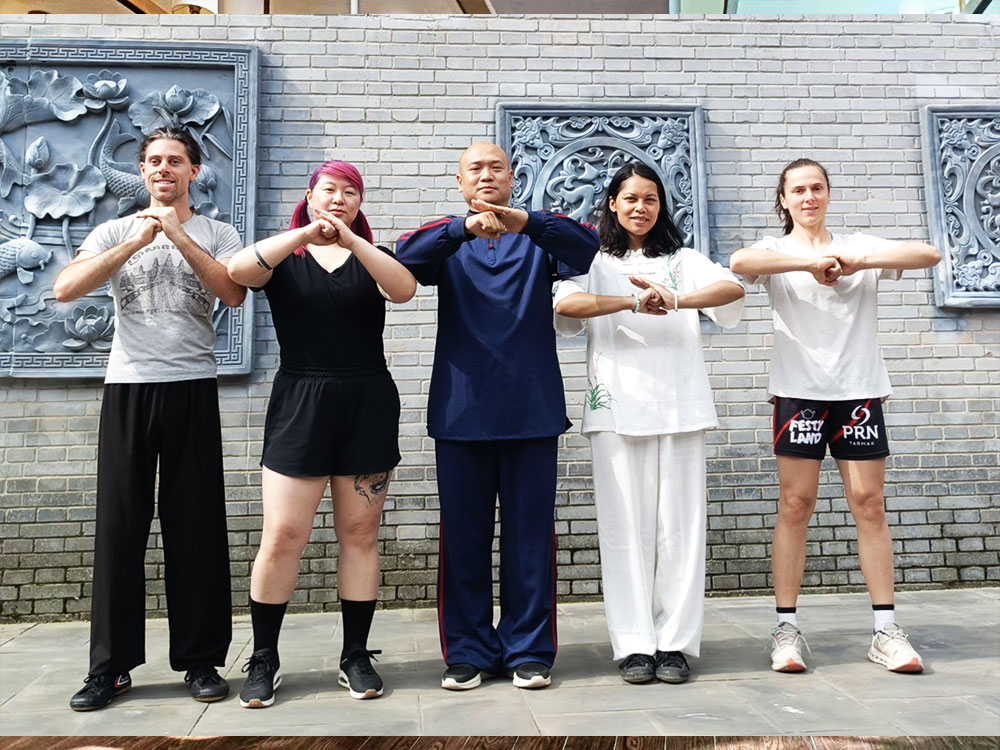
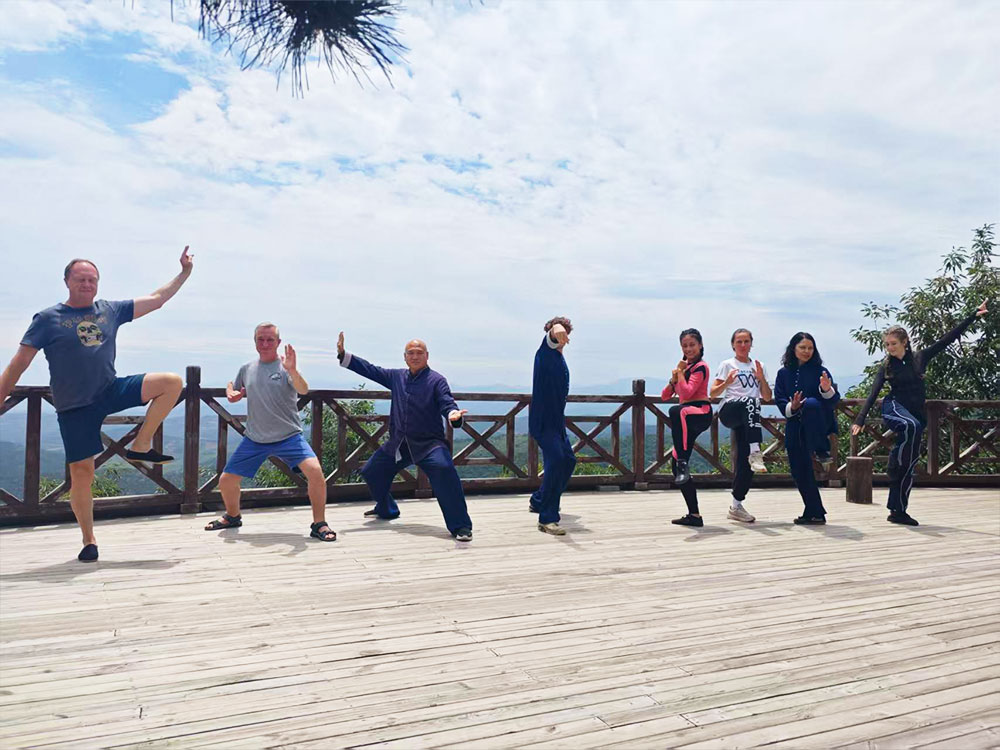
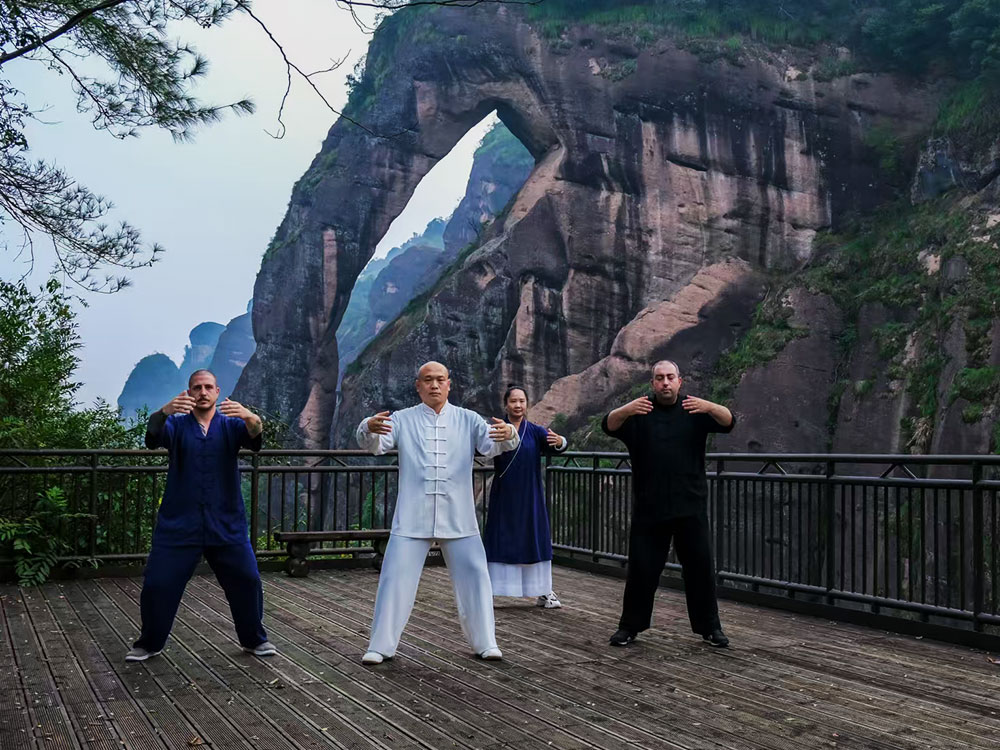
A visit to Mount Wutai can be thoughtfully integrated into your Kung Fu training camp or cultural tour in Shanxi Province. The mountain is accessible from major cities like Taiyuan or Datong by bus or train. Given the altitude and expansive area, it is best to allow at least two to three days for a thorough exploration. Wear comfortable walking shoes and bring layers of clothing, as the high-altitude weather can be unpredictable. It is advisable to stay overnight in one of the small towns near the key temple complexes to fully appreciate the serene morning and evening atmospheres. Engaging a knowledgeable local guide is highly recommended to understand the rich history and intricate symbolism of the temples and statues you will encounter. As an active place of worship, visitors should dress modestly, speak softly, and be respectful of monks and pilgrims performing their rituals, making this a profound complement to your martial arts practice.
Fast Facts For Travelers
Location: Taihuai Town, Wutai County, Xinzhou City, Shanxi Province, China.
Site Classification: UNESCO World Heritage Site, National AAAAA Level Tourist Attraction.
Best For: Spiritual seekers, history enthusiasts, architecture buffs, and nature photographers.
Signature Experience: Witnessing the spectacular sunrise over the sea of clouds from the East Terrace.





 WhatsApp