Why Emotional Intelligence Matters More Than IQ
Success in life is not just about intelligence. It is about emotional intelligence—the ability to understand your own emotions, manage them effectively, and navigate relationships with others. People with high emotional intelligence communicate better, resolve conflicts more peacefully, and build stronger connections in both their personal and professional lives. But emotional intelligence is not something you are born with. It is a skill that can be developed, refined, and strengthened through consistent practice. At SJF Kung Fu School, we have discovered that Taichi is one of the most effective practices for building emotional intelligence. Master Shen Jiangfei, an 11th-generation inheritor of Chen-style Taichi, teaches his students not just physical movements but principles of self-awareness, balance, and response that directly translate to emotional mastery and healthier relationships.
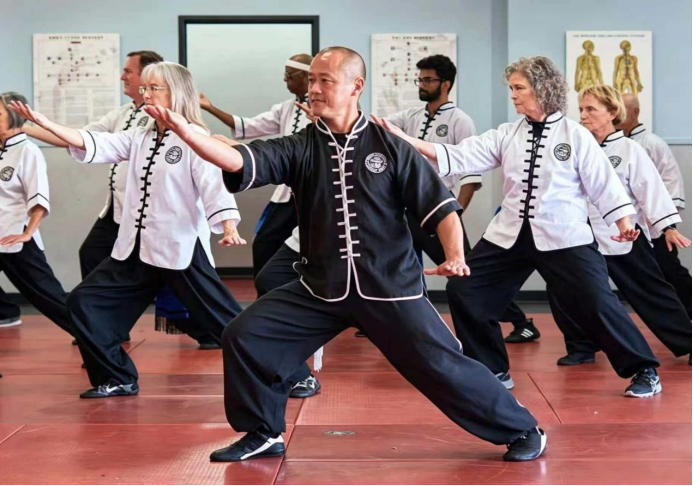
Emotions are physical before they are mental. You feel anxiety in your chest before you think anxious thoughts. You feel anger in your jaw and shoulders before you act on it. You feel sadness in your heart before you recognize it. Taichi trains you to notice these physical sensations early. This early awareness gives you a chance to respond thoughtfully rather than react impulsively. Over time, this physical awareness becomes automatic, helping you catch emotional reactions before they escalate.
Taichi teaches you to pause. The slow, deliberate movements of Taichi create a space between stimulus and response. This is exactly what emotional intelligence requires. You practice the ability to pause, observe what is happening inside you, and then choose your next action consciously. This pause becomes a powerful tool that you can carry into every challenging conversation or stressful situation.
The practice develops empathy through partner work. Push Hands, the two-person exercise in Taichi, requires you to sense your partner's energy, intent, and balance. You learn to feel what they are feeling, to understand their position, and to respond appropriately. This is empathy trained physically—a skill that directly translates to deeper understanding and connection in your relationships.
Your relationships reflect your internal state. If you are stressed and reactive, your relationships will suffer. If you are calm and centered, your relationships will improve. Taichi helps you achieve that calm center, which naturally makes you a better partner, parent, friend, and colleague. When you are at peace within yourself, others feel that peace when they are with you.
Key Emotional Skills Taught Through Taichi
Self-awareness: noticing what you feel. Taichi requires constant attention to your own body. Over time, this extends to your emotions. You become aware of your emotional patterns—what triggers you, how you react, how you feel in your body. This awareness is the foundation of emotional intelligence. Without awareness, you cannot manage what you do not know exists.
Self-regulation: managing your responses. Once you are aware of an emotion, you can manage it. Taichi teaches you to breathe through discomfort, to relax tension, and to choose a response rather than being swept away. This is self-regulation in action. You learn that you have a choice in every moment, no matter how strong the emotion feels.
Motivation: staying focused on your goals. Taichi requires consistent effort and practice. This builds discipline and internal motivation. These qualities translate to your personal and professional goals. The perseverance you develop on the training ground helps you stay committed to what matters most in your life.
Empathy: understanding others. Push Hands and partner work develop your capacity to sense and understand others. This empathy is essential for healthy relationships. When you can truly feel what another person is experiencing, you respond with compassion rather than judgment.
Social skills: interacting effectively. The community environment at SJF teaches you to communicate, collaborate, and connect with others. You practice these skills daily, learning to navigate different personalities, cultural backgrounds, and communication styles. This real-world practice builds confidence and competence in social situations.
What Taichi Practice Looks Like for Emotional Growth
Morning practice: starting the day with awareness. You begin your day with focused attention on your own body and breath. This grounds you before you interact with anyone. You start from a place of calm rather than reactivity. This morning routine sets the tone for your entire day, helping you approach challenges with clarity and composure.
Form training: observing yourself in motion. As you move through the forms, you observe how your body holds tension, where you rush, where you are stiff. These physical patterns mirror your emotional patterns. Recognizing them is the first step to changing them. The same tension you hold in your shoulders may appear as defensiveness in a conversation. The same rushing through movements may show up as impatience with others.
Partner work: relating to another. Push Hands is a microcosm of all relationships. You learn to give and take, to yield and stand firm, to sense and respond. The skills you develop here directly improve your relationships outside the school. You learn when to hold your ground and when to soften, how to read another person's energy and how to adjust your own.
Evening reflection: integrating the day's lessons. You reflect on what you have learned about yourself and your interactions. This reflection deepens your self-awareness and reinforces positive patterns. Taking time to look back on your day helps you recognize progress and identify areas for continued growth.
How Taichi Changes Your Relationships
You become a better listener. Taichi trains you to be present and attentive. This attentiveness carries over into conversations. You listen more carefully, without preparing your response while the other person is still speaking. People feel heard and valued when you truly listen, and this strengthens your connections.
You respond rather than react. When someone says something that would normally upset you, you have the space to pause. You breathe. You choose your response. This makes your interactions more thoughtful and less destructive. Instead of escalating conflict, you can de-escalate it with a calm, measured response.
You are more patient with others. Taichi teaches patience—you cannot rush the forms, you cannot force your progress. This patience extends to your relationships. You are less frustrated with others' imperfections because you have learned to accept your own. Understanding that growth takes time makes you more compassionate with those around you.
You communicate more calmly. The calmness you cultivate in Taichi is evident in your voice, your body language, and your words. People respond more positively to you because you are not radiating stress. Your calm presence invites openness and trust in others.
You build deeper connections. The combination of empathy, presence, and calmness makes your relationships deeper. People feel heard, understood, and safe with you. This safety allows for vulnerability and authenticity, which are the foundations of truly meaningful relationships.
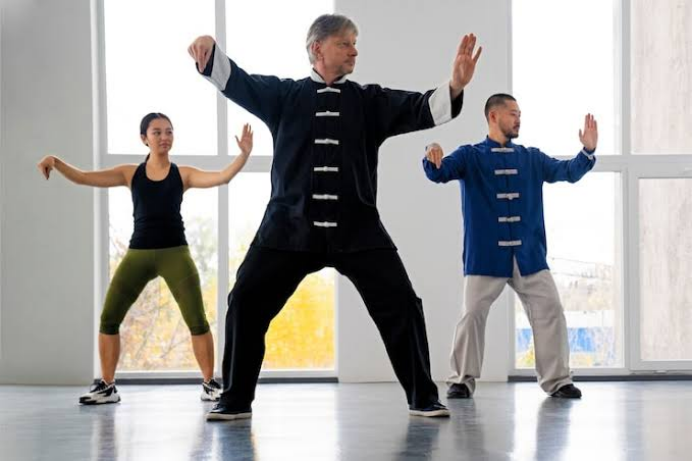
What Students Say About Emotional and Relational Changes
"I stopped fighting with my partner." — Elena, 44, Spain. Elena's relationship was marked by frequent arguments. After two months of Taichi, she found she could stay calm during disagreements. Her partner noticed the change. Their relationship is now more peaceful and respectful. Elena learned to pause before reacting, which transformed their communication.
"I am more patient with my children." — James, 49, USA. James was a stressed, reactive father. Taichi helped him find patience and calm. He now responds to his children's challenges with understanding rather than frustration. His children feel safer and more connected to him than ever before.
"I am finally at peace with myself." — Hana, 36, South Korea. Hana had struggled with self-criticism and anxiety. Taichi taught her self-acceptance and self-compassion. Her relationships with others improved as her relationship with herself improved. She no longer seeks external validation because she has found peace within.
"My colleagues noticed the difference." — Marco, 51, Italy. Marco was known for his short temper at work. After Taichi training, his colleagues observed that he was calmer, more approachable, and more collaborative. His professional relationships improved significantly.
Philosophical Principles That Support Emotional Intelligence
Yin and Yang: accepting opposites. Life is full of opposites—joy and sadness, success and failure, connection and loneliness. Taichi teaches you to accept and balance these opposites, not to fight them. This acceptance reduces emotional suffering. When you accept that both positive and negative experiences are part of life, you stop resisting what is and find peace in what comes.
Wu wei: action without force. Sometimes the best response is no response. Sometimes yielding is more powerful than pushing. Taichi teaches you when to act and when to wait. This wisdom transforms your relationships, helping you avoid unnecessary conflict and find more effective ways to resolve differences.
Qi: energy connects you to others. Emotions are energy. In Taichi, you learn to feel this energy in yourself and others. This understanding creates compassion and reduces isolation. When you recognize that others are also experiencing their own emotional energy, you become less judgmental and more understanding.
Why Training in China Deepens This Work
You are away from familiar triggers. At home, certain people and situations trigger emotional reactions. At SJF, you are free from these triggers. This allows you to practice new responses in a safe environment. Without the usual distractions and pressures, you can focus fully on your growth.
You are in a supportive community. Everyone at SJF is working on themselves. This shared intention creates a supportive, non-judgmental environment where you can grow. You are surrounded by people who understand your journey because they are on their own. This mutual support accelerates your progress.
You have time for deep reflection. The slower pace of life at SJF gives you time to reflect. You can process your experiences and integrate your learning. This reflection is essential for emotional growth. Without it, new insights remain superficial.
Master Shen models emotional intelligence. Master Shen is calm, patient, and present. Watching him teaches you more than words can. His example shows you what emotional intelligence looks like in practice. You see how a master handles challenges, interacts with others, and maintains inner peace.
Your Path to Emotional Balance and Healthier Relationships Starts Here
Emotional intelligence is the foundation of a fulfilled life. At SJF Kung Fu School, you can learn authentic Chen-style Taichi from Master Shen Jiangfei. Programs range from one week to six months or longer. You can also combine Taichi with Qigong, Zhan Zhuang, San Da, Qin Na, or Shaolin Quan. Our breathtaking mountain setting provides the perfect environment for deep personal growth. Contact us to choose the program that fits your goals. Your journey to emotional mastery, healthier relationships, and lasting inner peace starts here. Reach out today and begin your transformation. 




 WhatsApp