From Stress to Stillness, Master the Art of Standing in China
What is Zhan Zhuang? Unlocking the Power of Standing Like a Post
Zhan Zhuang, literally translated as "standing like a post" or "stake standing," is a core form of standing meditation found within Qigong and traditional Chinese martial arts. Unlike moving exercises such as Tai Chi or dynamic workouts, Zhan Zhuang requires holding static, structured postures for extended periods. It is designed to cultivate internal energy, develop optimal skeletal body alignment, and build profound mental resilience. In the commercial wellness and corporate sectors, it is increasingly treated as the premium method for deep stress elimination and postural correction. It is a practice that might appear simple from the outside, yet holds immense complexity and transformative power within.
The Unique Features That Set Zhan Zhuang Apart
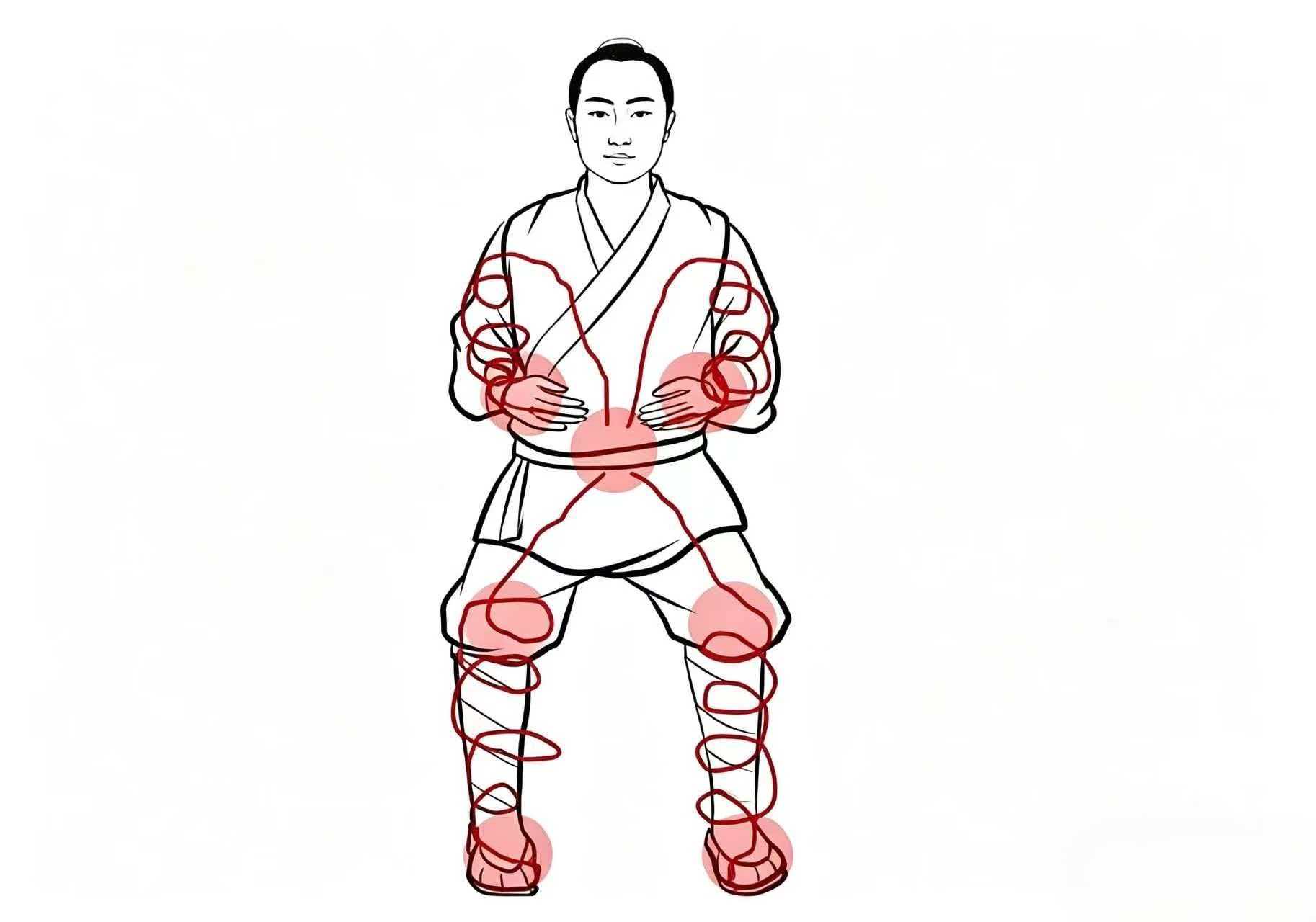
Zhan Zhuang possesses several unique characteristics that differentiate it from standard physical fitness or conventional meditation. The practice is defined by a static exterior paired with a dynamic interior; the body remains perfectly still on the outside, while intense neuromuscular, vascular, and energetic adjustments happen internally. Another core feature is the concept of "Song," which translates to "effortless effort" or "active relaxation." The primary goal is achieving this deep, responsive state where practitioners learn to let the skeleton support body weight, allowing chronically tight muscles to completely let go. It is also highly dependent on accurate biomechanical structure, requiring the joints, spine, and hips to be stacked precisely to eliminate joint strain and allow fluid internal circulation. Finally, it relies on a mind-driven execution where, without moving parts to distract the brain, the mind turns completely inward, building extreme internal body awareness and proprioception.
A Journey Through Time: The Deep History of Zhan Zhuang
The roots of Zhan Zhuang date back thousands of years, with the earliest records appearing in the Huangdi Neijing, also known as The Yellow Emperor's Classic of Internal Medicine. This ancient text documents the practice as a method for cultivating health and longevity. For centuries, it was kept as a strictly guarded secret within internal martial arts lineages, such as Xingyiquan, Taijiquan, and Baguazhang, to build explosive structural power and iron-like internal strength without adding bulk. In the mid-20th century, Grandmaster Wang Xiangzhai modernized the practice by founding Yiquan, a martial art based entirely around these standing postures. Today, the practice has transitioned from secretive combat training into globally recognized medical Qigong, used primarily for health maintenance and corporate stress relief.
The Science of Stillness: How Does Zhan Zhuang Work?
Zhan Zhuang functions through a brilliant blend of physics, biomechanics, and bioenergetics, which can be understood through both modern and traditional perspectives. From the Western medical perspective, holding a static stance forces the deep, stabilizing postural muscles, like the core, spinal stabilizers, and deep hip rotators, to work continuously while the superficial, large muscle groups learn to relax. This balances the musculoskeletal system and corrects posture. Furthermore, holding these specific angles compresses blood vessels slightly; once the posture is released, blood rushes through with increased force, triggering excellent microcirculation. From the Traditional Chinese Medicine perspective, proper skeletal alignment helps drop the body's center of gravity, allowing Qi, or vital energy, to sink down into the lower Dantian, the primary energy center below the navel. Keeping the joints slightly bent opens up the body's meridians and energy pathways, removing the stagnant energetic blocks caused by sedentary lifestyles.
Why Learning Zhan Zhuang? The Multifaceted Benefits
Integrating Zhan Zhuang into a personal wellness routine offers distinct and powerful advantages over typical exercise. It provides rapid stress decompression by focusing heavily on the physical structure and abdominal breathing, which strongly stimulates the parasympathetic nervous system and lowers cortisol faster than standard sitting meditation. It actively reverses desk posture, acting as an antidote to modern office strain by gently flattening the lumbar curve, dropping the shoulders, and realigning the cervical spine. It also builds core stability and bone density through low-impact, isometric holds that place gentle, continuous weight-bearing stress on the skeleton, building bone density and joint stability without wear-and-tear. Lastly, it offers a high return on investment with zero equipment, specialized clothing, or dedicated facility space required, making it exceptionally easy to deploy in any lifestyle or corporate wellness initiative.
A Step-by-Step Guide to Mastering Zhan Zhuang
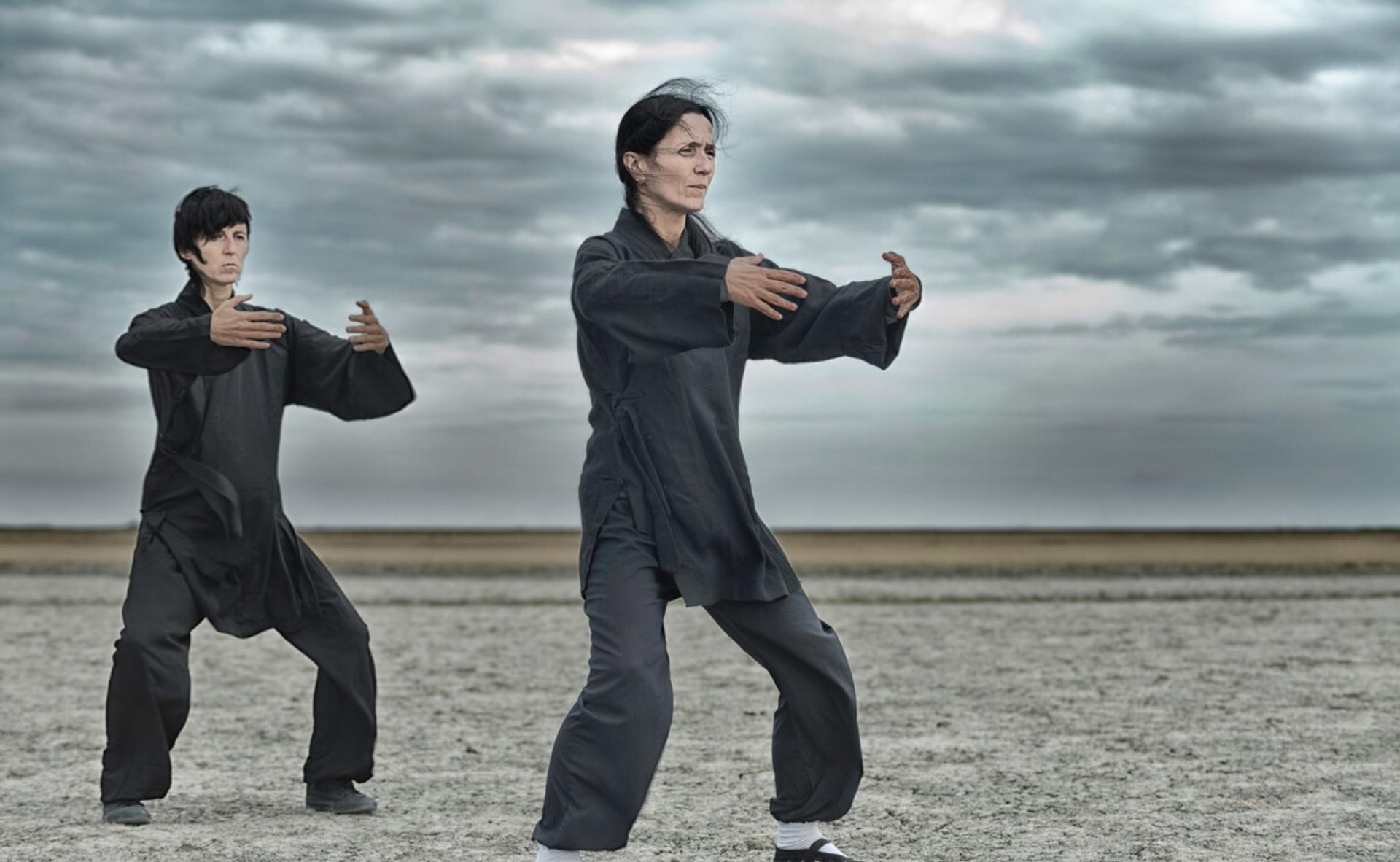
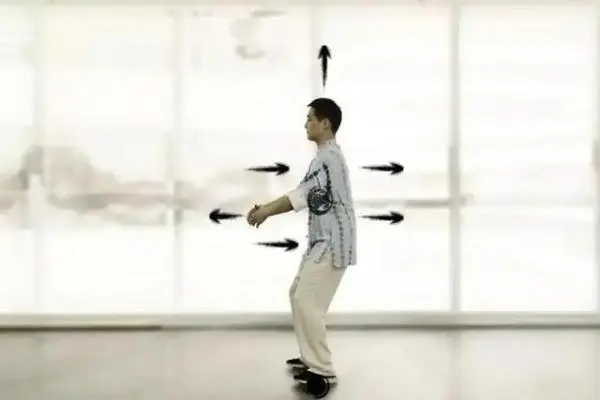
Mastering the art of standing requires step-by-step physical adjustments to avoid joint strain and ensure lasting results. The first phase is to establish the Wuji foundation: stand with your feet shoulder-width apart and parallel to each other, soften your knees so they bend slightly, tuck your pelvis gently to flatten the curve in your lower back, and let your arms hang naturally. The second phase is to adopt the "hugging tree" posture: slowly raise both hands to chest height, curving your arms as if lightly holding a large beach ball, keeping your fingers open and palms facing your chest, with shoulders dropped and heavy. The third phase involves executing systematic tension scanning: while holding the posture, use your mind to scan down from your head to your toes, locating areas holding residual tension such as your jaw, neck, or lower back, and actively relax them into the skeletal frame. The final phase is to progress daily hold times: begin with just five minutes per day to avoid muscle fatigue, gradually increasing the holding duration by one to two minutes each week, aiming for a consistent twenty to thirty minute daily practice to experience profound neurological and physical benefits.
The Tangible Benefits: What Zhan Zhuang Can Do for You
The benefits of regular Zhan Zhuang practice are both immediate and long-lasting. First is profound postural correction; it actively reverses office strain by realigning the spine, dropping the shoulders, and strengthening deep core stabilizing muscles, effectively correcting poor sitting habits naturally. You will experience rapid stress relief; the static hold coupled with deep abdominal breathing switches the nervous system into relaxation mode, rapidly lowering cortisol and reducing mental anxiety. Enhanced circulation is another key benefit; holding structural alignments removes vascular blockages and opens meridians, triggering powerful blood microcirculation and increasing overall physical energy levels. Finally, it builds joint stability; the low-impact isometric standing strengthens tendons and ligaments without joint wear-and-tear, improving balance, building lower-body rooting, and preventing future physical injuries.
Zhan Zhuang in the Modern World: A Solution for Contemporary Stress
In our fast-paced, digitally driven world, the ancient practice of Zhan Zhuang has never been more relevant. It offers a powerful, yet simple, antidote to the chronic stress, poor posture, and mental fatigue that have become hallmarks of modern life. For corporate professionals, it provides a tool for deep mental clarity and resilience. For athletes, it is a method for building unshakeable foundation and explosive power. For anyone seeking health and longevity, it is a path to restoring the body's natural alignment and vitality. Its adaptability—requiring no special equipment and only a small space—makes it an ideal practice to integrate into any daily routine, whether at home, in the office, or during a break. This is why many forward-thinking companies are now incorporating Zhan Zhuang into their employee wellness programs.
Zhan Zhuang as a Complement to Martial Arts
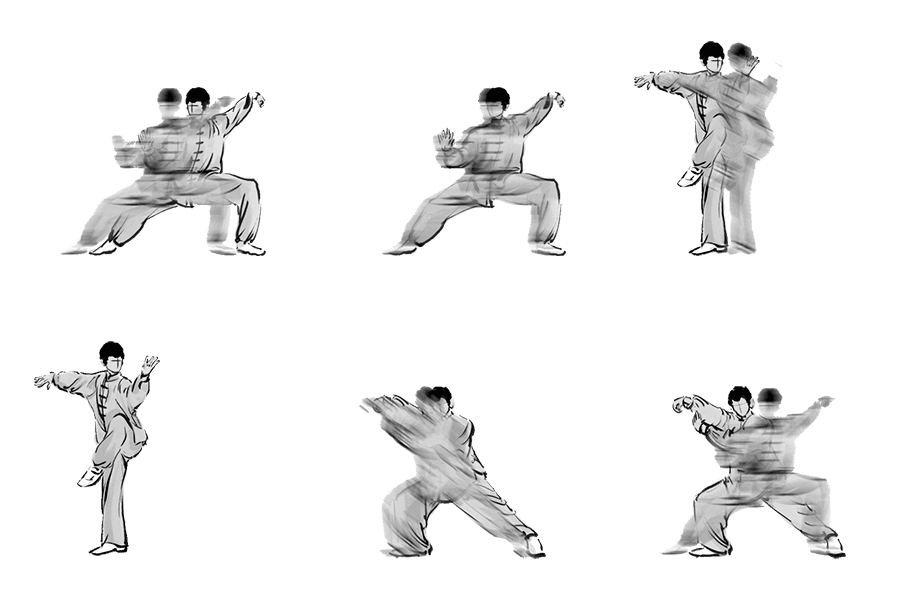
For martial artists, Zhan Zhuang is not merely an auxiliary exercise but a foundational pillar of training. It is the secret to developing the "internal" power that distinguishes a true master from a mere brawler. The practice builds structural integrity, ensuring that power generated from the ground is transmitted efficiently through the body without energy leaks. It develops explosive power (Fa Jin) by teaching the body to relax deeply, allowing force to be released with speed and precision. It cultivates a rooted, stable stance that makes a practitioner immovable. It also hones the mind, developing the focused intent (Yi) essential for combat. By training the body to relax and the mind to focus, Zhan Zhuang perfectly complements the physical techniques of any martial art, leading to a more holistic and effective practice.
Start Your Journey at SJF Kungfu School
For those ready to experience the profound benefits of Zhan Zhuang firsthand, the SJF Kungfu School offers the ideal environment to begin your journey. Located in the serene and beautiful countryside of Jincheng, Shanxi Province, our school is dedicated to providing authentic, immersive training in traditional Chinese arts. Under the expert guidance of our experienced masters, who are steeped in the lineage of internal martial arts, you will learn the correct postures, understand the underlying principles, and receive personalized corrections to accelerate your progress. Our comprehensive programs allow you to learn Zhan Zhuang alongside other disciplines like Taichi, Qigong, and Shaolin Quan, offering a holistic martial arts education. We welcome students of all levels, from complete beginners to advanced practitioners, with flexible programs ranging from one week to several months. Our peaceful campus provides the perfect retreat from the distractions of modern life, allowing you to focus fully on your practice and achieve deep, lasting change. By choosing SJF Kungfu School, you are not just learning a technique; you are immersing yourself in a transformative experience that connects you to an ancient, living tradition in its authentic setting. We invite you to join our global community of learners and discover the power of standing still.




 WhatsApp