How to Choose an Affordable Kung Fu School in China
Most people regret one thing after signing up for martial arts training abroad: they picked a school based on price alone, then discovered the instructor had no real lineage, the "kung fu school near me" was a gym with a red dragon painted on the wall, and the contract locked them into months of classes they couldn't cancel. An affordable kung fu school is not the same as a cheap one. Cost matters, especially for students traveling from the USA, UK, or Europe for a short-term program, but the real risk sits in what you cannot see from a website photo — who is actually teaching you, how often you train, and whether the tradition behind the movements is genuine.
This guide walks through what to check before you commit, using the kind of comparison a serious student should make between local options, whether you are looking at a one-week trip or a six-month immersion in China.
What "Affordable" Actually Means in Traditional Training
Affordable kung fu classes should mean fair value for authentic instruction, not the lowest number on a price list. A school charging very little per hour, with large group classes and no direct access to a certified instructor, often costs more in the long run — you pay for time but not for correction, and bad habits in stances or breathing take years to unlearn. On the other hand, a program built around daily one-on-one correction, traditional weapons training, and a dedicated indoor training space can deliver far more per dollar spent, even if the headline tuition looks higher.
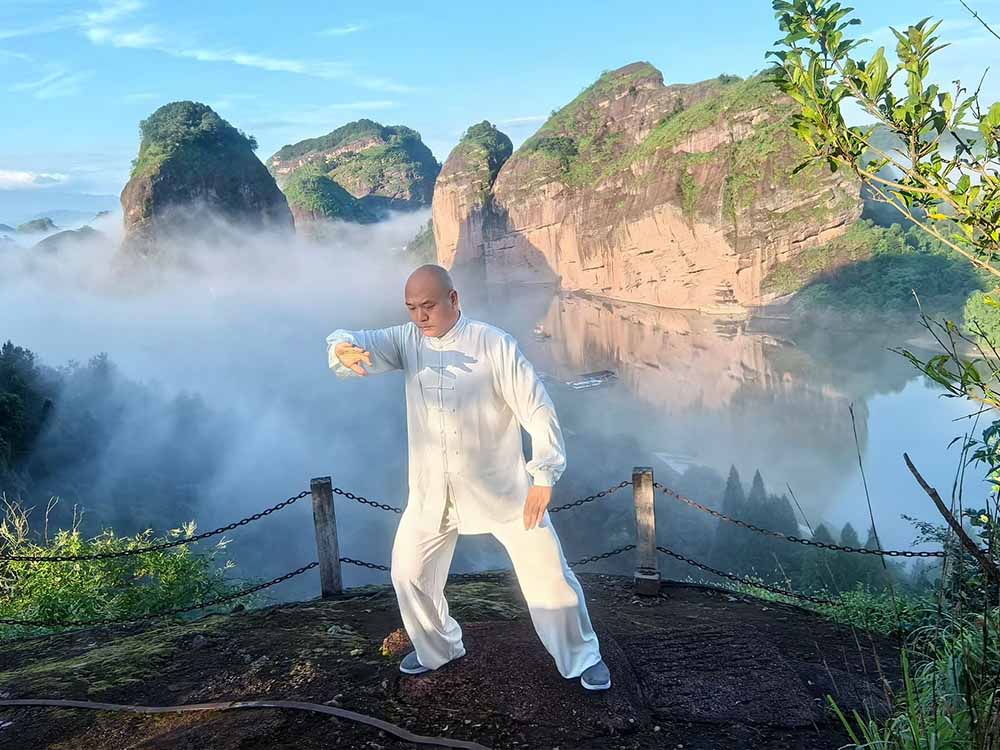
At SJF Kung Fu School, training happens in a 200㎡ indoor center near the Shaolin Temple, so sessions continue regardless of weather, and students have access to wooden dummies, mats, and traditional weapons rather than sharing a single open floor. That kind of infrastructure is part of what "affordable" should be measured against — not just the sticker price of a class package.
Comparing Tuition, Credentials, Frequency, and Contract Terms
Before booking any program, line up local options against five factors. Each one carries a different risk if ignored.
| Factor | What to Check | Risk if Ignored |
|---|
| Tuition structure | Is pricing per week, per month, or bundled with room and board? | Hidden fees for equipment, uniforms, or accommodation inflate the real cost by 20-40%. |
| Instructor credentials | Does the head instructor have a documented lineage or certification, not just a black belt from an unrelated style? | Untraceable credentials often mean techniques taught incorrectly or without depth. |
| Class frequency | Daily training versus two or three sessions a week. | Infrequent classes slow skill retention, especially for short-term visitors with limited time in China. |
| Contract terms | Can you leave early, pause, or extend without penalty? | Rigid contracts trap students in programs that don't fit their schedule or health. |
| Trial class access | Is a kung fu trial class offered before full enrollment? | No trial means no way to judge teaching style, group size, or training environment firsthand. |
Why each one matters: tuition structure tells you what you're really paying for, not just the number on the page. Instructor credentials tell you whether the movements you learn trace back to an actual tradition — Master Shen Jiangfei, for example, is a descendant of Liuhe Quan and the 11th-generation inheritor of Chen-style Tai Chi, the oldest of the five primary family styles, which is the kind of lineage worth verifying before you travel. Class frequency determines how fast your body actually absorbs stances and forms. Contract terms protect you if illness, visa issues, or travel changes interrupt your plan. And a trial class, even a short one, tells you more in sixty minutes than any brochure can.
Common Mistakes Students Make When Comparing Schools
Choosing based on the lowest advertised price without asking what's included in accommodation or meals.
Assuming all "Shaolin Kung Fu" programs teach the same curriculum — styles, weapons training, and Qi Gong content vary widely between schools.
Skipping the trial class because of travel distance, then discovering the teaching pace doesn't match their fitness level.
Booking a long-term course before testing a short one, locking into six months without knowing if the training style suits them.
Ignoring group size — a class of 20 students gets far less individual correction than one of 4 to 6.
A Worked Example: Two Students, Two Paths
Consider two students comparing options. The first picks a budget program advertising unlimited classes for a flat low fee. On arrival, she finds forty students per session, no weapons training, and an instructor who rotates teaching duties. She leaves after two weeks feeling she learned choreography, not kung fu.
The second books a one-week trial through a smaller school with named instructors and a clear outline of daily hours. Pamela Paes Ezawa from Brazil took this approach with a 7-day Chen-style Tai Chi course, and specifically noted how much she valued the traditional training environment and the welcoming community around her Shifu. She extended her trust in the program based on that short trial, which is the exact function a trial class should serve — a low-risk way to judge fit before deeper commitment.
Similarly, Klaes Risbjerg Simonsen from Denmark chose a 30-day Tai Chi, Zhan Zhuang, and Broadsword course specifically because he wanted something authentic and focused, not a resort-style experience. He said he felt he was in the right place from day one — a sign that matching training philosophy to personal goals matters as much as price.
Step-by-Step: How to Find and Vet a Kung Fu School
List your available time — one week, one month, or longer — since program structure and cost per day shift significantly with duration.
Search for schools near Kung Fu's traditional centers, such as near the Shaolin Temple region, where lineage-based instruction is more common.
Request instructor credentials directly. Ask which family style or Buddhist/Taoist lineage they trained under.
Ask whether a kung fu trial class or short orientation session is available before full enrollment.
Compare contract flexibility — can you shift from a One Week Kung Fu Course into a longer program if you want to continue?
Check what's included: training mats, traditional weapons, meditation space, and accommodation.
Read real student accounts, not just marketing copy, to understand daily life at the school.
Buyer's Decision Checklist
Does the instructor have a traceable lineage (family style, generation number, or temple training)?
Is there an indoor facility for training regardless of weather?
Can you try a single class or short course before committing to months?
Does the program cover more than one discipline — forms, Qi Gong, weapons, meditation?
Are contract terms clear about refunds, pauses, or early departure?
Why Lineage and Environment Matter More Than Price Alone
Kung Fu was never meant to be a transaction. In the old family systems, a student trained under one teacher for years, absorbing not just technique but Wu De — martial virtue — patience, respect, and self-discipline built through repetition. That spirit still shapes how training should feel today, even for a student who only has thirty days.
At SJF Kung Fu School, this is why the curriculum spans nine distinct disciplines — Shaolin Quan, Tai Chi, Qi Gong, Zhan Zhuang, San Da, Qin Na, Ge Dou, Chinese Weapon, and Meditation — rather than one isolated style taught in a vacuum. Andrew Williams from the USA trained Tai Chi, Zhan Zhuang, and Dao Fa with his son for thirty days and called it life-changing, strengthening him physically, mentally, and spiritually enough that he plans to return. Hayley Noel from the UK spent 120 days working through Tai Chi, Zhan Zhuang, Sword, and Broadsword, and her family described how worried they were before she left, only to find she had an unforgettable experience and intends to come back.
Price matters, and a program should respect your budget. But what you're really buying is access to a lineage, a teacher who corrects your stance by hand, and a space — whether a 200㎡ hall in Shanxi or a quiet meditation room — built for cultivation, not performance. Othmane Echaouki and his wife from France, after a 7-day Chen-style Tai Chi course, wrote simply that they felt taken care of under the best conditions. That feeling, more than any discount, is what makes training worth the trip.

Matching the Right Course Length to Your Goals
Short trips suit students testing the waters or working around limited vacation time. Longer stays suit those seeking real transformation — Austin Erkl from the USA admitted his 30-day Tai Chi and Sword course didn't click immediately, but after adjusting, he called the master someone who genuinely cares for his students and said he made lifelong memories. That adjustment period is normal and worth planning for when comparing a one month Kung Fu Course against a shorter option.
For those ready to commit beyond a month, a Three-Month Kung Fu Course or a Long Term Kung Fu Course allows deeper work on internal energy, weapons forms, and meditation practice that a single week simply cannot cover. Families considering a shared experience often look at the Kung Fu Camp format instead, which blends cultural immersion with structured daily training for both adults and younger students.
If you are weighing your options and want honest guidance on which course length and training focus fits your goals, reach out to SJF Kung Fu School for a straightforward conversation about what training here actually looks like, day by day.




 WhatsApp