Is Tai Chi Quan a Martial Art or Moving Meditation
Is Tai Chi Quan a fighting art, a health practice, or a form of moving meditation? Beginners often ask this because the slow movements can look peaceful, while the postures, spirals, stepping, and hand positions suggest a martial purpose. The direct answer is that it can be all three. These purposes are connected, but they should not be confused.
A person may begin practice because they want calmer attention, better balance, or a closer relationship with Chinese culture. Another person may come from boxing, karate, wrestling, or other martial arts and want to understand softness, timing, structure, and close-range control. Both students can study the same form. Yet what they notice, train, and need from a class may be different.
At SJF Kung Fu School, Tai Chi is taught as part of traditional Chinese martial arts study. The school’s Head Instructor and Founder, Master Shen Jiangfei, is a descendant of Liuhe Quan and the 11th-generation inheritor of Chen-style Tai Chi. This lineage matters because it keeps form practice connected to body method, martial application, stillness, and martial virtue rather than treating the movements as empty choreography.
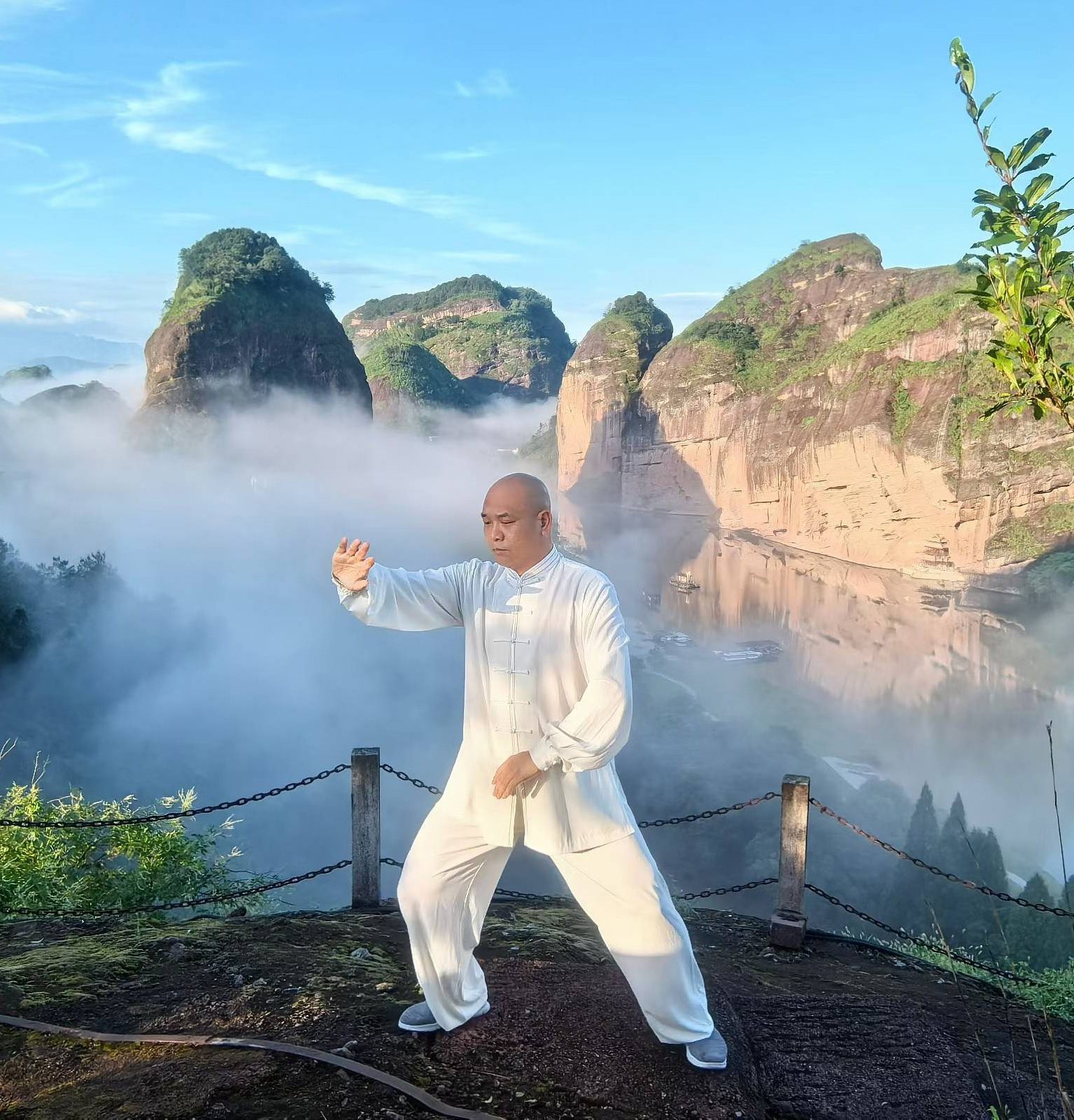
Is it truly a martial art?
Yes. Tai Chi began and remains a martial art when it is taught with its fighting principles, partner work, and practical purpose. Slow solo form is not proof that a system lacks combat content. In fact, moving slowly gives a student time to notice alignment, weight transfer, waist rotation, distance, and the relationship between one hand and the other.
Many movements contain potential uses such as deflection, control of an arm, off-balancing, striking, joint manipulation, and escape from holds. A posture may look gentle in a form but require clear structure when practiced with a partner. The movements are not meant to be memorized as isolated tricks. Their value comes from learning how the whole body works as one unit.
For a beginner, the first martial lesson is usually not speed. It is position. Can you keep your feet stable while changing direction? Can your shoulders stay relaxed without collapsing your arms? Can you turn from the waist rather than reaching with the hands alone? These questions shape martial body mechanics before a student attempts faster work.
A martial focus fits people who want to understand traditional applications, improve awareness of range, or add internal principles to existing martial arts training. It does not fit someone expecting fast sparring skills after a few solo classes. Forms provide a foundation, but martial ability also requires supervised partner practice, timing, control, and responsible conduct.
Students who wish to compare slower internal methods with more direct striking practice can also study San Da training. The contrast can be useful: one method may make timing and contact more visible, while the other can refine structure and sensitivity through slower repetition.
How can slow movement become moving meditation?
Tai Chi can function as moving meditation when attention remains present in the body throughout the form. The purpose is not to force the mind blank. Instead, the student returns again and again to what is happening now: breathing, foot pressure, posture, tension in the shoulders, the pace of a turn, and the settling of the gaze.
This is why a short sequence can feel demanding even when it looks calm. A distracted student may finish a form without remembering where the weight was placed. A focused student may notice that one knee turned too far, one hip tightened, or one breath was held. Such observation is part of the training.
Stillness is not separate from movement. In Chinese practice, standing meditation can teach the body to settle before it moves. The practice known as Zhan Zhuang asks students to stand in a structured posture and observe unnecessary tension. It is simple in appearance, yet it can reveal habits that are hidden during faster exercise.
A meditation-focused approach suits students managing busy schedules, mental restlessness, or a desire for disciplined daily practice. It is not a replacement for medical care, counselling, or treatment for injury. Students with pain, balance concerns, or a diagnosed condition should seek suitable professional advice and inform their instructor so that stances and training volume can be adjusted.
How martial health and meditative purposes work together
The martial, health, and meditative purposes of this practice are not competing identities. They are different ways of describing related training effects. A rooted stance may support stability in an application, improve awareness of posture, and give the mind one clear point of attention. The same exercise can serve more than one purpose.
| Purpose | What the student trains | Useful for | Limit or boundary |
|---|
| Martial purpose | Structure, distance, balance, coordination, yielding, and controlled partner response | Students interested in Chinese martial arts and practical body use | Solo forms alone do not create reliable fighting skill |
| Health purpose | Gentle joint movement, posture awareness, breathing habits, and steady lower-body work | Adults seeking regular low-impact movement within their own ability | It is not medical treatment or a promise of recovery |
| Meditative purpose | Attention, slower breathing, repeated form, and awareness of tension | Students who want a disciplined quiet practice | It does not require mystical beliefs or guarantee emotional results |
| Cultural purpose | Forms, etiquette, lineage, traditional weapons, and martial virtue | Students seeking Chinese cultural study through practice | Reading history cannot replace respectful hands-on instruction |
The best starting point for most beginners is to train all three areas lightly, then place greater attention on the purpose that brought them to class. This works because the same basic skills support each area. It does not mean every class must include applications, quiet standing, and long forms in equal amounts. A one-week visitor and a long-term student need different pacing.
Martial virtue, often called Wu De, gives the practice an ethical direction. It includes respect for teachers and training partners, patience with gradual progress, restraint when skill increases, and responsibility for one’s conduct. Without this attitude, martial training can become mere performance. Without practical structure, meditation can become vague. The two sides help correct each other.
What should a beginner learn first?
Begin with posture, stepping, breathing without strain, and a small number of movements learned carefully. This is more useful than trying to copy a long form from a video in one weekend. The reason is simple: habits become harder to change after many repetitions.
A beginner who has never trained Chinese martial arts can use the following process during the first several weeks.
Choose a stable training space. Wear flat, comfortable shoes or train according to your instructor’s guidance. Avoid slippery floors and crowded areas.
Learn a natural standing position. Keep the knees soft rather than locked. Let the head rise naturally and allow the shoulders to settle.
Practice weight transfer slowly. Shift from one leg to the other without leaning the upper body far to one side. Notice when the foot loses contact with the ground.
Add one hand movement. Coordinate the hands with the waist and stepping. Do not reach ahead of your body.
Use relaxed breathing. Do not hold the breath or attempt forced breathing patterns. Let the breath remain natural while attention returns to the movement.
Receive correction. A teacher can see whether knees, hips, spine, and shoulders are working together. Video can help review practice, but it cannot replace direct feedback.
Repeat briefly and regularly. Stop when fatigue changes your posture. Quality matters more than extending a session with poor structure.
For self-study, this method offers a safe beginning. Its limit is that self-study cannot confirm martial distance, partner sensitivity, or the details of an application. If martial understanding is part of your goal, seek an instructor who can explain why a posture is shaped in a certain way and how to practice with another person safely.
Which class style matches your reason for starting?
Before choosing a class, state your main reason in one sentence. “I want to move with less stiffness” is different from “I want to study Chen-style forms and applications.” A clear reason helps an instructor guide your first stage of practice without pretending every student needs the same path.
Choose a form-focused class if you want a steady introduction to posture, movement quality, and Chinese martial arts culture. This suits beginners, but progress depends on consistent practice between classes.
Choose a partner-focused class if you already have basic control and want to explore martial uses. This suits students interested in applications, but it requires careful supervision and respect for training partners.
Choose standing and breathing practice if your attention is scattered and you need a quieter starting point. This suits people who prefer fewer movements at first, but standing alone is not the complete art.
Choose an intensive course if you can dedicate time to daily instruction and cultural study. This suits visitors who want concentrated learning, but a short stay still requires continued practice after returning home.
At SJF Kung Fu School, students can study Learn Tai Chi alongside related practices such as Qi Gong, standing work, meditation, weapons, and traditional martial forms. The school has a 200㎡ indoor training center, allowing year-round practice regardless of weather. This is especially helpful for students who need regular instruction rather than occasional outdoor sessions.
Master Shen’s teaching background also includes Liuhe Quan, a traditional system with its own martial character. This wider foundation helps students see Tai Chi as part of Chinese martial culture rather than a set of disconnected slow movements.
What can real students’ experiences tell a beginner?
Student accounts can show what committed practice felt like for particular people, but they should not be treated as guaranteed outcomes. Training results depend on prior condition, time available, learning habits, and the specific material studied.
Andrew Williams from the United States spent 30 days studying Tai Chi, Zhan Zhuang, and Dao Fa with his son. He described the experience as life-changing for him physically, mentally, and spiritually, and said he planned to return the following year. His case suggests that family study can create a focused shared experience. It does not mean that every 30-day program will feel the same for every family.
Klaes Risbjerg Simonsen from Denmark completed a 30-day course covering Tai Chi, Zhan Zhuang, and Broadsword. He wanted a focused place for training rather than a tourist-style stay. He reported physical and spiritual growth and appreciated that Master Shen adapted training to his needs. This is a useful example for adults who want instruction shaped around their present level, though personal adaptation still depends on communication, health, and available training time.
For a shorter visit, Pamela Paes Ezawa from Brazil completed a 7-day Chen-style Tai Chi course and appreciated the traditional training environment, the training-focused accommodation, and the welcoming school community. Her experience shows that a week can offer a meaningful introduction. A week is not enough to master a form or its applications, but it can help a learner decide what to study next.
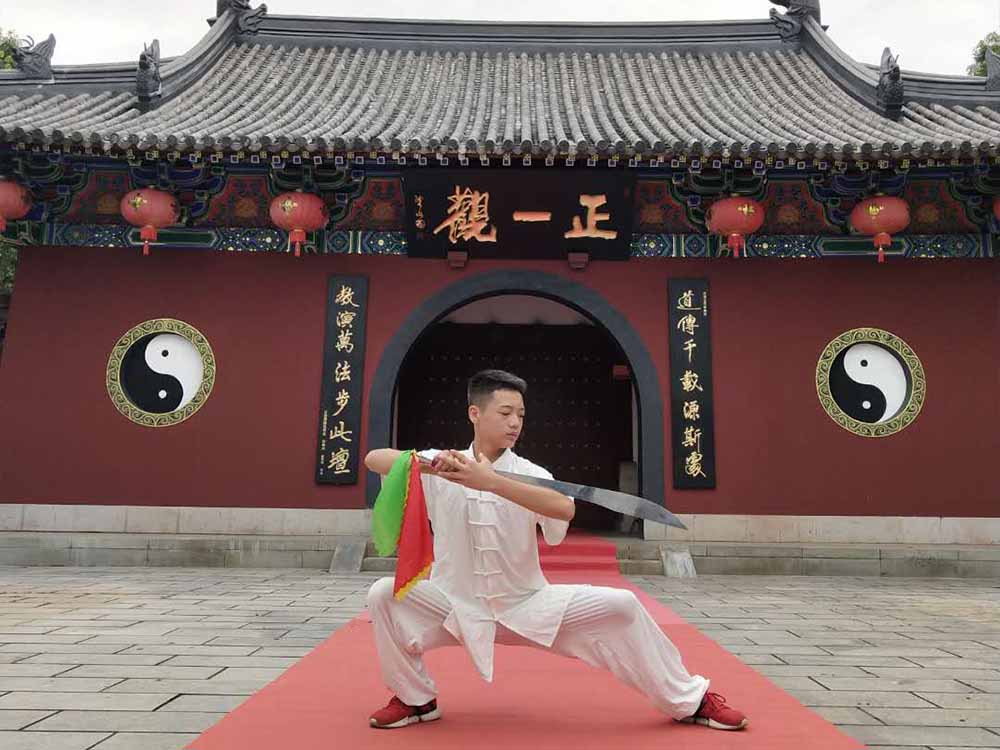
Common mistakes when treating the practice as only one thing
Calling it only exercise. This misses martial structure, cultural context, and attention training. Choose this narrow view only if gentle movement is your sole purpose.
Calling it only combat. This can make a student rush through form work and ignore patience, breathing, and listening. Martial skills need calm control, not aggression.
Chasing relaxation immediately. Beginners may feel effort in the legs or confusion in coordination. Relaxation in this art means reducing unnecessary tension, not becoming limp.
Copying advanced movements too early. Low stances, jumps, or fast releases can look impressive but may hide poor alignment. Start with a range of motion you can control.
Expecting one lesson to answer every question. Traditional arts reveal their logic through repeated practice. Keep notes after class and ask one precise question at your next session.
The balanced answer is simple. This art is a martial system practiced through calm, connected movement. It can also support mindful attention and gentle physical training when taught with care. You do not need to choose between fighting purpose and moving meditation before you begin. You only need to know what you hope to study first, and remain open to the other parts of the practice as your understanding grows.
For students seeking a longer period of focused study, one month Kung Fu Course options can provide time for form correction, standing practice, cultural visits, and a more settled daily training rhythm.
Ask SJF Kung Fu School about Tai Chi training and share your current experience, available study time, and main reason for beginning.
===




 WhatsApp