Learn Kung Fu China School Vetting Guide
Before you submit an application, ask a simple question: will this school give you regular teaching, direct correction, and a respectful place to train? The answer matters more than a polished gallery or a dramatic promise. Students who hope to Learn Kung Fu China should look beyond photographs and choose a school whose teaching life can be understood clearly before arrival. At SJF Kung Fu School, students can explore a setting built around traditional martial arts practice, daily discipline, and cultural study near the Shaolin Temple.
Kung Fu is not only a collection of forms. It is the practice of posture, attention, restraint, timing, and Wu De, the martial virtue that guides how skill is used. A good school application is therefore not merely a travel decision. It is an agreement to enter a training community with an open mind, realistic expectations, and care for the people teaching you.
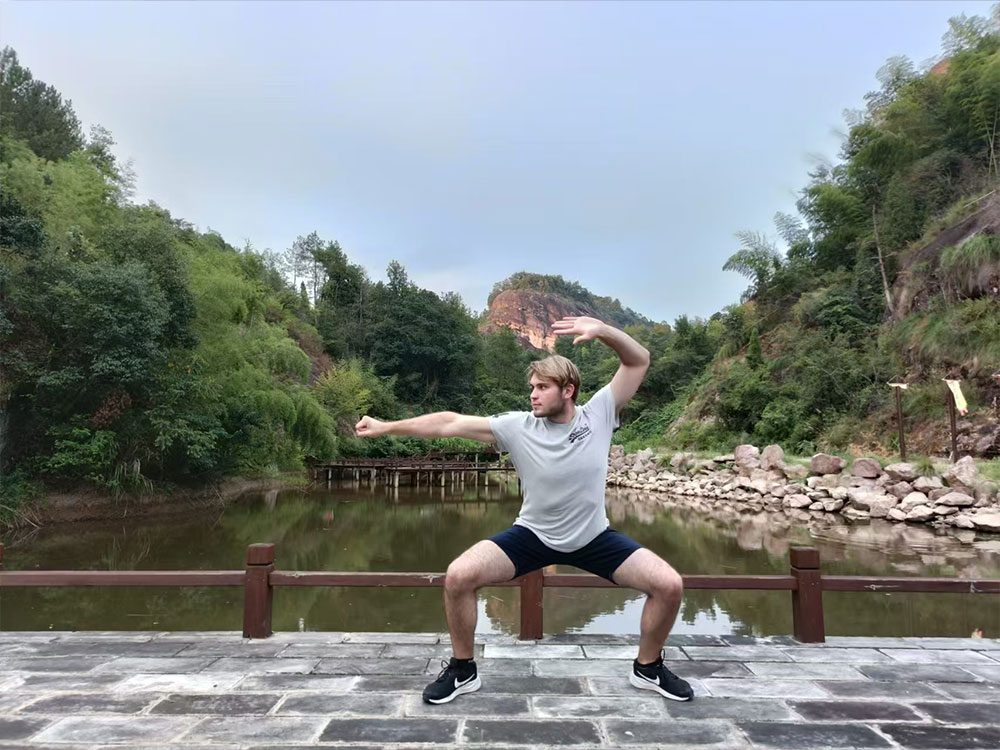
Start with the school’s teaching lineage and stated training purpose
Conclusion: Choose a school that can plainly explain what it teaches, who teaches it, and how its martial tradition is passed on. This matters because different schools may focus on forms, combat training, health practice, meditation, weapons, or a combination of these areas. A student seeking quiet Tai Chi practice may not want the same timetable as someone preparing for San Da conditioning.
Lineage is not a decoration for a website. In Chinese martial arts, it identifies the teacher’s source of study and the responsibility carried with that transmission. Ask whether the school explains its principal instructor’s training background in direct, understandable language. You do not need a long family tree. You do need enough information to see whether the school respects the roots of what it teaches.
SJF Kung Fu School is led by Master Shen Jiangfei, a descendant of Liuhe Quan and the 11th generation inheritor of Chen style Tai Chi. Chen style Tai Chi is the original and oldest of the five primary Tai Chi family styles. This information helps prospective students understand the school’s connection to internal training methods, including body alignment, relaxed strength, spiraling movement, breath awareness, and standing practice.
Questions to ask before applying
Which systems are taught regularly? Look for clear references to disciplines such as Shaolin Quan, Tai Chi, Qi Gong, Zhan Zhuang, San Da, Qin Na, Ge Dou, Chinese Weapon practice, and Meditation.
Who leads the training? Confirm whether named instructors teach classes and whether their background is stated.
What is the school’s purpose? A serious program should describe whether it serves beginners, long term students, cultural learners, or combat focused practitioners.
How are corrections given? Kung Fu training depends on feedback. A student needs more than a demonstration from across the room.
This check is especially useful for applicants who already study a martial art and want continuity rather than random exposure to many styles. It has limits: a clearly stated lineage does not, by itself, tell you whether a course suits your fitness level, available time, or learning goals. Use it as the first screen, then examine the weekly training structure.
Compare published weekly timetables, instructor access, and class sizes
Conclusion: Compare published weekly timetables, instructor access, and class sizes to identify schools offering consistent hands-on training. These three checks reveal whether a school can support steady practice after the first enthusiastic day.
A timetable shows whether training is a regular part of school life or only an occasional activity. Instructor access shows whether students can receive correction in stance, breathing, form sequence, and partner work. Class size affects how much of that correction is possible. None of these items should be judged alone.
| Check item | Why it matters | What to request | When this check has limits |
|---|
| Published weekly timetable | A visible schedule shows how training, rest, meals, cultural visits, and personal practice fit together. | Ask for a current sample week for your intended course length. | Seasonal events and public holidays may alter individual days. |
| Instructor access | Direct correction helps prevent habits such as raised shoulders, collapsed knees, rushed breathing, or poor weapon handling. | Ask who leads each class and when students can ask questions. | Access may differ between regular classes, private lessons, and large group bookings. |
| Class sizes | Smaller working groups can make hands-on correction easier, particularly for beginners and partner drills. | Ask about the expected class size during your chosen dates. | Numbers can change with seasonal attendance, so request the likely range rather than a fixed promise. |
The risk behind an unclear timetable is simple: you may arrive with one expectation and find a very different rhythm. For a one week visitor, this can leave little time to settle into training. For a three month student, it can make progress difficult to measure. A school should be able to explain the usual pattern without relying on vague language.
At SJF Kung Fu School, regular classes have no minimum enrollment, while group bookings require at least two students. This is useful for individual applicants who do not want to postpone plans while waiting for a larger group. It does not mean every class will have the same number of participants; ask about your dates and chosen subject before applying.
For a student considering practical striking and partner work, review the structure of San Da training before deciding. For someone focused on sensitivity, joint control, and close range study, ask whether the course includes the teaching approach used in Qin Na training. The best choice is the one that matches your reason for coming to China, not the one with the longest list of activities.
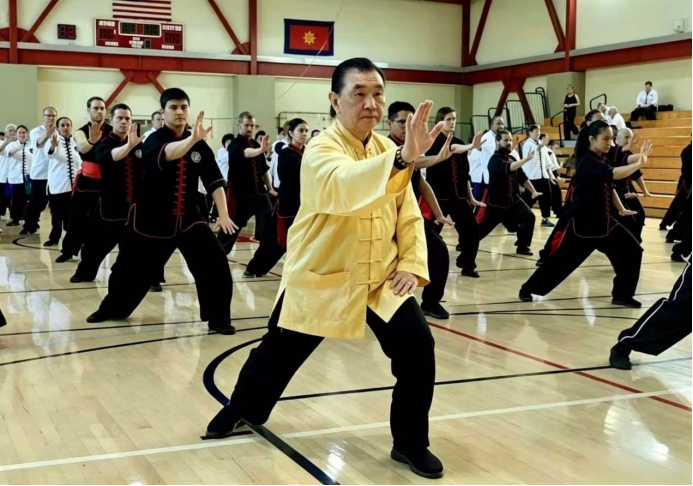
Examine the training environment for year round practice
Conclusion: Confirm where training takes place and whether the school has a suitable indoor option. Martial study requires repetition, and repetition is easier when weather does not decide whether a class can continue.
Ask for photographs or a live video view of the main practice areas. Look for clean training mats, enough room to move safely, suitable equipment for the subjects offered, and a space where quiet work can take place. A student learning a staff form needs room for controlled movement. A student practicing Zhan Zhuang needs a calm place to stand without interruption. Meditation benefits from a setting where silence is treated as part of training rather than an empty interval between activities.
SJF Kung Fu School has a 200 square metre indoor training center for year round practice. Its facilities include indoor mats, wooden dummies, traditional weapons, and a meditation hall. For applicants coming during colder or wetter periods, this is a practical strength because training can continue indoors. The limit is equally practical: an indoor hall does not replace outdoor walking, local cultural visits, or the experience of training in changing natural conditions. Ask how both settings are used during your stay.
Use this inspection list when reviewing school materials
Can you identify the main indoor training area?
Does the school show equipment relevant to your selected subject?
Is there an appropriate place for weapon safety and partner distance?
Is a quiet practice space available for Qi Gong, Zhan Zhuang, or Meditation?
Can the school explain what happens when weather changes the day’s plan?
This inspection is most valuable for students booking longer stays, families travelling together, and beginners who need a stable rhythm while their bodies adapt. It is less decisive for a visitor whose aim is mainly sightseeing with a few introductory sessions. Even then, clear facilities remain a sign that the school has considered the daily needs of students.
Match the course length to your actual learning goal
Conclusion: Select course length according to the depth of study you can sustain, not according to an imagined ideal. A short course can introduce a method and establish a personal practice. A longer stay allows more time for correction, repetition, recovery, and reflection.
Traditional martial arts are often learned in layers. First, a student notices the shape of a stance. Then they feel where weight settles through the feet. Later, they learn how the waist guides the limbs and how the breath becomes quieter under effort. Rushing through many forms can hide these foundations. A suitable program gives you time to return to basic work without embarrassment.
| Course option | Best fit | Practical focus before applying | When to choose another option |
|---|
| One Week Kung Fu Course | First time visitors with limited leave | Choose one or two priorities, such as Tai Chi basics and cultural visits. | Choose a longer stay if you want sustained form correction or a conditioning routine. |
| One Month Kung Fu Course | Students seeking a stable daily rhythm | Discuss your current ability, recovery needs, and preferred disciplines. | Choose a shorter option if work or family commitments make daily practice unrealistic. |
| Three Month Course | Students ready for deeper repetition and personal discipline | Set a narrow study plan, such as Tai Chi, Zhan Zhuang, and one weapon. | Choose a shorter course if you have not yet tested living and training abroad. |
| Long Term Kung Fu Course | Dedicated learners building an extended practice | Ask how goals are reviewed over time and how training changes as skills develop. | It may not suit visitors seeking a brief cultural experience. |
A useful example is Andrew Williams from the USA, who spent 30 days training Tai Chi, Zhan Zhuang, and Dao Fa with his son. He described the experience as life changing for physical, mental, and spiritual strength, and planned to return the following year. This is not a promise that every student will have the same outcome. It does show how a month can give a family time to develop a shared routine beyond a brief introduction.
Applicants who want a more settled period can review the one month Kung Fu Course and prepare questions about training priorities before sending an application. Those interested in extended practice should consider how a Three Month Kung Fu Course might support steady work on form, standing, weapons, or meditation.
Read student experiences for details rather than slogans
Conclusion: Give more weight to student accounts that describe daily care, adjustment, training subjects, and the reason they chose the school. Specific details are more useful than broad praise because they help you picture how the school responds to real people.
For example, Othmane Echaouki and his wife from France completed a seven day Chen style Tai Chi course. They thanked Master Shen for taking good care of the students and said they felt they were in the best conditions. Their account is relevant for couples or short term visitors who value a supportive learning atmosphere.
Klaes Risbjerg Simonsen from Denmark completed 30 days of Tai Chi, Zhan Zhuang, and Broadsword training. He sought a focused experience and reported that Master Shen adapted training to his specific needs. This example may help a student who already has clear interests and wants to discuss them before arrival. It should not be treated as a guarantee of identical instruction, since every student arrives with different movement patterns, goals, and available time.
Hayley Noel from the United Kingdom completed a 120 day course including Tai Chi, Zhan Zhuang, Sword, and Broadsword. Her family shared that she enjoyed her time in China and that they were grateful for the care she received. For families supporting a young adult’s extended stay abroad, this kind of account may prompt useful questions about communication, accommodation, and the balance between training and rest.
SJF Kung Fu School has taught more than 3,000 students worldwide. That history should encourage you to ask informed questions, not to skip them. A respectful school welcomes applicants who want to understand the rhythm of training, the content of a course, and the responsibilities of student life.
Follow a careful application process before making your commitment
Conclusion: Apply after you have written down your purpose, checked the school’s daily structure, and asked focused questions. This approach protects your time and helps instructors prepare training that suits your level.
Name your primary purpose. Decide whether you are seeking Shaolin Quan, Tai Chi, Qi Gong, San Da, Chinese Weapon practice, Meditation, cultural study, or a balanced introduction.
Choose a realistic course length. Consider your fitness, work schedule, travel time, and ability to maintain a daily training rhythm.
Request a sample timetable. Compare training periods, rest periods, instructor access, and cultural activities.
Describe your prior experience honestly. Mention injuries, martial arts background, age related concerns, and any movement restrictions that may affect practice.
Ask about your preferred discipline. A Tai Chi student can review Learn Tai Chi in China, while a student drawn to breath and standing work can examine Chinese Qi Gong.
Confirm practical arrangements in writing. Before travel, keep your course dates, training expectations, and requested information together in one clear record.
The deeper purpose of vetting a school is not suspicion. It is respect. Respect for your body, for the teacher’s time, and for the traditions you hope to study. Good Kung Fu is often quiet at first: a lower stance held with patience, a breath released without force, a correction accepted without pride. The right school gives these small moments room to grow.
View the one month Kung Fu Course and send SJF Kung Fu School your training questions before applying.




 WhatsApp