Quiet Your Mind and Master Meditation in China
What is Chinese Meditation? Unlocking a 4,000-Year-Old Practice
Chinese meditation is not merely a relaxation technique; it is a comprehensive and profound ecosystem of mind-body practices developed over thousands of years within China's philosophical, medical, and martial traditions. Distinct from purely cognitive mindfulness, Chinese meditation traditionally emphasizes the cultivation and balancing of Qi—the body's vital life-force energy. It blends breath regulation, mental visualization, structural posture, and philosophical contemplation. Rather than seeking an empty mind, it aims to harmonize human consciousness with the natural rhythms of the universe. In our modern, high-stress world, this ancient practice offers a powerful framework for achieving mental clarity, deep stress reduction, and lasting longevity. At SJF Kungfu School, we teach this art in its authentic form, connecting you to a tradition that has been refined for millennia.
The Unique Features That Define Chinese Meditation
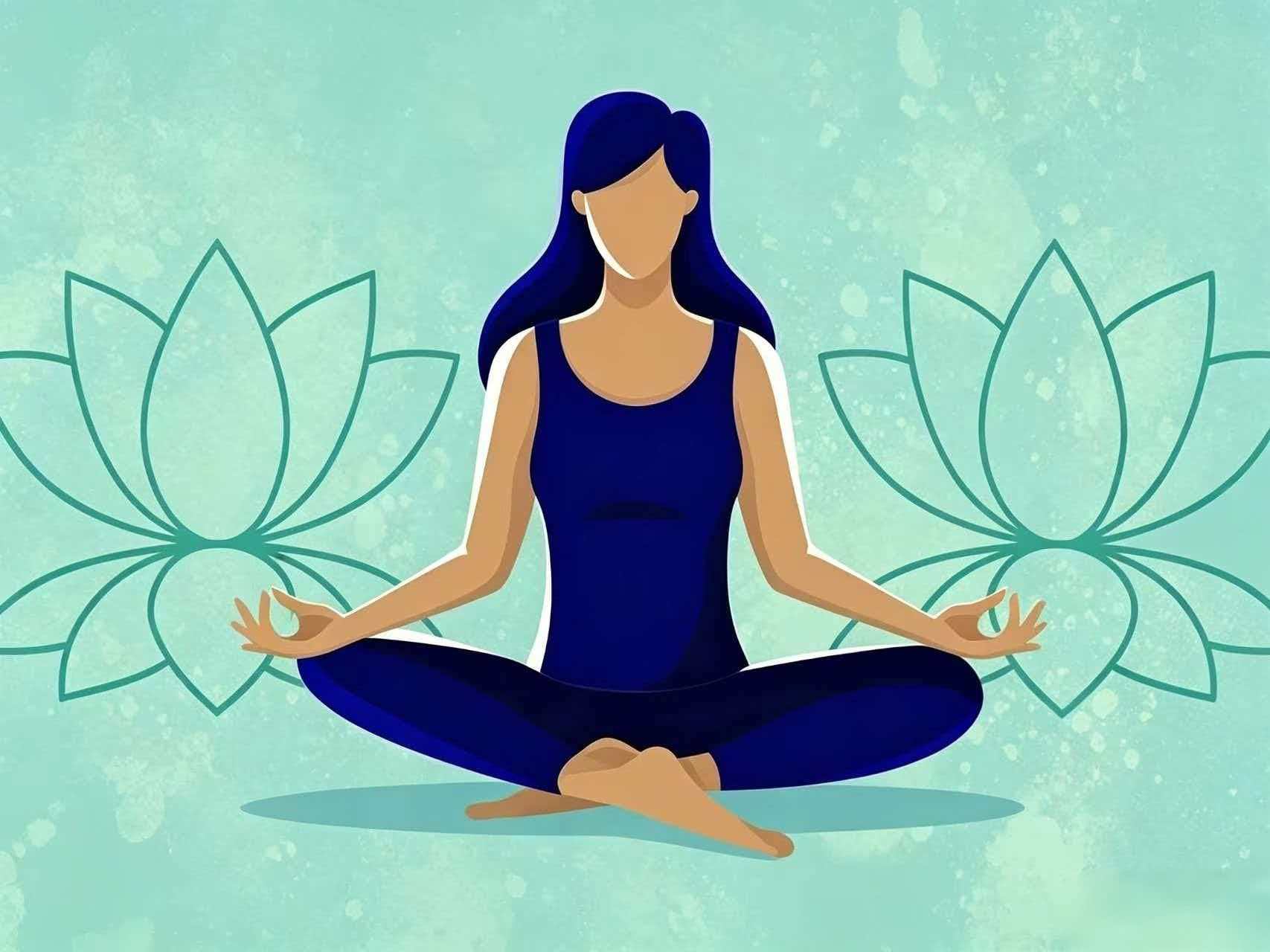
Chinese meditation is characterized by specific structural and energetic principles that set it apart from other global contemplative traditions. A defining feature is the dual cultivation of Xing and Ming, which represents the simultaneous training of the mind (nature) and the physical body (life-force). It relies heavily on the concept of Tuina and Tiaoxi, the precise, intentional regulation of the breath to serve as a bridge between conscious thought and unconscious physiological states. Another central feature is the activation of the Dantian, the primary energetic center located below the navel, which acts as the physical and metaphorical anchor point for all focus and energy gathering. Finally, Chinese meditation features a fluid spectrum of states, seamlessly transitioning between absolute seated quietude and moving meditation where mindfulness is maintained through physical action. This holistic approach makes it a complete system for personal development.
A Journey Through Time: The History of Chinese Meditation
The evolution of Chinese meditation is a multi-millennial journey shaped by the interweaving of three major rivers of thought: Daoism, Confucianism, and Buddhism, collectively known as the Three Teachings. The earliest indigenous forms emerged from ancient shamanic roots and early Daoist philosophy, focusing on returning to a state of primal simplicity and natural alignment, as described in the writings of Laozi and Zhuangzi. Confucian scholars developed their own quiet-sitting practices, known as Jingzuo, to cultivate moral integrity, emotional balance, and intellectual clarity. In the first century, the arrival of Buddhism from India introduced highly structured analytical mindfulness and concentration techniques, which eventually merged with Daoist naturalism to birth Chan Buddhism, the direct ancestor of Zen. In the modern era, these classical streams were synthesized with modern healthcare science, creating the accessible, non-religious health Qigong and secular mindfulness systems practiced across the globe today, making the wisdom of the ancients available to everyone.
The Science of Stillness: How Does Chinese Meditation Work?
Chinese meditation functions by systematically rebalancing the body's internal homeostasis through a combination of classical energetic mapping and modern neurobiological mechanisms. From the traditional perspective, the practice works by regulating the flow of Qi through the meridian network. Stress, poor posture, and emotional repression cause this vital energy to stagnate, leading to physical illness and mental distress. By aligning the physical frame and deepening the breath, meditation removes these blockages, allowing energy to circulate freely, nourishing the internal organs and calming the emotional mind. From the modern medical perspective, Western science validates this process through the lens of nervous system regulation. The deep, diaphragmatic breathing patterns utilized in Chinese meditation stimulate the vagus nerve, initiating an immediate shift from the sympathetic "fight" response to the parasympathetic "rest" response. This shifts brainwave activity from high-stress Beta waves into calm, creative Alpha and deep Theta waves, reducing blood pressure, lowering heart rate, and halting the secretion of chronic inflammatory hormones. This powerful blend of ancient and modern understanding confirms the profound efficacy of the practice.
The Powerful Benefits: What Meditation Can Do for You
The benefits of regular meditation practice are both immediate and life-changing. First is profound stress reduction; meditation decreases amygdala reactivity and down-regulates cortisol levels, actively halting the body's acute stress response and creating deep psychological calm and lasting emotional stability. You will also experience sharper focus; by quieting the brain's default mode network, the practice expands working memory capacity, enhancing daily attention span, minimizing workplace distractions, and improving decision-making efficiency. Emotional resilience is another key benefit; regular practice thickens the prefrontal cortex, which governs emotional regulation, helping professionals observe negative thoughts objectively, manage intense behavioral triggers, and resolve workplace conflicts calmly. Finally, it enhances physical vitality; meditation strongly triggers the parasympathetic nervous system, dropping elevated blood pressure, reducing systemic inflammation, optimizing long-term immune function, and eliminating chronic occupational fatigue. These scientifically validated benefits make meditation an essential tool for modern life.
Why Learn Chinese Meditation? A Holistic Path to Wellness
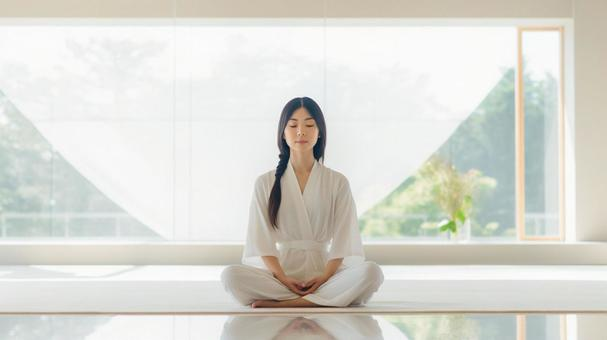
Adopting Chinese meditation provides powerful, holistic advantages for navigating the fast-paced demands of modern professional and personal life. It provides an all-in-one approach to wellness, addressing physical posture, respiratory health, and emotional regulation simultaneously rather than treating the mind in isolation from the body. It builds exceptional emotional resilience, teaching practitioners how to cultivate an internal state of inner peace that remains undisturbed by external workplace chaos or chaotic environmental changes. The practice actively improves physical vitality, using specific breath-retention and circulation techniques to maximize blood oxygenation, boost immune defense, and combat chronic occupational fatigue. Additionally, its immense variety of styles offers extreme flexibility, meaning that whether you prefer silent seated stillness, active standing, or flowing movement, there is a specific Chinese meditative pathway that fits your personality and lifestyle. It is a practice that adapts to you, not the other way around.
A Step-by-Step Guide: How to Master Chinese Meditation
Mastering this ancient internal art requires a patient, layered approach that moves from external physical refinement to internal mental quietude. The first phase is to adjust the physical vehicle: sit comfortably with a straight, upright spine, drop your shoulders completely, tuck your chin slightly to elongate the neck, and place your tongue lightly against the roof of your mouth to connect the body's primary energetic pathways. The second phase is to regulate the breath to a natural rhythm: allow your breath to become slow, long, deep, and silent, focusing on the natural rise and fall of the lower abdomen without using muscular force or creating chest tension. The third phase involves anchoring the mind to the lower Dantian: gently rest your attention in the space behind your navel, using this internal center as a gravity well to collect your scattered thoughts and pull your awareness away from external distractions. The final phase is to cultivate effortless continuity: avoid forcing your mind to be still or fighting with passing thoughts; instead, simply observe them like clouds passing in the sky, maintaining your daily practice for at least fifteen minutes to allow the natural state of internal clarity to reveal itself.
Meditation in Motion: The Moving Meditation of Tai Chi and Qigong
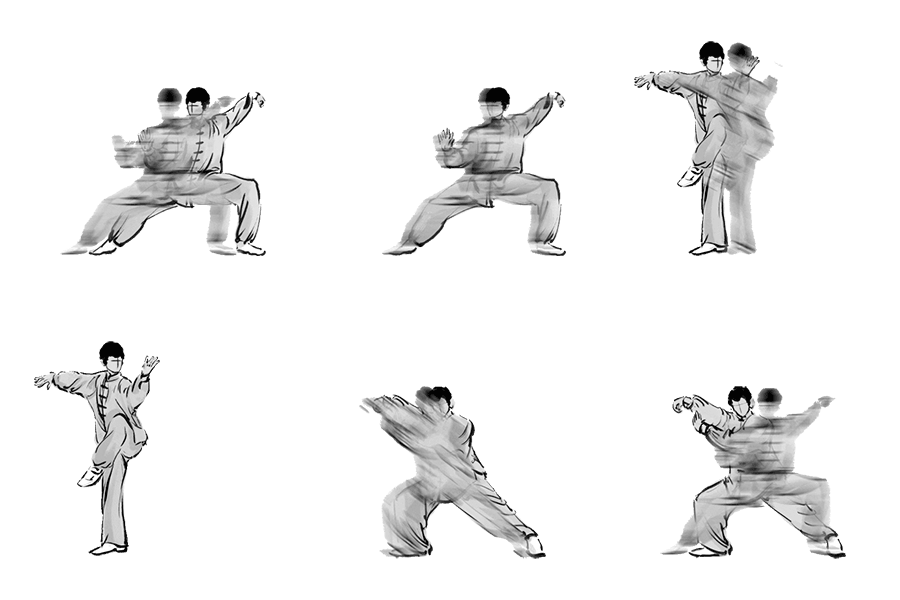
While seated meditation is a cornerstone of the practice, Chinese tradition also emphasizes meditation in motion, exemplified by arts like Tai Chi and Qigong. These practices are considered "moving meditations" because the same principles of breath regulation, mental focus, and energy cultivation are maintained while the body flows through a series of gentle, choreographed movements. In Tai Chi, each posture transitions into the next with a focus on internal awareness, making the entire form a moving meditation that enhances balance, flexibility, and strength while calming the mind. Qigong, similarly, uses coordinated movements to open the body's energy pathways and cultivate Qi. This dynamic aspect of Chinese meditation is particularly appealing to those who find stillness challenging, offering a powerful alternative that integrates the benefits of physical exercise with profound mental training.
Chinese Meditation as a Complement to Martial Arts
For martial artists, meditation is not a separate, optional activity but an indispensable foundation for true mastery. The practice develops the internal power (Neijin) that distinguishes a skilled martial artist from a mere athlete. By learning to quiet the mind and focus the intent (Yi), a practitioner can move with greater speed, precision, and efficiency. Meditation cultivates the ability to remain calm and centered under pressure, a crucial skill in any combat or self-defense situation. Furthermore, the deep relaxation and heightened body awareness gained through meditation allows for the release of unnecessary tension, making movements more powerful and conserving energy. Integrating meditation into martial arts training, as we do at SJF Kungfu School, leads to a more holistic, effective, and profound martial journey.
Start Your Meditation Journey at SJF Kungfu School
For those ready to experience the profound benefits of authentic Chinese meditation firsthand, the SJF Kungfu School offers the ideal environment to begin your journey. Located in the serene and beautiful countryside of Jincheng, Shanxi Province, our school is dedicated to providing authentic, immersive training in traditional Chinese arts, including Qigong, Zhan Zhuang, and seated meditation. Under the expert guidance of our experienced masters, who are steeped in the lineage of these practices, you will learn the correct postures, understand the underlying principles, and receive personalized corrections to accelerate your progress. Our comprehensive programs allow you to learn meditation alongside other disciplines like Taichi and Shaolin Quan, offering a holistic martial arts education. Our peaceful campus, complete with a dedicated meditation garden, provides the perfect retreat from the distractions of modern life, allowing you to focus fully on your practice and achieve deep, lasting change. We welcome students of all levels, from complete beginners to advanced practitioners, with flexible programs ranging from one week to several months. By choosing SJF Kungfu School, you are not just learning a technique; you are immersing yourself in a transformative experience that connects you to an ancient, living tradition in its authentic setting. We invite you to join our global community of learners and discover the profound power of a still mind.




 WhatsApp