Why Martial Arts Progress Never Follows a Straight Line:Real Training Curve Explained
Many new martial arts beginners assume that as long as they attend classes weekly and practice regularly, their progress will rise steadily like climbing a staircase.
But real kung fu training is never a straight line. It's more like a wave---full of plateau phases, the tedium of repeatedly correcting techniques, and breakthroughs that often feel like setbacks before they become leaps forward.
This gap between "imagined learning" and "real-world practice" is where most people give up---and also where those who truly master kung fu must learn to cross.
And this is exactly what we see---and what we excel at guiding students through---atSJF Kung Fu School. We don't help you skip the tough stretches; we help you read the direction within them, and turn every dip into the launchpad for your next rise.
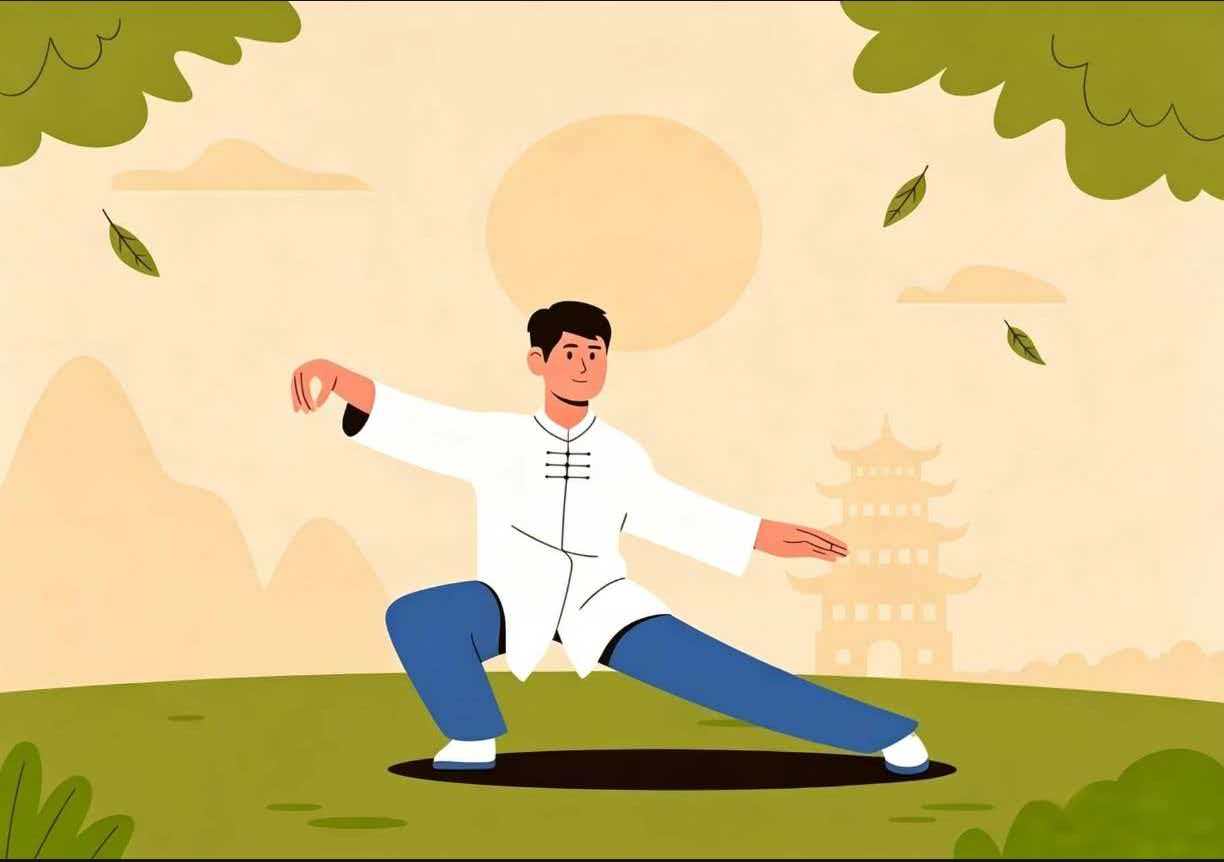
Why Most Beginners Get the Learning Curve Wrong?
When people first sign up for martial arts lessons, most picture a simple growth path: attend structured kung fu classes, complete daily practice, get continuous improvement, and finally master combat techniques smoothly. This ideal linear progress curve looks logical and encouraging, yet it hardly matches real training experience for almost all practitioners.
Actual martial arts development is a winding journey with constant ups and downs. You may feel you have mastered a movement after one class, then discover your posture is completely wrong during solo drills. You can achieve a short-term breakthrough after sparring sessions, only to get stuck in a tough bottleneck weeks later. Understanding this unique training curve will reduce frustration, build long-term persistence, and speed up your overall kung fu progress.
The Ideal Martial Arts Learning Curve Most Beginners Imagine
The imagined learning route consists of three straightforward stages: taking martial arts classes → consistent daily practice → full mastery of techniques.
New students watch instructors demonstrate stances, punches, kicks and routines during group lessons. They repeat movements in class, then do basic training at home. They naturally believe steady repetition will bring steady improvement.
This mindset is understandable for total beginners. Outside of combat sports, most school knowledge, vocational skills have relatively predictable linear improvement: the more time you invest, the higher proficiency you gain. But martial arts combine physical coordination, breathing control, power generation, distance judgment, reflexes and combat mindset. Pure repetitive practice cannot create stable progress automatically, which leads to the gap between expectation and real results.
The Real Wave-Shaped Progress Curve of Martial Arts Training
Real kung fu improvement moves in repeated cycles of temporary progress, setbacks and breakthroughs, with these typical stages:
Initial class and false mastery
After finishing the first few martial arts lessons, learners can copy the general shape of movements, and easily think they have already grasped the techniques. Once they practice alone, or train with partners, obvious flaws appear: wrong foot placement, stiff torso, incorrect arm trajectory. The whole movement loses practical power even if it visually looks similar. Trainees have to go back to basic posture adjustment to fix foundational mistakes.
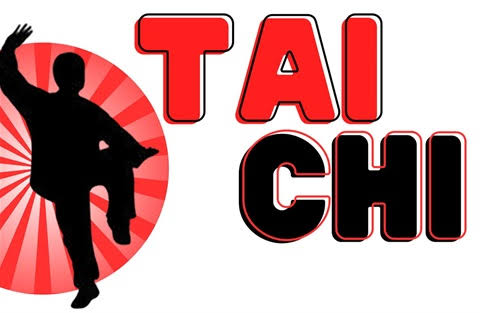
Repeated classes, independent practice and sparring drills
Students attend more courses to correct technical errors, then arrange regular sparring sessions with training partners. Another common obstacle emerges here: you can perform movements perfectly during slow solo practice, but you cannot release proper striking power under real combat pressure. Your muscle memory built in static practice fails to work in dynamic scenarios. You need hundreds more rounds of targeted drills to rebuild your power generation habits.
Technical breakthrough followed by new bottlenecks
After long rounds of adjustment, you finally achieve a clear technical breakthrough: your stance, movement rhythm and power output become far more cohesive. Many practitioners celebrate this milestone, only to hit another severe bottleneck soon afterward. Old movement patterns stop supporting further improvement; your past training habits even restrict your potential. Your performance may decline temporarily, making you feel you are getting worse despite hard work.
Long adjustment, deep comprehension and final mastery
The bottleneck phase requires lengthy trial and error. You need to abandon outdated movement logic, absorb new training theories, adjust body mechanics repeatedly. Once you survive this low period, you gain deeper practical understanding of martial arts. You will go through multiple cycles of bottleneck and comprehension before you can truly master skills for actual self-defense and routine performance.
Key Reasons Behind Volatile Martial Arts Progress
Complex physical requirements: Martial arts demand synergy of legs, core, shoulders and breath. Small flaws in one body part will reduce overall technique efficiency, requiring repeated revision.
Difference between form and application: Routine practice and live sparring are two separate skills. Muscle memory formed in static training cannot transfer directly to dynamic combat.
Mindset adaptation: When facing bottlenecks, many trainees feel discouraged and reduce training frequency. Mental resistance slows physical improvement further. Temporary performance drops are necessary for eliminating old bad habits and making room for advanced techniques.
How Should Trainees Navigate This Progress Curve?
Set long-term expectations instead of chasing weekly linear improvement. Accept temporary regression as normal training progress.
Ask coaches for feedback regularly when you enter bottleneck periods; professional guidance greatly shortens adjustment duration.
Combine solo form practice, technical drilling and controlled sparring to build comprehensive martial arts ability.
Track progress across months rather than single weeks. Short-term setbacks will become long-term strength accumulation over time.
Conclusion
Straight-line skill growth only exists in beginner imagination. Real martial arts mastery is forged through countless falls, corrections, breakthroughs and bottlenecks. When you understand this natural training curve, you will no longer feel defeated by temporary stagnation. Every tough adjustment period lays the foundation for your next major leap in kung fu ability.
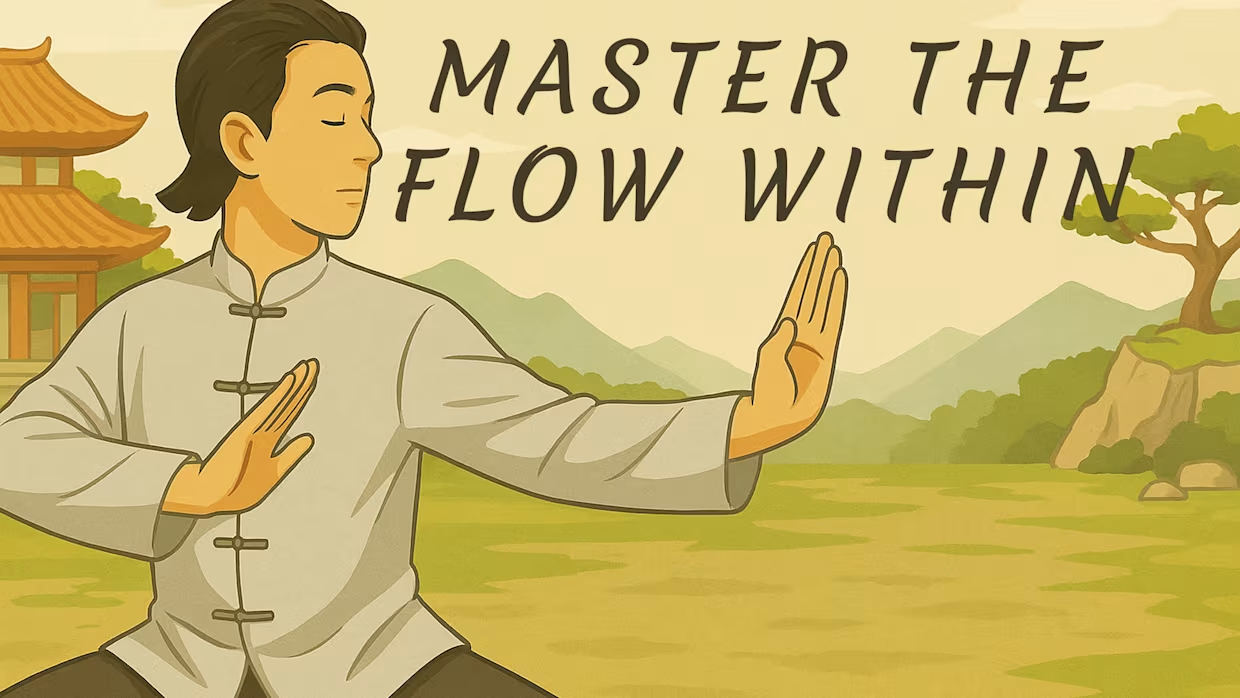
Why SJF Kung Fu School?
At SJF Kung Fu School, we don't promise a smooth staircase to success---because we know it doesn't exist. Instead, we offer training rooted in the real ups and downs of martial arts. Our coaches guide you through every plateau, every frustrating correction, and every moment when progress feels out of reach. We help you tell the difference between "feeling stuck" and "truly going backward," and show you how to turn each low point into fuel for your next breakthrough. Whether you're a beginner or a seasoned student, we walk with you through every dip and rise of your journey. Come train with us---and learn not just how to fight, but how to grow.
FAQs
How long does it usually take to see real progress in kung fu?
It depends. If you mean memorizing movements, you'll see that in weeks. But real progress---the kind that works in sparring---usually takes 6 to 12 months for the first solid breakthrough. Everyone moves at their own pace, and that's normal.
I've been training for months and feel like I'm getting worse. Is something wrong?
No. That feeling often means you're breaking down old habits to make room for better technique. Performance often dips before it rises---like renovating a house, it gets messier before it gets better. Trust the process.
How do I know if I'm stuck in a plateau or just not training hard enough?
If you're training consistently but seeing no improvement over time, that's a plateau. If you're barely showing up, that's not a plateau---that's lack of practice. A plateau means you need to change your approach, not just train more.
Why can I perform moves perfectly in class but fail during sparring?
Because class practice and sparring are different skills. In class, there's no pressure. In sparring, your body has to react in real time. Static muscle memory doesn't transfer automatically to dynamic situations---it takes targeted practice to bridge the gap.
Is it normal to feel discouraged during training?
Yes. Every martial artist goes through doubt and frustration. The difference is that experienced ones don't quit---they ask for help and keep showing up. The tough days aren't a sign to walk away; they're just part of the journey.




 WhatsApp