Adult Kung Fu Training: What to Ask Before You Commit
Choosing to begin your adult Kung Fu training is a profound decision. It is not merely about learning to fight; it is about cultivating discipline, strengthening the spirit, and connecting with a deep cultural heritage. However, committing to a school, especially one abroad, carries a significant risk: choosing a place that offers a superficial, tourist-oriented experience instead of an authentic path of study. The wrong choice can lead to disappointment and wasted time. The right questions, however, illuminate the path to a truly transformative experience.
Before you book your flight or enroll in a program, understanding the core principles of a school is essential. This guide, written from my two decades of teaching experience, will help you ask the right questions to find a school that honors the traditions of Chinese martial arts and respects your personal goals as a student.
The Soul of the Art: Lineage and Authenticity
In traditional Chinese martial arts, lineage is not about prestige; it is about preservation. An instructor's connection to a verifiable line of masters ensures that the art's core principles, philosophies, and subtle techniques have been passed down intact. A school without a clear lineage may teach movements, but it often misses the internal substance—the qi (energy), the shen (spirit), and the wu de (martial virtue) that define true Kung Fu.
As the 11th-generation inheritor of Chen-style Tai Chi and a descendant of Liuhe Quan, I have a duty to transmit these arts as they were taught to me. This responsibility is at the heart of SJF Kung Fu School. When you evaluate a potential school, ask these questions:
Who is the head instructor (Shifu) and what is their lineage? A genuine master will be open about their teachers and their martial arts history. Our school is founded on this transparency.
-
Training in a concrete building in a busy city is one thing. Training in a place surrounded by history is another. Our school is situated near the legendary Shaolin Temple and over 30 other cultural and historical sites, allowing students to immerse themselves in the cradle of Chinese martial arts.
-
Many modern schools focus on acrobatic forms for competition. A traditional school emphasizes the cultivation of mind, body, and spirit, where the physical movements are an expression of internal development.
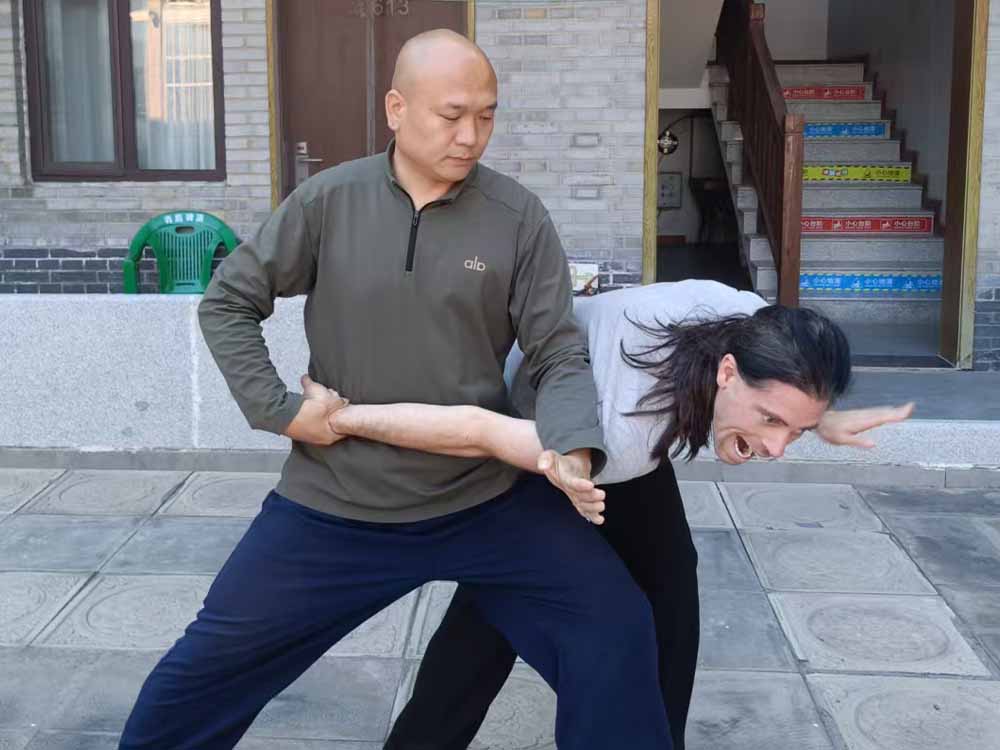
Authenticity is a feeling. It is in the air, in the dedication of the teachers, and in the shared focus of the students. As Pamela Paes Ezawa from Brazil shared after her course, she loved the "authentic, traditional training environment" and the welcoming community. This is the atmosphere we strive to create.
Evaluating the Training Environment and Curriculum
The physical space and the structure of the curriculum are practical matters that directly impact your progress. A well-equipped school shows a serious commitment to its students' training. Our 200㎡ indoor training center ensures that practice continues year-round, regardless of weather, providing a consistent and focused environment with traditional equipment like wooden dummies and a wide array of training weapons.
More importantly, the curriculum should be deep and flexible enough to meet diverse student goals. With over 3,000 students from around the world, we understand that each person comes with a different intention. Some seek physical health, others practical self-defense, and many a path to inner peace. A quality school should offer a curriculum that can be adapted to these needs.
Consider what you want to achieve and see if the school's offerings align. Here is a breakdown of common goals and the styles that support them:
| Your Primary Goal | Recommended Styles | Description & Focus |
|---|
| Health, Longevity & Stress Reduction | Learn Tai Chi in China, Qi Gong, Zhan Zhuang | These internal arts focus on cultivating life force (qi), improving circulation, and calming the mind. They build strength from the inside out and are excellent for all ages. |
| Practical Self-Defense & Combat Skills | San Da (Chinese Kickboxing), Qin Na (Joint Locking), Ge Dou | These styles are direct and effective. They teach striking, grappling, and control techniques for real-world application, building confidence and physical conditioning. |
| Traditional Forms & Cultural Heritage | Shaolin Quan, Traditional Chinese Weapon | Learn the foundational art of the Shaolin Temple. This training develops power, flexibility, and coordination while connecting you to centuries of martial history. |
| Mental Clarity & Spiritual Growth | Meditation, Zhan Zhuang (Standing Post) | These practices are the bedrock of internal martial arts. They quiet the mind, build immense internal strength, and develop a profound sense of presence and awareness. |
Frequently Asked Questions for Prospective Adult Students
It is natural to have questions and doubts before starting a new physical and mental discipline, especially as an adult. Here are direct answers to the most common concerns we hear from prospective students.
Can adults start kung fu with no experience?
Absolutely. The vast majority of our students are complete beginners. A good school does not expect you to arrive with existing skills; it expects you to arrive with an open mind and a willingness to learn. Our curriculum is designed to build a strong foundation from the very beginning, focusing on posture, breathing, and basic movements before progressing to more complex forms and techniques. We welcome students of all backgrounds to our Chinese Kung Fu School.
What is the typical age range for students?
We have trained students from teenagers to individuals in their 60s and 70s. The beauty of traditional Chinese martial arts, particularly internal styles like Tai Chi and Qi Gong, is that they can be adapted to any age and physical condition. The focus is on personal progress, not on competing with others. Andrew Williams from the USA, for example, had a "life-changing experience" training with his son for 30 days.
How do you ensure safety during training?
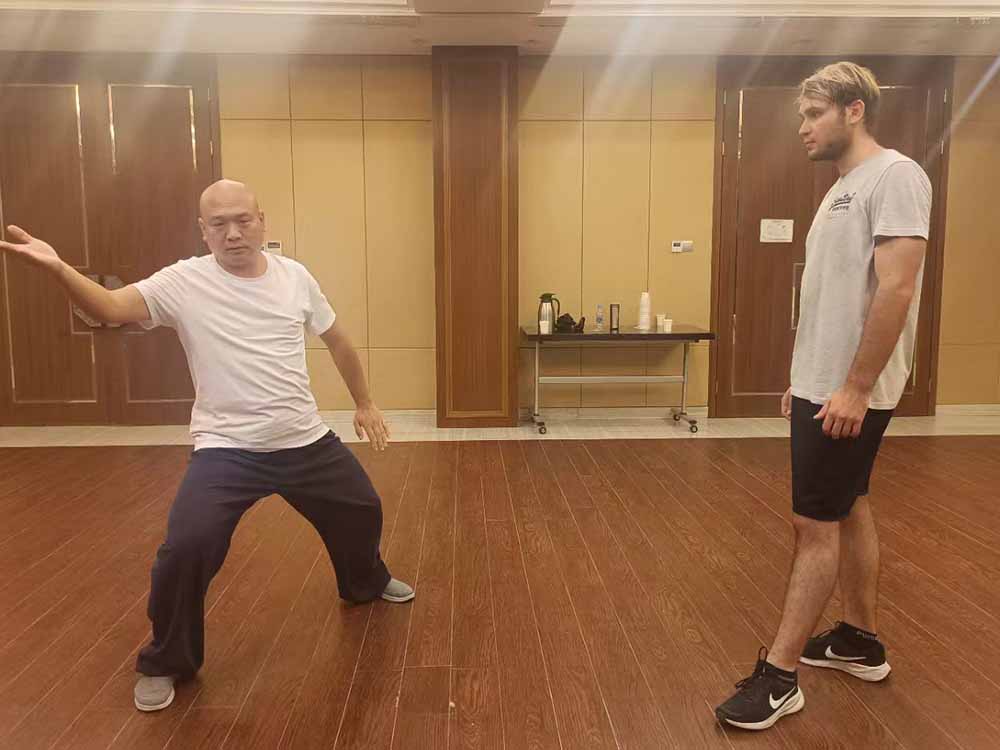
Safety is our first priority. Training is progressive, meaning you will never be asked to perform a technique you are not physically prepared for. We emphasize controlled, precise movements and partner drills are conducted under close supervision. The foundation of our teaching is building body awareness, which is the greatest tool for preventing injury.
How flexible are the training schedules?
We offer everything from a One Week Kung Fu Course for those wanting an intensive immersion to long-term programs lasting a year or more. We understand that students have different time commitments. When you ask, "how often should adults train kung fu," the answer depends on your goals. For deep immersion, daily training is best. For maintenance at home, 3-4 times a week is effective. Our programs are structured for focused, daily practice while you are here.
What kind of progress can I expect in a short course?
While mastery takes years, significant progress is achievable even in a short time. In a one-week course, you can expect to learn a complete beginner's form, understand fundamental body mechanics, and develop a foundational daily practice for meditation or Qi Gong. Othmane from France, who completed a 7-day course, felt he and his wife were "in the best conditions" and gained a strong base. The goal of a short course is to give you the tools and understanding to continue your practice long after you leave.
A Checklist for Choosing Your Kung Fu School
To make your decision process clearer, use this checklist when communicating with potential schools. The quality and transparency of their answers will reveal much about their character.
Instructor's Credentials: Is the head instructor's lineage clear and verifiable? How many years have they been teaching international students?
Curriculum Focus: Does the school specialize in one art or offer multiple styles? Do they explain how each style benefits the student?
Training Facilities: Are there dedicated indoor and outdoor training areas? Is traditional equipment available?
Program Flexibility: Do they offer both short-term and long-term programs to accommodate different schedules and budgets?
Student Testimonials: Can they share experiences from past students? Look for detailed, authentic feedback. For instance, Klaes from Denmark chose us because he "wanted an authentic and focused experience—not a touristy resort." Austin from the USA noted honestly that it took time to adjust but that "the master is a great guy that cares for his students."
Beginner Support: How are beginner kung fu classes structured? Is there a clear path for someone with no prior experience?
Cultural Immersion: Does the school offer opportunities to experience local culture beyond the training hall?
Choosing a school is the first step in a long and rewarding practice. By asking these questions, you ensure that your first step is on solid ground, leading you toward genuine growth and a deep connection with the art.
If you are seeking an authentic path to cultivate your mind and body through traditional Chinese martial arts, we welcome your questions. Contact us to discuss your personal training goals.




 WhatsApp