Build a Sustainable One-Month Kung Fu Training Plan
Preparing Your Body and Mind for a Month of Immersion
Deciding to dedicate a month to martial arts training in China is a significant commitment. Many students arrive with great enthusiasm but find the physical and mental demands more intense than expected. The key to a successful experience is not just enduring the training, but structuring it for sustainable growth. A well-prepared student can absorb more, progress faster, and avoid the burnout that can derail their goals. This is about building a foundation before you even step into our school.
As the 11th-generation inheritor of Chen-style Tai Chi and a descendant of Liuhe Quan, I have guided over 3,000 students through this process. I've seen firsthand that the most successful ones begin their preparation at home. Before you join our one month Kung Fu Course, focus on building a baseline of physical conditioning and mental readiness. You do not need to be an elite athlete, but arriving with a foundation will make your first week an introduction to new skills, not a battle against sheer exhaustion.
Use this checklist to assess your readiness:
- Cardiovascular Fitness: Can you sustain 30 minutes of light jogging, cycling, or swimming without excessive fatigue? Daily training involves hours of movement, and a solid aerobic base is essential.
- Basic Strength: Incorporate bodyweight exercises like push-ups, squats, and planks into your routine 3-4 times per week. This prepares your muscles, tendons, and ligaments for the dynamic movements of Kung Fu.
- Flexibility and Mobility: Spend 10-15 minutes daily on basic stretching. Focus on hamstrings, hips, and shoulders. This will not only improve your kicks and stances but also significantly reduce your risk of injury.
- Mental Preparation: Begin a simple daily mindfulness or breathing practice. The mental discipline required for Kung Fu is as important as the physical. Learning to quiet your mind for even five minutes a day builds a powerful tool for focus during training.
- Diet and Hydration: Clean up your diet a few weeks before you leave. Reduce processed foods and sugar, and focus on whole foods. Practice consistent hydration, as you will need it during long training sessions.
How to Structure Your Training Week to Prevent Burnout
A common mistake for eager students during an intensive month is treating every day like a final exam. They push to their absolute limit from day one, leading to deep fatigue or injury by the second week. A smarter approach is to balance intensity, skill work, and recovery. At SJF Kung Fu School, our certified Shaolin Kung Fu instructors help you manage this, but understanding the principles yourself is empowering.
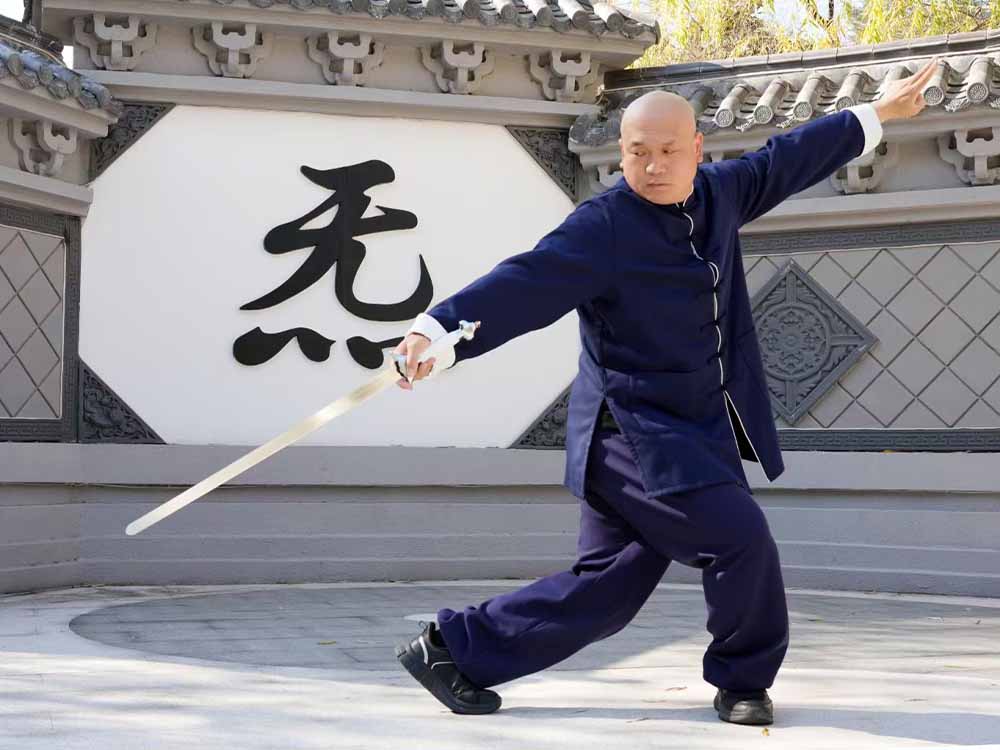
The goal is to periodize your week. You should have high-intensity days, moderate-intensity days focused on technique, and days dedicated to active recovery and internal arts. This allows your body to adapt and grow stronger rather than just break down. Andrew Williams from the USA, who spent 30 days with us, found this balance was key to his "life-changing experience." He trained hard in Tai Chi and Zhan Zhuang but also embraced the rhythm of rest and recovery, which made his training both physically and spiritually strengthening.
Here is a sample framework for structuring your weekly training volume. Adapt it based on how your body feels.
Weekly Training Balance Framework
| Day |
Primary Focus |
Intensity Level |
Mobility & Recovery Work |
Example SJF Activities |
| Monday |
High-Impact Conditioning & Forms |
High |
Evening: 20 mins deep stretching (hamstrings, hips) |
Shaolin Quan basics, San Da drills |
| Tuesday |
Technical Skill & Application |
Moderate |
Morning: 10 mins joint rotations; Evening: Foam rolling |
Qin Na joint locks, weapon forms (Broadsword) |
| Wednesday |
Active Recovery & Internal Arts |
Low |
Full session focused on slow, deliberate movement |
Qi Gong, Zhan Zhuang (standing pile) |
| Thursday |
Power & Explosiveness |
High |
Evening: 20 mins deep stretching (shoulders, back) |
Ge Dou sparring drills, plyometric exercises |
| Friday |
Refinement & Combination Practice |
Moderate |
Morning: 10 mins dynamic stretching; Evening: Light walk |
Linking Shaolin forms, practicing weapon combinations |
| Saturday |
Internal Arts & Philosophy |
Low |
Full session focused on breathwork and energy flow |
Chen-style Tai Chi form, Meditation |
| Sunday |
Rest & Cultural Immersion |
Rest |
Light walking, exploring local sights |
Rest day, visit nearby historical sites |
Listen to your body. If you feel excessive pain (not just muscle soreness), it is a signal to reduce intensity. Communicate with your Shifu. A good master, as Klaes from Denmark noted, will adapt the training to your specific needs and condition.
Common Pitfalls During a 30-Day Immersion (And How to Avoid Them)
Thirty days can feel like a long time, and several common challenges can arise. Being aware of them is the first step to overcoming them.
- The "Week Two Wall": The initial excitement wears off, and deep muscle soreness sets in. This is when motivation can dip. Austin Erkl from the USA admitted he struggled at first but adjusted and ultimately had "a great time."
- Solution: Acknowledge it's a normal part of the adaptation process. This is where your low-intensity days are critical. Focus on the internal arts like Qi Gong and meditation. They heal the body while training the mind. Do not skip training; instead, modify it.
- Comparing Yourself to Others: You will be training alongside students of different backgrounds and experience levels. It is easy to feel discouraged if someone is progressing faster than you.
- Solution: Your training is your own. Focus on your personal improvement from one day to the next. The goal is not to be better than the person next to you, but to be better than you were yesterday. This is a core tenet of martial virtue (Wu De).
- Neglecting Nutrition and Sleep: Intensive training dramatically increases your body's need for fuel and repair. Many students get caught up in training and forget these fundamentals.
- Solution: Prioritize 7-9 hours of sleep per night. This is when your body repairs muscle tissue and solidifies new neural pathways. Eat balanced meals with sufficient protein and complex carbohydrates. Drink water consistently throughout the day, not just during training sessions. The simple, clean food and focused accommodation we provide are designed to support this.
- Ignoring Small Injuries: A small ache in the wrist or a slight pull in a hamstring can become a major issue if ignored.
- Solution: Communicate immediately with your instructor. We are trained to identify the difference between soreness and injury. We can provide alternative exercises or modify your technique to allow the area to heal while you continue to train. Our 200㎡ indoor training center allows for controlled, year-round practice on safe surfaces, minimizing risks.
What a Transformative Month Looks Like: Real Experiences
A well-managed month of training is more than just a physical challenge; it is a deep, rewarding experience. It's about discovering your own resilience and connecting with a tradition that is thousands of years old.
Hayley Noel from the UK spent 120 days with us, but the principles of her success apply just as well to a 30-day program. Her family was initially worried, but were deeply grateful when they saw how much she grew, calling her time here "awesome." She managed her energy, embraced the culture, and is already planning to return.
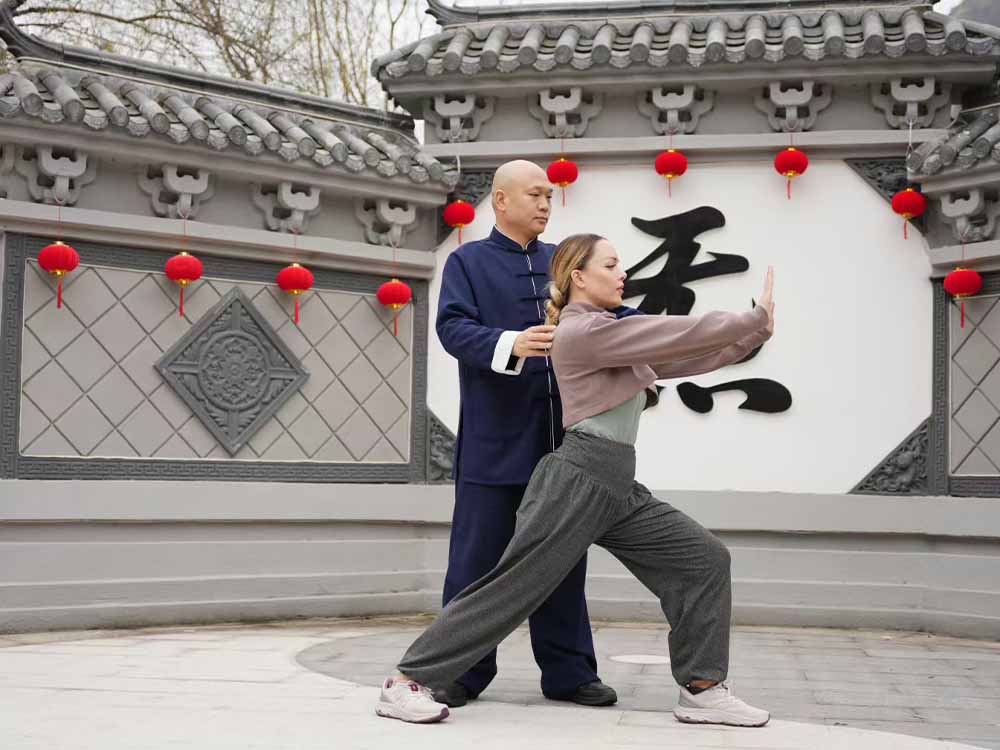
For many, the experience is about finding something authentic. Klaes Risbjerg Simonsen from Denmark chose our SJF Kung Fu School specifically because he wanted a focused experience, not a tourist resort. From his first day, he knew he was in the right place, feeling that he grew both physically and spiritually under the guidance of a highly qualified Shifu.
Pamela Paes Ezawa from Brazil, who completed a shorter course, highlighted the value of the environment itself: the traditional training, the Taoist heartland location, and the welcoming community. This atmosphere is a crucial part of the training. When you are not practicing forms, you are absorbing the culture of a place rich with over 30 historical and cultural attractions, including the nearby Shaolin Temple.
A month is enough time to build a strong foundation in a chosen style, to feel a tangible change in your physical health and mental clarity, and to forge memories that will last a lifetime. It is an investment in yourself that pays dividends long after you have returned home.
If you are ready to begin this transformative experience, we invite you to explore our programs and connect with us.



 WhatsApp