Calculate Chinese Kung Fu Training Costs Beyond Tuition
Build Your Budget Before You Confirm a Training Place
A published tuition figure can be useful, but it is not your full commitment. Before you reserve Chinese Kung Fu Training in China, ask what the total stay will require: where you will live, how meals are arranged, how you will travel from the airport, what visa route applies to your nationality, and what personal equipment you need.
At SJF Kung Fu School, international students can choose programs from a one-week intensive stay to extended training. The practical question is not simply, “What does the course cost?” It is, “What can I responsibly set aside for the complete period away from home?” A clear answer protects your focus once training begins.
Traditional martial arts practice asks for steady attention. In Tai Chi, a stable stance comes before a moving form. In the same way, a stable budget should come before booking flights or selecting a course length. This does not mean removing every uncertainty. It means identifying the costs that must be confirmed before you apply.
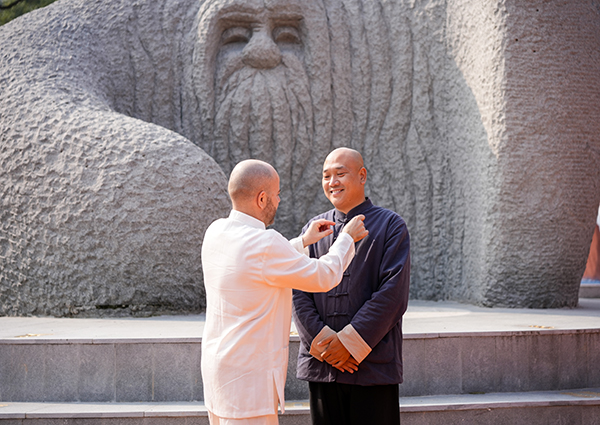
SJF Kung Fu School is suited to students seeking structured instruction in Shaolin Quan, Tai Chi, Qi Gong, Zhan Zhuang, San Da, Qin Na, Ge Dou, Chinese Weapon practice, and Meditation. Master Shen Jiangfei is a descendant of Liuhe Quan and the 11th-generation inheritor of Chen-style Tai Chi. That lineage may shape your course choice, but it should also shape your planning: decide whether you are coming for a brief introduction, a focused form study, physical conditioning, or a longer period of disciplined practice.
Use a Total-Budget Formula, Not Tuition Alone
Conclusion: calculate the whole stay before comparing course options. Tuition is only one line in the plan. This approach fits every prospective student, especially those booking international flights or staying for one month or longer. It does not replace a written quotation, because flight prices, visa charges, insurance premiums, and personal spending vary by country and booking date.
Use this formula:
Total budget = tuition + lodging + meals + visa + flights + insurance + uniforms + local transport + personal reserve
Request each school-provided item in writing. For self-arranged items, obtain a current price from the relevant airline, embassy or visa provider, insurer, and local transport service. Do not assume that a price shown for one length of stay applies to another.
| Budget item | What to confirm | One-week stay | One-month stay | Three months or longer |
|---|
| Tuition | Course focus, training period, and what instruction is included | Confirm the fee for a One Week Kung Fu Course | Confirm the fee for the selected monthly course | Ask whether pricing is quoted per month, per term, or for the full stay |
| Lodging | Whether accommodation is included, room type, dates, and any deposit | Check arrival and departure nights | Confirm the full number of nights | Ask how any extension of stay is handled |
| Meals | Whether meals are included, number of meals, and any dietary arrangements | Budget for meals not included | Ask for the monthly meal arrangement | Separate regular meals from personal snacks and outings |
| Visa | Current visa requirements for your nationality and intended length of stay | Check requirements before booking | Confirm whether your intended stay changes the visa requirement | Allow time and funds for any longer-stay process |
| Flights | International return flight and any domestic connection | Usually a major fixed cost | Compare flexible and fixed return dates | Consider the cost of changing a return date if plans change |
| Insurance | Medical coverage, sports or training coverage, dates, exclusions, and claims process | Cover the full travel period | Check whether the policy has a duration limit | Review renewal terms before departure |
| Uniforms | Whether a uniform is required, optional, or supplied; number of sets needed | One set may be enough for a short visit | Ask about washing access and extra clothing | Plan for multiple training garments if needed |
| Local transport | Airport transfer, train or domestic flight connections, and local personal travel | Plan both arrival and departure | Include occasional cultural visits | Set a separate allowance for longer personal travel |
| Personal reserve | Unplanned medical, travel, communication, or daily expenses | Keep a modest reserve | Increase the reserve for a longer stay | Keep reserve funds separate from training funds |
The table is a planning tool, not a price list. It gives you the categories that need answers. If a course quote covers tuition only, the remaining lines still belong in your calculation.
Match Your Stay Length to Your Purpose and Cost Exposure
Conclusion: choose the shortest period that can serve your immediate purpose, then consider a longer stay only when you can fund the full period without relying on uncertain future money. This is suitable for beginners and experienced practitioners alike. It does not mean that a short course produces the same depth as sustained daily practice.
A one-week stay can help a student experience a training rhythm, learn basic principles, and determine whether the environment suits their aims. A month gives more time to settle into repeated correction and physical conditioning. Three months or longer gives a student more opportunity to develop consistency, though it also raises the importance of visa planning, insurance duration, clothing, and personal reserves.
| Stay length | Best fit | Budget priority | Limit to recognise |
|---|
| One week | Students with limited leave who want concentrated exposure to a discipline | Flights, visa requirements, arrival transport, and the full tuition quote | Short stays leave limited time to adapt physically or study one subject in depth |
| One month | Students seeking a sustained practice routine in Tai Chi, Shaolin Quan, weapons, or conditioning | Lodging nights, meal arrangements, insurance dates, and extra training clothing | A month still requires realistic recovery time and a modest personal reserve |
| Three months | Students who can make regular training a central part of their schedule | Longer-stay visa planning, insurance duration, lodging, and return-flight flexibility | Do not select this duration only because it appears more serious; it requires stable funding and personal readiness |
| Six months or longer | Practitioners pursuing extended technical study and daily discipline | All recurring living costs, longer-term documentation, and sufficient contingency funds | Course scope, personal obligations at home, and visa conditions must be settled before commitment |
For example, a student selecting a 30-day program should not merely multiply a daily tuition figure. They should count every lodging night, calculate a return flight, ensure insurance covers the complete dates, ask about meal arrangements, and retain funds for local transport and ordinary personal needs. The relevant course can be reviewed through the one month Kung Fu Course page, then clarified through a direct itemized inquiry.
For longer stays, training goals should be specific. A student interested in rooted standing practice may wish to include Zhan Zhuang. Someone drawn to moving meditation and body mechanics may focus on Tai Chi. A practitioner wanting contact-based work should clarify whether San Da, Qin Na, or Ge Dou is appropriate for their present level and physical condition.
Ask These Questions Before Comparing Any Course Quote
Conclusion: compare written answers, not broad descriptions. A lower tuition figure cannot be evaluated fairly if you do not know what it includes. This method is useful when you are considering several stay lengths or discussing the plan with family. It does not permit assumptions about services that have not been confirmed.
What exact dates does the tuition cover? Ask whether your arrival day, departure day, and any rest days fall inside the training period.
Which disciplines will be part of my program? A Tai Chi-focused schedule differs from one centered on striking, grappling, weapons, or meditation.
What are the lodging arrangements? Confirm whether lodging is included, the dates covered, and what happens if a flight delay changes your arrival.
How are meals handled? Ask what is included and what remains your personal expense. If you have dietary needs, state them before committing.
Is there a required uniform or equipment list? Ask whether you should bring training shoes, gloves, clothing, or other items.
How will I reach the school after landing? Identify the final travel stage, not just the international airport.
What documents must I arrange independently? Visa rules are personal and nationality-dependent. Verify them through official sources rather than relying on informal advice.
What is the payment schedule? Ask which amount is due before arrival and which costs are paid during the stay.
What happens if I need to adjust my dates? Request the applicable terms in writing before buying a non-refundable ticket.
These questions are not signs of mistrust. They are part of respectful preparation. In traditional practice, clarity prevents wasted effort. The same is true when arranging international study.
Use Training Evidence to Judge Whether the Setting Fits Your Aim
Budget is not only about reducing expense. It is about placing funds where they support the practice you came to do. SJF Kung Fu School has a 200㎡ indoor training center, allowing year-round practice regardless of weather. This matters for students allocating significant travel funds: a scheduled period of practice should not depend entirely on outdoor conditions.
The school has trained more than 3,000 students worldwide. Individual experiences remain individual, yet they can help a prospective student ask better questions about fit.
Short-course cultural and technical focus: Pamela Paes Ezawa from Brazil completed a seven-day Chen-style Tai Chi course. She valued the traditional training setting, the training-focused accommodation, and the welcoming community. Her example suits a student considering a brief Tai Chi period, but it should not be treated as proof that every visitor will want the same pace or subject.
Family planning for a longer stay: Andrew Williams from the USA trained for 30 days in Tai Chi, Zhan Zhuang, and Dao Fa with his son. He described the period as life-changing and planned to return. This is a useful example for a parent planning shared travel, but it does not establish a standard family package or a guaranteed personal result.
Extended study: Hayley Noel from the UK completed a 120-day course covering Tai Chi, Zhan Zhuang, Sword, and Broadsword. Her family expressed gratitude for her experience. This case shows that an extended, multi-subject stay is possible, but prospective students must still independently confirm their budget, visa position, insurance, and intended training scope.
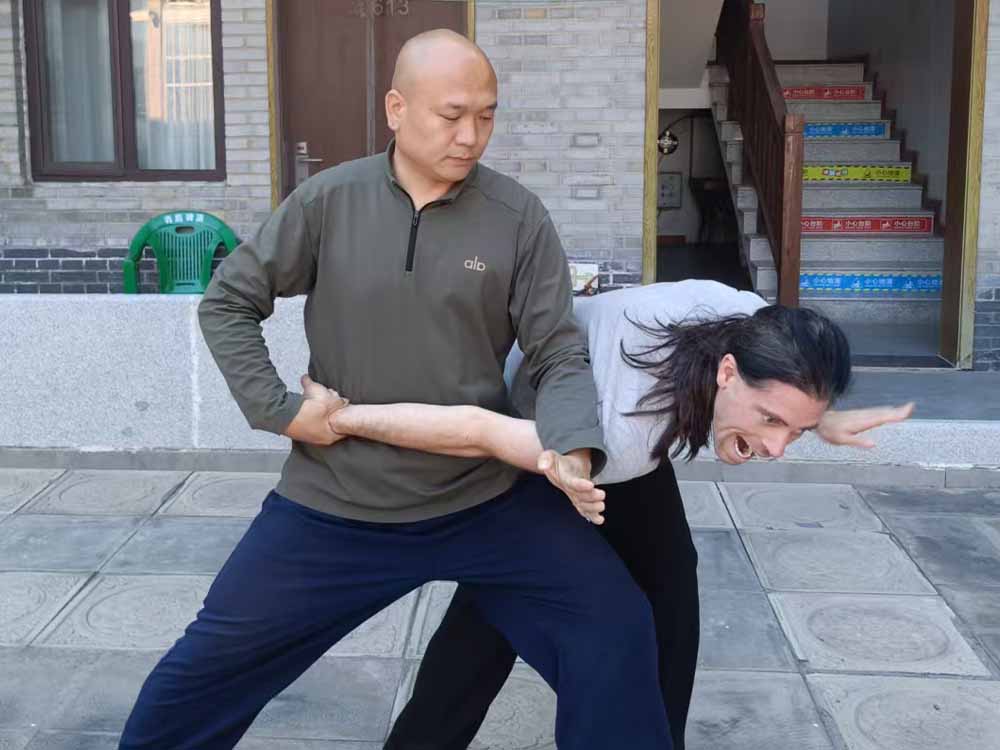
When considering a Tai Chi-centered stay, review the available Learn Tai Chi in China information alongside your budget worksheet. Tai Chi is not merely a sequence of movements. Its study includes alignment, relaxation, weight transfer, breath awareness, and patient repetition. A student who plans enough time and funds to remain settled is more likely to give attention to these details.
The same principle applies to weapons training. A sword or broadsword course may require different packing and equipment discussions than a standing-practice course. Ask about the program before deciding what to purchase at home. Do not fill a suitcase with unnecessary gear.
Avoid Budget Mistakes That Distract From Practice
Conclusion: reserve funds for the ordinary parts of life, not only the advertised course. This is especially useful for first-time visitors to China. It does not mean you should expect hidden charges; it means you should ask direct questions and leave room for expenses that are personal by nature.
Booking a flight before confirming course dates. Confirm the training period first. A cheap flight is not useful if it arrives outside your planned lodging or training dates.
Treating a visa as a last-minute task. Check official requirements early, because conditions differ by passport and intended length of stay.
Ignoring the final part of the route. Your international ticket may not bring you directly to the training location. Include onward travel and arrival-day food in the plan.
Buying equipment without asking. Training needs vary by subject. A student studying Meditation and Qi Gong has different priorities from someone preparing for weapon or striking work.
Leaving no reserve fund. A small separate reserve helps with delayed transport, additional meals, communication, or other personal needs.
Choosing a long stay for the wrong reason. Select a Three-Month Course or Long Term Kung Fu Course because it fits your study intention and available funds, not because duration alone appears impressive.
Wu De, martial virtue, includes discipline and responsibility. Preparing carefully for food, travel, documentation, and accommodation is part of arriving with a clear mind. It allows more of your attention to remain with stance work, forms, partner practice, silence, and the daily rhythm of training near the Shaolin Temple area.
Prepare an Itemized Inquiry for SJF Kung Fu School
Before contacting the school, prepare a short list: your nationality, preferred arrival and departure dates, desired stay length, chosen discipline or disciplines, prior training experience, lodging needs, dietary needs, and whether you are traveling alone or with another student. Regular classes have no minimum enrollment requirement. Group bookings require at least two students.
This information helps the school explain which course period may fit and which budget items still need to be confirmed. It also prevents an avoidable mismatch between your training purpose and your travel plans. A short-term visitor may seek a concentrated introduction; a longer-term student may be planning Tai Chi, Zhan Zhuang, weapons, Meditation, or a wider martial arts schedule.
Request an itemized course consultation with your intended dates, training interests, and lodging questions.



 WhatsApp