How to Choose Long Term Kung Fu Training in China?
What a Months-Long Stay Asks of You, and What to Settle Before Paying
Most regrets about Long Term Kung Fu training in China do not come from the training itself. They come from things nobody asked about before the deposit: a visa window that was too tight, a room that did not suit winter, a timetable heavier than expected, or a refund rule that was never written down. At SJF Kung Fu School, we would rather you ask these questions now than discover the answers in week three.
Traditional martial arts reward patience. A standing posture that feels like nothing on day one begins to speak after a few weeks. That kind of change cannot be rushed, and it cannot be judged from a brochure either. So this guide covers two things: how to recognise a teacher and curriculum worth staying with, and which practical points to settle before you commit months of your life.
Begin With the Teacher's Lineage, Not the Course List
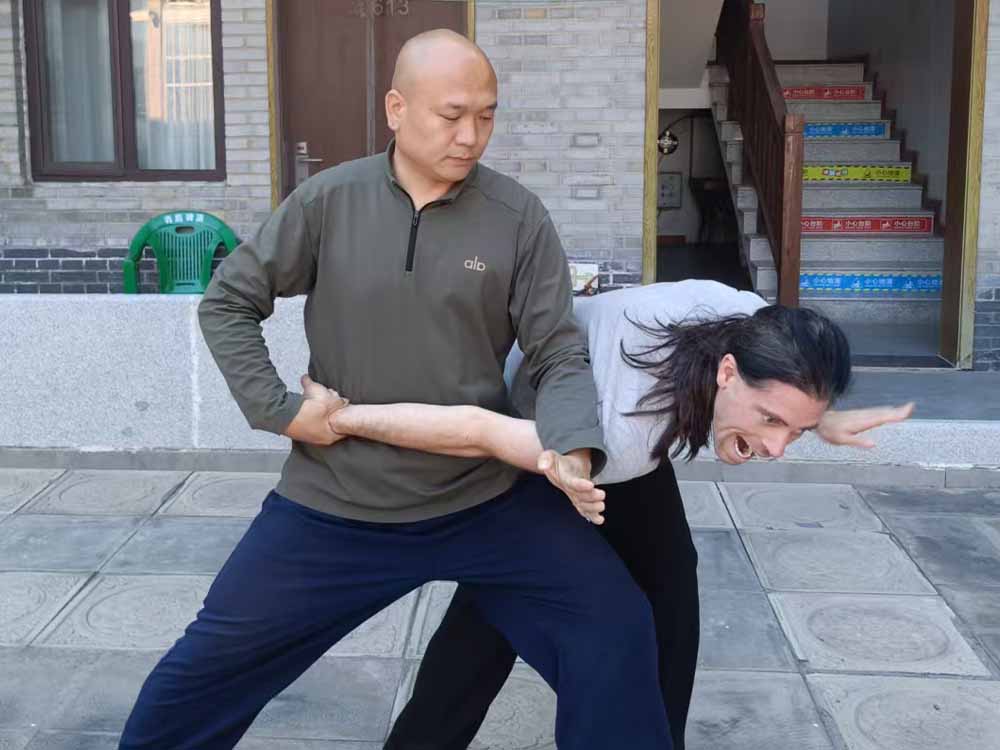
In Chinese martial arts, a method is only as clear as the person who passes it on. Ask who will actually teach you each day, whom that teacher learned from, and how long the line of transmission runs.
Master Shen Jiangfei, founder and head instructor at SJF Kung Fu School, is the 11th-generation inheritor of Chen-style Tai Chi, the original and oldest of the five primary family styles. He is also a descendant of Liuhe Quan. Those are specific, checkable claims, and you can ask any teacher for the same level of detail. Where does the form come from? Who taught the teacher? What is taught beyond the movements?
The last question matters more than it seems. Martial virtue, or Wu De, is the old measure of a student: humility, respect, restraint, perseverance. A school that teaches only techniques gives you a collection of moves. A school that teaches Wu De gives you a way of carrying those moves. When you study Tai Chi across several months, you will feel the difference in how corrections are given, in the quiet of the training hall, and in how seniors treat newcomers.
Where this advice stops: lineage tells you the source is real. It does not tell you whether the teaching style suits you. Ask for a conversation with the instructor before you book, not only with an administrator.
Match the Curriculum to the Body You Are Bringing
A student arriving with ten years of karate needs a different first month than someone who has never held a stance. Good teaching adjusts to this. Klaes Risbjerg Simonsen from Denmark, who completed 30 days of Tai Chi, Zhan Zhuang and Broadsword, said he wanted a genuine, focused experience rather than a touristy resort. He also praised his Shifu for being highly qualified and for adapting the training to his specific needs.
Our school teaches nine styles, so the question is less "what is offered" and more "what order makes sense for you." A sensible foundation often looks like this:
- Zhan Zhuang (standing meditation): teaches alignment, rooting and patience. It is the quiet base under every other style.
- Shaolin Quan: builds external structure, coordination and stamina through traditional forms.
- Qi Gong and Meditation: train breath and attention, the inner side of the practice. The Zen idea that stillness is a form of training sits here.
- Traditional Chinese weapons: sword and broadsword teach extension and timing once your basic body mechanics are steady.
Practical styles such as San Da, Qin Na and Ge Dou suit students who want applied combat skills. They also demand more physical preparation, so tell the school about injuries and fitness honestly.
How program length changes what you can learn
| Program length | Best fit | Limit to keep in mind |
|---|
| One week | Seeing the environment and teacher before a bigger commitment | Too short to change habits or finish a form |
| One month | Settling in, learning the daily rhythm, starting one or two styles | Enough for a foundation, not for depth |
| Three months | Repeated correction of a form; the body begins to learn it | Requires a clear block of free time and visa planning |
| Six months and beyond | Students with prior practice, or those who want to study several styles in sequence | Terms for housing, intensity and refunds need the most care |
What Students Who Stayed Weeks and Months Said
Individual experiences differ, and none of these is a promise of your own result. They do show what staying looks like in practice.
- Andrew Williams (USA) trained Tai Chi, Zhan Zhuang and Dao Fa for 30 days with his son. He called it a life-changing experience that strengthened him physically, mentally and spiritually, and he plans to return next year.
- Hayley Noel (UK) completed 120 days of Tai Chi, Zhan Zhuang, Sword and Broadsword. Her family wrote to Master Shen: "We were really worried when she flew out that way to China, but she loved it so much. She has had an awesome time, and we are so grateful to you." She plans to return.
- Austin Erkl (USA) finished 30 days of Tai Chi and Sword. He admitted he did not love it at first, but after adjusting he had a great time. He wrote: "The master is a great guy that cares for his students. I made some lifelong memories here and will cherish my time."
Austin's honesty is useful. The first week of serious training is often the hardest, because the body is sore and the mind wants distraction. Plan for that dip rather than hoping it will not come. The 120-day case also shows something practical: a family at home wanted reassurance, and a school that welcomes those questions is a good sign.
Booking-Readiness Checklist: Visa, Housing, Intensity and Refunds
We cannot quote a single visa processing time here, because it depends on your passport, the consulate and the visa type. What we can do is list what to settle in writing before paying a deposit for a stay of several months.
| Area | Ask and confirm | Why it matters |
|---|
| Visa lead time | Check current requirements for your passport with the Chinese embassy or consulate in your country. Ask the school which supporting documents it can provide and when. Fix your arrival date only after you know the timeline. | A stay of 90 days or more may need different paperwork from a short course. Tight dates cause the most avoidable stress. |
| Accommodation terms | Room type and sharing, meals included, laundry, heating or cooling, and what happens if you want to change rooms. | Students such as Pamela Paes Ezawa (Brazil) and Austin Erkl valued training-focused housing and good food. Over months, comfort affects recovery. |
| Training intensity | A written daily timetable, weekly rest days, which classes are included, and how the instructor adjusts load for injuries or age. | Intensity should match your fitness. Too little wastes time. Too much causes injury. |
| Refund conditions | What is refundable if you leave early, fall ill, are injured or are refused a visa, and who pays for any unused time. Request this as a written agreement. | Terms for extended stays are not standard across schools. Do not assume them. Agree them before paying. |
| Group or solo booking | Regular classes have no minimum enrollment. Group bookings need at least two students. | A parent and child, or two friends, can plan together. A solo student can still join regular classes. |
Our school is located near the Shaolin Temple, and more than 30 cultural and historical sites lie nearby. If you plan a stay of several months, ask where you could spend a rest day. Rest matters as much as practice.
Common Mistakes When Choosing a Multi-Month Program
- Booking the longest option first. If you have never trained in China, a month is a safer first test than a year.
- Choosing by photographs. Pictures show scenery. They do not show how corrections are given.
- Ignoring the quiet hours. Months of training include long stretches of rest, study and meditation. If you need constant activity, say so early.
- Hiding an old injury. A knee or shoulder problem can be worked around, but only if the instructor knows.
- Leaving refund terms vague. A friendly conversation is not a written agreement.
From Shortlist to Deposit: A Practical Sequence
- Write down your goal in one sentence: health and Tai Chi, applied combat, weapons, or immersion in the culture.
- Note your experience, injuries and available dates.
- Ask the instructor how a typical week would look for someone like you.
- Work through the checklist above, and request the answers in writing.
- If you are unsure, begin with a 30 Day Kung Fu Course or a Three-Month Course, then extend if both sides agree.
- Only then plan flights and pay a deposit.

Weather should not decide your schedule. Our 200㎡ indoor training center lets practice continue year-round, which matters when a stay crosses a rainy spring or a cold winter.
Talk With Master Shen's Team Before You Decide
If you are a genuine seeker of traditional Chinese martial arts, we would be glad to hear from you. Send us your intended dates, your experience, any health notes and the styles that draw you. We will tell you honestly whether a month, three months or a longer stay fits, and what still needs to be agreed.
Next steps:
- Book a Long Term Kung Fu Course and request a consultation if you are ready to plan a longer stay.
- Reach out through the school's website with your questions on visas, housing and refund terms. Ask for them in writing.
Come with an open mind and an empty cup. The training hall will do the rest.



 WhatsApp