Kung Fu Retreat China: Shaolin or Mountain School?
Choose the Setting That Serves Your Practice
When planning a Kung Fu Retreat China, the first decision is not simply whether you want to see the Shaolin Temple or live near mountains. The more useful question is this: what kind of daily practice will help you return home with clearer skills, steadier habits, and a deeper understanding of Chinese martial culture?
A Shaolin Temple-area program often suits students who want training alongside historical visits, visible martial arts culture, and access to well-known sites. A secluded mountain school may better suit a student whose main priority is fewer outside distractions and a quieter residential rhythm. Neither choice is automatically better. The right answer depends on whether your limited time should include cultural exploration, concentrated practice, or a balance of both.
At SJF Kung Fu School, students can train near the Shaolin Temple while still following a structured daily practice plan. The school is a registered Kung Fu school with certified Shaolin Kung Fu instructors, and its programs range from one-week intensive study to extended residential training. This makes the Temple-area option more practical for students who do not want to choose between martial arts instruction and cultural context.

Quick selection rule: choose a Temple-area school when cultural sites and a varied training environment matter alongside practice. Choose a secluded mountain school when your strongest need is retreat-like quiet and you are prepared to give up easy access to nearby attractions. If you have only one or two weeks, a location that combines formal training with nearby cultural places can make better use of your stay. If you have several months and seek a more withdrawn routine, a mountain setting may deserve more weight.
Setting Versus Training Focus: Shaolin Temple Area or Secluded Mountain School?
The table below compares the two settings by decision factors that can change the value of your time in China. These are selection questions, not fixed rules: every school has its own timetable, class format, accommodation, and teaching standards. Ask each school to confirm the details before you book.
| Decision Factor |
Shaolin Temple-Area Program |
Secluded Mountain School |
Choose This When |
| Historical access |
Often better suited to students who want martial history and local visits alongside classes. |
May place more attention on the residential setting than on nearby landmarks. |
Choose the Temple area if visits to Shaolin-related and regional cultural sites matter to you. |
| Daily atmosphere |
Can combine focused classes with a more active cultural environment. |
Often suits students seeking a quieter, more removed rhythm. |
Choose a mountain school if reduced external activity supports your concentration. |
| Training purpose |
Useful for students balancing martial study, sightseeing, and cultural immersion. |
Useful for students making training and quiet reflection their central purpose. |
Match the setting to the main reason you are travelling. |
| Short stays |
Often practical because cultural experiences can be included around a compact course. |
Can fit short stays, but travel time and isolation may matter more. |
For one week, prioritize a clear course plan and convenient access to what you want to experience. |
| Long residential stays |
Works when you value variety in your surroundings over many weeks or months. |
Works when you prefer repeated practice in a more withdrawn environment. |
For long stays, ask how the schedule changes after the first month. |
| Practice disciplines |
May allow students to pair physical training with historical and cultural study. |
May favor extended repetition, standing work, meditation, and personal reflection. |
Choose based on whether you learn best through variety or repetition. |
| What to verify |
Ask about training hours, group size, transport, site visits, and quiet practice time. |
Ask about transport, indoor facilities, instructor availability, and the amount of supervised training. |
Never assume a setting alone guarantees teaching quality. |
The setting is only part of the decision. A famous address does not tell you how carefully the instructor corrects stance, alignment, breath, timing, or intent. Likewise, silence in the mountains does not by itself create good training. The stronger question is whether the school can explain how its instruction develops your chosen discipline.
Match the School to Your Training Goal, Not the Image in Your Mind
Many visitors arrive with a powerful image of Chinese martial arts: temple gates, mountain paths, monks, weapons forms, and dramatic demonstrations. Those images can inspire study, but they should not replace a practical training goal. Before comparing schools, choose one primary objective and one secondary objective.
If your priority is Shaolin forms and physical conditioning
Choose a school that can explain how it teaches stance work, flexibility, coordination, forms, partner practice, and recovery. Ask whether beginners enter the same type of class as experienced students, and how instructors adapt movements for different bodies and fitness levels.
At SJF Kung Fu School, students may study Shaolin Quan alongside other traditional and practical disciplines. The school teaches nine distinct areas: Shaolin Quan, San Da, Qin Na, Tai Chi, Qi Gong, Zhan Zhuang, Ge Dou, Chinese Weapon, and Meditation. This breadth suits a learner who wants to understand how striking, form practice, weapons, standing work, and quiet attention can support one another. It may not suit someone seeking only one narrowly defined competition format.
If your priority is Tai Chi, internal work, and body mechanics
A quieter setting can be valuable, but the instructor’s lineage and method deserve equal attention. Tai Chi training is not only slow movement. It involves posture, weight transfer, relaxed strength, coordinated whole-body movement, attention to breath, and patient repetition. Ask which Tai Chi family style is taught and whether standing practice is part of the curriculum.
Master Shen Jiangfei is a descendant of Liuhe Quan and the 11th-generation inheritor of Chen-style Tai Chi, the original and oldest of the five primary family styles. For a student seeking this direction, that documented transmission is more relevant than a dramatic location alone. Students interested in this method can explore how to Learn Tai Chi in China through forms, foundational posture, and disciplined practice.
If your priority is stillness, meditation, and self-discipline
A mountain retreat can suit this aim when the school offers regular guided practice rather than simply a quiet view. Ask whether meditation is taught, whether there is a dedicated space for it, and how it relates to martial training. At SJF Kung Fu School, indoor training facilities include a meditation hall, training mats, wooden dummies, and traditional weapons. The 200㎡ indoor training center also allows year-round practice regardless of weather.
This is especially relevant for students who travel during seasons when outdoor-only training could disrupt consistency. A mountain setting may feel peaceful, but it does not replace a confirmed indoor plan when rain, cold, or heat changes the day.
Use Course Length to Avoid a Mismatch
The length of your stay changes what you should expect from the setting. A short visit should not be judged by the same standard as a three- or six-month residential program.
- One week: Choose a defined curriculum and a setting that supports both training and the cultural experience you want. A one-week course is enough to receive an introduction, build a daily rhythm, and identify what you want to study later. It is not enough to expect mastery of a form or a major change in physical ability.
- One month: Choose a school that can offer progression beyond the first few classes. You should be able to ask how corrections, forms, standing practice, weapons, or partner drills develop week by week. A one month Kung Fu Course can give enough time for a more settled training routine, but it still requires realistic recovery and adaptation.
- Three months or longer: Choose according to the daily life you can sustain. A remote setting may support solitude; a Temple-area setting may offer more cultural variety. Ask about rest days, training adjustments, independent practice expectations, and how your goals will be reviewed over time.
A useful real example comes from Andrew Williams of the USA, who trained for 30 days in Tai Chi, Zhan Zhuang, and Dao Fa with his son. He described the experience as life-changing for him physically, mentally, and spiritually, and planned to return the next year. His case does not promise the same result for every visitor. It does show why a month can be a meaningful format for a parent-and-child pair who want enough time to settle into serious practice.
For a much longer stay, Hayley Noel from the UK completed 120 days of Tai Chi, Zhan Zhuang, Sword, and Broadsword training. Her family had worried about her travelling to China, then wrote that she loved the experience and had an awesome time. This example suggests that family reassurance, communication, accommodation, and a supportive school environment matter as much as the setting when a student plans an extended course.
Questions to Ask Before Choosing Either Option
Do not base your choice only on photographs, temple proximity, or mountain scenery. Use the following checklist when contacting schools. A clear reply is often more useful than a dramatic promise.
- What will I train each day? Ask for sample subjects, not only a list of styles.
- How are beginners taught? Confirm whether foundational stance, mobility, and safety are included before harder material.
- Who will teach me? Ask about the head instructor’s background and whether they will personally guide any part of your training.
- How is practice adjusted for age, experience, or injuries? A school should explain its approach without promising medical outcomes.
- Is there indoor training space? This matters for reliable practice in changing weather.
- What cultural visits are nearby? Ask this if your purpose includes historical study, local traditions, or time beyond the training floor.
- What is the accommodation and meal arrangement? Long-term focus depends on daily comfort, food, sleep, and routine.
- Can I combine subjects? For example, ask whether Tai Chi can be paired with Zhan Zhuang, weapons work, or meditation.
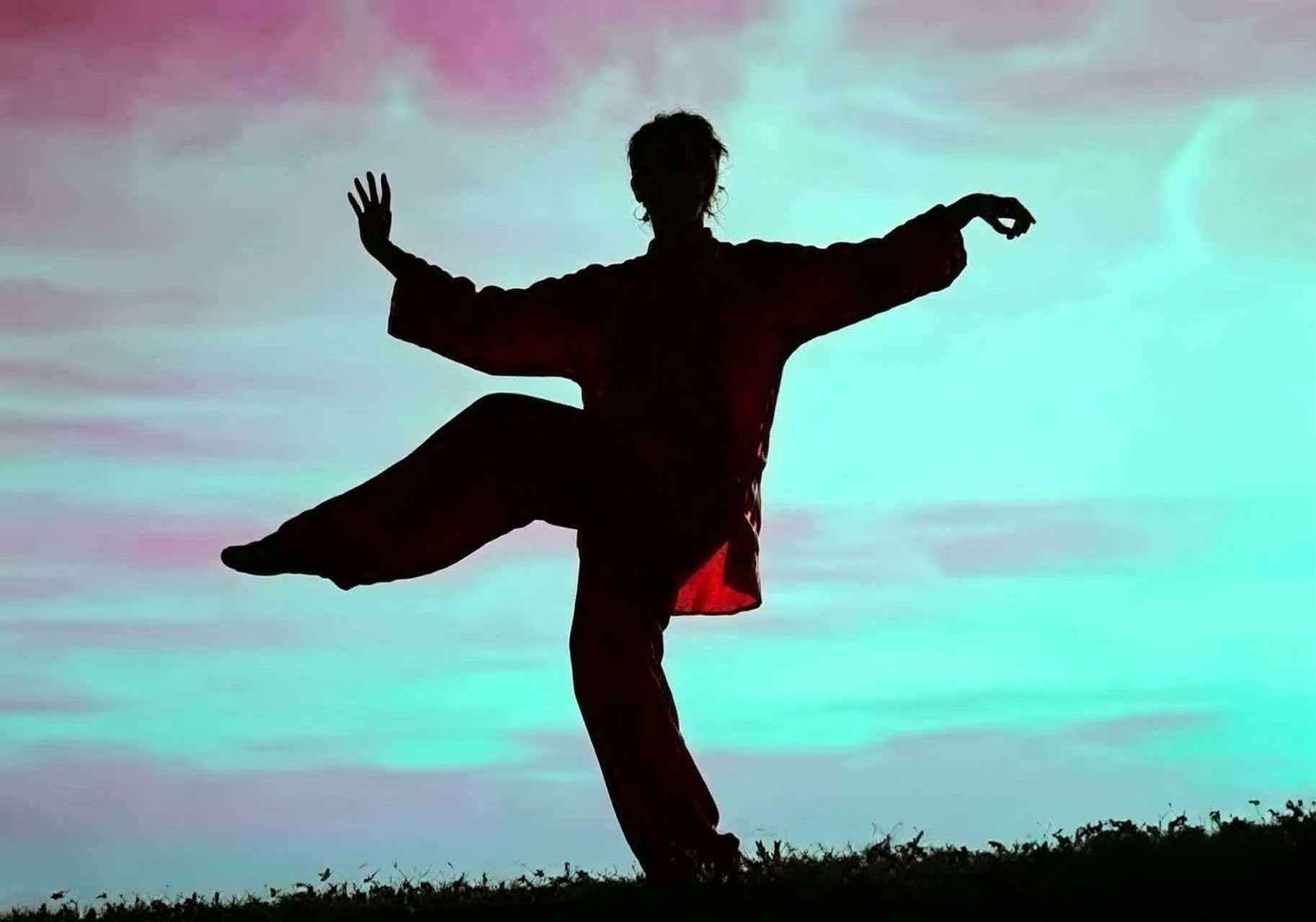
One common mistake is treating a quiet location as proof of serious instruction. Another is treating a famous Temple-area location as proof that the course will meet your personal goal. Both assumptions can lead to disappointment. The better approach is to compare the actual teaching plan, facilities, instructor qualifications, residential arrangement, and access to the cultural experiences you value.
How Wu De Connects Place, Practice, and Conduct
Traditional Chinese martial arts are not only concerned with power or appearance. Wu De, often described as martial virtue, asks the student to consider conduct, respect, patience, restraint, and responsibility. These qualities are practiced in ordinary moments: arriving on time, listening before correcting others, caring for training equipment, accepting repetition, and training with awareness rather than ego.
For this reason, a good retreat setting should support more than exercise. It should give you space to observe how training changes the way you stand, breathe, respond under pressure, and treat fellow students. Shaolin Quan can build coordination and spirit; Tai Chi can refine balance and softness; Qi Gong can direct attention toward breath and posture; meditation can make room for stillness. Yet none of these practices should be rushed into a promise of instant transformation.
Students looking for a culturally grounded experience may appreciate a Temple-area school with access to more than 30 nearby cultural and historical attractions. That option fits a learner who wants to place martial practice within a wider Chinese context. A secluded mountain school may fit someone who would rather reduce excursions and preserve more time for routine. The choice is personal, but it should be intentional.
A Clear Decision Rule for Your Retreat
Choose a Shaolin Temple-area program if you want formal training, nearby historical context, and the option to include cultural visits during a one-week, one-month, or longer stay. This is especially suitable when you are travelling from the USA, the UK, Europe, or elsewhere and want your time in China to include both training and place-based learning.
Choose a secluded mountain school if your main aim is withdrawal from busy routines, long periods of repetition, and a simpler environment with fewer outside demands. This choice is less suitable if visiting major cultural sites is one of your central reasons for travelling.
Choose SJF Kung Fu School when you want a structured program near the Shaolin Temple, instruction across traditional martial disciplines, and a school led by Master Shen Jiangfei, whose Chen-style Tai Chi and Liuhe Quan transmission provides a clear foundation for serious study. For students considering a focused first stay, review the One Week Kung Fu Course and compare its training plan with your personal objective.
View the one month Kung Fu Course and contact SJF Kung Fu School with your preferred dates, training background, and whether you seek Shaolin practice, Tai Chi, weapons, meditation, or a balanced program.



 WhatsApp