Where Legends Begin:Authentic Shaolin Kung Fu Training Awaits You in China
Imagine stepping into a world where every punch tells a story of ancient wisdom, and every kick echoes the discipline of generations of warrior monks. This is the world of Shaolin Quan, the most legendary martial art on Earth. For over 1,500 years, this art has transformed ordinary individuals into extraordinary beings, cultivating not just physical prowess, but an unshakeable spirit. In 2026, the call of the Shaolin warrior is as powerful as ever, drawing thousands of international students to its source. This guide invites you to explore the history, philosophy, and training of Shaolin Quan, revealing why it remains the ultimate path for those seeking mastery, health, and self-discovery, and how you can begin this journey with the SJF Kung Fu School.
What is Shaolin Quan? Unraveling the Ancestral Fist
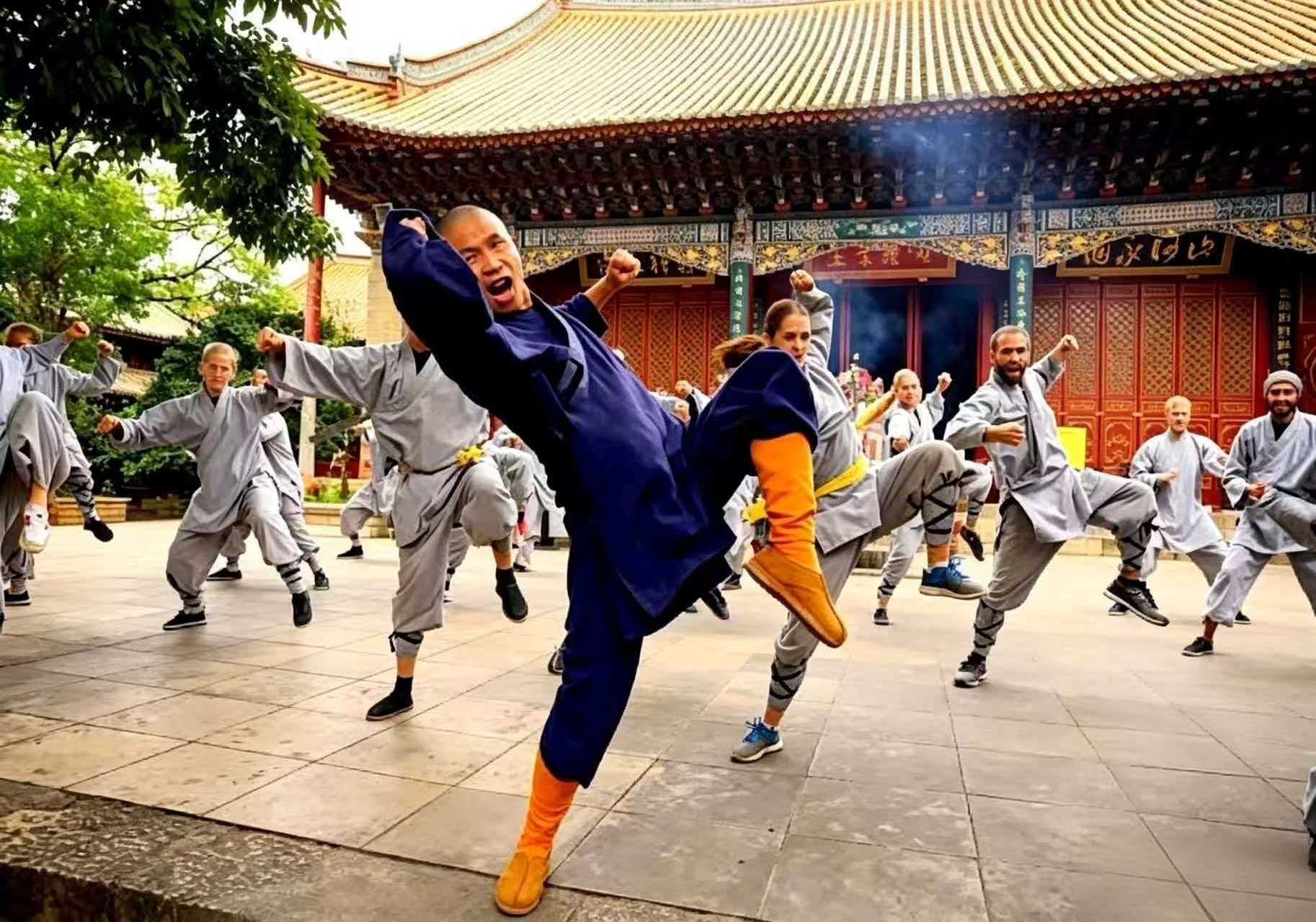
At its core, Shaolin Quan, literally translating to “Shaolin Fist,” is the foundational martial art of the Shaolin Temple, a Buddhist monastery nestled in the forests of Songshan Mountain. It is a comprehensive fighting system that includes a vast array of strikes, kicks, blocks, joint locks, and throws, all performed with a characteristic blend of flowing grace and explosive, powerful bursts of energy. However, to define Shaolin Quan only as a fighting style is to miss its very essence. It is a holistic discipline that unites physical training with spiritual development, serving as a form of “moving meditation” for the monks who created it. Shaolin Quan is the root from which countless other Asian martial arts have grown, from Karate to Taekwondo, making its study a journey back to the very origins of unarmed combat tradition.
The Historical Tapestry: From Monastery to Global Fame
The history of Shaolin Quan is shrouded in legend, yet its impact on Chinese and global culture is undeniable. While the historical records are often debated, the most celebrated narrative credits the Indian monk Bodhidharma (known as Da Mo in China) with introducing a series of physical exercises to the Shaolin monks in the 5th or 6th century. These exercises were intended to strengthen their bodies for the long hours of seated meditation, preventing them from falling asleep. Over the centuries, these foundational movements evolved, absorbing techniques from Chinese military training, folk fighting systems from surrounding villages, and even the observation of animals in combat. By the Tang Dynasty (618-907 AD), Shaolin monks had established a formidable reputation as warriors, famously aiding the Tang emperor in a military campaign. This event cemented the temple‘s status and allowed its martial arts to flourish, evolving into the complex and sophisticated system known today. This rich history, passed down through countless generations of masters, is what gives Shaolin Quan its profound depth and cultural significance.
The Core Philosophy: The Unity of Chan (Zen) and Quan (Fist)
What truly sets Shaolin Quan apart from a purely athletic or combative pursuit is its deep, inseparable connection to Chan (Zen) Buddhism. This is captured in the central principle of “Chan Quan Yi Ti,” or the Unity of Chan and Fist. In practice, this means that the physical techniques are never performed without spiritual intent. Every movement is executed with focused awareness, making the practice a form of active meditation. The goal is not merely to learn how to fight, but to cultivate mindfulness, discipline, and inner peace. The rigorous physical training serves as a tool to break down mental barriers, overcome fear, and develop an indomitable will. Ultimately, the greatest opponent a Shaolin practitioner seeks to defeat is not an external enemy, but their own ignorance, ego, and limitations. This philosophical depth transforms a physical discipline into a complete path of personal transformation.
The Training Methods: Building a Warrior‘s Body and Mind
The training methodology of Shaolin Quan is famously demanding, designed to forge the body into a powerful and resilient weapon. The journey begins with the basics, known as “Jiben Gong,” which includes grueling warm-ups, stretching, and strengthening exercises to build incredible flexibility, core strength, and muscular endurance. Students then spend countless hours perfecting “Ma Bu” (horse stance) and other fundamental stances, which serve as the foundation for all movement and develop deep leg strength and stability. The heart of the system lies in “Taolu,” or forms, which are predetermined sequences of movements that simulate combat against multiple imagined opponents. Through the repetitive practice of these forms, students learn to connect individual techniques into a fluid, powerful, and graceful expression of martial art. This process demands immense concentration, memory, and physical stamina, progressively shaping a student‘s character and capability with each repetition.
The Diverse Styles and Branches of Shaolin Quan
Contrary to popular belief, Shaolin Quan is not one singular style, but a vast family of styles, each with its unique characteristics and specialties. This diversity is a testament to the art’s long history and evolution. Some of the most prominent branches include the Hong Quan (Flood Fist) styles, which are known for their explosive, powerful, and extended movements, emphasizing raw strength and aggression. The Pao Quan (Cannon Fist) style focuses on short, heavy, and direct strikes, resembling the firing of a cannon. Other specialized styles include the delicate and intricate Tong Bei Quan (Through-the-Back Fist), characterized by its whip-like arm movements, and the various animal-inspired styles like Dragon, Tiger, Leopard, Snake, and Crane, each mimicking the fighting attributes of the respective creature. This rich variety means there is a specific style within Shaolin Quan to suit different body types, temperaments, and personal affinities, offering a path for every dedicated student.
The Legendary Weaponry: Masters of the Staff and Sword
While Shaolin Quan is renowned for its devastating empty-hand techniques, its weaponry training is equally legendary and visually spectacular. The Shaolin school is famous for its mastery of “Qi Xie,” a term for various traditional weapons. The staff, often called the “King of Shaolin Weapons,” is considered the most fundamental and versatile of them all. The “Shaolin Staff Techniques” are characterized by their simplicity, directness, and immense power, often serving as the introductory weapon for students. Beyond the staff, the curriculum includes training with the saber, spear, sword, and more exotic instruments like the nine-section whip, the monk’s spade, and the crescent moon shovel. Learning to wield these weapons is an essential part of advanced training, connecting the practitioner to the temple’s warrior heritage and demanding not only technical skill but also heightened coordination, spatial awareness, and mental focus. The spectacular forms performed with these weapons are a major draw for audiences worldwide.
The Famous Techniques: From Powerful Kicks to Dynamic Acrobatics
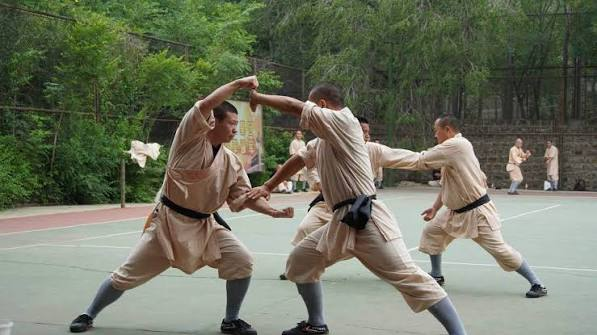
Shaolin Quan is globally renowned for its dynamic and sometimes acrobatic techniques, which captivate audiences and inspire awe. Among its most famous techniques are its high-flying kicks, such as the “Tornado Kick” and the “Butterfly Kick,” which require exceptional flexibility and explosive power. The art also features a vast array of powerful hand strikes, including the classic “Shaolin Punch,” known for its speed and force generated from the entire body. Other signature techniques include “Shuai Jiao,” the art of fast throws and takedowns, and “Qin Na,” which involves joint locks and grappling to control or disable an opponent. These formidable skills are often integrated into acrobatic movements like aerial flips and leaps, making the practice a spectacular blend of martial effectiveness and athletic artistry. These techniques are not just for show; they are practical combat applications refined over centuries of monastic and battlefield experience.
Shaolin Quan in the Modern World: A Global Phenomenon
In 2026, Shaolin Quan has evolved far beyond the walls of its ancient temple, becoming a truly global cultural phenomenon. It is practiced by millions of people across the world, from professional athletes and martial artists to fitness enthusiasts and individuals seeking personal growth. Its profound influence can be seen everywhere: in blockbuster action films, popular video games, and modern fitness trends. However, the essence of Shaolin Quan remains firmly rooted in its tradition. As the world becomes more digitized and fast-paced, there is a growing global appetite for authentic, transformative experiences. More and more people are seeking to travel to China to train at the source, eager to immerse themselves in the environment, culture, and rigorous discipline where this ancient art was born and perfected. This modern movement is not just a trend but a deep, collective search for meaning, health, and connection.
Benefits Beyond Combat: Health, Discipline, and Inner Peace
The decision to train in Shaolin Quan yields benefits that extend far beyond learning self-defense. It is a complete system for physical and mental well-being. Physically, the demanding training builds exceptional strength, flexibility, balance, and cardiovascular health. It enhances coordination and body awareness to a high degree. Mentally, the intensive practice develops unwavering focus, self-discipline, and resilience, providing tools to effectively manage stress and overcome challenges. The meditative and philosophical elements cultivate a profound sense of calm, purpose, and inner peace. Many practitioners, especially those who come from high-stress professional backgrounds, find that Shaolin Quan serves as a powerful antidote to modern anxiety, helping them reconnect with themselves and find a center of calm in a turbulent world.
Embark on Your Shaolin Journey with SJF Kung Fu School
For those inspired to move beyond reading and truly experience the power of Shaolin Quan, SJF Kung Fu School offers an unparalleled gateway. Our programs are meticulously designed to provide an authentic, immersive training experience, connecting you directly with the heart and soul of this ancient art. Led by experienced and dedicated instructors, our training camps cater to all levels, from absolute beginners to seasoned martial artists. You will not only learn the fundamental stances, forms, and techniques but also gain deep insight into the cultural and philosophical context that makes Shaolin Quan so profound. Our location in the heart of China allows for a fully immersive experience, combining rigorous physical discipline with cultural excursions to historical sites like the Shaolin Temple itself. By joining the SJF Kung Fu School, you are doing more than learning a martial art; you are entering a lineage, walking the path of the warrior and the scholar, and forging a foundation for physical and spiritual strength that will last a lifetime. We extend a warm invitation for you to visit our website, explore our course offerings, and take the first step on your personal Shaolin journey. The adventure of a lifetime is waiting for you.
Answer the Call of the Warrior
Shaolin Quan is a living treasure, a dynamic and profound system that unites physical mastery with spiritual depth. Its incredible journey from the ancient halls of a Buddhist monastery to its status as a global cultural icon is a testament to its enduring power, relevance, and universal appeal. By choosing to train in Shaolin Quan, you are not just learning a series of movements; you are connecting with over 1,500 years of human history and embarking on a path of personal mastery that will enrich every aspect of your being. The discipline, strength, and inner peace you will gain are gifts that last a lifetime. The call of the Shaolin warrior is timeless. Will you answer it?




 WhatsApp