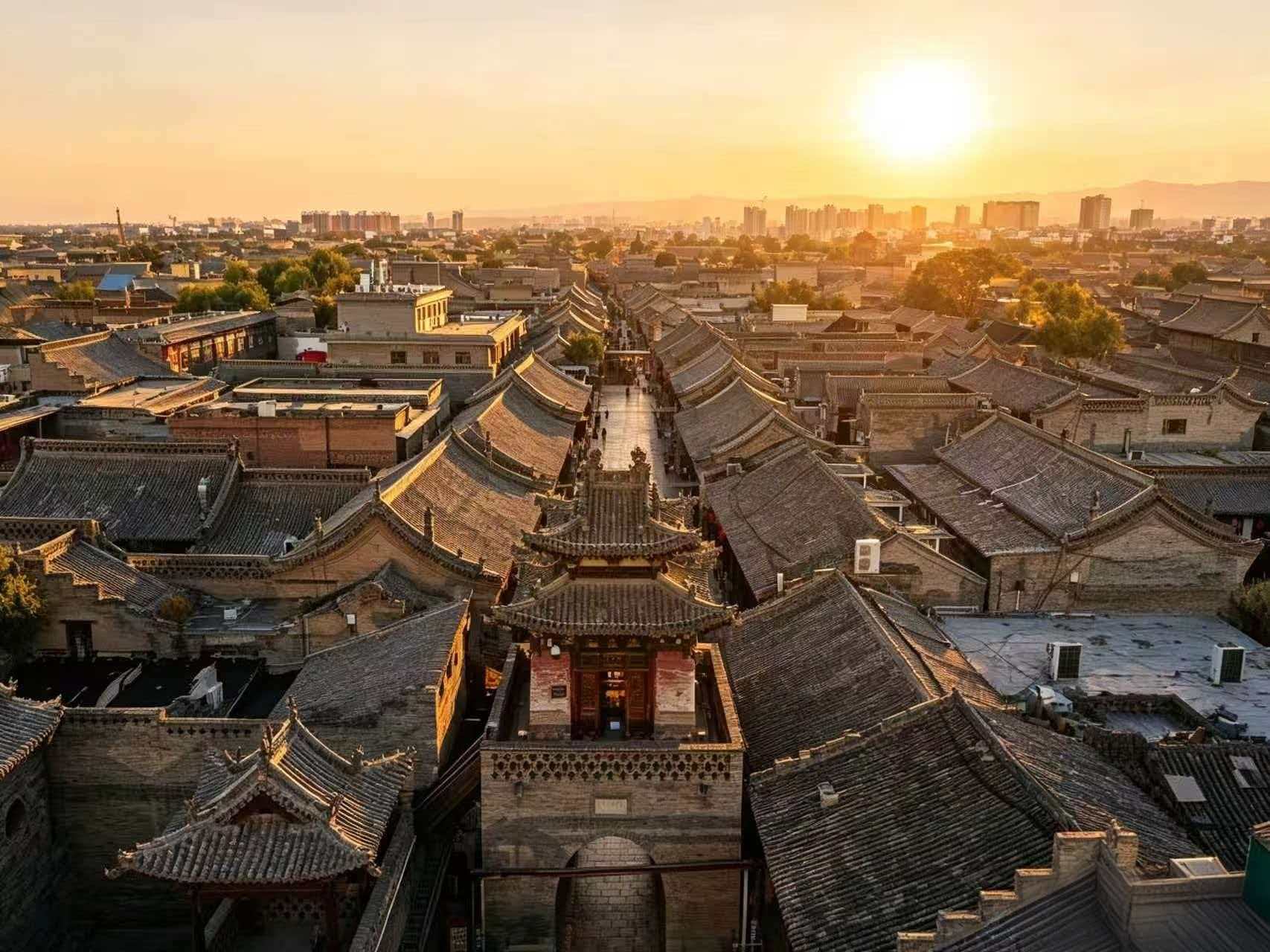
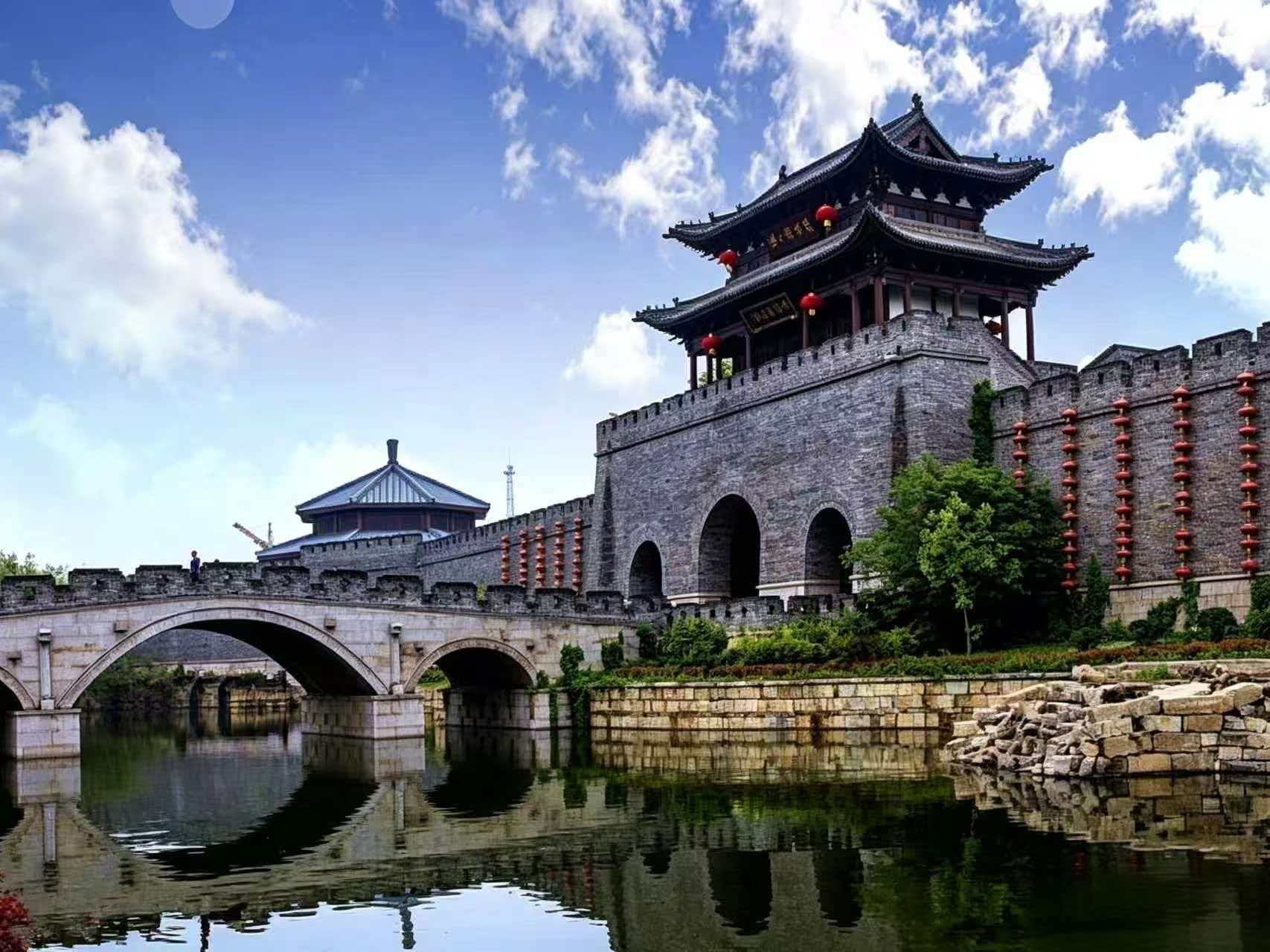
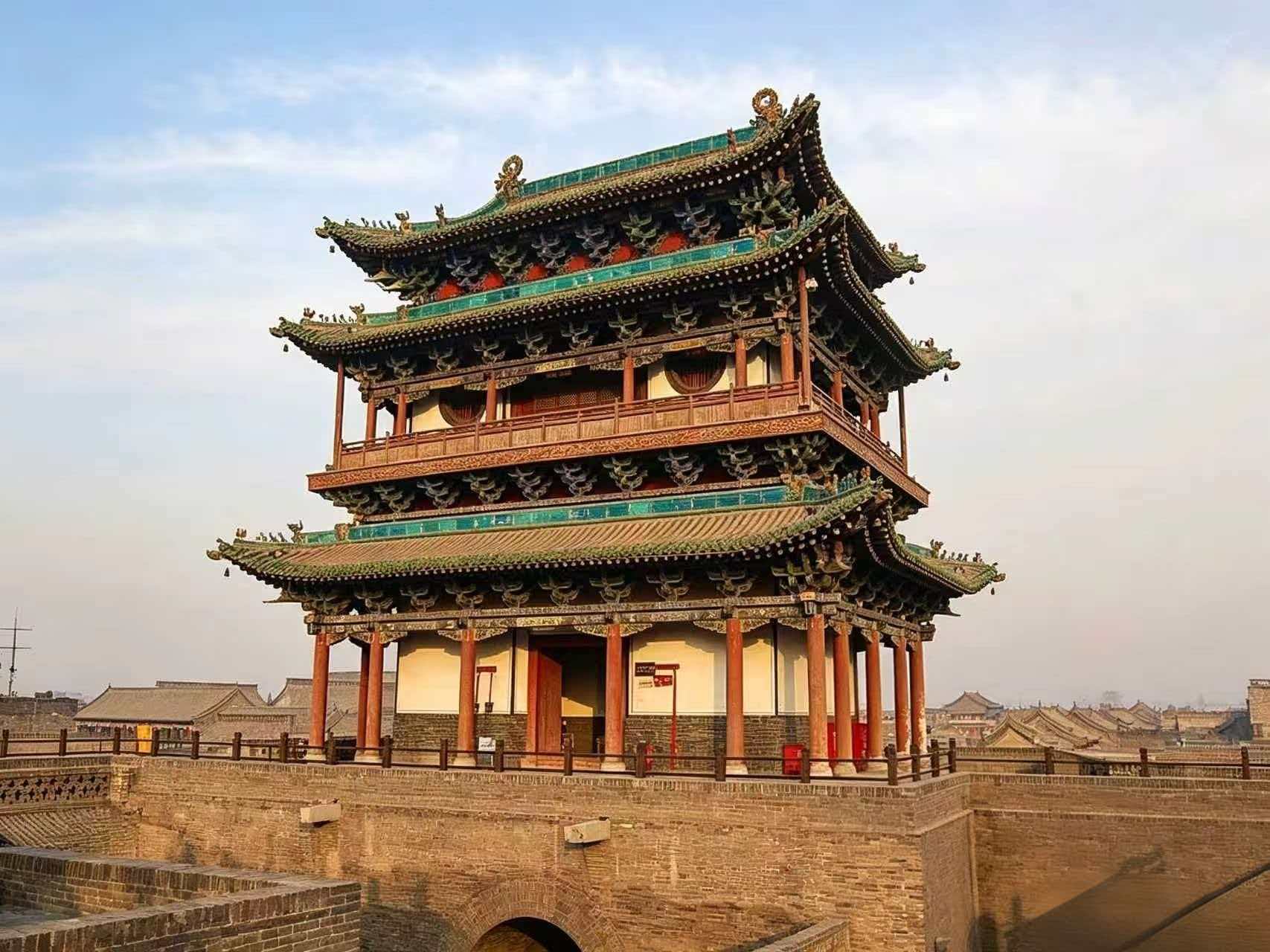
Nestled in the flat plains of central Shanxi Province, Pingyao Ancient City (Pingyao Gucheng) is not merely an old town—it is an astonishingly intact time capsule that transports visitors back to the heart of Imperial China. Its imposing, 12-meter-high city walls, stretching over six kilometers, encircle a perfectly preserved urban landscape of narrow alleys, traditional courtyard residences, and the nation's first financial institutions. As a UNESCO World Heritage Site, this “Living Museum” offers an unparalleled journey through the economic, architectural, and cultural life of the Ming and Qing Dynasties, where the spirit of ancient commerce still seems to linger in the air.
The Birthplace of Modern Chinese Banking
The most remarkable chapter in Pingyao's history is its identity as the undisputed financial capital of the Qing Dynasty. The city was home to the country's first draft banks, or “piaohao,” which revolutionized Chinese commerce by creating a nationwide network for transferring money. The legendary “Rishengchang Exchange Shop,” founded in 1823, was the first of these institutions and is now a fascinating museum. Walking through its traditional courtyards, visitors can see the original safes, accounting ledgers, and security systems used to manage the financial affairs of an empire. This history explains the city's enduring nickname: the “Wall Street of Ancient China.”
A Living, Breathing Ming-Qing City
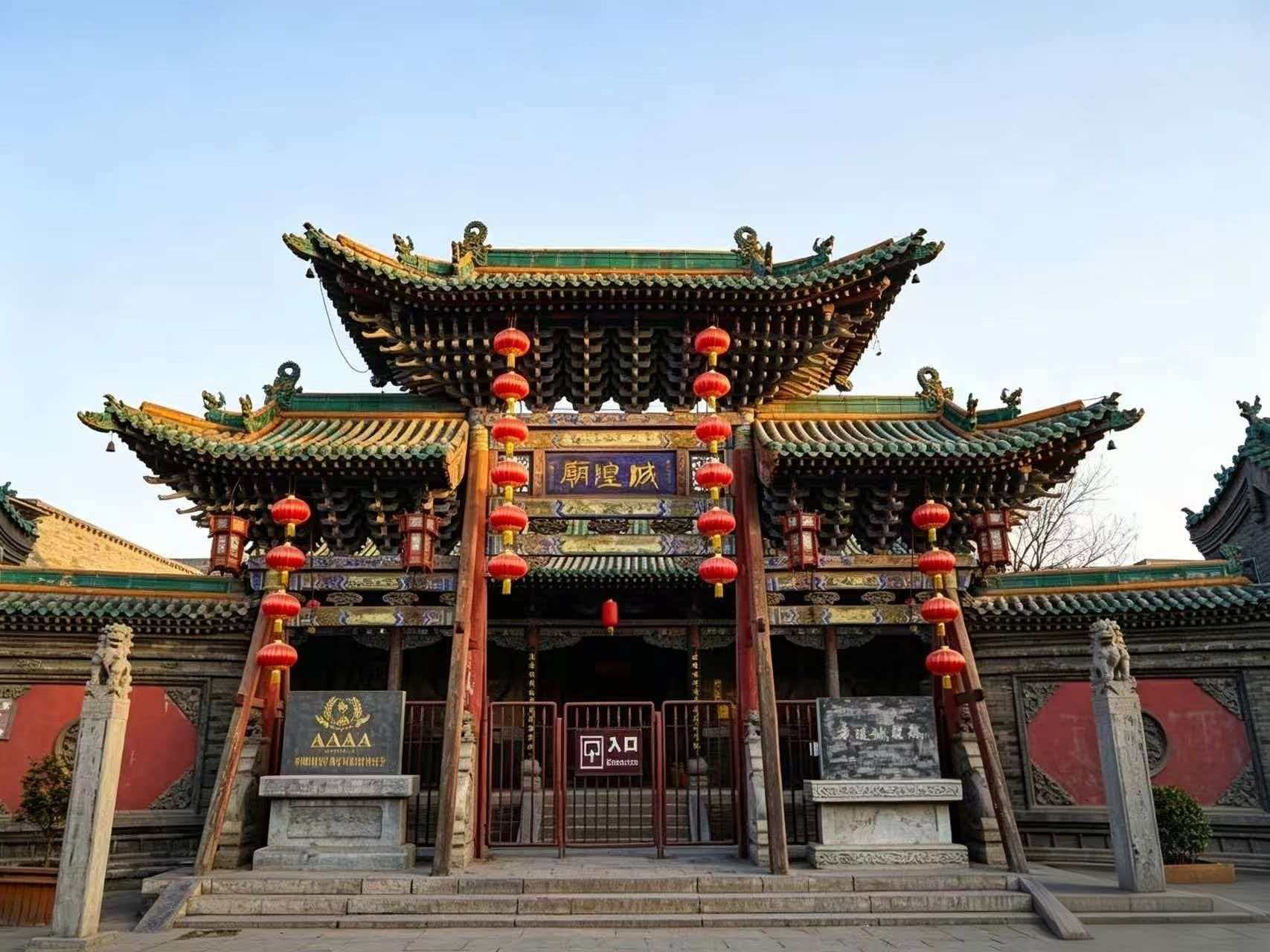
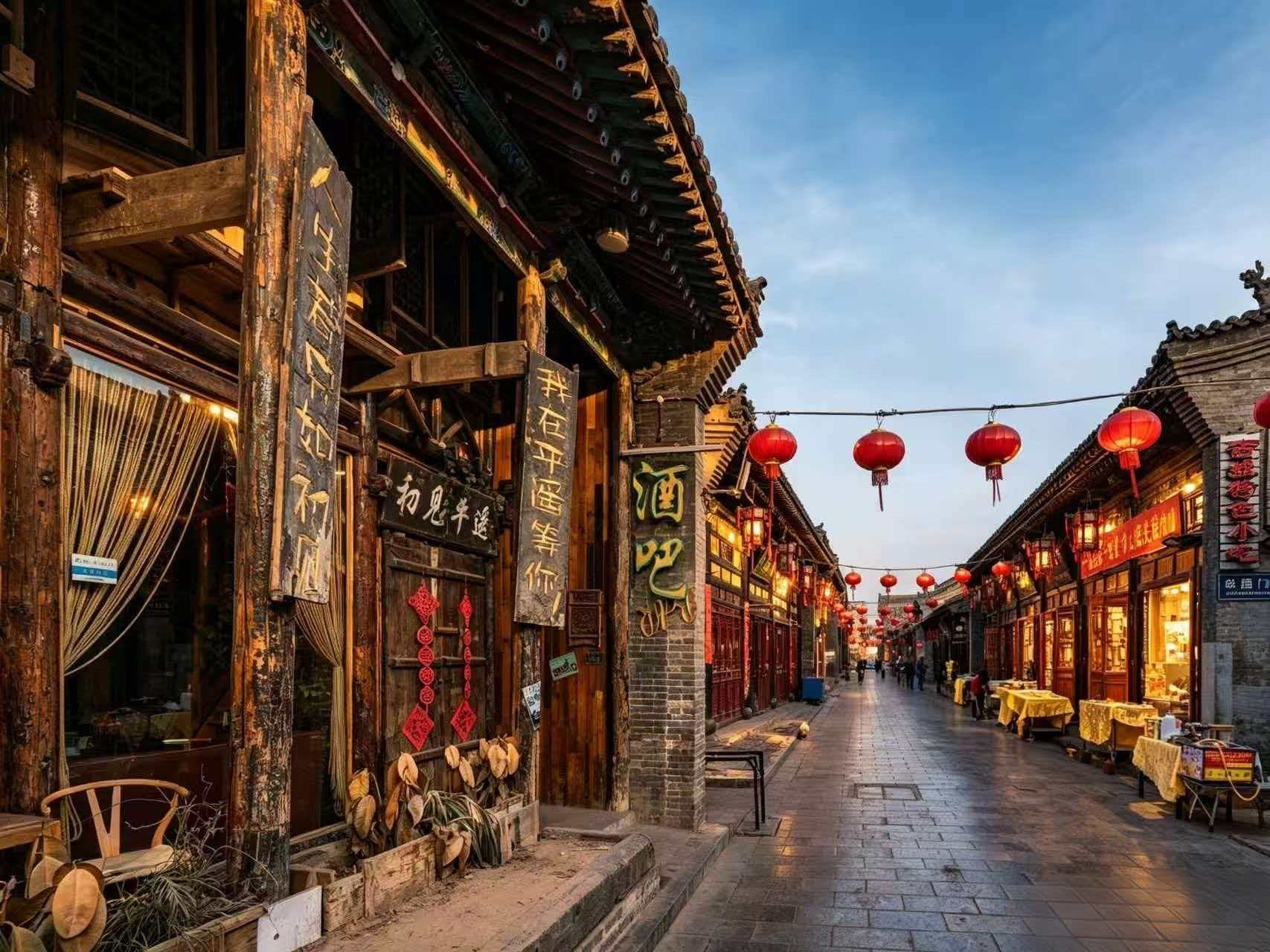
Beyond its financial significance, Pingyao is a remarkable example of traditional Han Chinese urban planning and architecture. The city's layout follows strict geomantic principles, with a grid of streets and lanes that have remained unchanged for centuries. The main thoroughfare, Mingqing Street, is lined with original shops, inns, and temples, offering a vibrant glimpse into the daily life of a bygone era. Visitors can explore well-preserved residences like the City God Temple, the Confucian Temple, and the County Government Office, which vividly illustrate the social, religious, and administrative structures of the time. Unlike a static museum, Pingyao is a living city where locals continue their daily lives, making the experience feel incredibly authentic and immersive.
Guide For Travelers
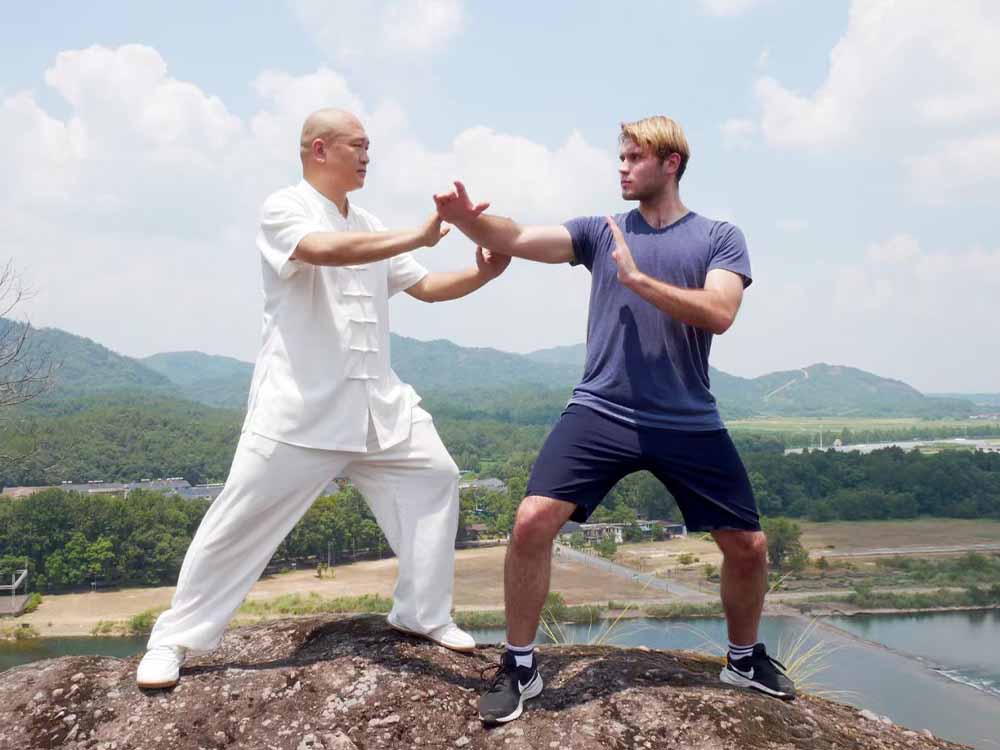
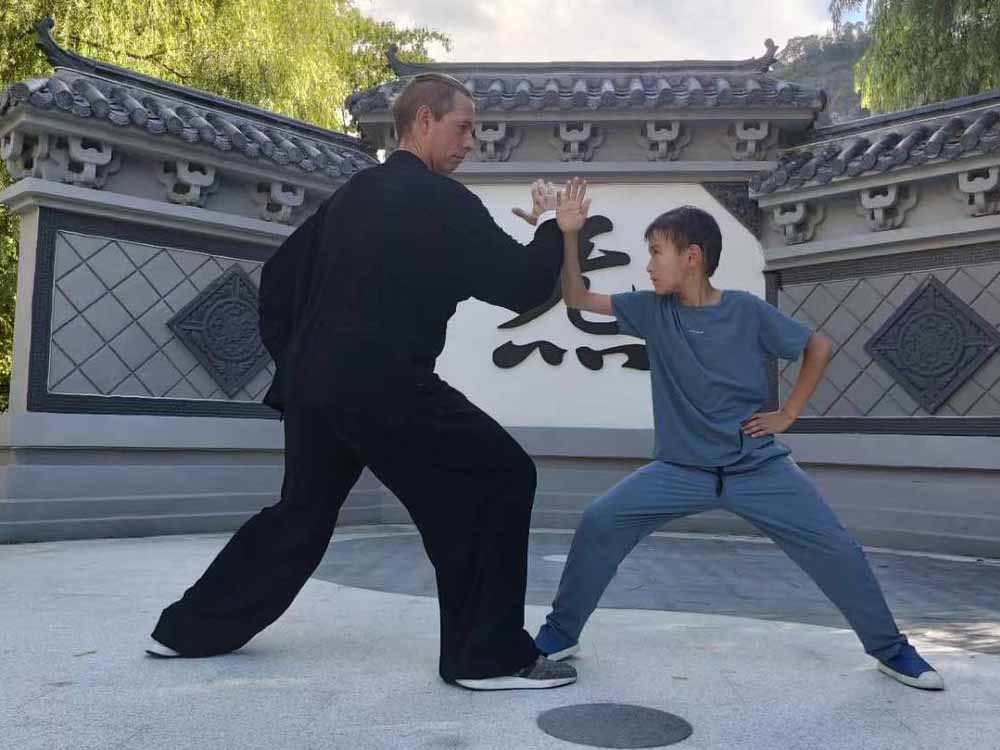
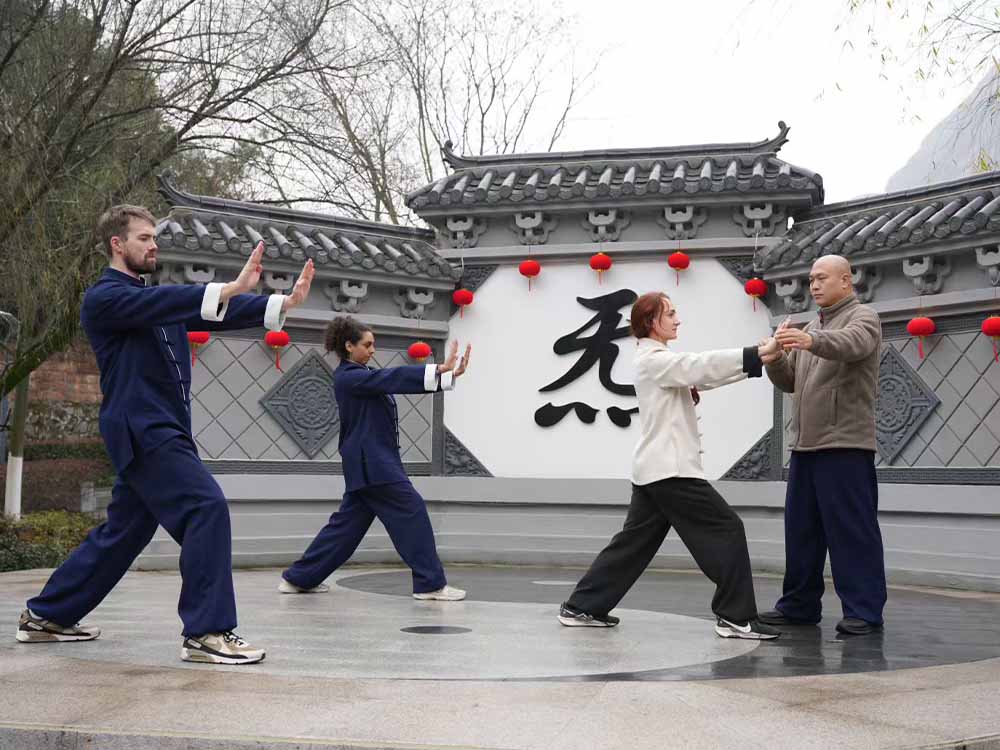
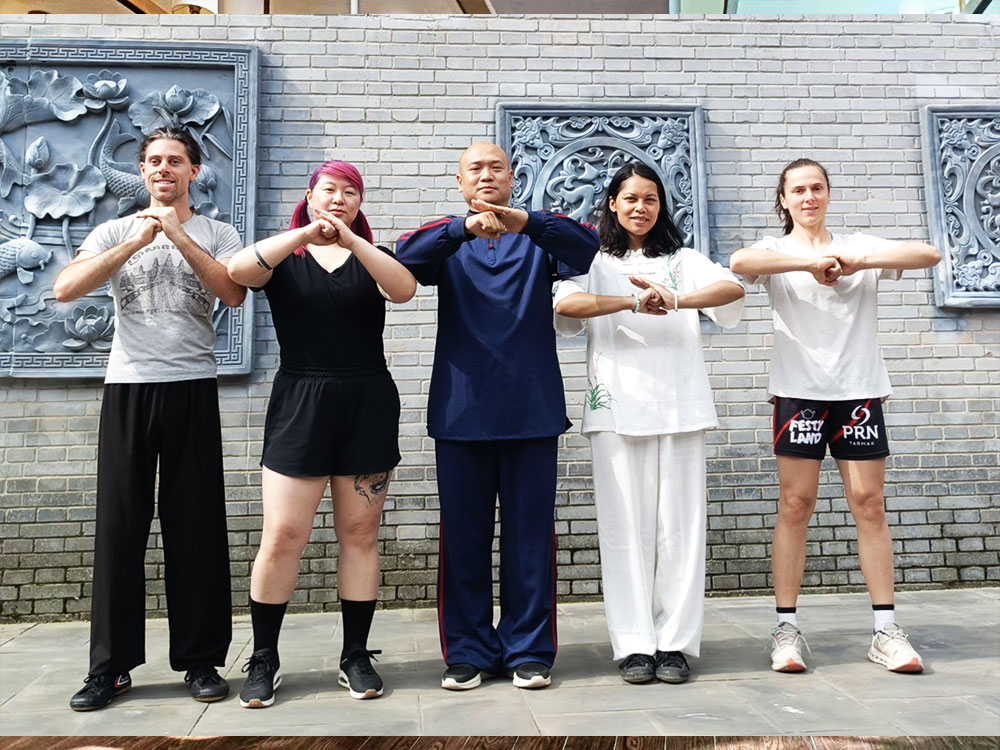
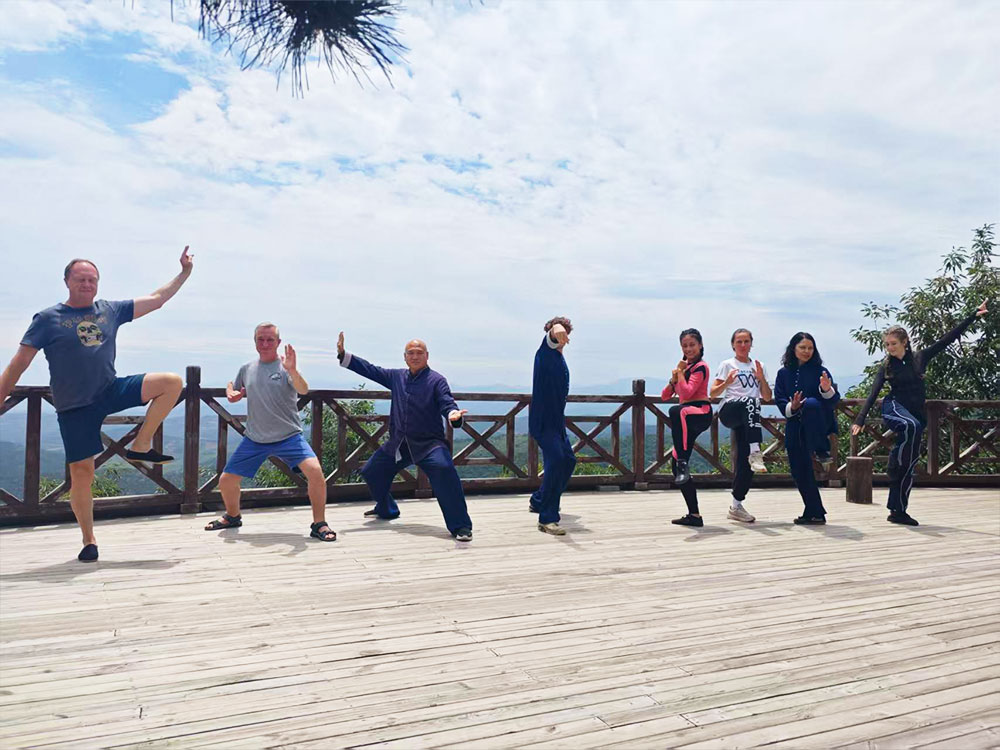
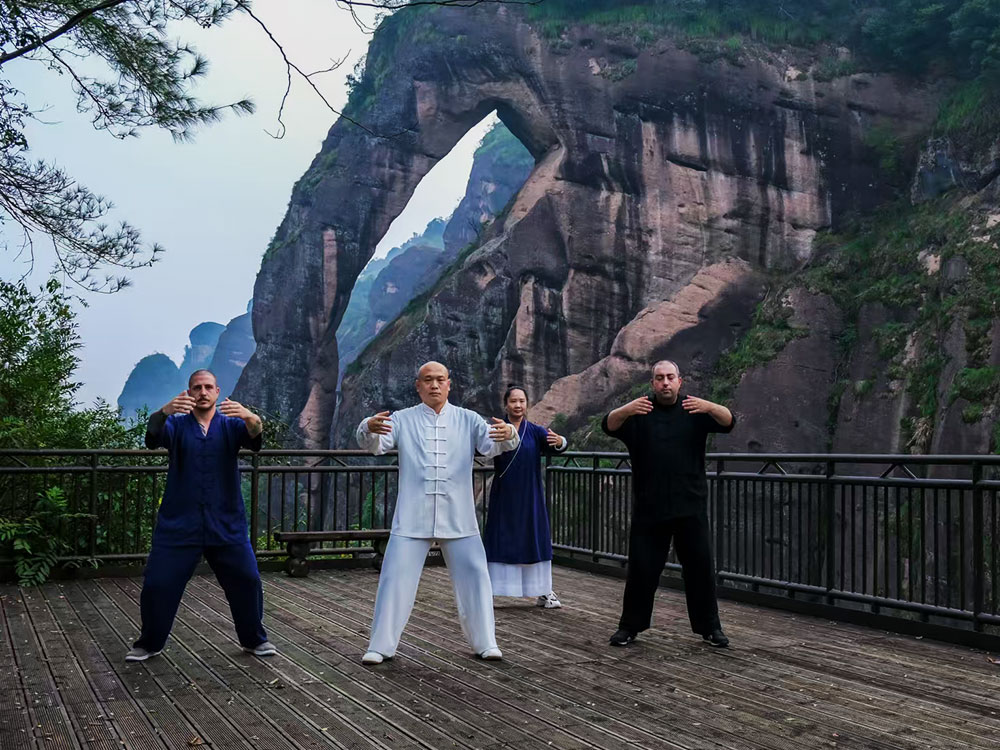
A visit to Pingyao Ancient City can be an unforgettable cultural excursion, seamlessly integrated into your Kung Fu training camp or cultural tour in Shanxi Province. Located about 90 kilometers from Taiyuan, the provincial capital, it is easily accessible by train, bus, or private car. The city itself is best explored on foot or by bicycle, allowing you to discover its hidden courtyards and charming backstreets. It is recommended to spend at least a full day, or even stay overnight within the ancient city walls to experience its magical nighttime atmosphere. Comfortable walking shoes are essential, and you may consider purchasing a combined ticket to access the many museums and historic buildings. Hiring a local guide will greatly enhance your understanding of the city's complex history and architectural details. While busy during the day, the city becomes peaceful in the early morning and evening, perfect for quiet exploration and reflection. This historical journey provides a profound cultural context to your martial arts studies, connecting you to the discipline and ingenuity of ancient Chinese civilization.
Fast Facts For Travelers
Location: Pingyao County, Jinzhong City, Shanxi Province, China.
Site Classification: UNESCO World Heritage Site, National AAAAA Level Tourist Attraction.
Best For: History buffs, architecture enthusiasts, photographers, and those interested in ancient commerce.
Signature Experience: Walking the ancient city walls and exploring the Rishengchang Exchange Shop museum.







 WhatsApp