To truly understand Kung Fu, You must look past the flashy cinematic stunts and Hollywood action sequences. In Chinese, the term Kung Fu (功夫 - Gōngfū) does not inherently mean fighting. It translates directly to "skill achieved through hard work, time, and patience." A master calligrapher, a disciplined tea brewer, or a dedicated martial artist can all be said to possess exceptional "Kung Fu."
Chinese Kung Fu: A Masterclass in Mind-Body Harmony
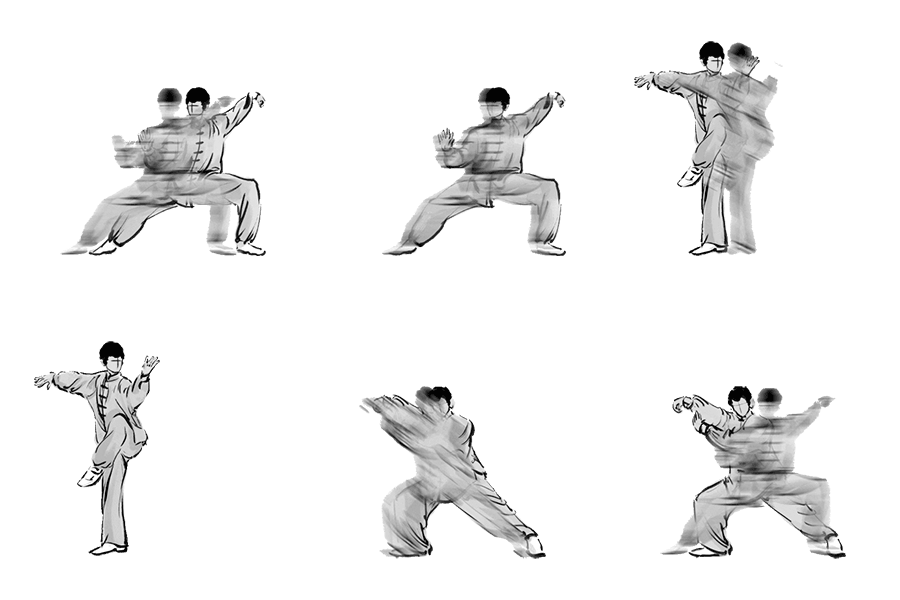
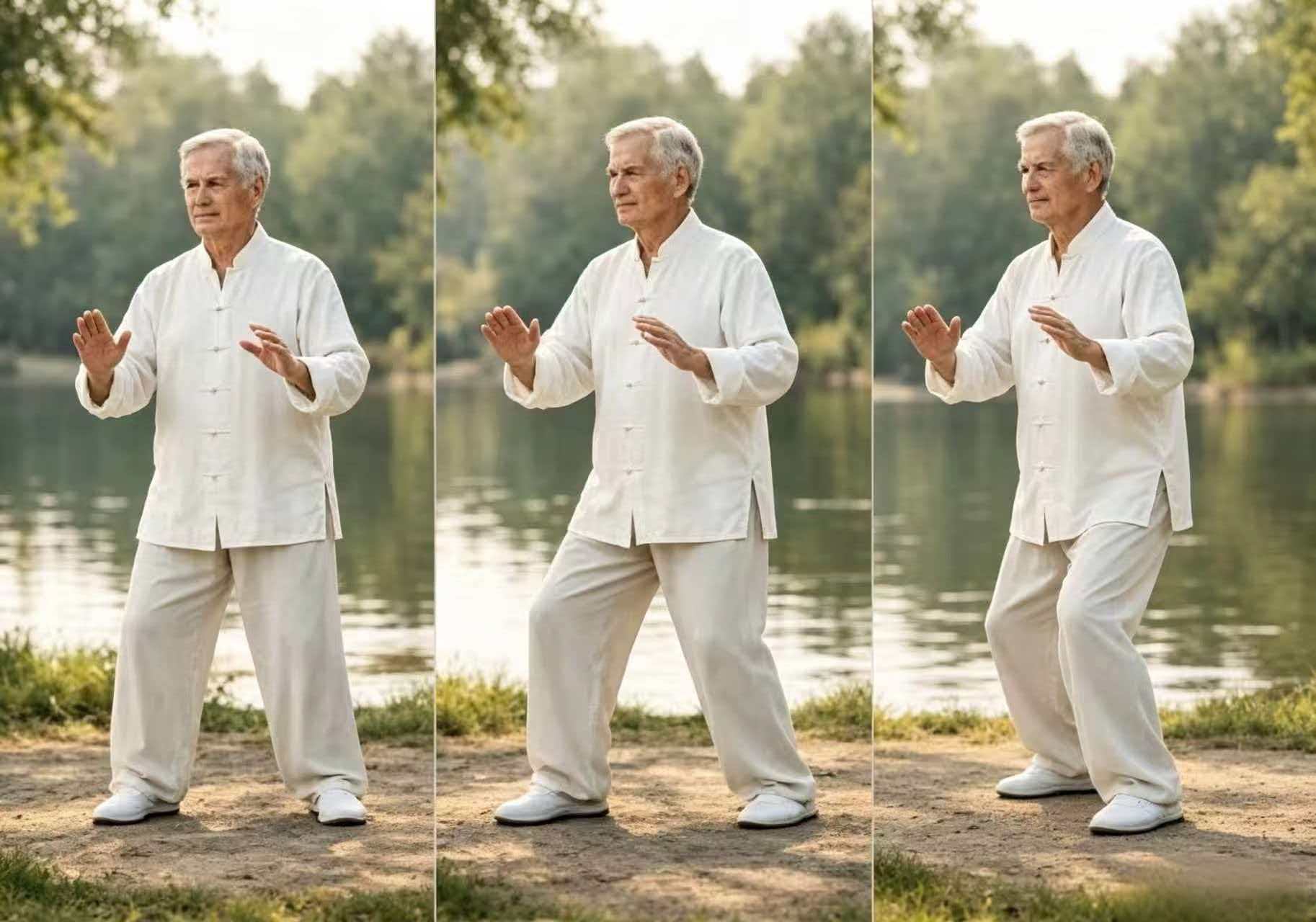
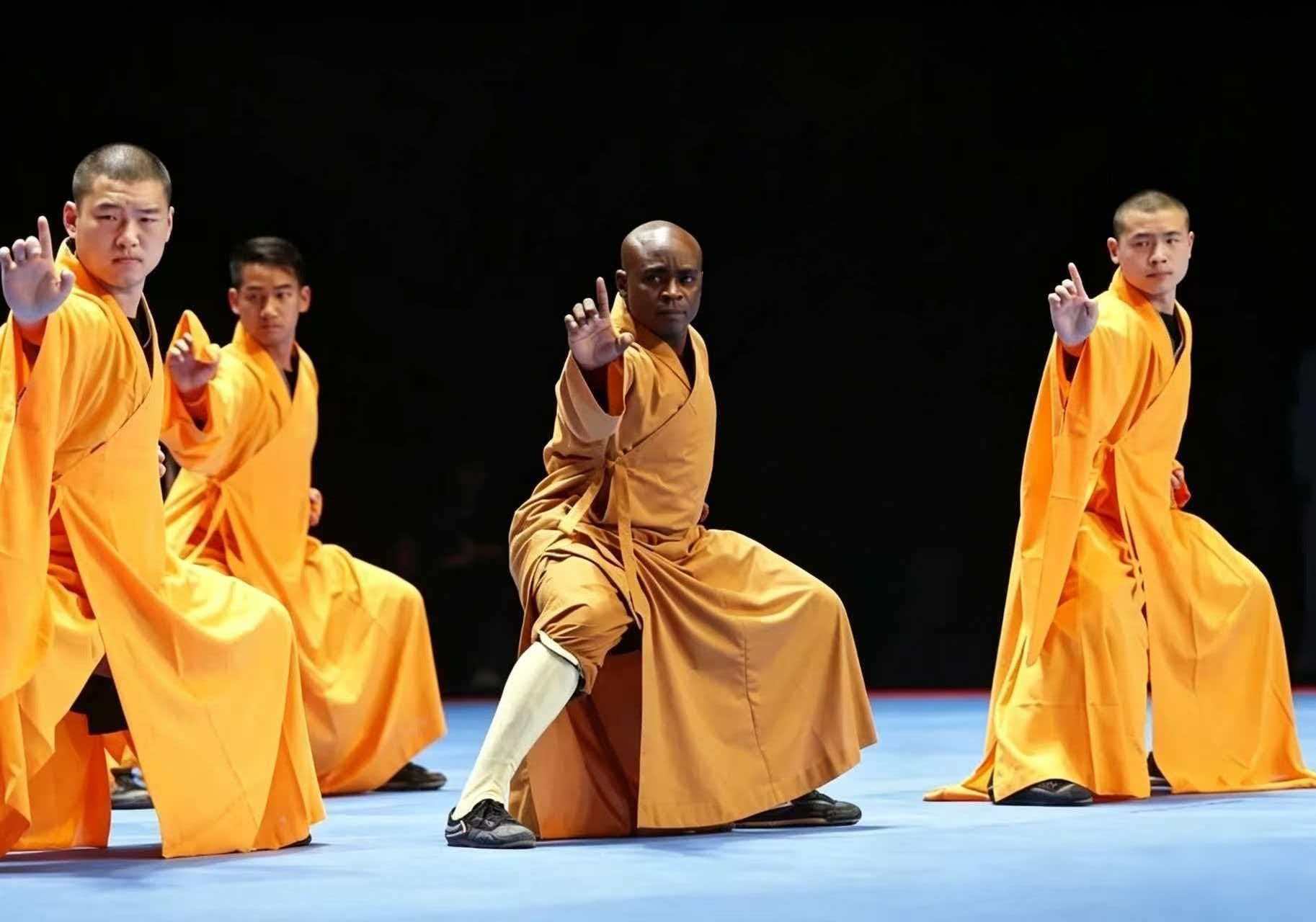
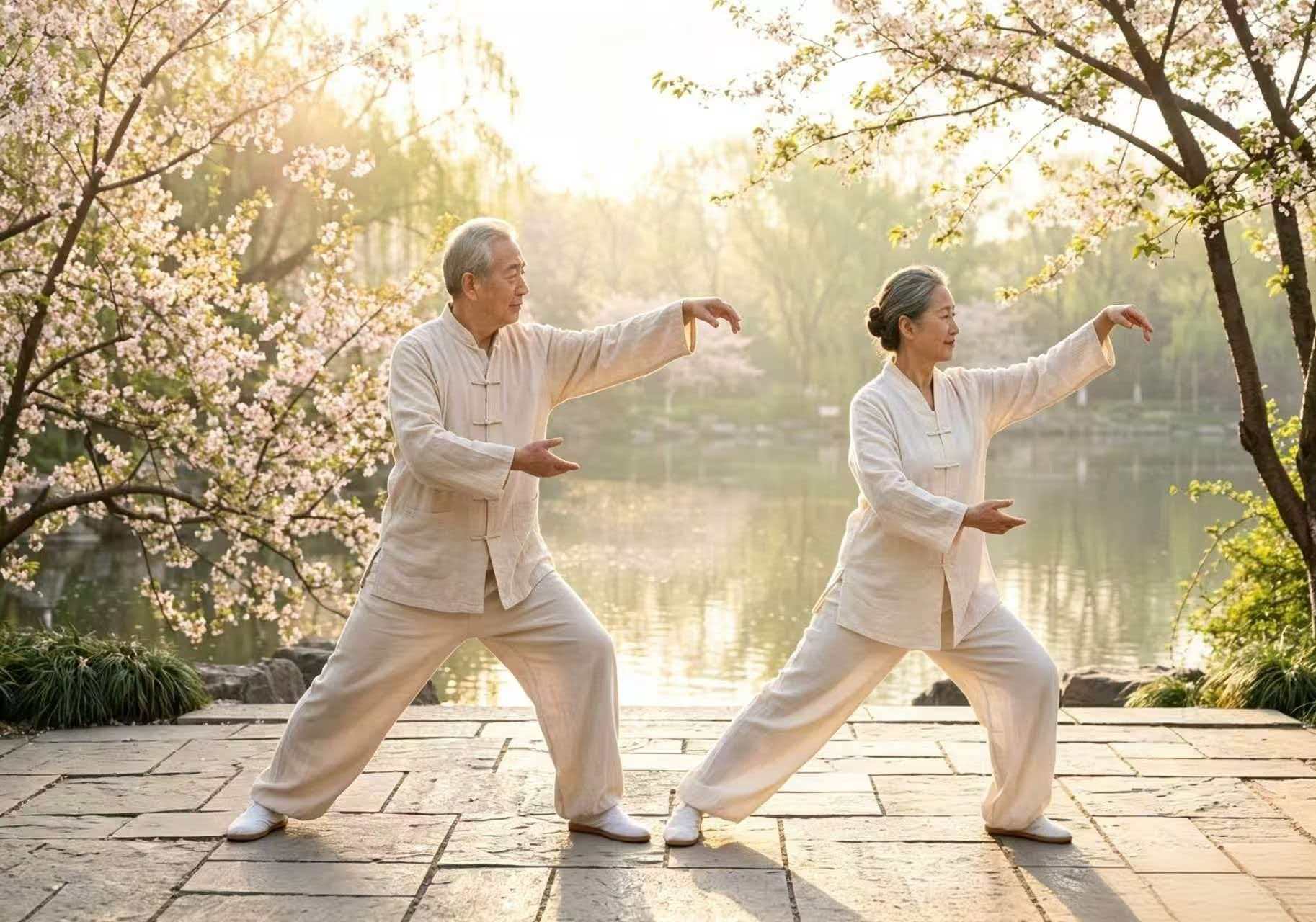
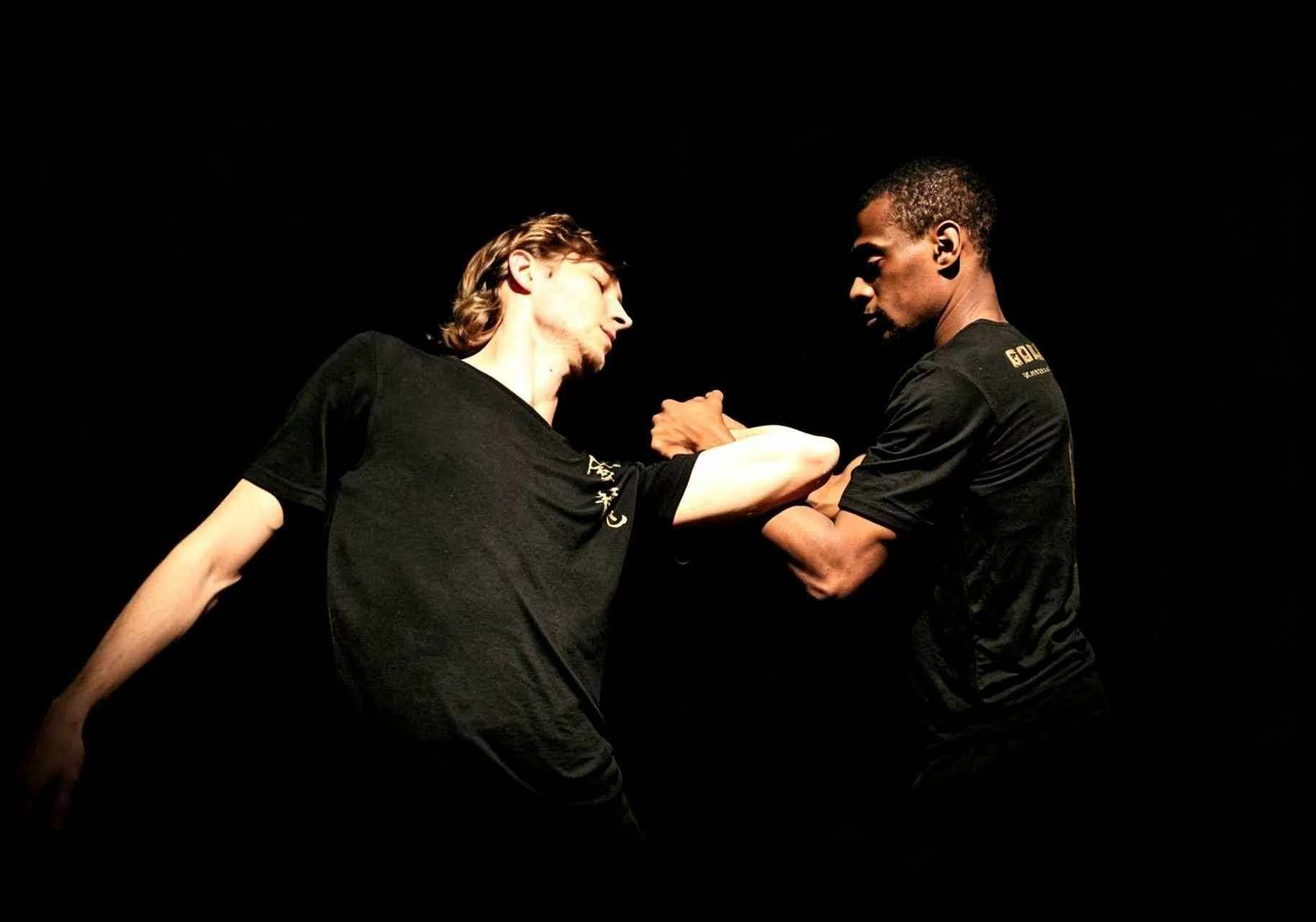
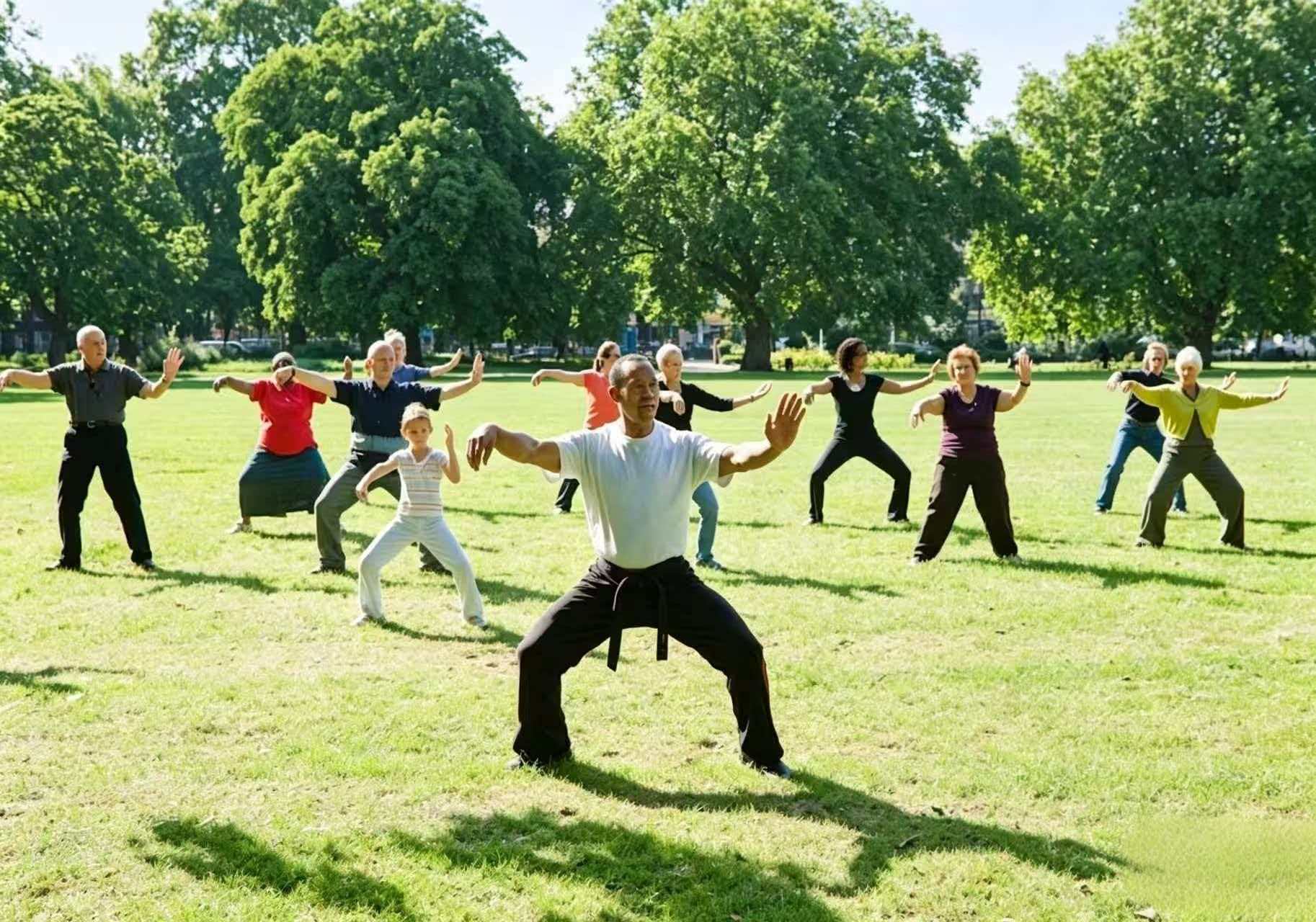
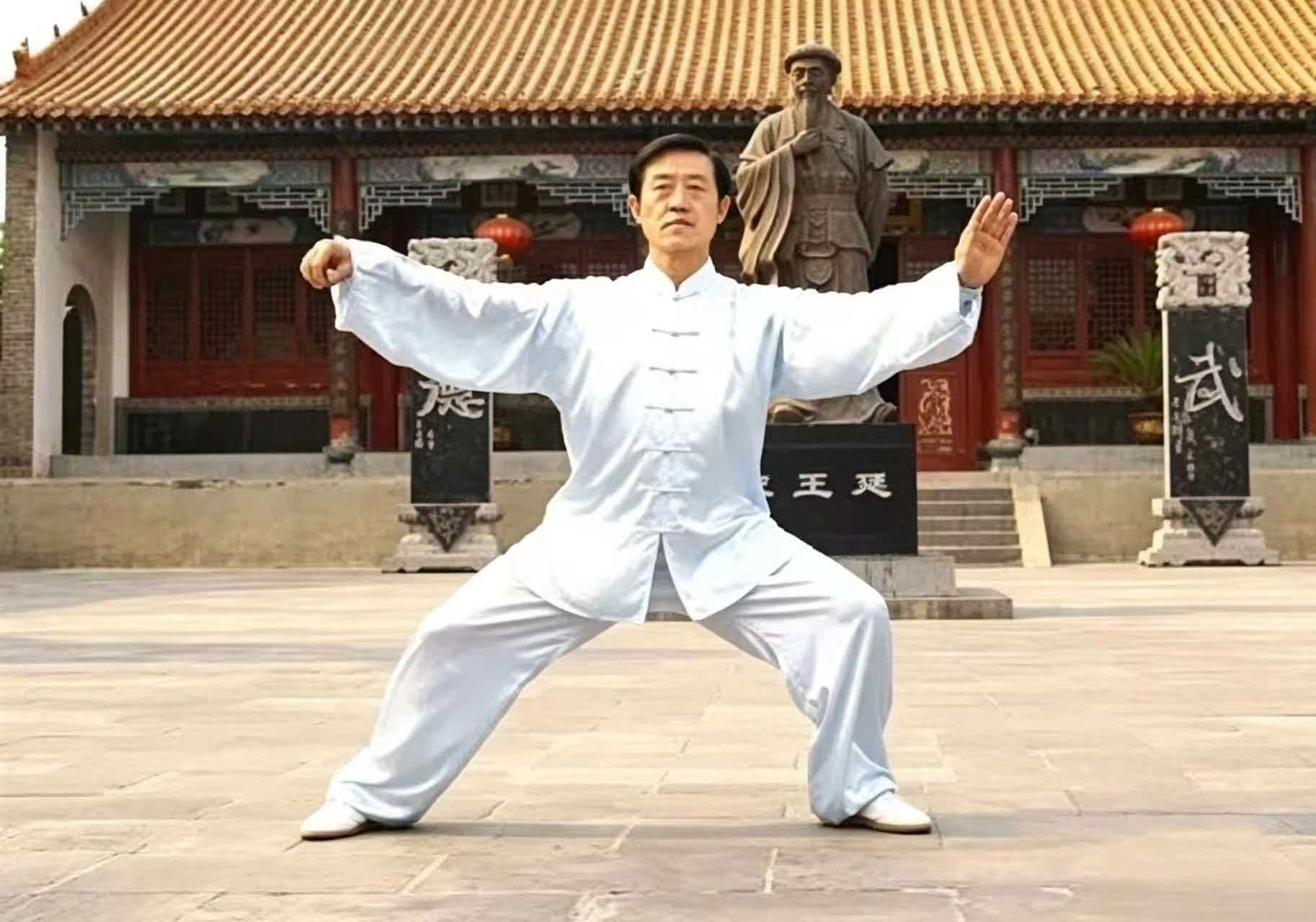
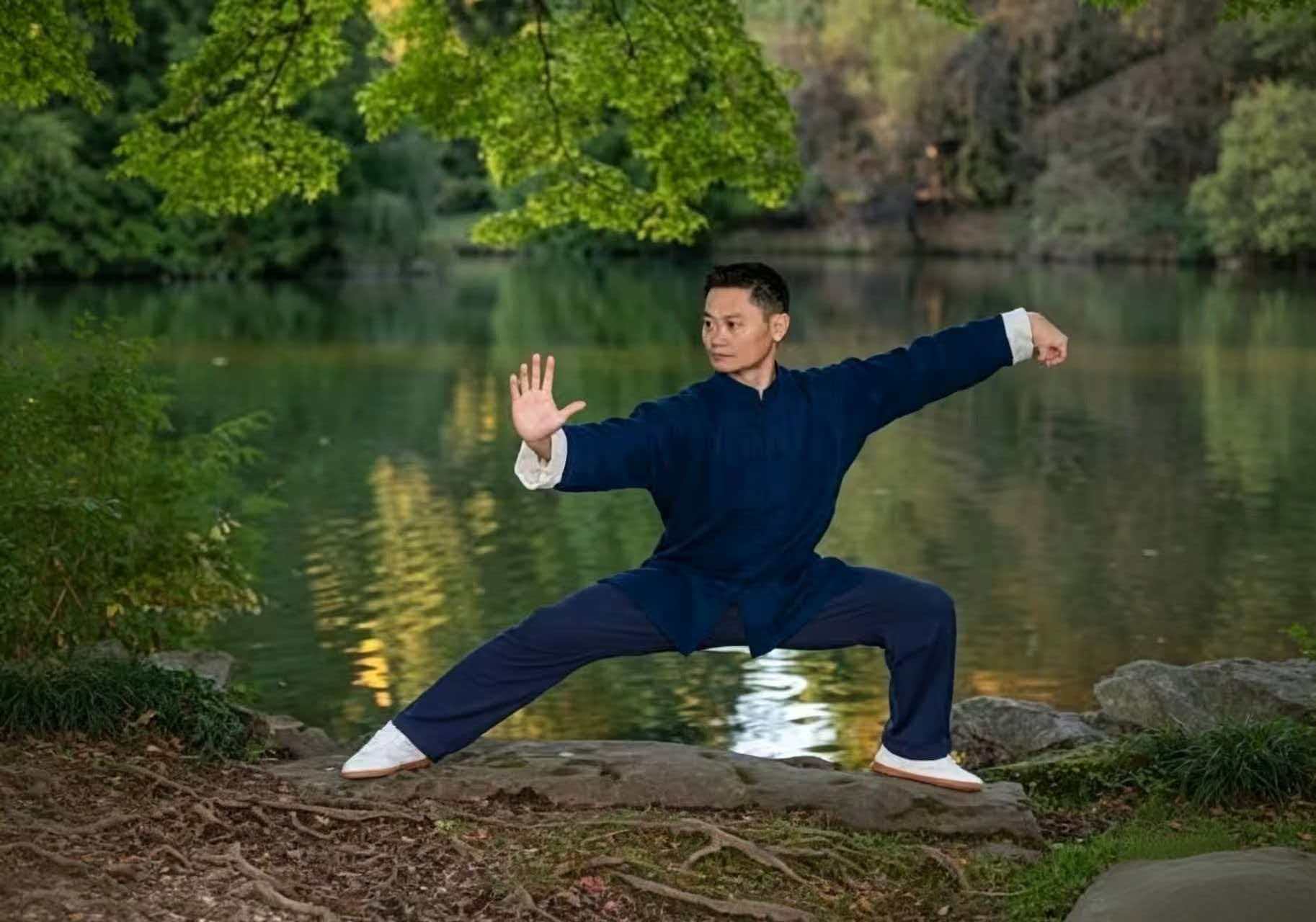
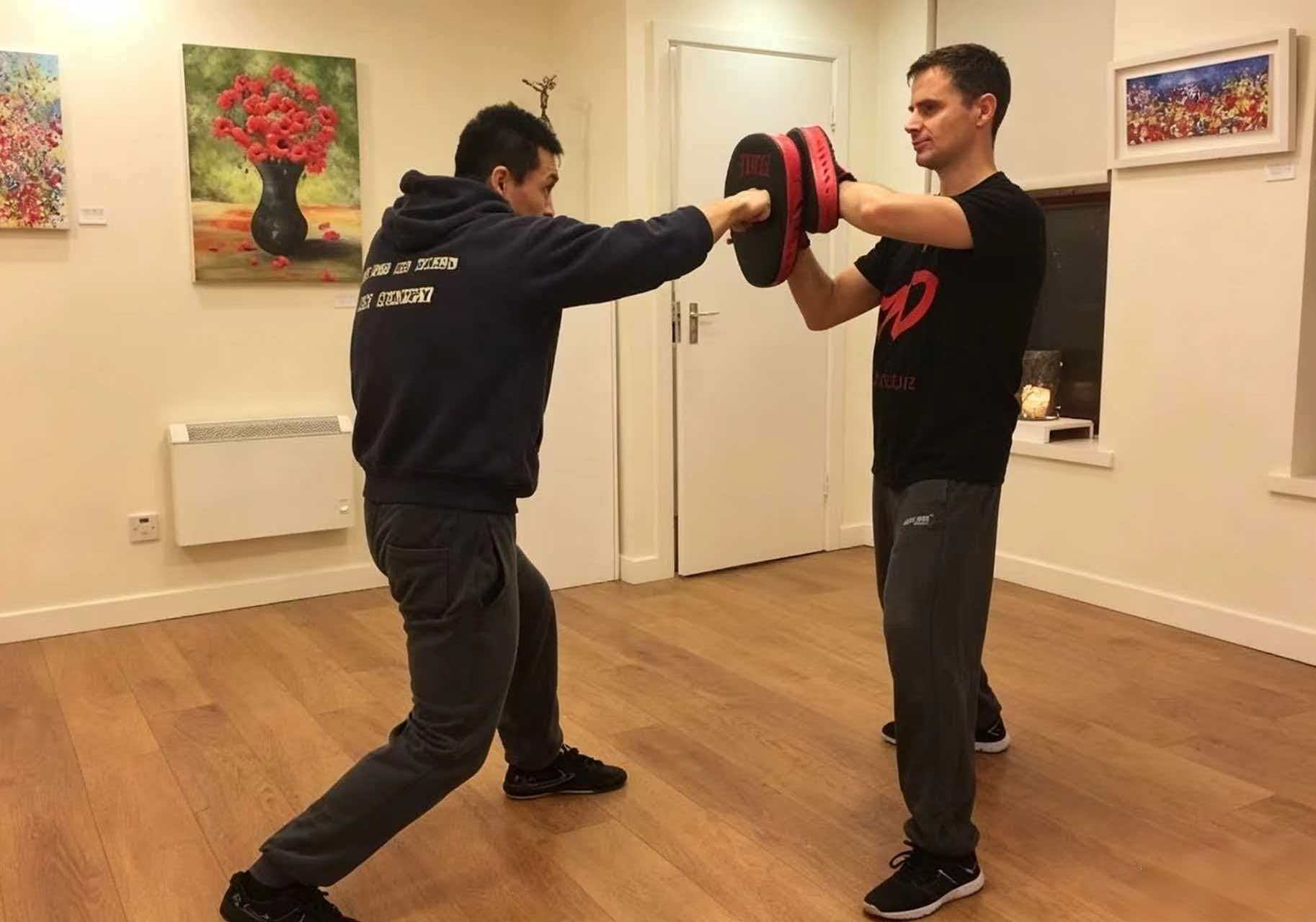
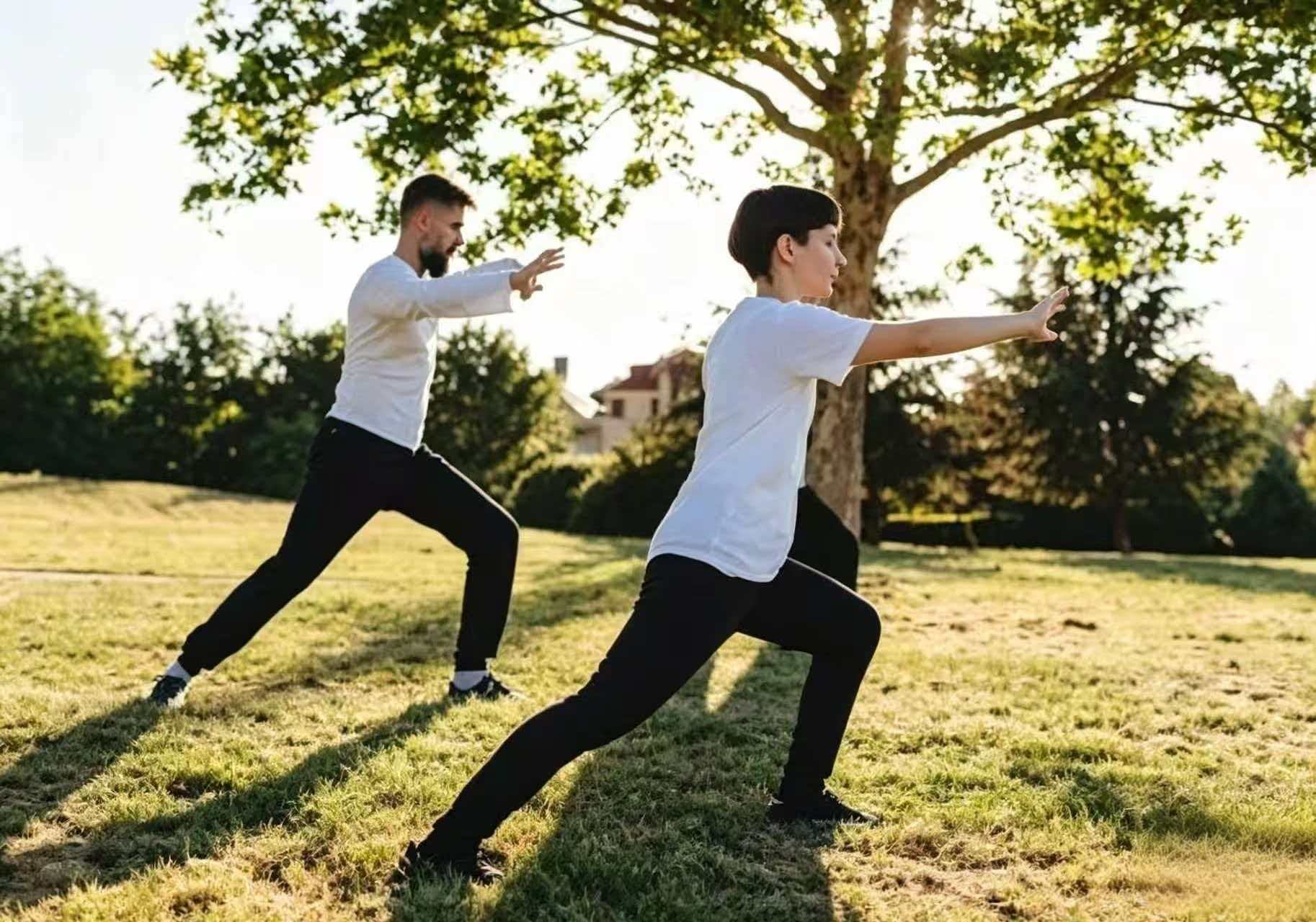
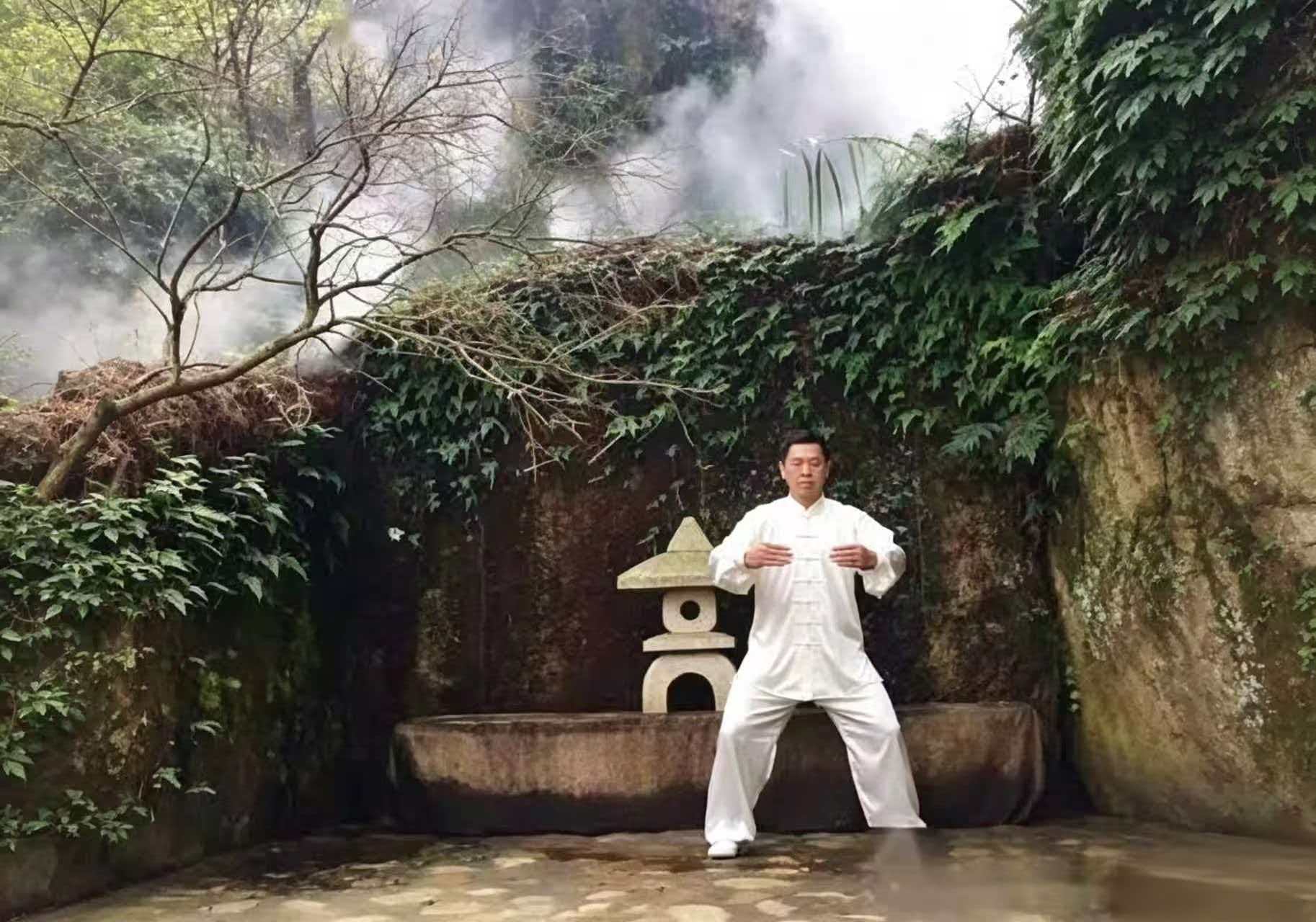
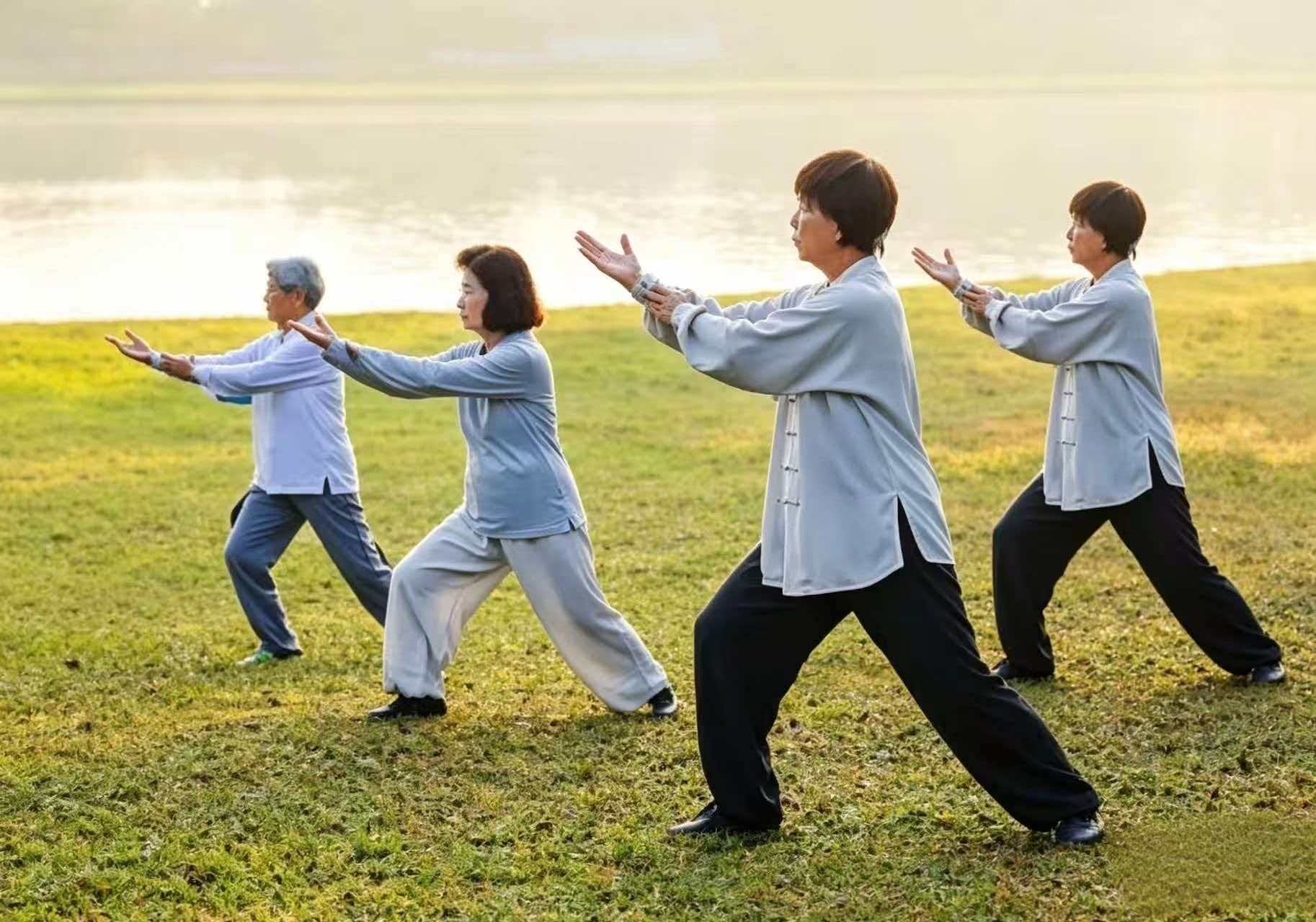
Chinese Kung Fu, traditionally known as Wushu, is far more than a collection of ancient fighting techniques designed over millennia; it is a profound synthesis of human wisdom and natural laws. Its vast array of styles is broadly divided into two paths: external systems (such as Shaolin, Sanda, and Qin Na) which focus on building physical strength, agility, and explosive power, and internal systems (such as Tai Chi, Qi Gong, and Zhan Zhuang) which prioritize cultivating Qi (vital energy), deep breathing, and inner balance. Emphasizing the principles of overcoming hardness with softness and redirecting an opponent's momentum, Kung Fu allows practitioners to achieve exceptional self-defense skills while deeply revitalizing their physical health and reshaping their mental clarity.
Kung Fu Culture: A Lifelong Journey of Virtue and Self-Mastery
In the Chinese language, the true meaning of "Kung Fu" does not inherently mean fighting—it signifies "an exceptional skill achieved through long-term dedication, hard work, and the test of time." Consequently, Kung Fu culture transcends the concept of winning or losing, serving as a spiritual journey deeply rooted in Confucianism, Buddhism, and Daoism. This culture is anchored by Wude (Martial Virtue), which dictates that a practitioner must learn humility, respect, and discipline before ever learning to strike. Training is an inward exploration that demands immense perseverance, teaching students to conquer their inner anxieties through a balance of movement and stillness. Today, this ancient wisdom of cultivating both internal spirit and external strength has become a global bridge, inspiring people worldwide to achieve ultimate self-mastery.
03 Aug,2026
Find clarity and peace through simple living at SJF Kungfu School.
30 Jul,2026
Unlock creativity and overcome blocks with Taichi at SJF Kungfu School.
29 Jul,2026
Build inner strength and outer health at SJF Kungfu School through Taichi.
28 Jul,2026
Develop warrior discipline and explosive power at SJF Kungfu School.
27 Jul,2026
Discover yourself through movement, breath, and balance with Taichi practice.
24 Jul,2026
Transform your eating habits and digestion through Taichi mindfulness practice.
23 Jul,2026
Build lifelong full-body health through authentic Chen-style Tai Chi practice.
22 Jul,2026
A Taichi practice that grows with you through gradual progress and self-care.
22 Jul,2026
Control any situation with Qin Na joint locks and leverage techniques.
21 Jul,2026
A complete practice for body, mind, and spirit through Taichi.
20 Jul,2026
Gentle Taichi practice for graceful aging, balance, and vitality.
20 Jul,2026
Gentle Taichi practice delivers powerful physical, mental, and emotional results.
20 Jul,2026
Authentic Chen Tai Chi for whole-body wellness, culture, and self-defense.
20 Jul,2026
Learn practical striking, grappling, and throws through authentic San Da.
15 Jul,2026
Meditation and Tai Chi unite for inner peace and martial mastery.
15 Jul,2026
Tai Chi restores sleep, energy, and nervous system balance naturally.
15 Jul,2026
Authentic Chen Tai Chi unites movement, meditation, and ancient Chinese wisdom.
14 Jul,2026
Authentic Chen Tai Chi relieves stress and restores inner balance.
14 Jul,2026
Zhan Zhuang builds strength, energy, and peace through stillness.
14 Jul,2026
Taichi offers a digital detox for mind, body, and spirit.






 WhatsApp