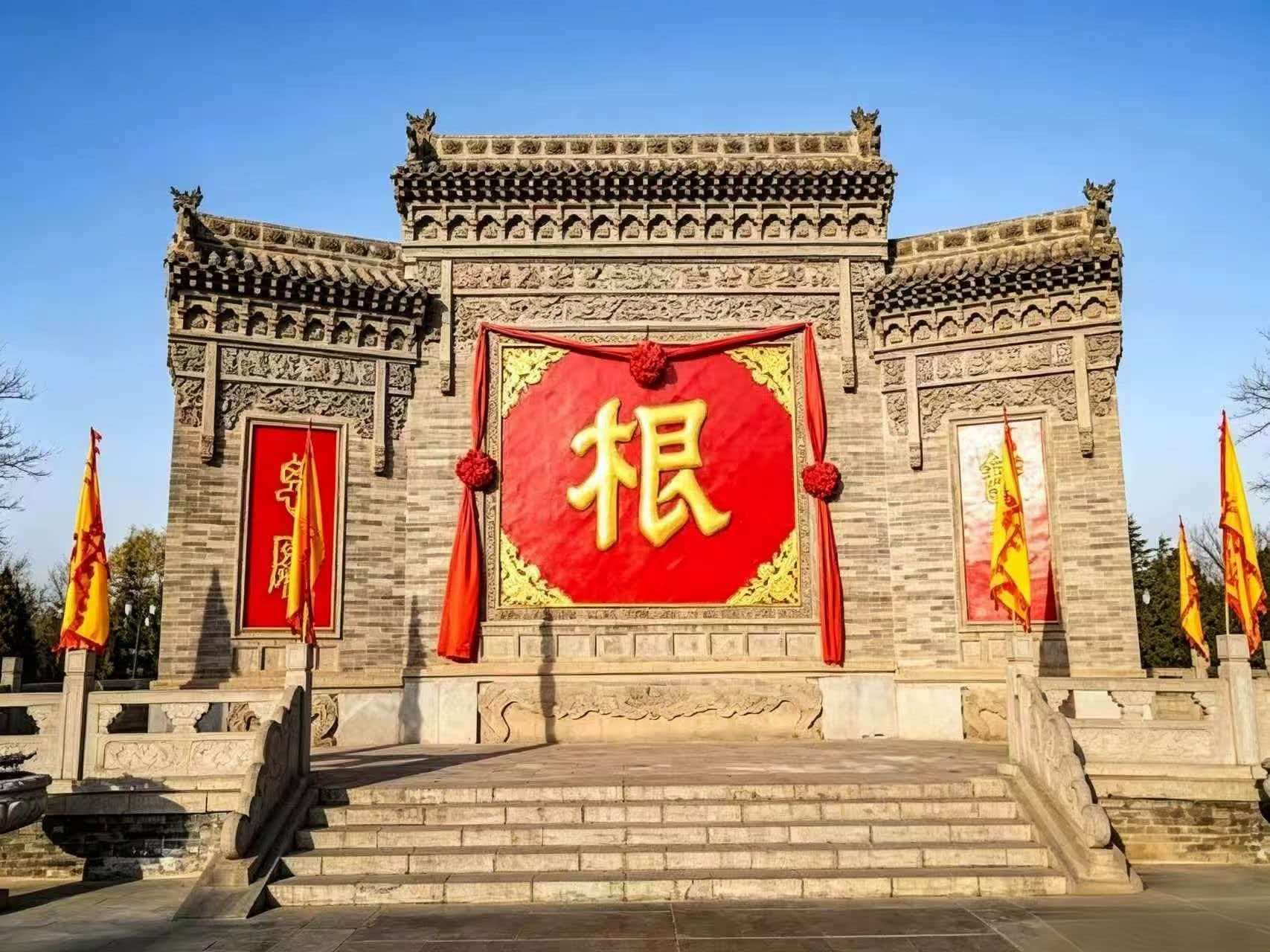
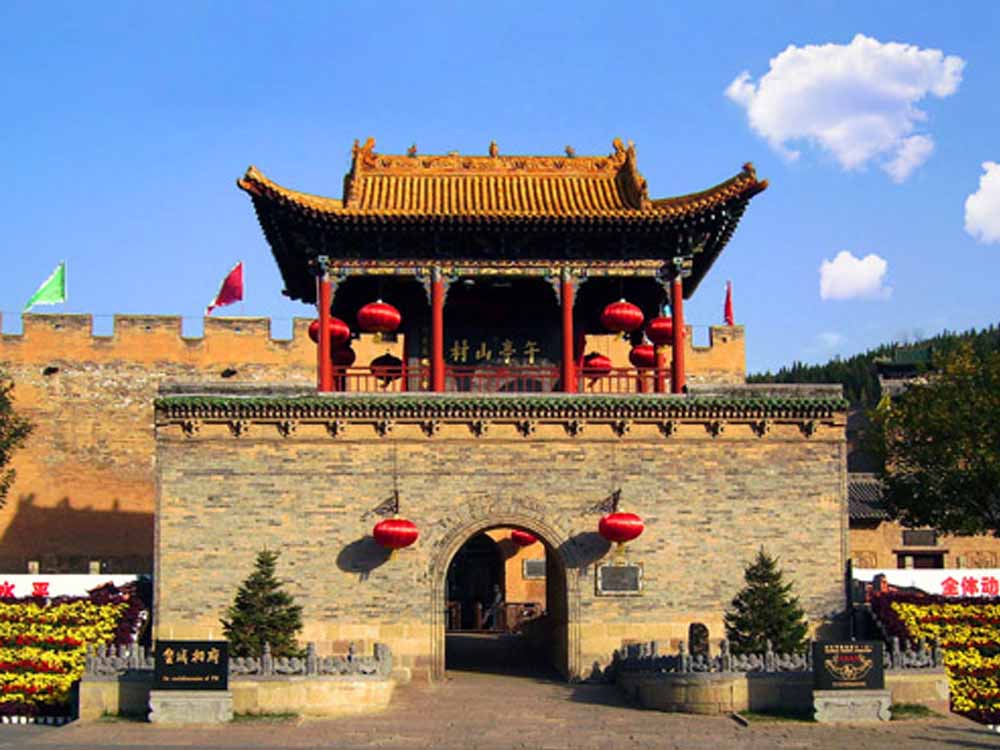
Standing majestically in the cultural heart of Shanxi Province, the Hongtong Big Pagoda Tree (Hongtong Dashu) is far more than an ancient tree—it is a powerful, living monument to memory, migration, and the unbreakable bonds of family. For over 600 years, this site has been the emotional epicenter of one of the most significant forced migrations in Chinese history, when millions of people were dispersed from this very location across the nation. Today, the Hongtong Pagoda Tree Memorial Park offers a profoundly moving journey into a unique chapter of China's past, where visitors can connect with the ancestral roots that still resonate for countless Chinese families worldwide.
The Story of the Great Migration
The historical importance of the Hongtong Big Pagoda Tree lies in its central role during the Ming Dynasty (1368-1644). Following the devastation of war, the Hongdong area was chosen as a key gathering point for people from central China to be relocated to repopulate and cultivate other regions. Under this ancient pagoda tree, families were torn apart and sent to distant lands. This mass emigration is a foundational story for many Chinese people, as records suggest that a significant portion of the population can trace their ancestral origins back to this very spot. The site, therefore, is not just a historical location but a deeply emotional center of pilgrimage for descendants seeking to connect with their roots. The Memorial Park respectfully tells this story through plaques, exhibits, and the preserved landscape.
Features and Highlights
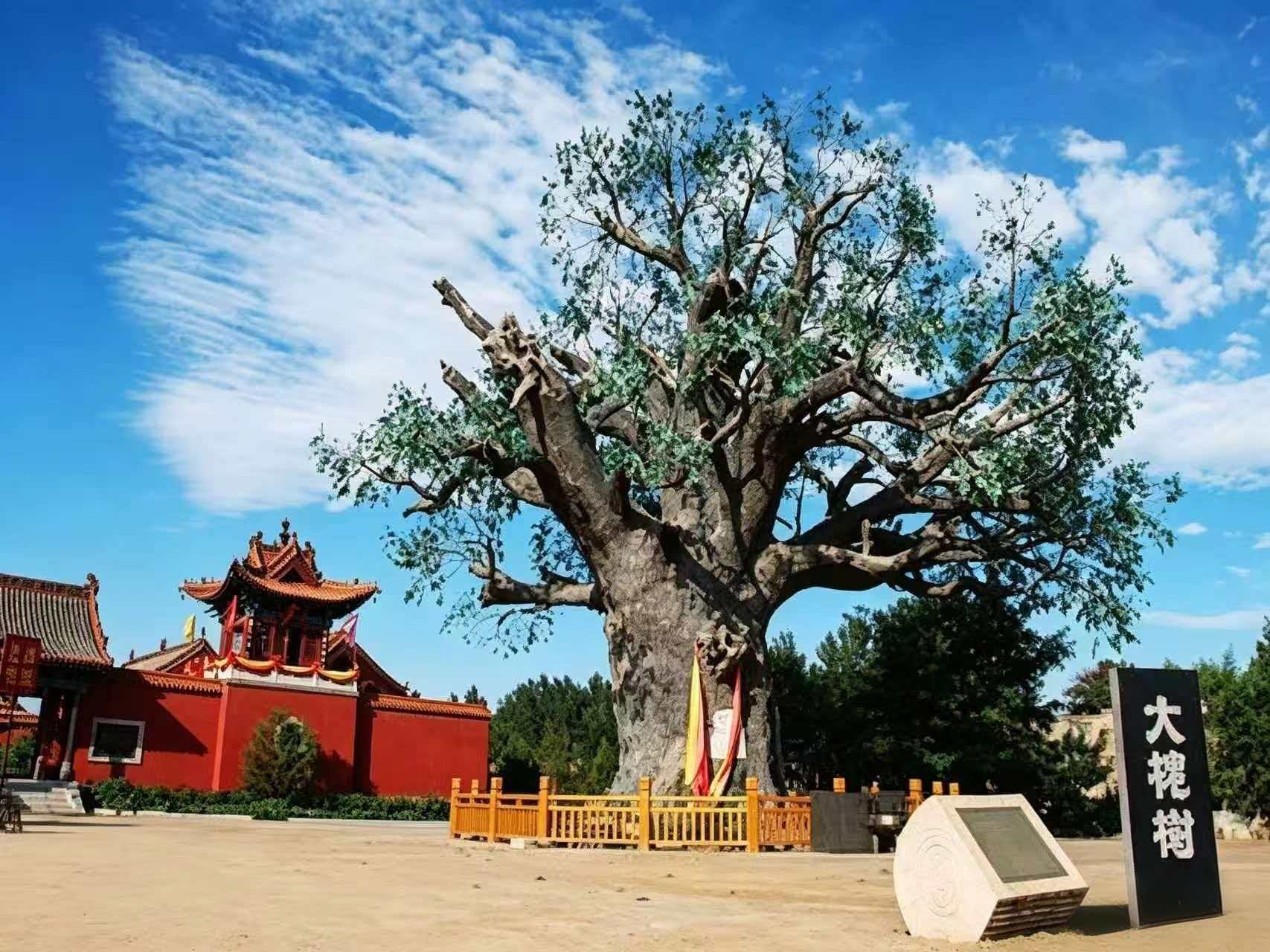
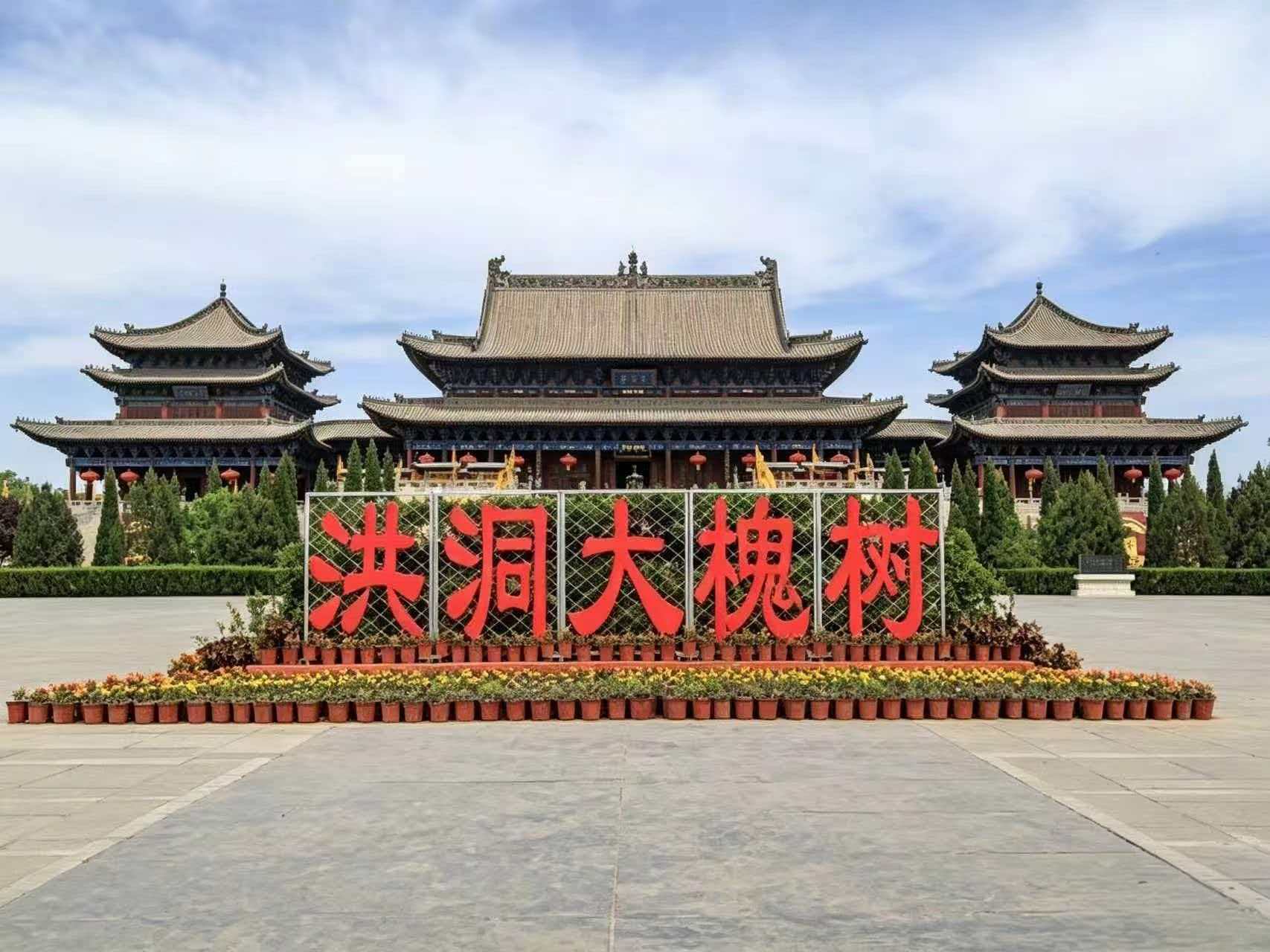
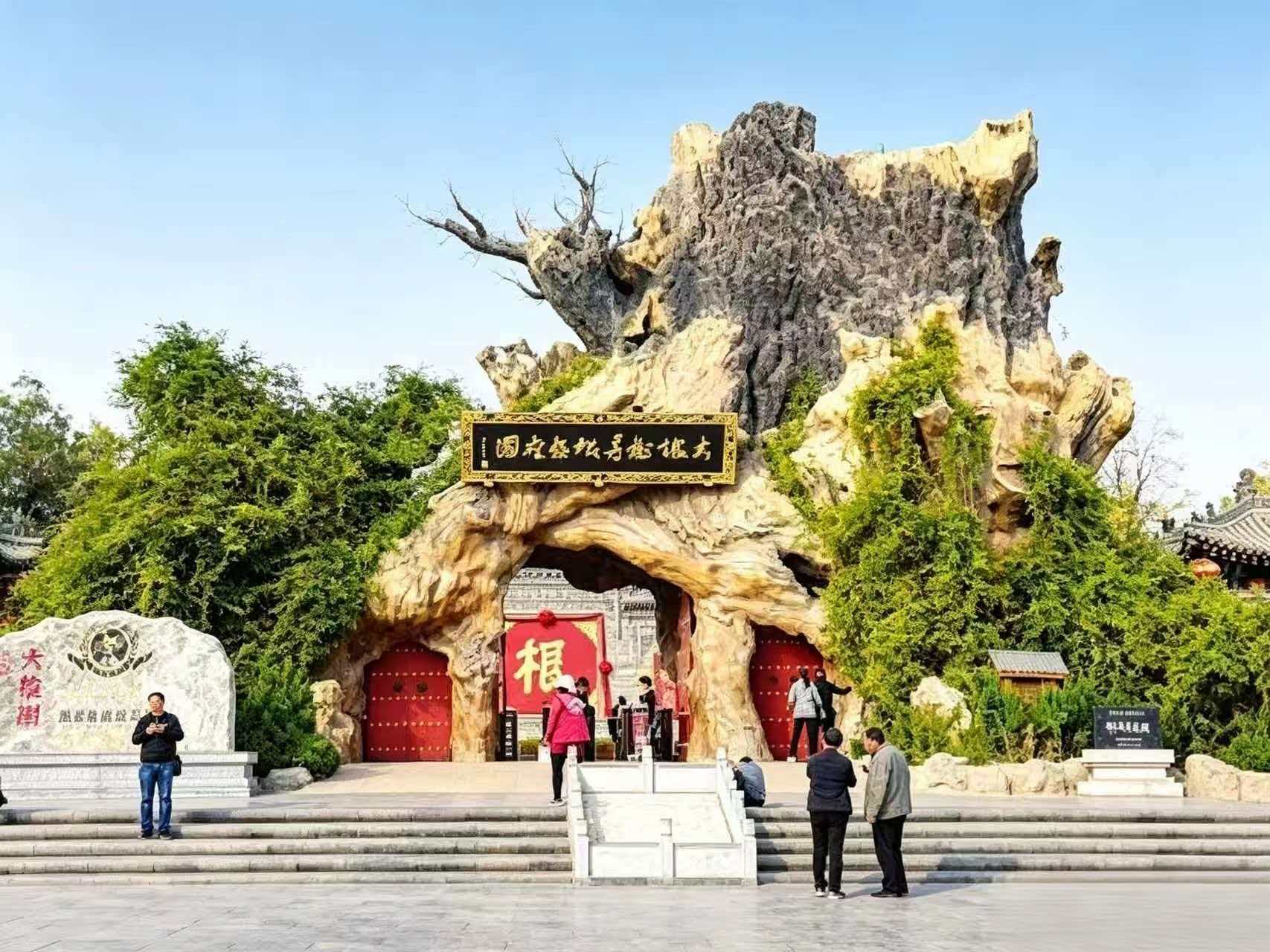
The central focus of the memorial park is, of course, the site of the original pagoda tree, which is now marked and revered. While the original tree is gone, a descendant planted nearby continues to grow, serving as a living link to the past. The park features the "Ancestral Hall," where visitors can pay respects to their ancestors, and the "Migration Wall," which is engraved with the names of the many family clans that departed from the area. The grounds are designed to be both reflective and educational, with exhibits that explain the historical context of the migrations, the living conditions of the time, and the lasting impact on China's population and culture. The atmosphere is one of quiet contemplation and profound historical connection.
Guide For Travelers
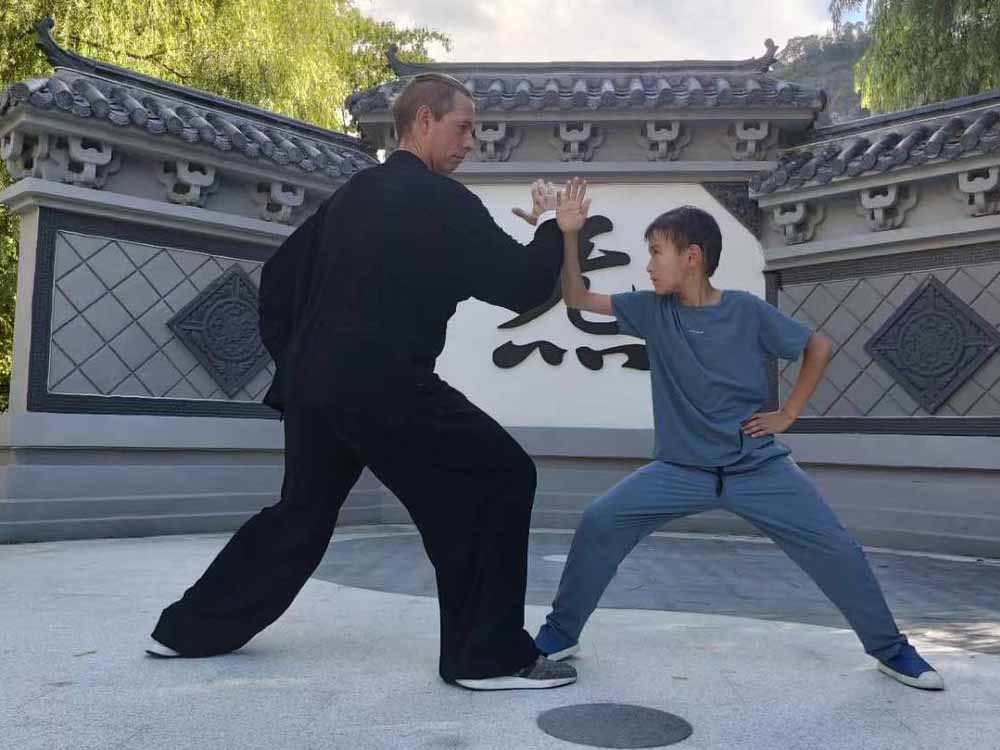
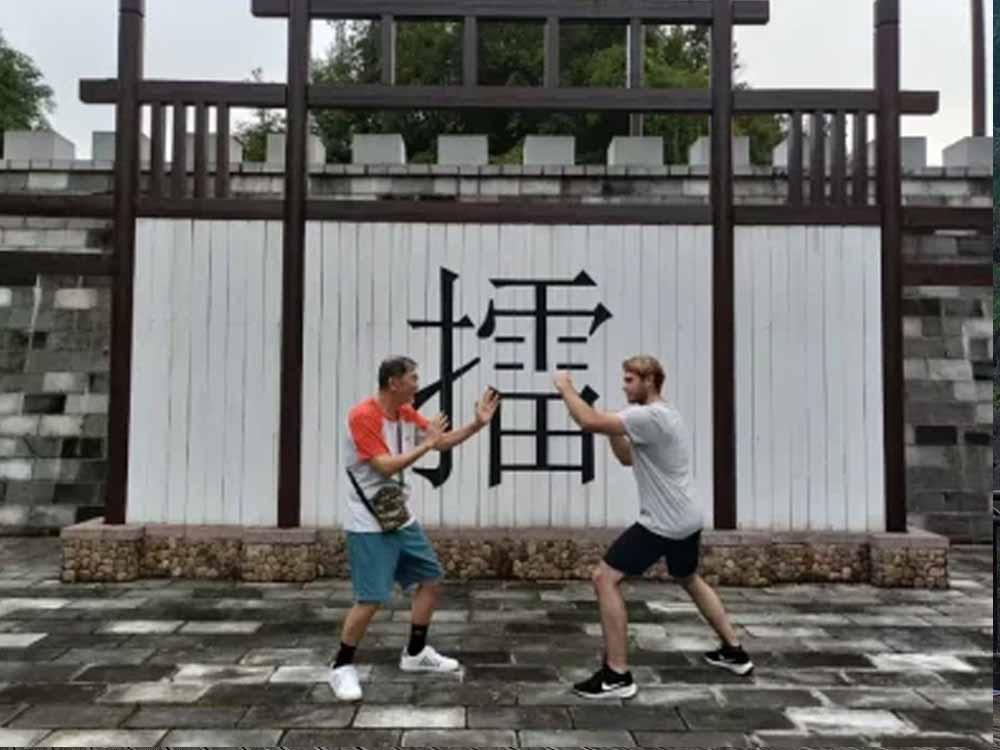
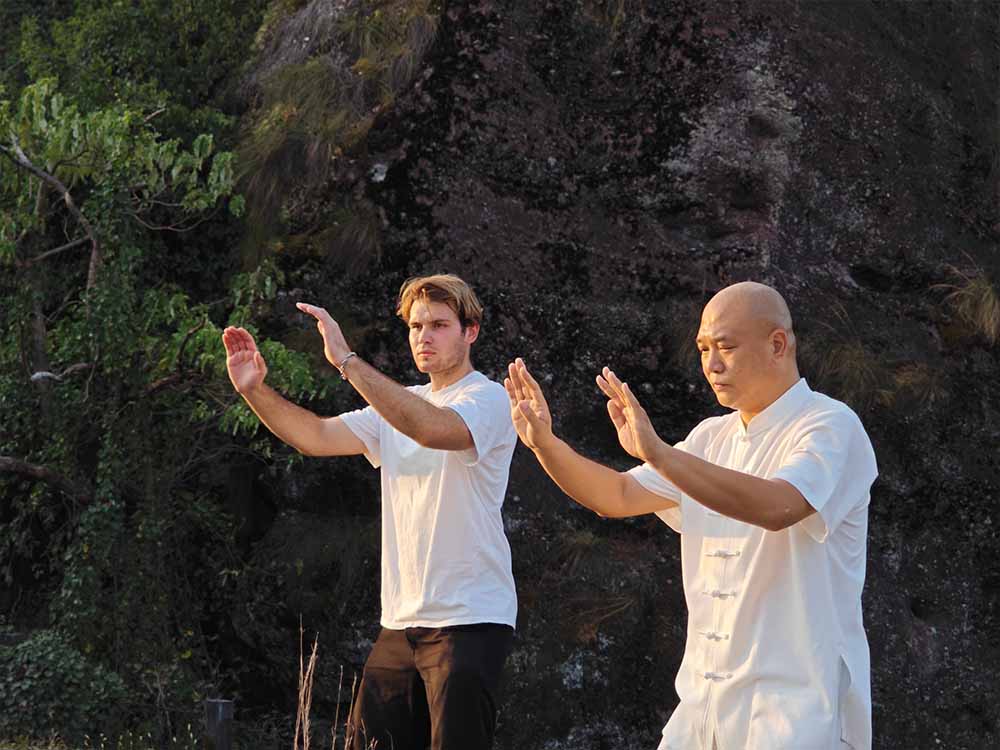
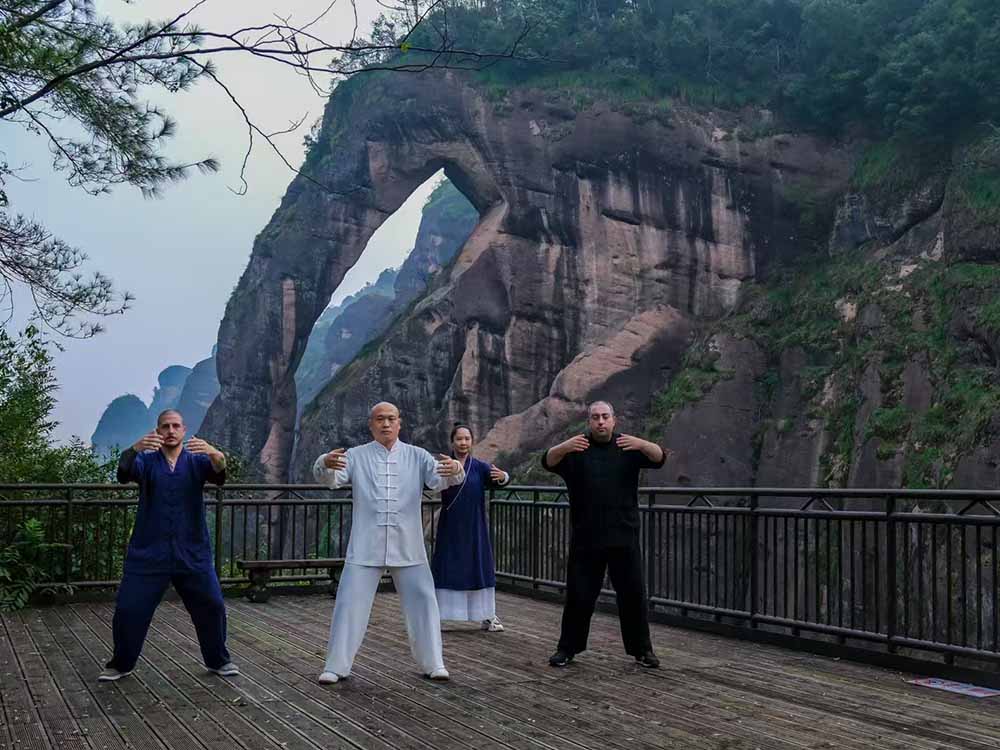
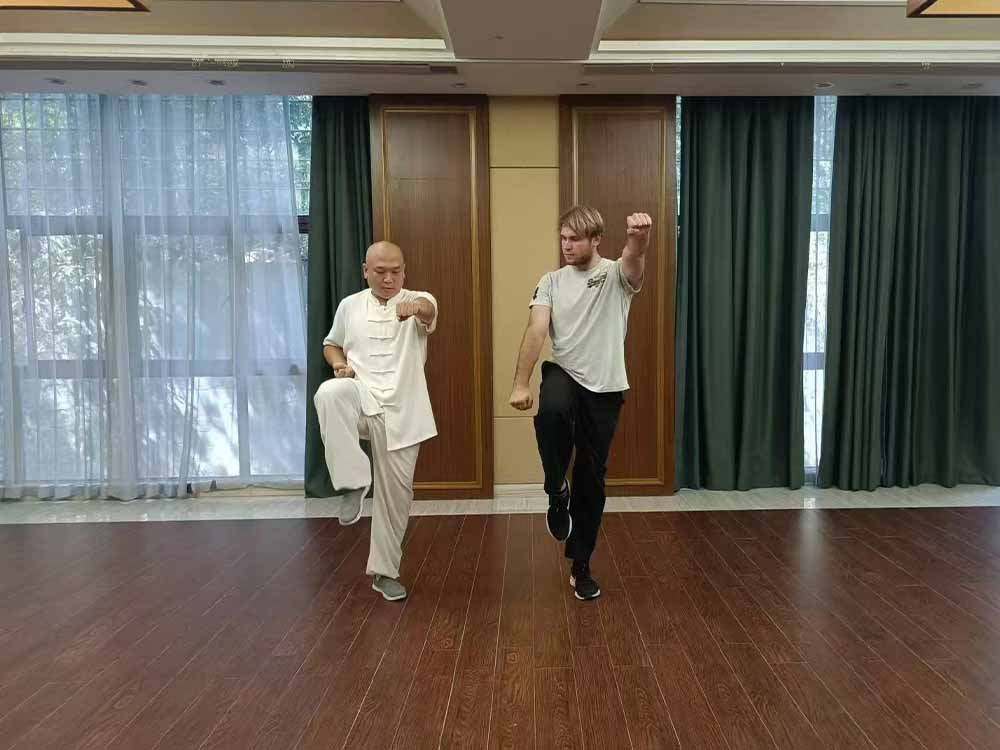
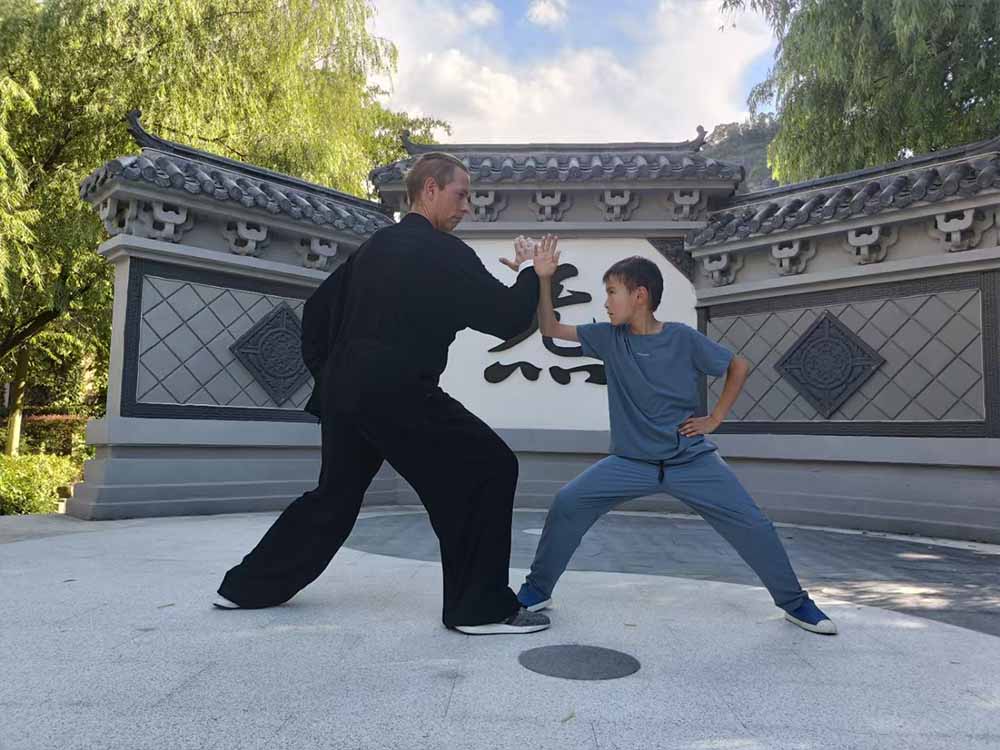
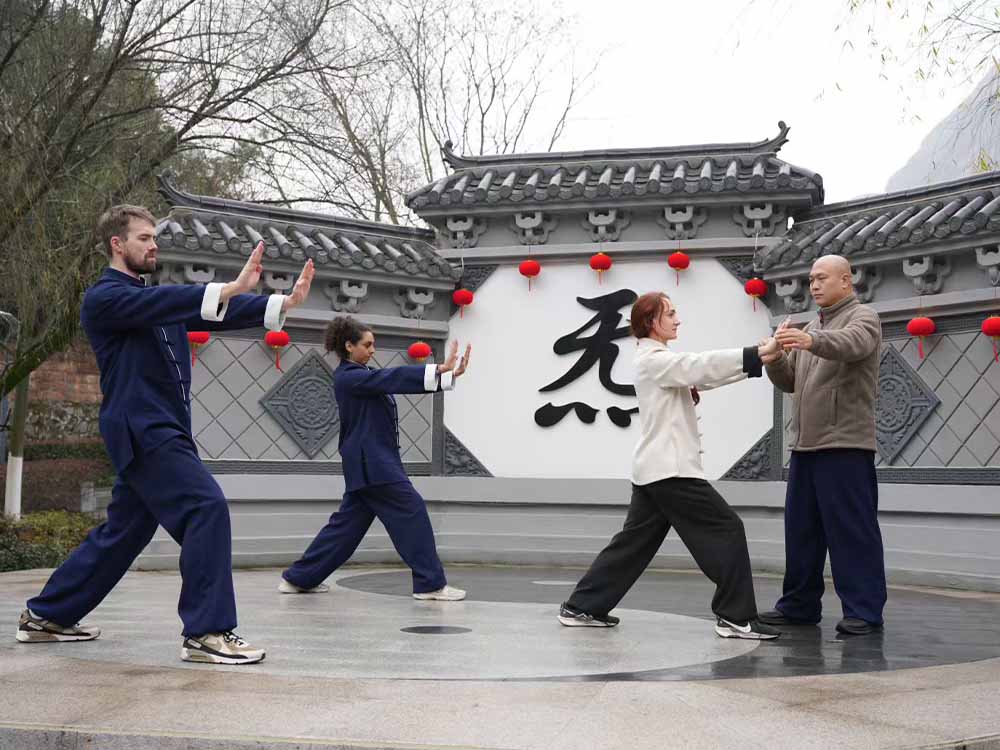
A visit to the Hongtong Big Pagoda Tree can be a deeply moving and educational cultural excursion, offering a unique perspective on Chinese history and family heritage. It can be seamlessly integrated into your Kung Fu training camp or cultural tour in Shanxi Province. The site is located in Hongdong County, approximately 30 kilometers north of Linfen, and is easily accessible by bus or taxi. The park is well-maintained and relatively flat, making it suitable for a peaceful walk. It is highly recommended to hire a local guide who can bring the poignant stories of the migration to life, explaining the historical records and the personal significance of the site for Chinese families. Visitors often leave messages or tokens of remembrance, and you may find this connection to personal histories of the past a powerful experience. This excursion offers a profound counterpoint to the physical discipline of martial arts, connecting you to the enduring strength and resilience of the human spirit through history and memory.
Fast Facts For Travelers
Location: Hongtong Big Pagoda Tree, Hongdong County, Linfen, Shanxi Province, China.
Site Classification: National Key Cultural Relic Protection Unit, National AAAA Level Tourist Attraction.
Best For: History enthusiasts, those interested in family heritage and genealogy, cultural explorers, and travelers seeking a reflective experience.
Signature Experience: Visiting the site of the legendary pagoda tree and learning about the great Ming Dynasty migration.














 WhatsApp